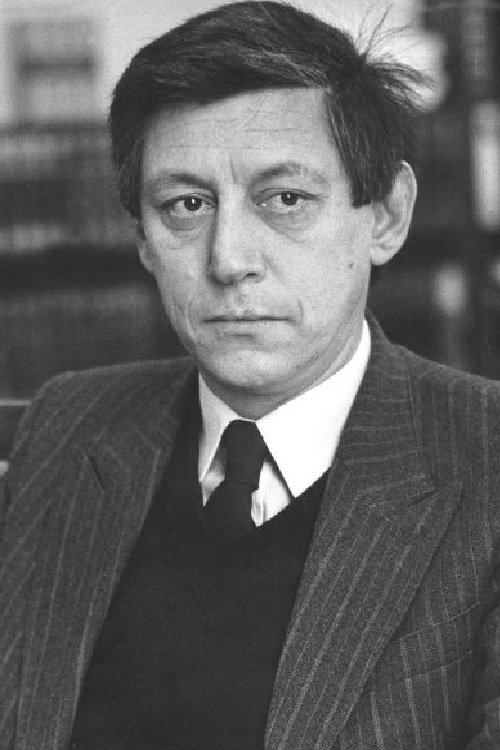
Ante Peterlić
Writing
Biography
Ante Peterlić (18 May 1936 – 12 July 2007) was a Croatian film scholar, screenwriter and film director. He is best known for his film Accidental Life (Croatian: Slucajni zivot, 1969), his debut feature film. Peterlić was a prominent young film critic, and a professor of film theory at the Faculty of Humanities and Social Sciences in Zagreb. In the 1960s, he directed his first short TV drama, and was active as an assistant director in several feature films and documentaries, working also as a script doctor. First to hold Ph.D. in film studies in Yugoslavia, with prof. Vera Horvat-Pintarić serving as his thesis advisor, Peterlić wrote several books on theory and history of cinema.
Known For
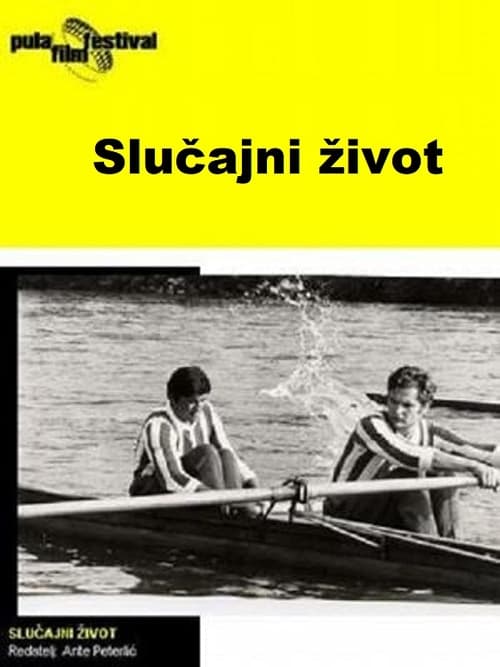
Two friends try to tear out their lives from the clutches of idle. An existential study of ordinary lives led by two alienated urban white collar workers, Accidental Life was the only feature film of Ante Peterlić, Croatian film theorist and film critic. The film received mediocre reviews and went largely unnoticed after its release, but has been reevaluated decades later as one of the best Croatian films ever made.
Accidental Life
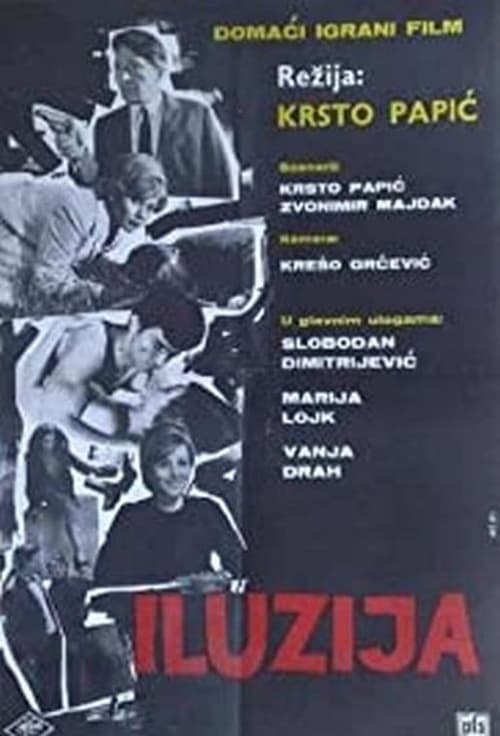
The story of an inter-generational conflict between two brothers of completely different political and secular views.
Illusion
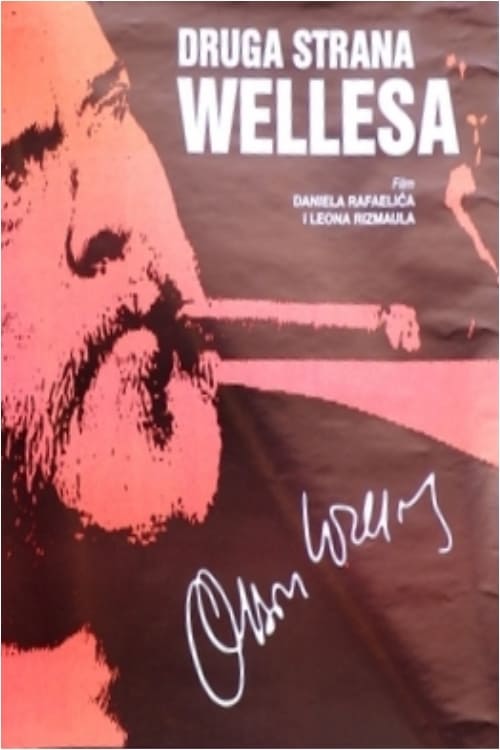
Film The Other Side of Welles portrays the life, work and intellectual heritage of Orson Welles in Yugoslavian federal unit "Socialist Republic of Croatia". Through the period of 25 years, he appeared as actor in several co productions made in Croatia (David and Goliath, Tartars, Austerlitz) - acted in few Yugoslavian film (Battle of Neretva, The Secret of Nicola Tesla) and directed two of his own film: The Trial and The Deep. As a Hollywood maverick, in Croatia he often found his shelter. Through the never before seen archive materials and the interviews with the people who worked with him, directors of this film, in the 90th anniversary of his birth and 20th of his passing, reveal the other side of Orson Welles
The Other Side of Welles
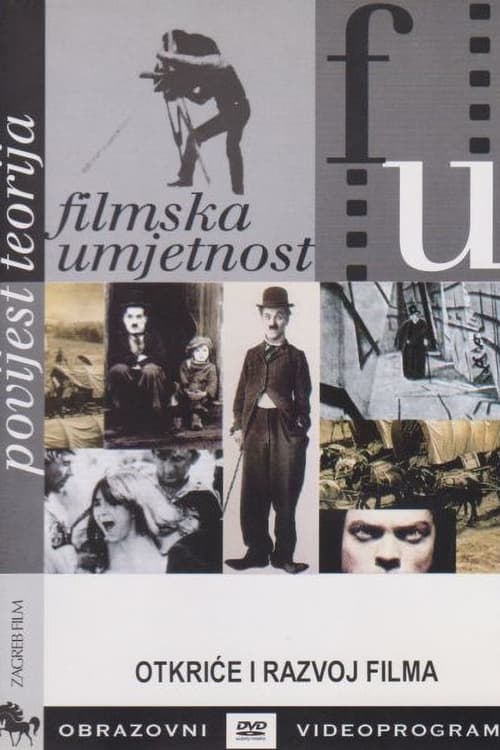
The birth date of film can be established: December 28, 1895. The place where it happened is also known: Paris, Boulevard des Capucines, Grand Caffe. It is also known who did it first: Louis Lumiere. However, the history of film starts in distant, almost unknown times: from drawings of cave people, through reliefs from Egyptian times, to the discovery of photography. Development of film technique: silent film, sound film, color film. Development of film expression: film as a recording of reality, film as an interpretation of reality, film as fiction or new reality. Development of film as an industry.
The Discovery and Development of Film
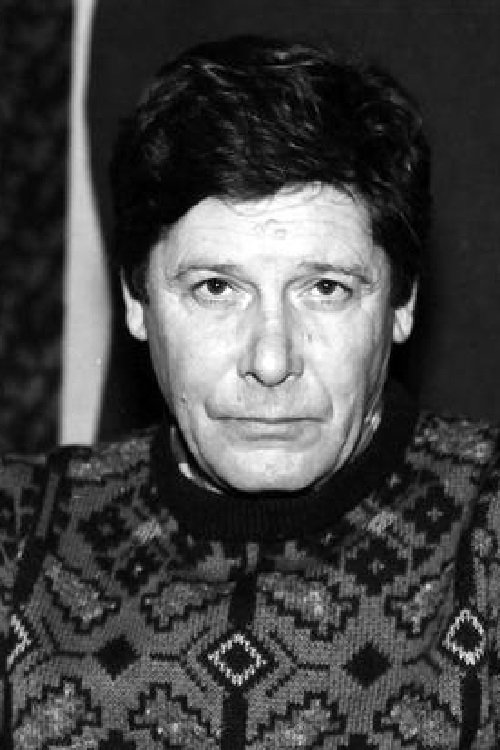
A short documentary about one of the most prominent Croatian actors of all time.
Ivica Vidović
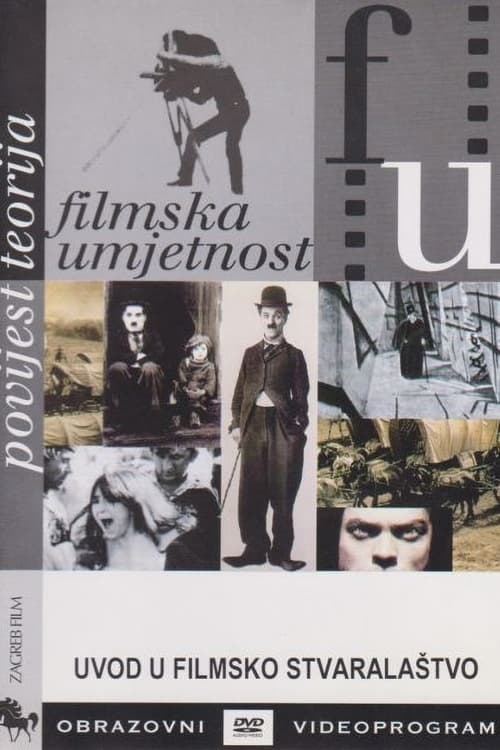
We live with films every day, and it seems nothing easier than answering the question: what is a film? Obviously, a film is, first and foremost, a document, a testimony of the world that surrounds us. The rich expressional possibilities of film are based on the imperfection of the human eye, its sluggishness, so thanks to the stroboscopic effect we can animate a still image. Film is therefore a kinetic image, or a moving image. It can make the invisible visible, bring the distant closer, enlarge the small, speed up the slow, slow down the fast, and return the end to the beginning. The technological basis of film: light, film tape, camera, projector, film screen. Expressive possibilities of film: scientific, documentary, communicative, artistic. Basic film genres: differences among films.