Alan Gorg
Directing
Known For
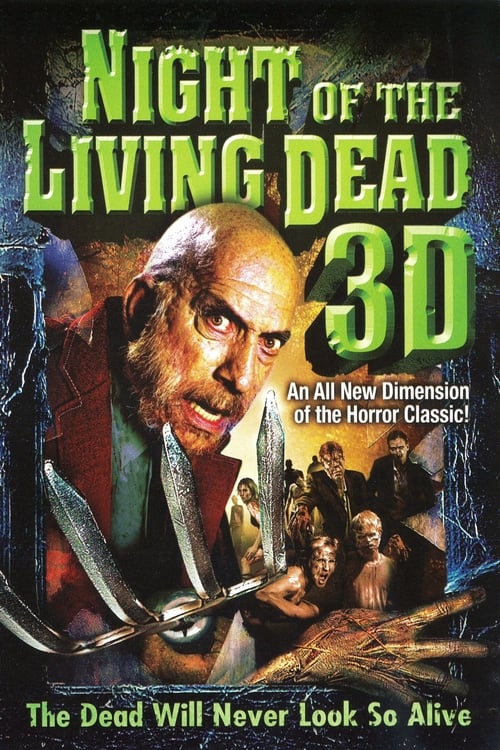
Barricaded in a farmhouse, a woman and a collegian must contend with flesh-eating zombies and a malevolent mortician.
Night of the Living Dead 3D
Filmed in 1986, "Living the blues" explores the frustration, tragedy, and humor of inner city youth in pursuit of their dreams. The music helps them to weather the poverty and violence. Rock, Jazz, Reggae, Hip-Hop, Swing -- they all come out of the blues. And people love this music because it can make you happy even when you're not. If you want to play the blues, you've got to pay your dues.
Living the Blues

Dubbed “Ghost Town” in 1967, the area of West Venice was then an impoverished African American community. Los Angeles native and UCLA film student, Alan Gorg set out to capture the lives of its inhabitants in their own words. Without adding his own commentary, he allowed the subjects to express themselves, from the hardworking man with his young family, to the jobless youth who seek temporary release from their circumstances through drink and parties. Gorg aimed to give representation to African Americans, who due to housing and employment segregation, were rarely seen by white Los Angeles. The short begins with the voice-over of a white man discussing the savagery of African Americans. But we find it is not the people that are savage, but the harsh urban conditions. Opportunities are denied through systemic injustice and inequalities
The Savages
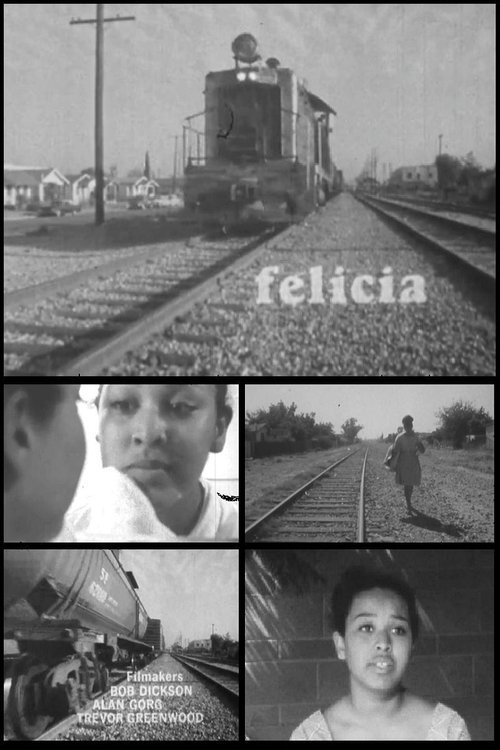
This 13-minute short subject, marketed as an educational film, records a slice of life in the Watts neighborhood of Los Angeles prior to the rebellions of 1965. Filmmakers Trevor Greenwood, Robert Dickson and Alan Gorg were UCLA film students when they crafted a documentary from the perspective of the unassuming-yet-articulate teenager Felicia Bragg, a high-school student of African-American and Hispanic descent. Felicia’s first-person narrative reflects her hopes and frustrations as she annotates footage of her family, school and neighborhood, creating a time capsule that’s both historically and culturally significant. Its provenance as an educational film continues today as university courses use "Felicia" to teach documentary filmmaking techniques and cite it as an example of how non-traditional sources, as well as mainstream television news, reflect and influence public opinion.
Felicia
Description: Black and White UCLA Student Film, Preserved by the UCLA Film and Television Archive. A cross-cultural documentary film from filmmaker Alan Gorg exploring the United States education system through an alternative lens. The film features a Hopi man who was taken from the Hopi Reservation and sent to the Sherman Institute in Riverside, a compulsory boarding school that forced cultural assimilation of Native American children to Anglo-American culture. He speaks to his experience reviving his relationship to traditional land and cultural practices. An African-American teenager speaks about the poor conditions inside California public schools. Several white and African American "hippie" children and their teachers explore alternative ways of schooling at the Los Angeles Free School. Film dedicated to the Hopi Independent Nation, Committee for Traditional Indian Land and Life, Los Angeles Free School.