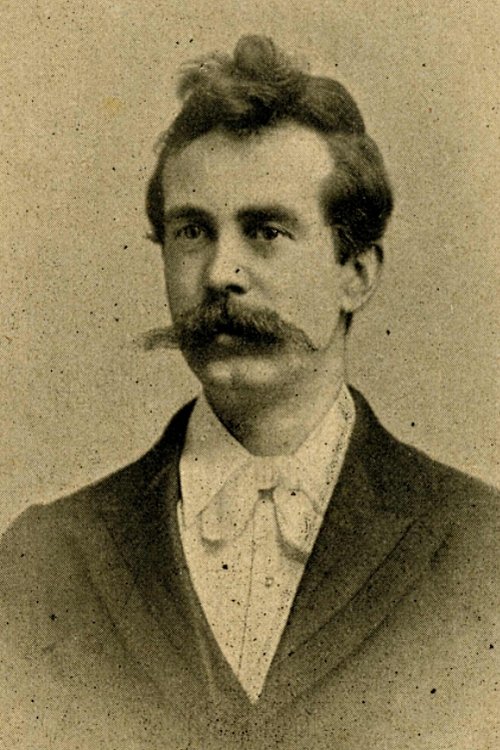
Walter R. Booth
Directing
Biography
Walter Robert Booth (12 July 1869 – 1938) was a British magician and early pioneer of British film working first for Robert W. Paul and then Charles Urban mostly on "trick" films, where he pioneered techniques that led to what has been described as the first British animated film, The Hand of the Artist (1906).
Known For
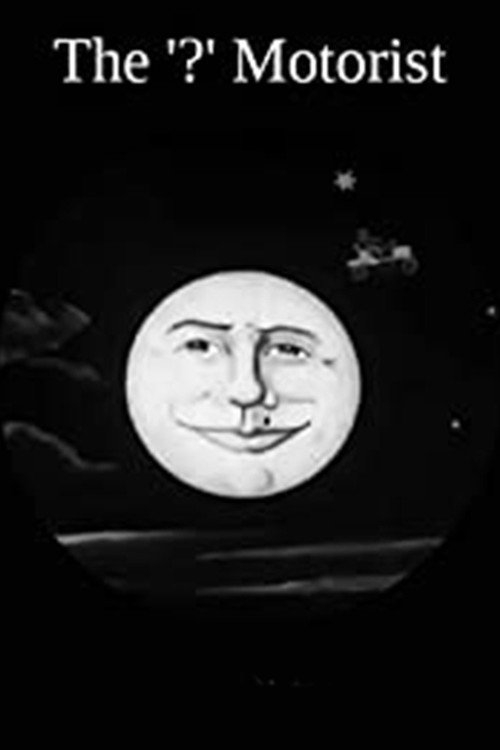
A magical glowing white motorcar ignores policemen, drives up buildings, flies through outer space, and can transform into a horse and carriage.
The '?' Motorist
BBC Four’s new documentary takes us on a journey through more than a century of animation. It examines the creative and technical inventiveness of some of the great animation pioneers who have worked in Britain – trailblazing talents such as Len Lye, John Halas and Joy Batchelor, Joanna Quinn, and Bristol’s world-conquering Aardman Animations.
Secrets of British Animation
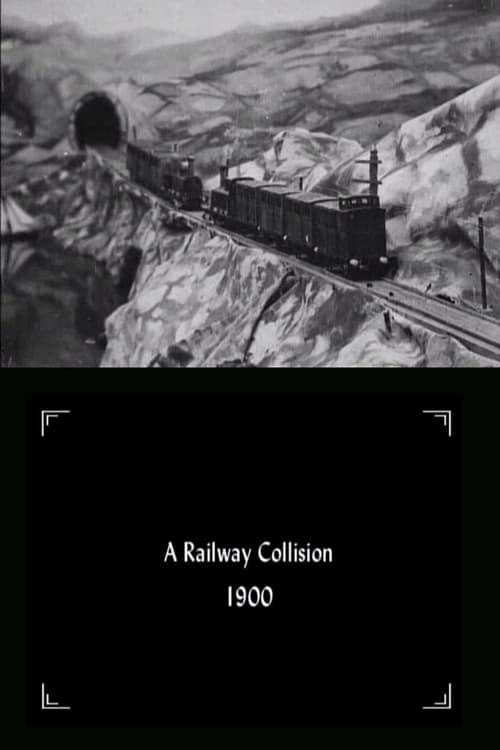
The scene is a railroad track on the side of a steep mountain, with a tunnel in the background, toward which a train is running at a high rate of speed. At this instant the audience is appalled at the sight of a second train rushing out of the tunnel. Both trains are on the same track and traveling toward each other at a high rate of speed. They collide. Cars and engines are smashed into fragments and thrown down the steep incline. (Edison Catalog)
A Railway Collision
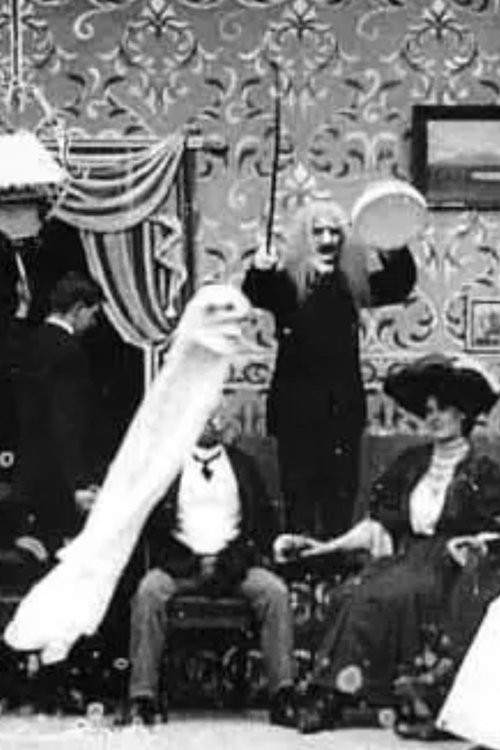
A miser dies of shock when the ghost of a poor woman appears.
The Miser's Doom
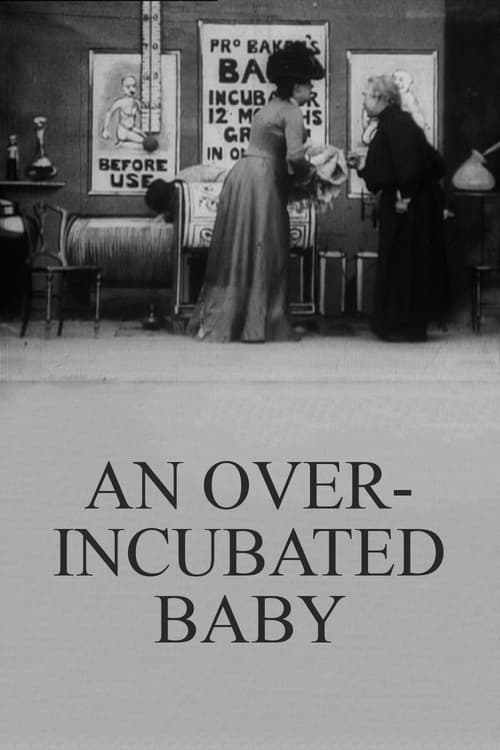
An up to date idea and a great picture. The professor sits in his laboratory with his newly invented baby incubator. A mother who is anxious for the growth of her child enters, places her baby in care of the professor, who promptly places it in the incubator. An alcohol lamp is lighted under the apparatus, but the professor evidently gets his machine too hot, for in a few seconds the top is opened and the baby taken out. To the great anger of its mother it has grown about two feet in height and has long hair and a full beard. (Edison Catalog)
An Over-Incubated Baby
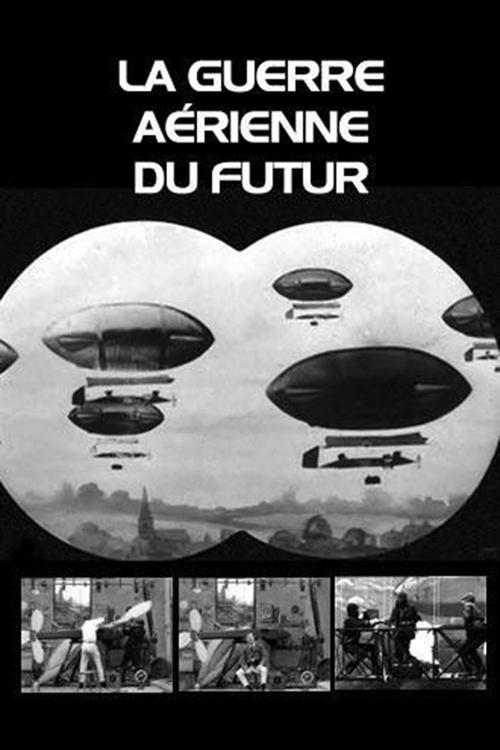
An inventor uses a wireless controlled flying torpedo to destroy enemy airships.
The Airship Destroyer
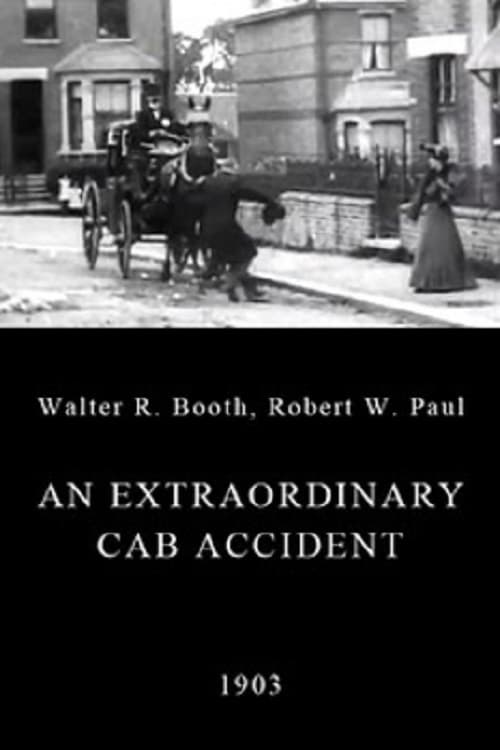
A man and a woman talk beside a street near a corner where a cop stands. Just as a horse-drawn cart rounds the corner, the man backs off the sidewalk saying good-by to his companion. The horse and cart flatten him and continue on, out of the camera's stationary range. The cop runs after the cab, the woman dashes to the body. The cop brings back the driver; is the victim dead?
An Extraordinary Cab Accident
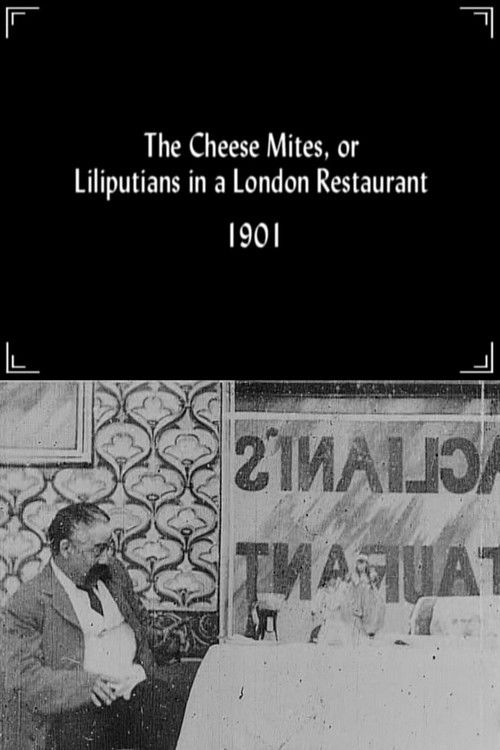
A jovial looking man is seated nearest the window of a restaurant. He has just finished his meal and the waiter brings a glass of beer, and when he places the glass upon the table, lo, a little sailor boy about six inches high appears from the foam, and climbing down the side of the glass, proceeds to dance a sailor's hornpipe on the table.
The Cheese Mites, or Lilliputians in a London Restaurant
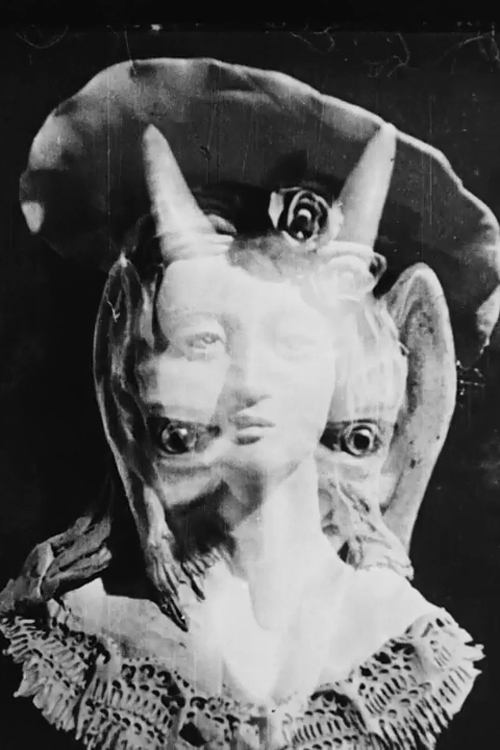
Stop-motion animation of putty modeling itself into faces.
Animated Putty
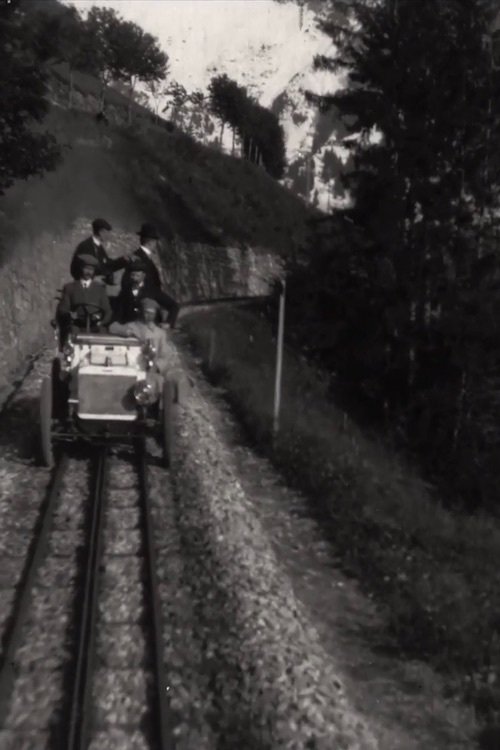
Filmed on a mountain railway from Caux to Rochers de Naye, Switzerland. Originally filmed in 68mm. The film was advertised as being available in 'standard Edison gauge' (35mm) at a total length of 620ft, which included both ascent and descent. The surviving combined 35mm footage (from 68mm originals) equals 519ft.
Captain Deasy's Daring Drive, Descent
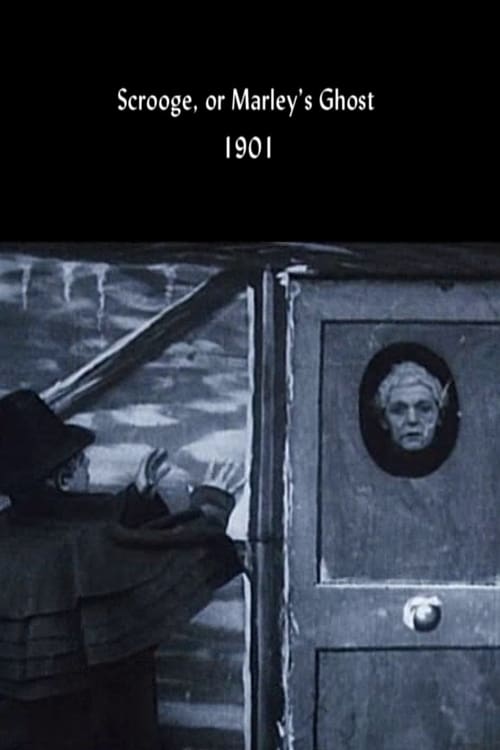
Filmed in 35mm and in black and white, this short silent film was produced by the English film pioneer R. W. Paul, and directed by Walter R. Booth and was filmed at Paul's Animatograph Works. It was released in November 1901. As was common in cinema's early days, the filmmakers chose to adapt an already well-known story, in this case A Christmas Carol by Charles Dickens, in the belief that the audience's familiarity with the story would result in the need for fewer intertitles. It was presented in 'Twelve Tableaux' or scenes.
Scrooge; or Marley's Ghost
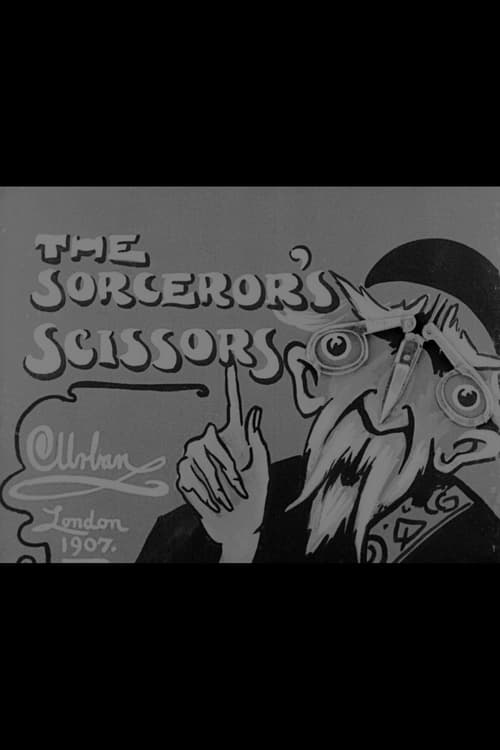
A mix of spectacle, animation and dance, the film reveals an early delight in the potential for creative fun with film form. Its director, Walter R. Booth had been described as making British films which attempted to out-Méliès Méliès.
The Sorceror's Scissors
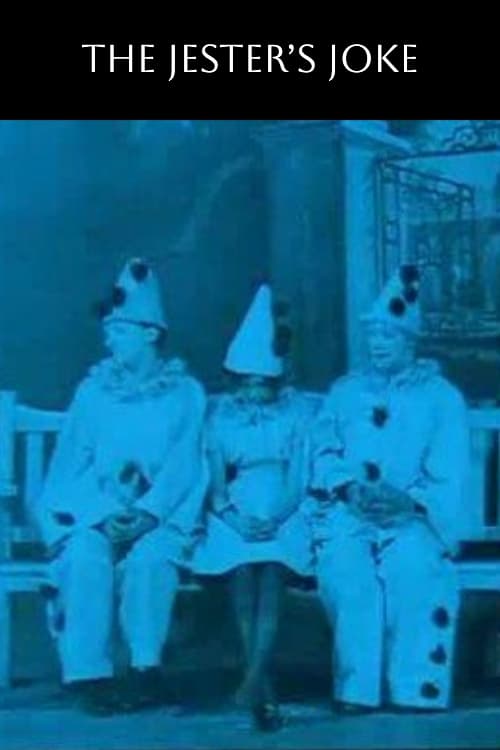
A cheeky female jester uses the smoke of her cigarette to make things appear and disappear. After showing her talents by playing with a chair or a dog, she lets clowns appear; one female, and two male. The male clowns fight each other over the girl who gets changed over and over again by the jester.
The Jester's Joke
It might not take you long to cotton on to the trick of this film, but the results are still impressive. Though the various strings, wools and embroideries if this film are certainly animated in one sense, it is not through stop-motion animation. The time-consuming process of manipulating threads frame-by-frame is avoided by simply using reverse film techniques.
Animated Cotton
Here we present a picture that simply convulses an audience with laughter. The scene opens in the bedroom of a hotel. A traveler appears, evidently a "little worse for wear." After stretching and yawning, he proceeds to disrobe. He throws off his coat and vest, but to his surprise and anguish, he suddenly finds himself clothed in a continental uniform. He throws this off in anger, but immediately a policeman's costume flies on him. This is in turn thrown aside in great rage and he finds himself clothed in a soldier's uniform. At last, thinking himself successful, he makes for the bed and finds a skeleton complacently resting on his pillow. The bed suddenly disappears, leaving him seated on the floor, and great quantities of bed clothes rain down from the ceiling. The picture ends leaving the audience simply convulsed in laughter. (Edison Catalog)
Undressing Extraordinary
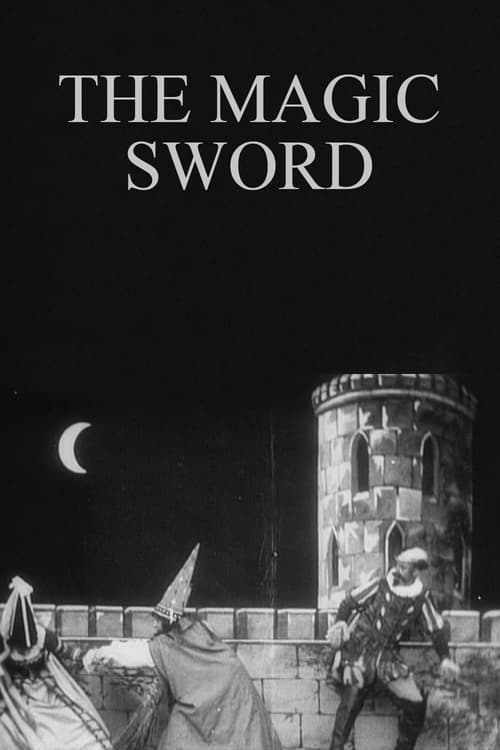
On the roof of an ancient palace appear a young Knight and his lady. While they are making love an ugly old witch appears and is rather troublesome. The Knight commands her to leave, and when he is about to force her away she sits on her broom and rises to the moon. After disappearing she causes various hob-goblins to haunt the pair, the last of them stealing away the lady while the Knight's back is turned. The Knight, frantic with grief, is suddenly confronted by a Fairy, who presents him with a magical sword, and tells him that he can use it to regain the young woman.
The Magic Sword
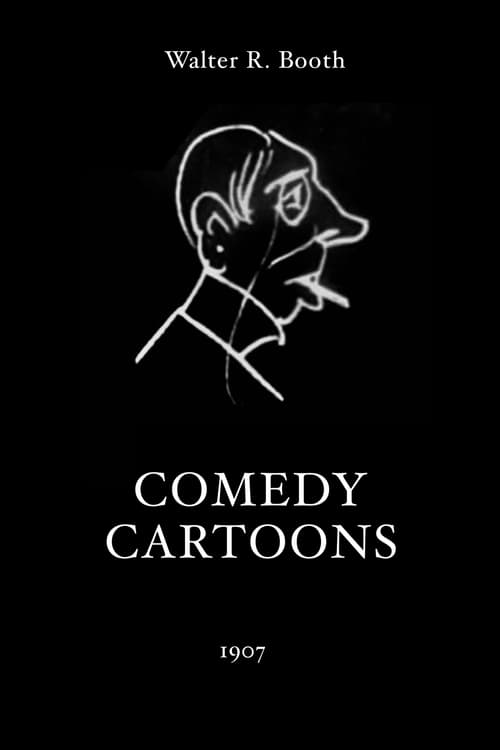
The artist is presented, with his board: his only appearance. The hand rapidly outlines a human head, into the chalky jaws of which it inserts a cigarette. The chalk head smokes, and finally eats, the cigarette. The head of a woman is drawn, which gradually fills and becomes undoubtedly human. —Urban-Eclipse catalogue
Comedy Cartoons
Animated film featuring the hand of Walter R. Booth drawing a coster and his donah who come to life and dance. The hand then crumples up the paper and dispenses it in the form of confetti. (BFI)
The Hand of the Artist
A robot chauffeur takes a newly married couple on their honeymoon to the planet Saturn and then on a trip under the sea.
The Automatic Motorist
A magician performs tricks. First with a top hat, then with his audience.