FEEL IT.STREAM
?

Arthur Elton

Directing

Biography

Sir Arthur Hallam Rice Elton, 10th Baronet (10 February 1906 – 1 January 1973) was a pioneer of the British documentary film industry.

Known For

A Welcome to Britain
7.0

An uncredited Anthony Asquith is one of the directors of this WWII film (a joint UK/US production) which aims to explain British culture and character to the newly arrived American soldier. Starting with the ubiquitous pub visit, the film breezes through geography lessons, food and entertainment on the Home Front.

A Welcome to Britain

1943
Industrial Britain
5.6

Grierson set out to make "propaganda," and this film--with it's voice-over proclaiming the great value of the British industrial worker, without a hint of ambiguity or doubt--fits that category well. The authoritatarian narrator feels out-of-date and unsophisticated, but the footage is well shot and interesting, and the transparency of the propaganda aspect is almost a reflief at a time when so many films have hidden agendas.

Industrial Britain

1931
The Rich Slave
8.0

No description available.

The Rich Slave

1921
No image
N/A

An intricate and richly detailed observation of every step in the making of an aircraft engine.

Aero-Engine

1933
Housing Problems
6.1

The problem of slum dwellings in the 1930s.

Housing Problems

1935
Religion and the People
N/A

Documentary by Andrew Buchanan illustrating a time when faith lay at the heart of the British Experience.

Religion and the People

1940
No image
7.5

An Englishman and Frenchman sharing a hotel room discover their children are fighting on the same side, French Resistance and R.A.F.

Two Fathers

1944
No image
N/A

Story of salmon fishers and the methods they use; captures the migration of salmon up a Highland river for spawning.

Upstream

1932
No image
N/A

Edgar Anstey and Arthur Elton’s sponsored documentary on Britain’s malnutrition crisis, blending expert testimony (Julian Huxley, J. B. Orr, A. V. Hill/Gowland Hopkins) with school-meal scenes and simple charts to link low income to poor diets and argue for “protective” foods and public provision. Commissioned by the gas industry, it plays like a brisk scientific lecture-film that helped push nutrition into public debate.

Enough to Eat?

1936
Tomorrow Is Theirs
N/A

Tomorrow is Theirs examines provisions for secondary school education during the war, arguing for the importance of maintaining excellent, thorough schooling in spite of wartime obstacles.

Tomorrow Is Theirs

1940
John Atkins Saves Up
N/A

Combining a whimsical romantic tale, practical information about the Post Office Savings Bank, and a gently experimental film-making technique, this film entertainingly depicts some of the prospects opened up by having a savings account.

John Atkins Saves Up

1934
No image
6.0

A BAFTA special award nominated documentary following the post-war construction of an immense oil refinery near Manchester in the UK.

The Stanlow Story

1952
Air Post
8.0

Shows the workings of Britain's Air Post service.

Air Post

1934
The Oil Field
N/A

How the location and size of an oil field is measured. With animated explanations.

The Oil Field

1954
The Detection of Mineral Oil
9.0

Documentary on oil exploration, the phase before drilling.

The Detection of Mineral Oil

1954
No image
N/A

An early documentary film, sponsored by His Master's Voice, making it the first example of industrial sponsorship of a documentary film.

The Voice of the World

1932
No image
N/A

Captures the consumption of gas by various large kitchens in London, during a particular dinner hour.

Dinner Hour

1935
Shadow on the Mountains
6.0

Shadow on the Mountains (Arthur Elton, 1932) is a classic English pastoral, with impressionistic views of the English countryside as it expounds the virtues of farming and shepherding.

Shadow on the Mountains

1931
Workers and Jobs
N/A

Public information film aimed at the unemployed, commissioned by the Ministry of Labour.

Workers and Jobs

1935
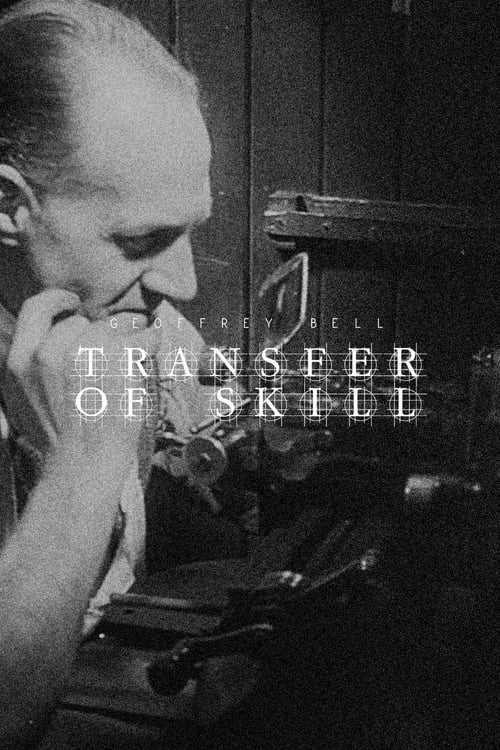
Transfer of Skill
8.0

Short World War II documentary showing examples of how skilled craftsmen of peacetime apply their skills to essential wartime production.

Transfer of Skill

1940