FEEL IT.STREAM
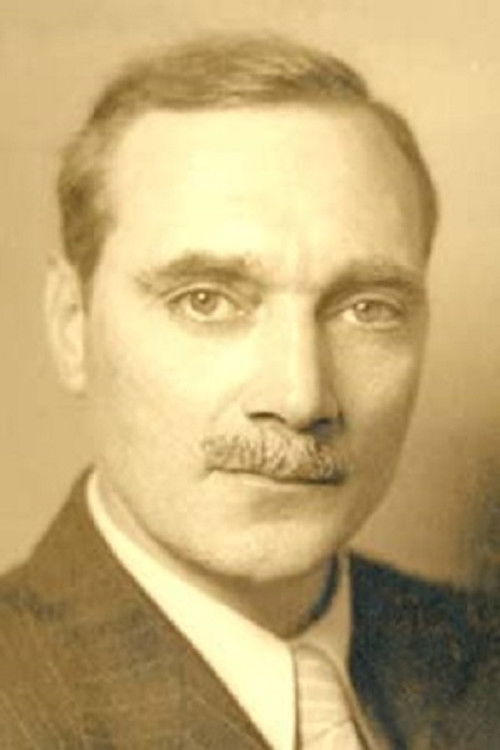
John Grierson

John Grierson

Production

Biography

John Grierson (1898–1972) was a pioneering Scottish filmmaker and producer who shaped the documentary film movement, earning recognition as the father of British and Canadian documentary cinema. He famously coined the term "documentary" in 1926 and championed the idea that film should serve as a tool for social education and reform. As the driving force behind the British documentary movement, he founded the GPO Film Unit, which produced groundbreaking works like Night Mail (1936), and later played a key role in establishing the National Film Board of Canada (NFB) in 1939, turning it into one of the world's most influential documentary institutions. Grierson’s vision and advocacy for documentary as a vehicle for public service and civic engagement left a lasting legacy on global nonfiction filmmaking.
Known For

Miss Robin Hood
8.1

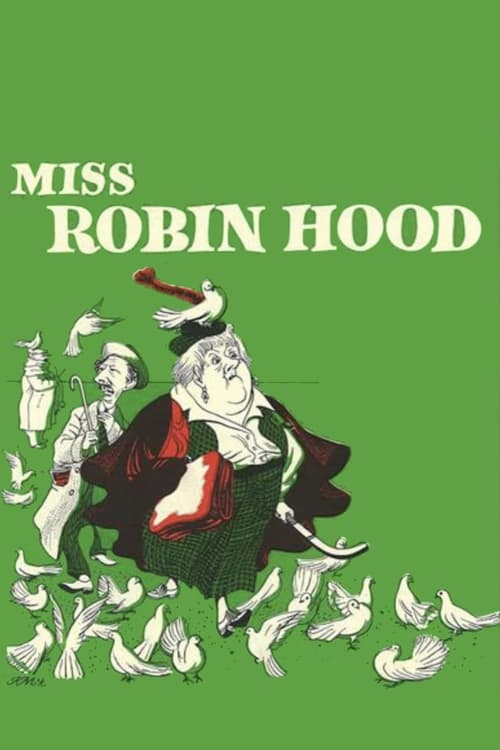
In this delightful fantasy adventure, a mild-mannered writer of adventure stories for girls finds himself presented with an intriguing proposition from an elderly fan. She suggests that they conspire to steal a secret whiskey formula from ruthless distillers, who themselves stole it from her family in years gone by. With the recipe back in hand however, it's not long before they attract attention from the Inspectors of Scotland Yard.

Miss Robin Hood

1952
The Oracle
6.0

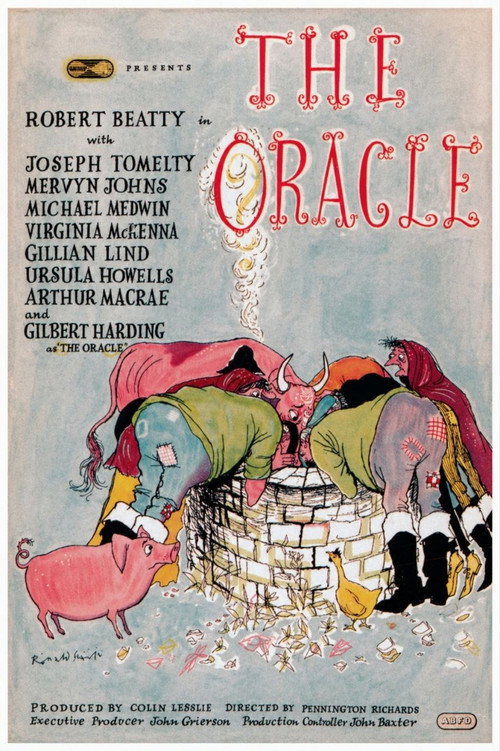
An Irish "oracle" foretells the next day's track results to a newspaperman, resulting in a national uproar.

The Oracle

1953
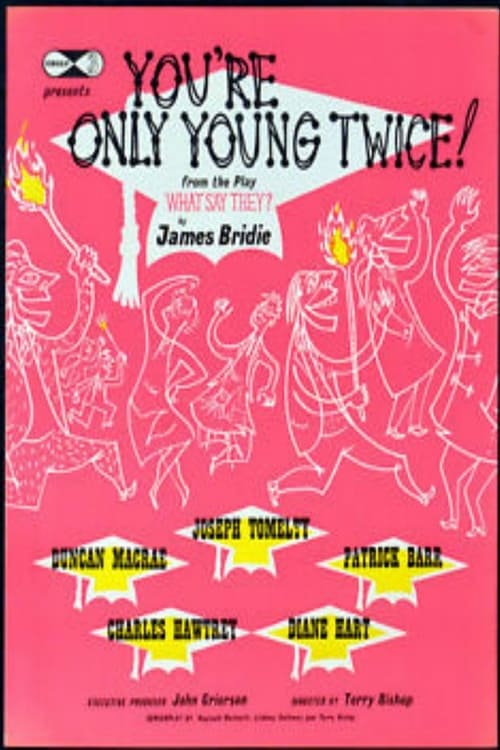
You're Only Young Twice!
6.1

Ada Shore (Diane Hart) arrives at Skerryvore University in Scotland in search of her long-lost uncle Connell O’Grady (Joseph Tomelty), who was once a subversive Irish poet but is now working under an assumed name as a University porter. Ada is mistaken by Principal Archibald Asher (Patrick Barr) as his new secretary, and she goes along with the impersonation. Archibald and Ada fall in love, which incurs the disapproval of the puritanical Professor Hayman (Duncan Macrae).

You're Only Young Twice!

1952
BBC: The Voice of Britain
N/A

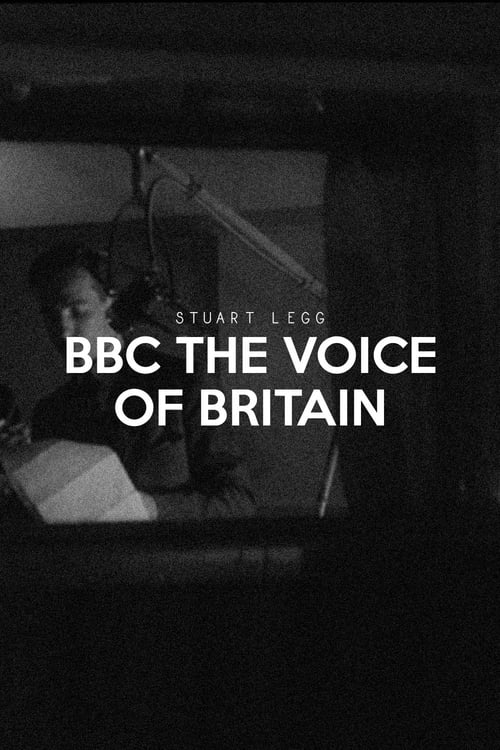
A behind-the-scenes GPO Film Unit documentary (directed by Stuart Legg) that races from studio rehearsals and newsrooms to control rooms and transmitters, weaving speeches, music, and outside broadcasts—featuring voices like H. G. Wells and Ramsay MacDonald—into a kinetic portrait of how the BBC’s national “voice” is made.

BBC: The Voice of Britain

1935
No image
N/A

The life and work of the documentary pioneer.

Documenting John Grierson

2014
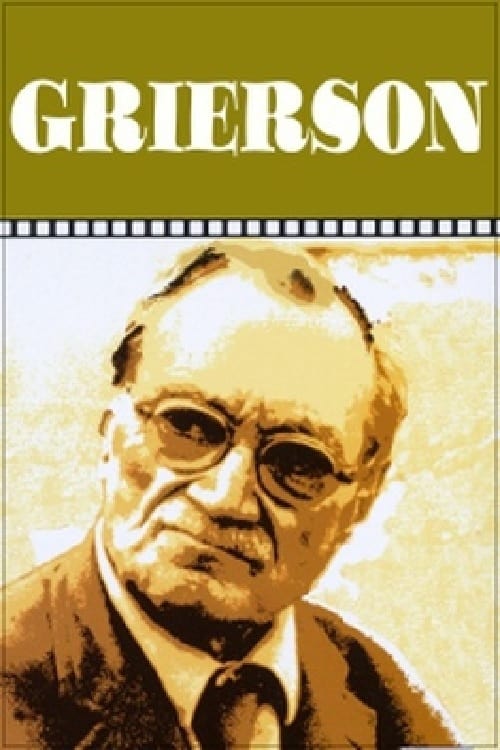
Grierson
7.3

A portrait of John Grierson, the first Canadian Government Film Commissioner and founder of the National Film Board in 1939. Interweaving archival footage, interviews with people who knew him and footage of Grierson himself, this film is a sensitive and informative portrait of a dynamic man of vision. Grierson believed that the filmmaker had a social responsibility, and that film could help a society realize democratic ideals. His absolute faith in the value of capturing the drama of everyday life was to influence generations of filmmakers all over the world. In fact, he coined the term 'documentary film'.

Grierson

1973
A Return to Memory
N/A

When Canada entered World War II, the National Film Board suddenly had an urgent new mission—and hundreds of women stepped forward, helping to create Canadian cinema as we now know it.

A Return to Memory

2024
Night Mail
6.2

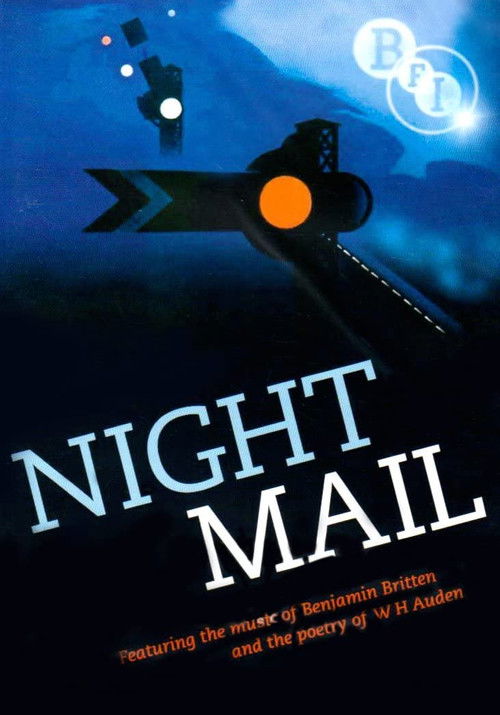
This documentary short examines the special train on which mail is sorted, dropped and collected on the run, and delivered in Scotland on the overnight run from Euston, London to Glasgow.

Night Mail

1936
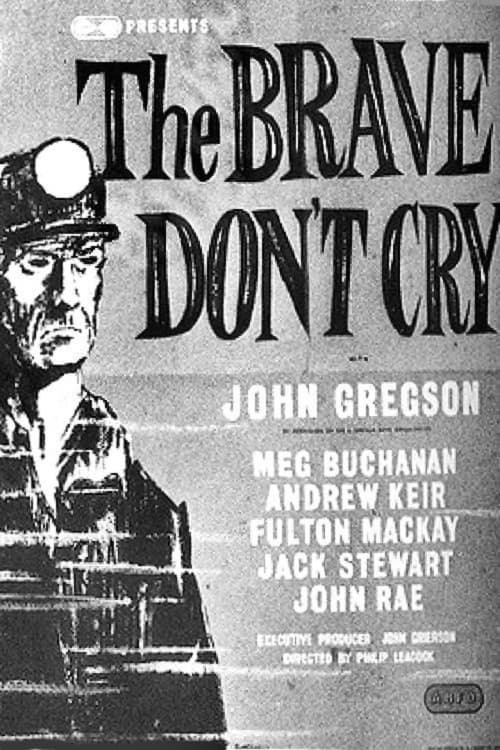
The Brave Don't Cry
6.0

At Balloch Moss mine in Scotland, water comes through a seam bringing a torrent of mud into the mine and flooding the pit shaft, resulting in 118 men being trapped, with nine missing. The only means by which the rescue team can bring the men out is through some old abandoned workings which are now full of gas and thus will cause delays in any rescue attempt.

The Brave Don't Cry

1952
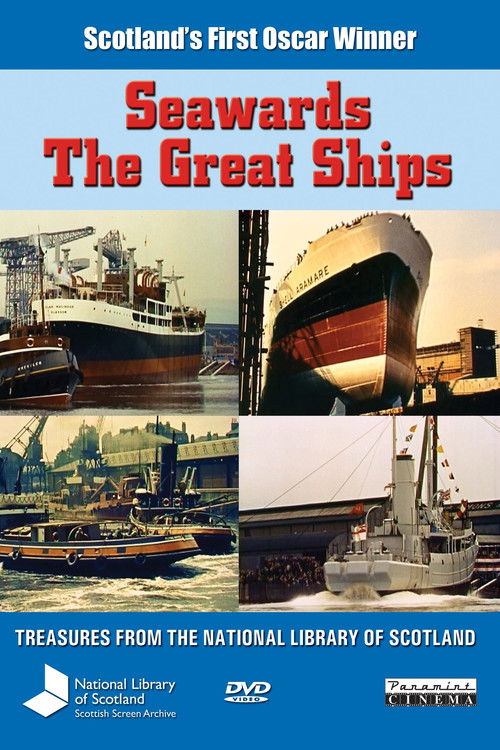
Seawards the Great Ships
7.1

Documentary about shipbuilding on the Clyde. In 1960, Glasgow and other towns and ports on the River Clyde, on the west coast of Scotland, were still one of the world's great centres of shipbuilding. The film gives an idea of the business of building a ship - the largest moving thing made by man - from the naval architects who design her to the workmen, the shipbuilders in the yard, through to a ship's launching.

Seawards the Great Ships

1960
Man of Africa
7.0

Filmed in Uganda, Man of Africa was assembled by legendary documentary producer John Grierson. The film depicts the mass migration of the Bakija and Batwa tribes to a new territory after the natural resources of their native soil has been depleted. The pro-ecological message is always present, but never so much as to degenerate into fatuous speechmaking. As a means to introduce the semblance of a plot, writer/director Cyril Frankel concentrates on the trials and tribulations of clerk-cum-farmer Jonathan (Frederick Bijurenda) and his native sweetheart Violet (Violet Mukabuerza). Print quality in Man of Africa varies from adequate to murky.

Man of Africa

1953
No image
N/A

Part of BFI collection "Police and Thieves."

Four Men in Prison

1950
Industrial Britain
5.6

Grierson set out to make "propaganda," and this film--with it's voice-over proclaiming the great value of the British industrial worker, without a hint of ambiguity or doubt--fits that category well. The authoritatarian narrator feels out-of-date and unsophisticated, but the footage is well shot and interesting, and the transparency of the propaganda aspect is almost a reflief at a time when so many films have hidden agendas.

Industrial Britain

1931
No image
6.0

A boy pursues his ambition to be a jockey

Devil on Horseback

1954
Drifters
5.9

A silent film by John Grierson. It tells the story of Britain's North Sea herring fishery.

Drifters

1929
No image
6.7

Norman McLaren was a cinematic genius who made films without cameras, and music without instruments. He produced sixty films in a stunning range of styles and techniques, collecting over 200 international awards, and world recognition. In Creative Process, director Donald McWilliams demystifies the process of artistic creation. Drawing on McLaren's private film vaults, a gold mine of experimental footage and uncompleted films, McWilliams explores McLaren's methods, including his celebrated "pixillation" technique, and his daring forays into animated surrealism.

Creative Process: Norman McLaren

1990
No image
10.0

A Cockney lad trains to be a messenger boy.

A Job in a Million

1937
North Sea
6.0

Drama-documentary, reconstructing a real incident in which a trawler got into difficulties in a North Sea storm. Released 7th March 1938.

North Sea

1938
The Song of Ceylon
6.3

Ambitious documentary chronicling the cultural life and religious customs of the Sinhalese and the effects of advanced industrialism on such customs.

The Song of Ceylon

1934
Herlock Sholmes in Be-a-Live-Crook
10.0

In this parody of Sherlock Holmes, the Great Detective goes to an opium den of inequity in the dangerous London district of London and challenges Tong assassins in order to rescue a woman.

Herlock Sholmes in Be-a-Live-Crook

1930