Production
Edgar Anstey OBE (16 February 1907 – 26 September 1987), was a leading British documentary filmmaker.
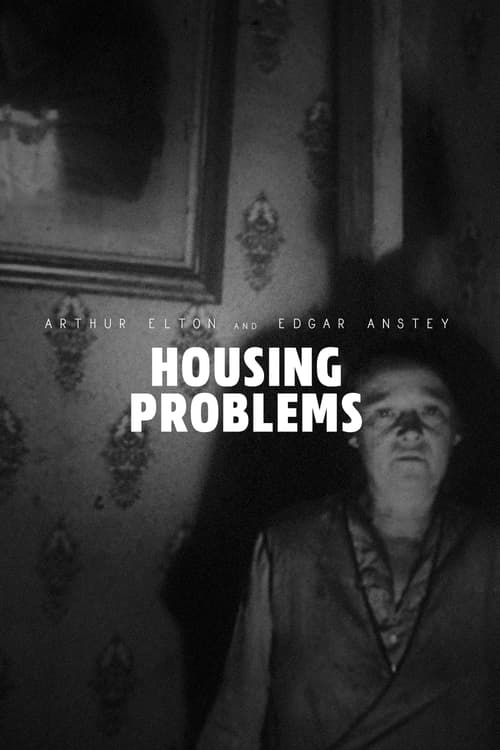
The problem of slum dwellings in the 1930s.
Through the forward-looking windows of the new diesel multiple-unit trains reveals a new world of signs, signals and railway sights to those who ride behind the driver. For children, particularly, find this is a fascinating experience. This film communicates something of their excitement and wonder as well as some of the wry, un-conscious humour with which their pertinent and amusing questions and comments are so often interlerded.
Twenty-four hours in the story of the British Railways Channel ferryboats, the 'link spans' directly joining the roads and railways of Britain with those of France and all the Continent. The Lord Warden laden with an assortment of road vehicles from Dover, and the Night Ferry from Newhaven carrying passengers bound for Paris, Vienna or Rome are two of the ferries illustrated in this film; and freight is not forgotten.
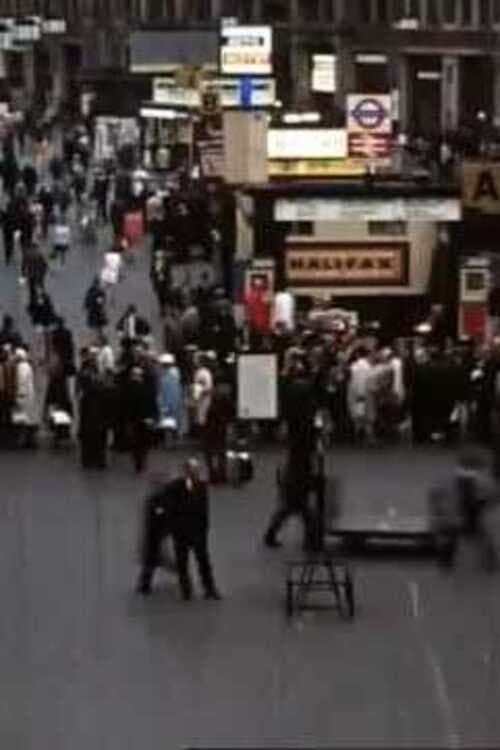
Time lapse photography shows the swarm of commuters at London Waterloo station racing about at top speed.
Packaged holidays for the elderly: a party of 'senior citizens' (60-plus) on a holiday which includes a special train from Newcastle to the Isle of Wight.
Captures the consumption of gas by various large kitchens in London, during a particular dinner hour.
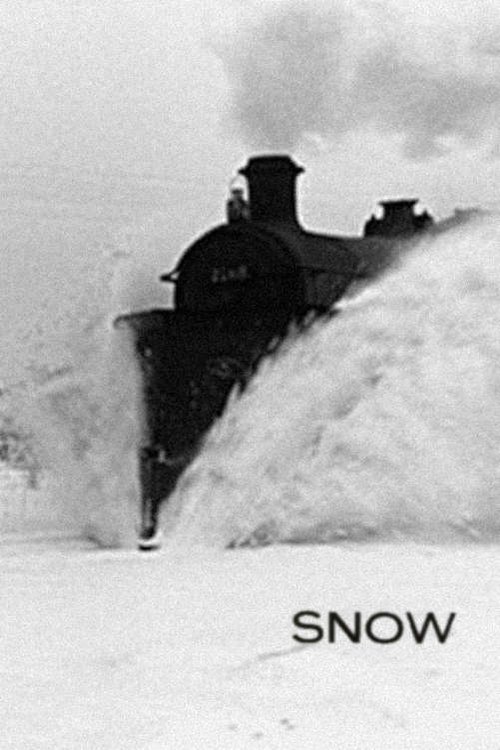
Comprising train and track footage quickly shot just before a heavy winter's snowfall was melting, the multi-award-winning classic that emerged from the cutting-room compresses British Rail's dedication to blizzard-battling into a thrilling eight-minute montage cut to music. Tough-as-boots workers struggling to keep the line clear are counterpointed with passengers' buffet-car comforts.
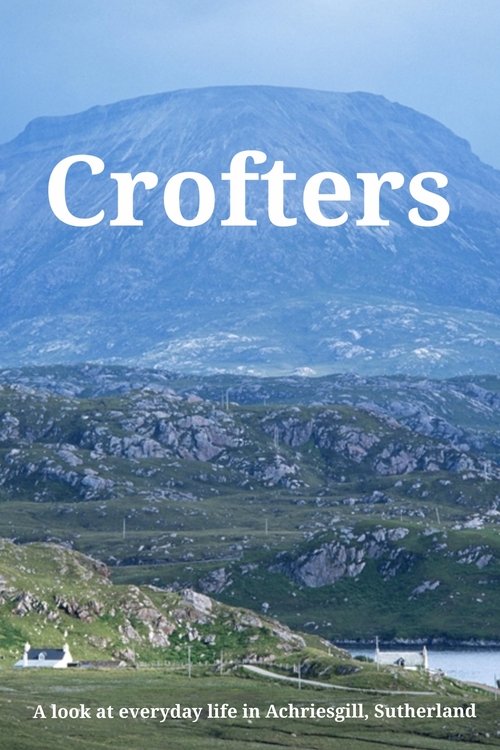
A look at everyday life in the crofting community of Achriesgill in Sutherland.
Two keen hostelling youths, Ken Moody and Brian Cotton, convert a boat in their native Selby into a youth hostel, and get the chance to air their views on the direction that hostelling is taking in the mid-1960s.
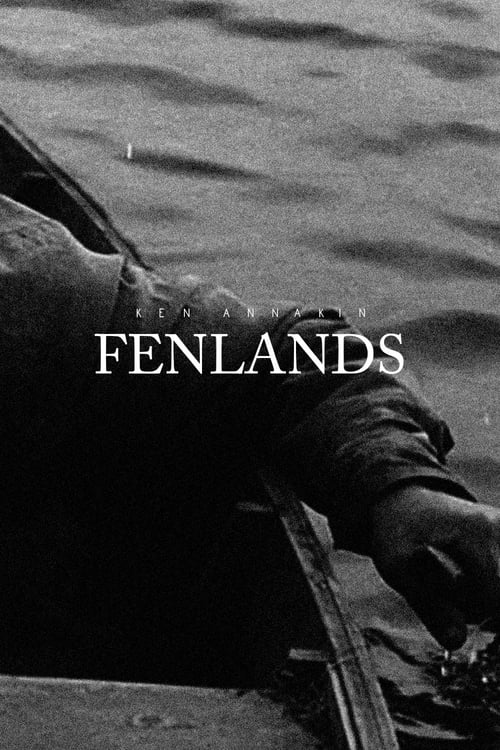
A look at life in the Fenlands (a coastal, marshy plain in eastern England) in 1940's.
Newsreels from the '30s constitute the bulk of this fascinating documentary, clearly illustrating that the public was fed an extremely biased view of events: straight propaganda, the stricture to provide entertainment, and the attempt to be objective all contributing to this. Lewis and producer Elizabeth Taylor-Mead have constructed their argument well, but it is Jonathan Dimbleby's brief comments towards the end that contain the crucial lesson: forty years on, the same forces work to distort our view of Northern Ireland. The film only indicates this to be the case, but it is precise and coherent enough to make the point with considerable force.
In the Hull Docks, the steamer S.S. Bravo arrives from Gothenburg with cargo.
A British documentary on tunneling if a building falls in ruins.
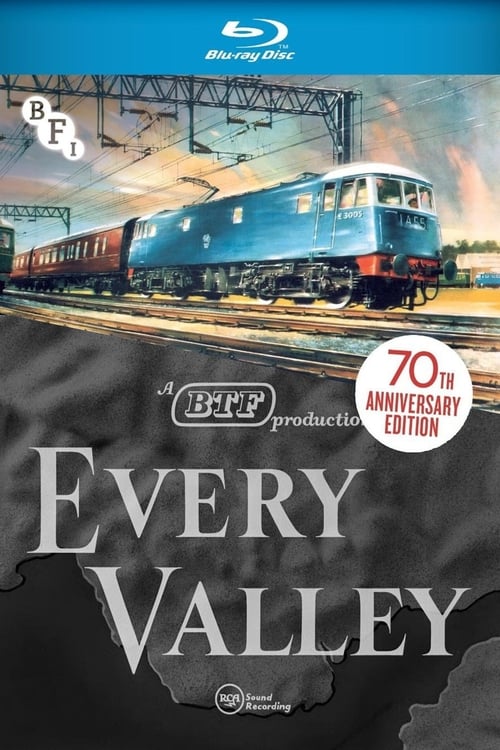
A look at the transport system in the South Wales Valleys and how it effects peoples livelihoods and everyday lives.
One of four wartime farming films showing the four seasons in 1941 and 1942, Winter on the Farm was made at Upton Manor Farm, Uploders, Dorset, and shows the hard work of winter which must go on in all weathers.
A documentary looking at a day at Croydon Airport south of London.
Intended as a sales tool for manufacturers, this short film details the production installation and maintenance for long welded track in use on British Railways.
A cheerful and very colourful pastiche of live action with combined graphics set to the music of Muir Mathieson. This film typifies the image British Rail was keen to transmit during the early part of the 1970s. It marked the start of the age of the train, when 100mph running became standard and travelling inter-city took you from 'city to city - heart to heart'.
A light and somewhat satirical look at the problems and pleasures of Continental holiday travel. A passenger on the Hook Continental Express from Liverpool St. imagines the possible destinations of his fellow passengers.
There have been railways in this country for over three hundred years. In the nineteenth century, railways spread across Britain and changed the geography, history, economy, and the life of a nation, but already there existed primitive railways for moving coal and other minerals from the pits and quarries to navigable water and roads. This film scans the present and the past to show those economic principles governing the early railways have been rediscovered as a basis for modern freight trains.