
João Rui Guerra da Mata
Directing
Biography
João Rui Guerra da Mata was born in Lourenço Marques, Mozambique. He teached Art Direction at the Lisbon Film School from 2004 to 2011. In 1997 he co-starred in the short PARABÉNS!, directed by João Pedro Rodrigues, that won the Special Jury Mention at the 54th Mostra di Venezia. As an Art Director, he worked in several features and shorts, notably the ones directed by João Pedro Rodrigues, whose films he also co-scripted. This collaboration lately evolved to co-direction, namely in the shorts CHINA, CHINA (2007) – 39th Directors’ Fortnight, Cannes; Best Short Film and Audience Award, Belfort Film Festival and ALVORADA VERMELHA (2011) – Best Portuguese Short Film, IndieLisboa Film Festival; international premiere at Locarno Film Festival. O QUE ARDE CURA (2012) is his debut solo film.
Known For
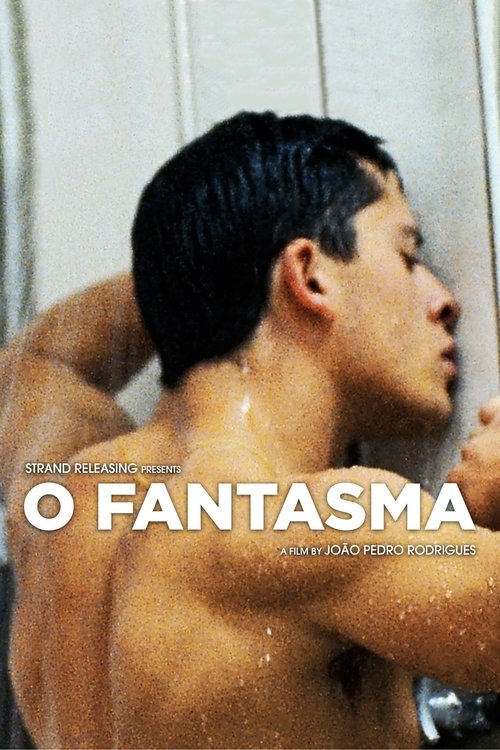
Sergio is a brooding, alienated man who works as a trash collector in Lisbon by day and roams the city streets by night seeking rough, anonymous sex with men. One night he meets a man who seems to be the embodiment of his tormented fantasies, and he becomes obsessed with the stranger until loneliness and unfulfilled desire propel him finally into a dark and dangerous animalistic state.
O Fantasma
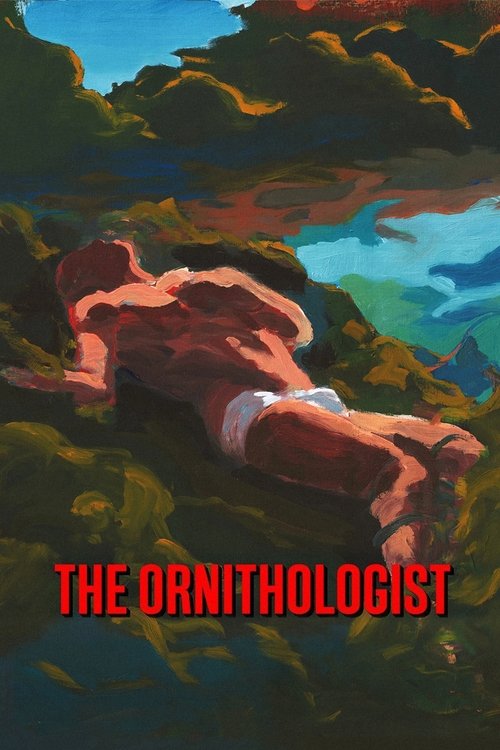
Stranded along a sublime river fjord in northern Portugal, an ornithologist is subjected to a series of brutal and erotic Stations-of-the-Cross-style tests.
The Ornithologist
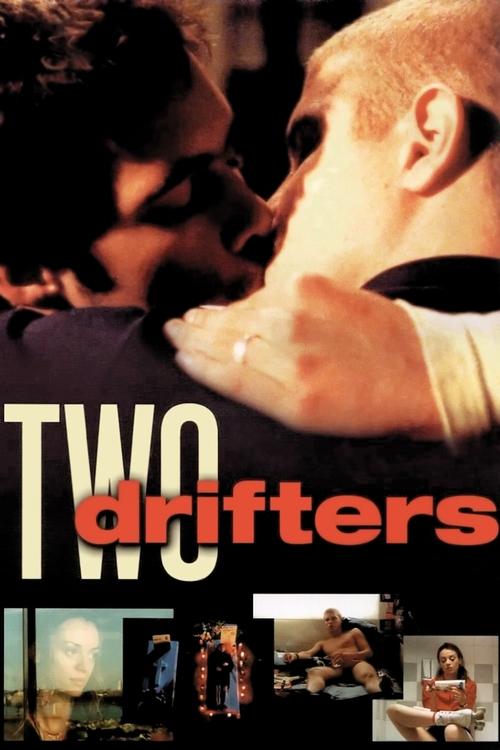
After breaking up with her boyfriend, a woman named Odete descends into madness and claims to be pregnant with the child of her neighbour Pedro, who died in a car crash and is mourned by his boyfriend Rui.
Two Drifters
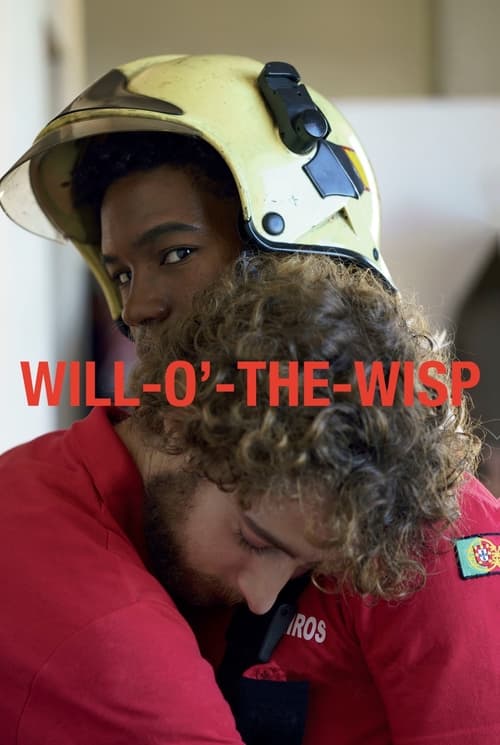
On his deathbed, His Majesty Alfredo, King without a crown, is taken back to distant youth memories from the time when he dreamt of becoming a fireman. His encounter with instructor Afonso from the fire brigade, opens a new chapter in the life of the two young men devoted to love and desire, and the will to change the status quo.
Will-o'-the-Wisp
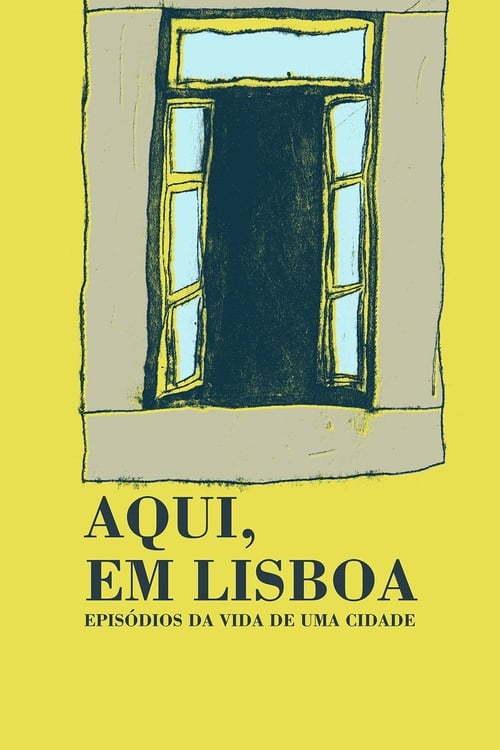
Welcome to Lisbon: there are mermaids by the Tagus and birds flying over the old city; there are mad scientists and singing fish; lost tourist guides and lost tourists; fado and sad guitars. What a weird city you may think - but no. Lisbon is about being different, sarcastic, welcoming to foreigners even in an economic crisis. Different directors became fascinated by our strangeness. We became fascinated by these directors. The city is never the same in these four episodes, here in Lisbon.
Here in Lisbon
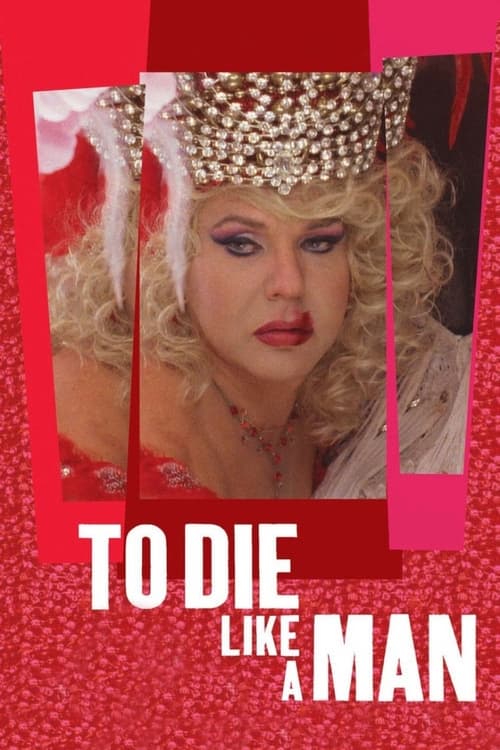
A transgender woman attempts to rehabilitate her younger, drug-addicted boyfriend while also dealing with her ne’er-do-well son, a soldier who’s gone AWOL.
To Die Like a Man
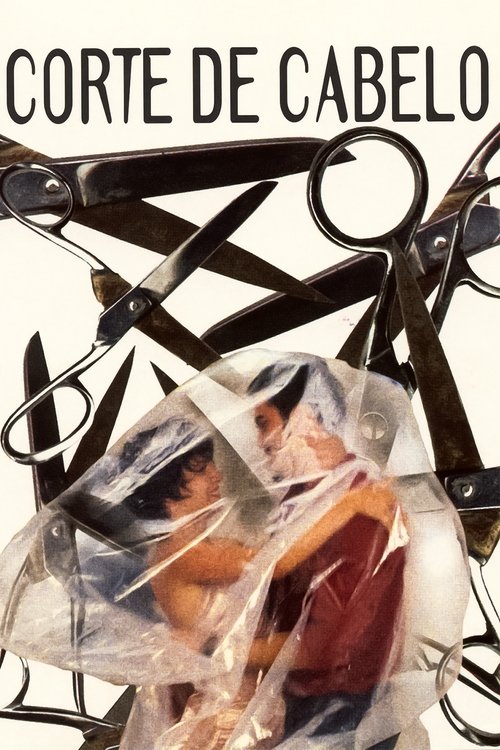
The film is set in Lisbon, and tells the story of a day in the life of Rita and Paulo, a Portuguese young couple of the 90's. The fast changing city around them makes them wish to break with all traditions and live the day the get married (only civil marriage) like it is an ordinary day.
Haircut
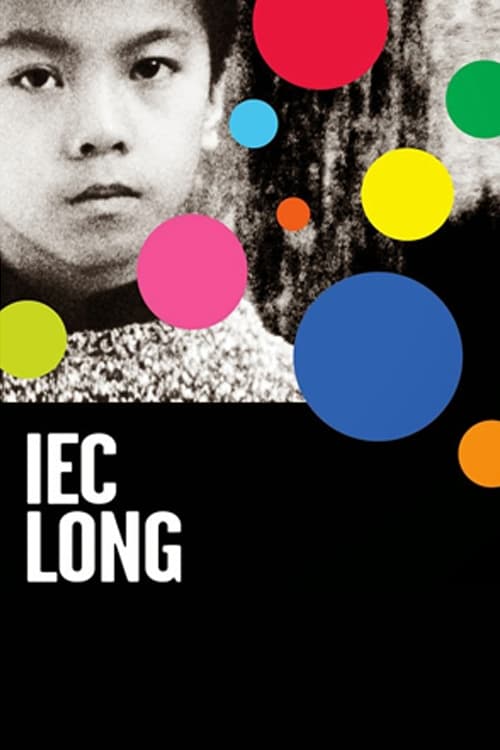
The word panchão was first heard in Macao. From the Chinese pan-tcheong or pau-tcheong, dictionaries define it as a Macanese regionalism also known as China cracker. Who inhabits the ancient IEC Long firecracker factory?
IEC Long
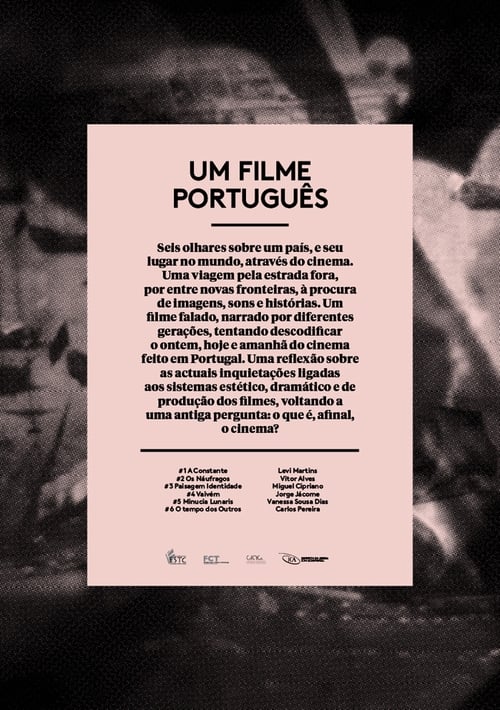
A documentary about the world of portuguese cinema, with interviews with some critics and directors.
A Portuguese Film
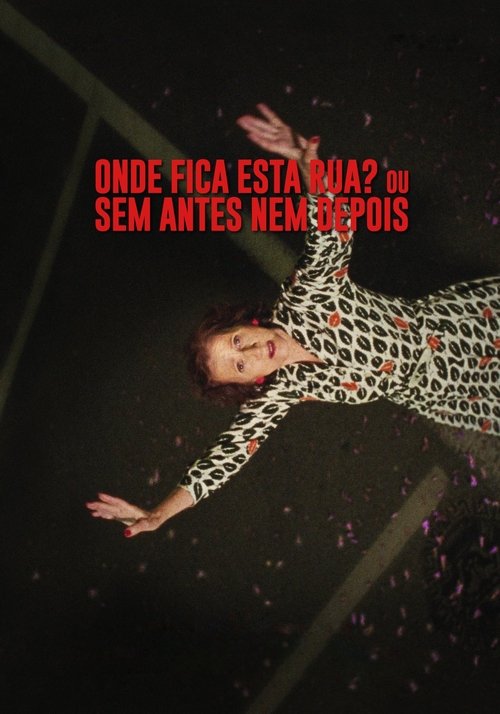
From our window one can see a set of the film The Green Years, directed by Paulo Rocha in 1963. This was our starting point: guided by Rocha's gaze, we look back at the places of that film. The successive geological, urbanistic and social strata of Lisbon, besieged by the pandemic that interrupted the shooting, are drawn out in front of our camera, like a contemporary jazz impro from a score written in 1963.
Where Is This Street? or With No Before or After
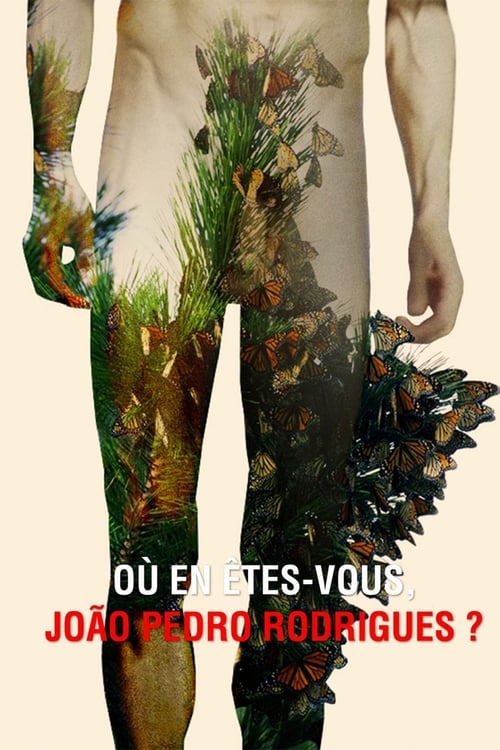
João Pedro Rodrigues answers the question from the title with an autobiographical short-film.
Where Do You Stand Now, João Pedro Rodrigues?
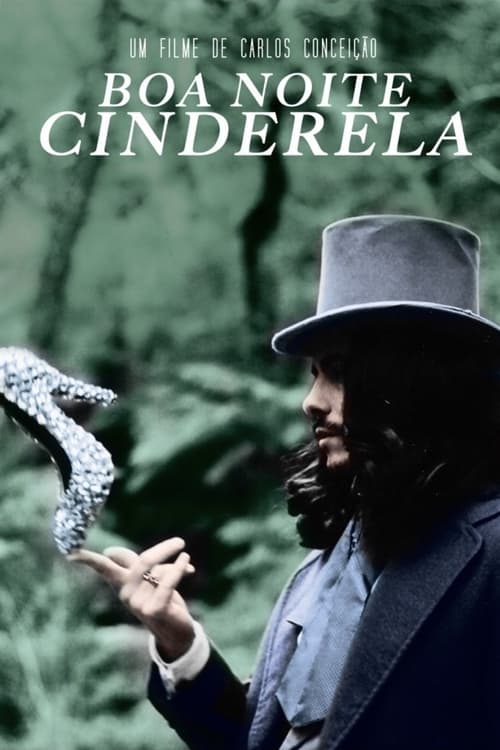
Cinderella escapes at midnight, leaving behind one of her glass slippers. In the days that follow, the gay prince can't give up the idea of completing the pair.
Goodnight Cinderella
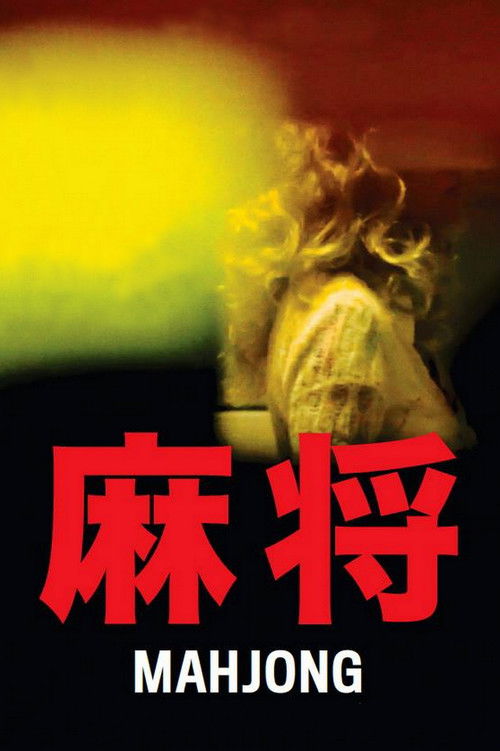
Varziela, Vila do Conde, the biggest Chinatown in Portugal. A man wearing a hat and a missing woman. A high-heeled shoe, a blond wig and a Chinese dress. The confrontation between the East Wind and the Red Dragon; the cardinal points switched as in an ultimate Mahjong game.
Mahjong
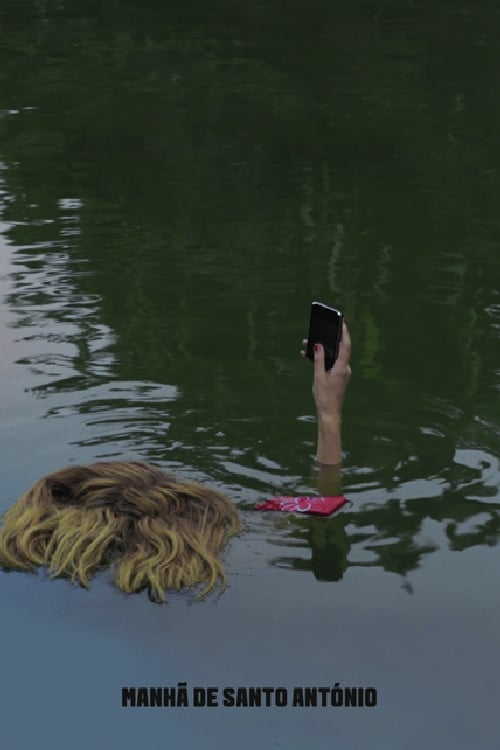
Tradition says that on 13 June, Saint Anthony’s Day (the national holiday of Lisbon’s patron), lovers must offer small vases of basil with paper carnations and flags with popular poems as a token of their love.
Morning of Saint Anthony's Day
After spending his childhood in Macau, Afonso returns to Lisbon during the Carnation Revolution of April 25, 1974. Amidst the country’s upheaval, he navigates an agitated adolescence and experiences a personal revolution - discovering himself and his sexuality.
Afonso's Smile
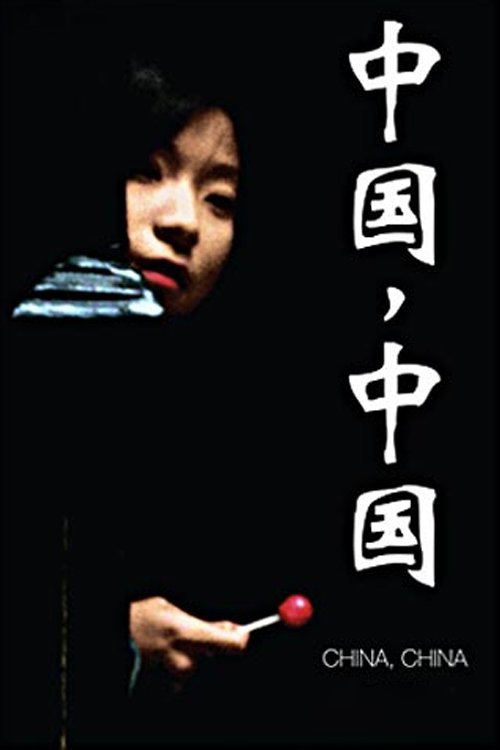
China walks towards the Lisbon district of Martim Moniz. In its wake, the children shout: China! China! China will leave at dawn, will fly away. Just wants to be happy. But drinking her own poison without leaving a drop. Sometimes the air is laden with iniquity and purgatory is a kindergarten...
China, China
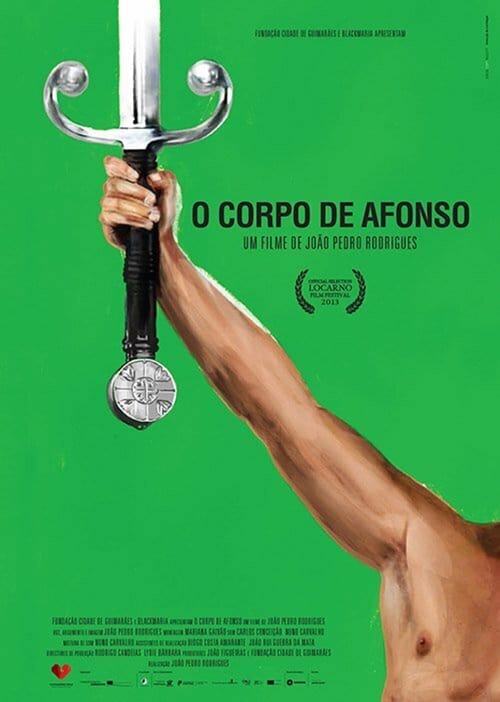
How would it look like, the body of Dom Afonso Henriques, first king of Portugal, tutelary figure, subject to successive mythifications throughout Portuguese history?
The King's Body
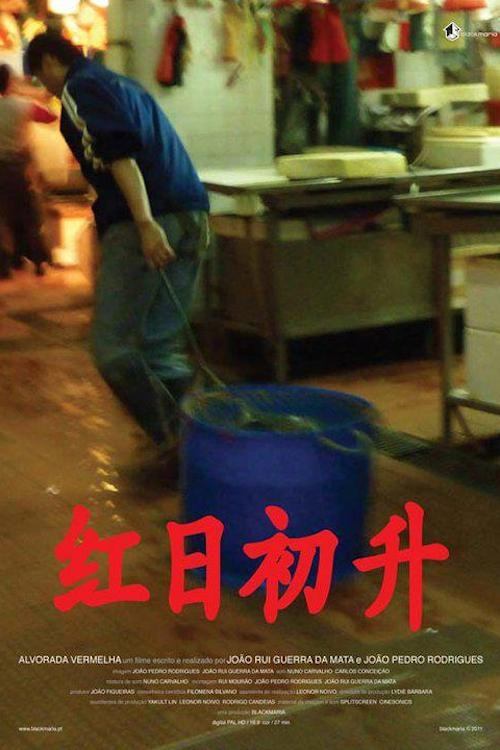
The Red Market in Macao. The red tonalities of blood, flesh, buckets and even of the fish’s eyes, carry the audience into a strange and scary universe but also beautiful and intriguing. Rodrigues and Guerra da Mata’s camera emerges like a driving force giving us the exact balance between what exists and what we see.
Red Dawn
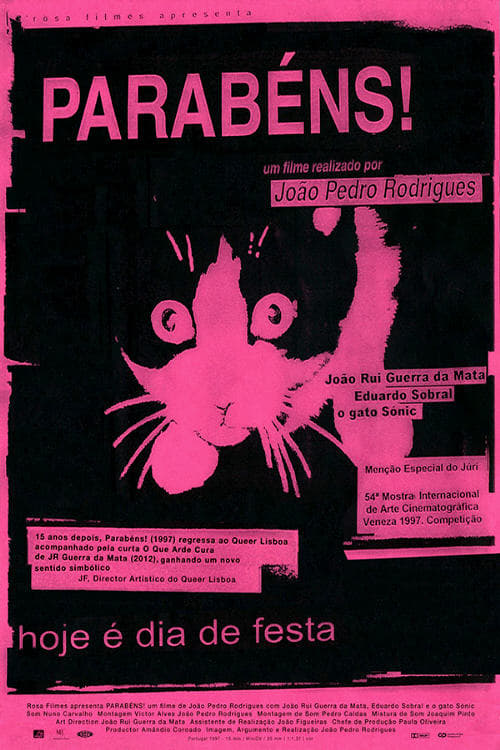
Chico wakes up on his 30th birthday to the sound of his girlfriend singing “Happy Birthday” to him on his answering machine. When João wakes up in bed next to him, he realizes that this is not his typical birthday.
Happy Birthday!
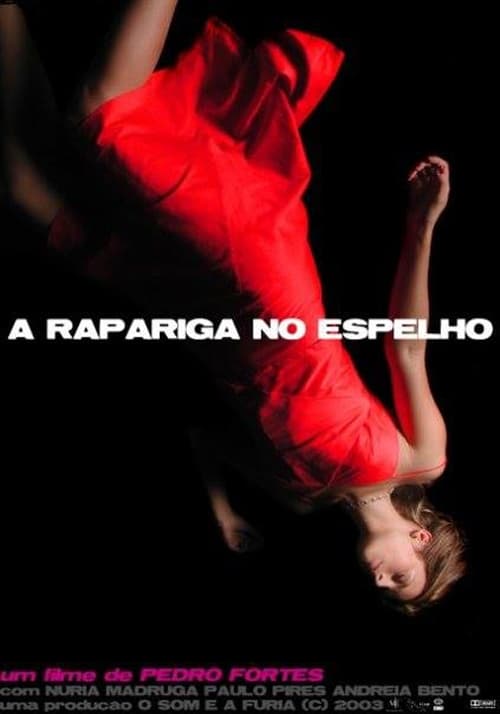
A place where putting red lipstick gives life and a broadcast camera takes it, reclaiming lost girls in endoscopic romances into darkness, where they evaporate, inside empty haute couture dresses.