Mrinal Sen
Directing
Biography
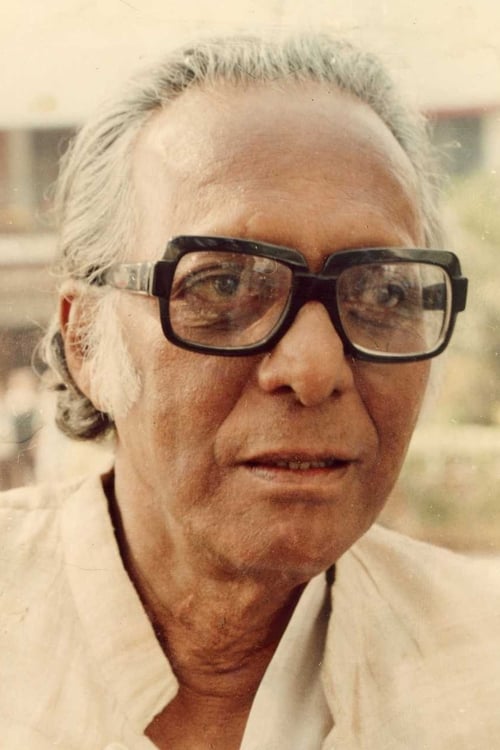
Mrinal Sen entered the world of arts through Indian Peoples Theatre Association (IPTA) in 1943. He made his first film 'Raat Bhor' in 1956. Deeply influenced by the leftist ideology, most of his films deal with socio-political themes and the complexities of life of the urban middle class of Bengal. His second film, 'Neel Akasher Nichey' was banned by the government for two months in 1958. Though he predominantly worked in Bengali cinema, Sen also made films in the Odia, Telugu and Hindi languages. He won the National Award for Best Film four times and his films were screened at various international film festivals that bestowed accolades upon him. Sen also served as a jury member at the Cannes International Film Festival.
Known For

After being accused wrongly of theft, a slightly addled servant runs away to the city, carrying as his only real possession an axe, which he claims to have killed a tiger with. He takes up life among India's throngs of city-dwelling homeless, and for a little while almost has a decent time of it. He has a girlfriend, and one good friend, and gets by through begging and doing odd jobs.
The Man with the Axe

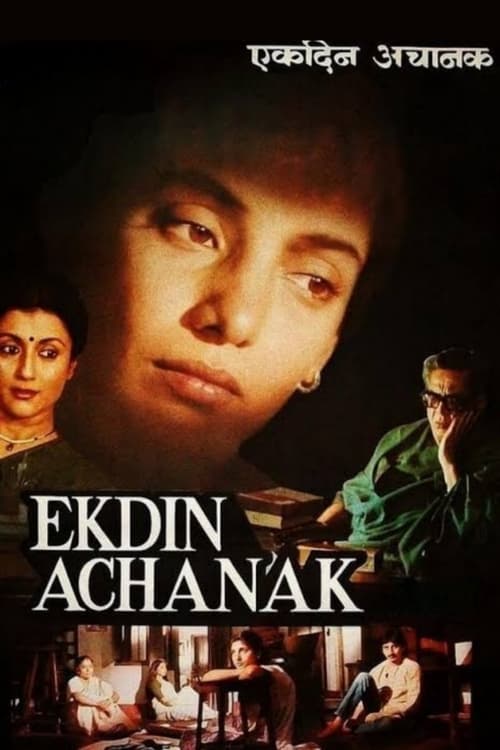
Shasanka is a retired teacher who lives with his wife and two daughters. The family is thrown into an uproar after he goes out for a walk and disappears from their lives. Each member of the family reviews her final hours and days with him to try and discover what, if anything led to his disappearance.
Ek Din Achanak

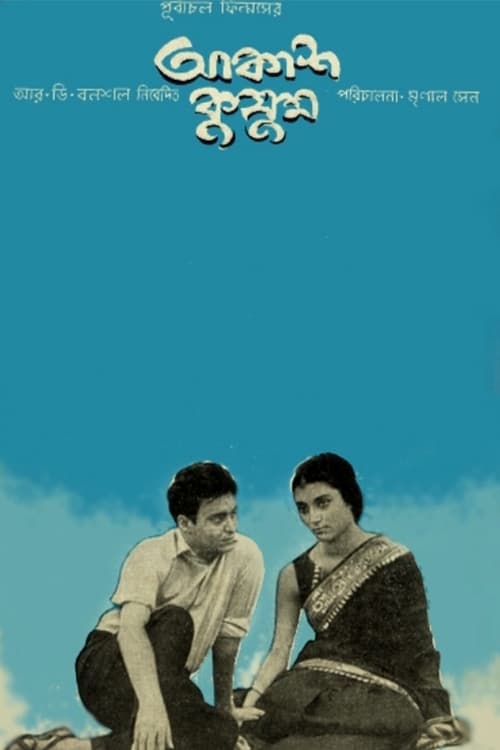
Subhash is a photographer from the city, who has come to take pictures of some old temples and ruins in a village. Ruins fascinate him. While in the village, he gets acquainted with a young woman, Jamini, who has had her heart broken in the past, by another visitor from the big city. Will history repeat itself, or will she find a way out of the ruins at last?
The Ruins

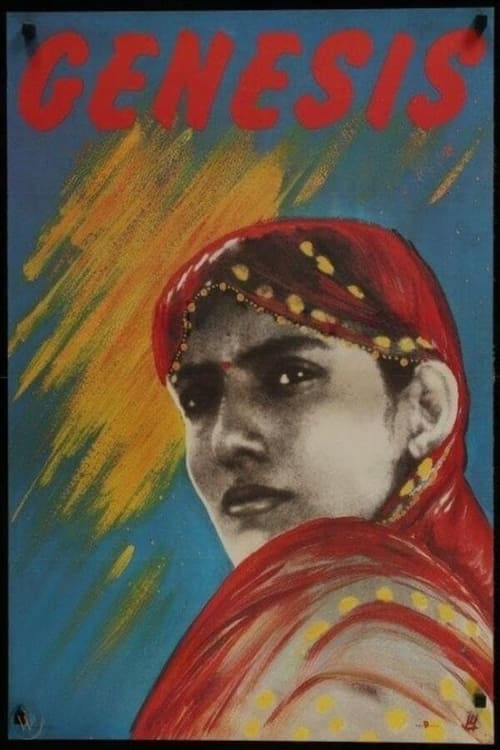
This is a simple, straightforward tale about the rise and fall of human civilization that focuses solely on four characters: a farmer (Naseeruddin Shah), a weaver (Om Puri), a trader (M.K. Raina), and a woman (Shabana Azmi). At the beginning of the story, the workers in a decaying village are offered food and water if they work for the local lords. The farmer and the weaver refuse. The farmer grows food for them both, and the weaver creates textiles that uses to barter with an itinerant trader. One day a frightened, lonely woman arrives on the scene and she is taken in by the two men. She cooks and cleans, and before long becomes a source of contention. Meanwhile, the trader is observing these events from the sidelines.
Genesis

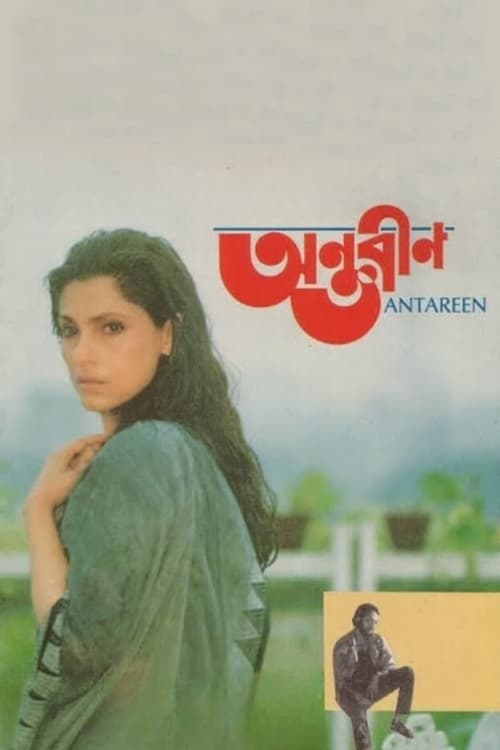
A Naxalite revolutionary escapes police custody and begins to question his beliefs whilst hiding out in a luxury apartment.
The Guerrilla Fighter

A young man still to find a place in the sun puts up an innocent bluff to a young girl he chances upon. They meet frequently since then. Bluffs continue to pile up. There is no way out. In a desperate bid the young man tries to break the wealth barrier. His friend, well placed in life, cautions him. He turns a deaf ear. The inevitable happens. The young man grows wiser but pays heavily for it.
Up in the Clouds

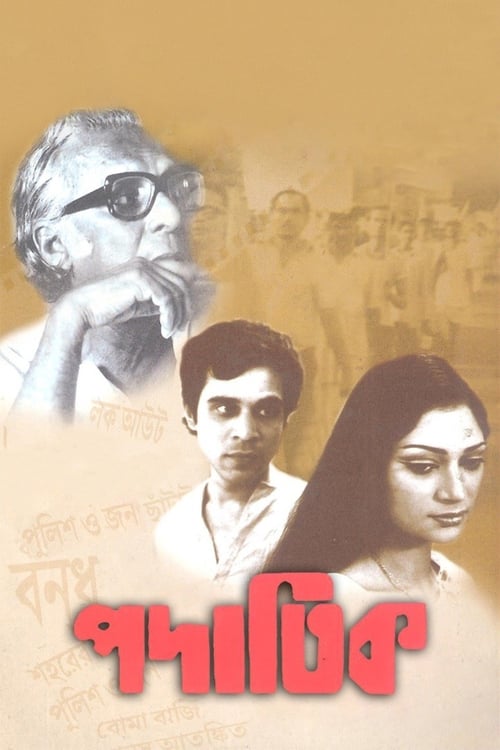
A small company advertises for 100 vacancies and 30,000 apply. The applicants are all from the ranks of the poor and there is a virtual riot. Everyone around is seeking for opportunities. Among them are the applicants who desperately need the job, the photographer who is busy seeking a scoop, the village moneylender who is busy exploiting the poor, the ineffective police, the employers who are advertising posts even while a six month old strike has nearly caused the workmen to become destitute. It is a story of society captured in a tiny framework of a small business. Ultimately, the workmen, the unemployed and the farmers all get to gether to protest against this exploitation.
Chorus

Films Division, decides to make a documentary film on the renowned filmmaker Mrinal Sen. Officials from the Films Division go to Mrinal Sen’s house in Kolkata to officially propose the making of the documentary film on him.
A Documentary Proposal

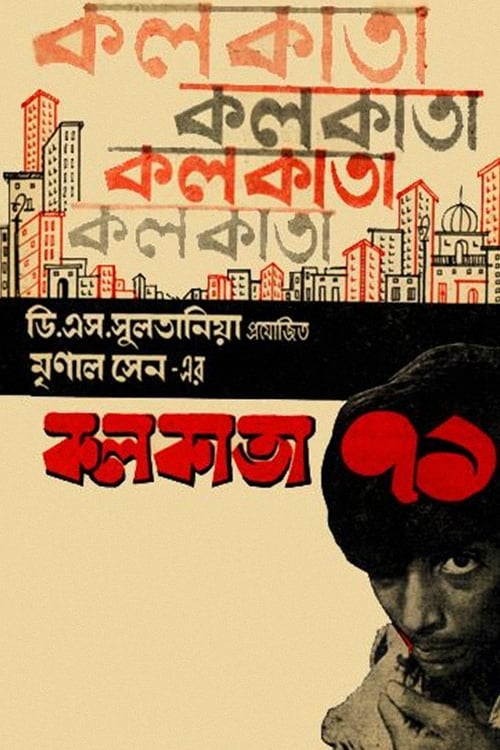
The spirit of a condemned 20-year-old student wanders through time, linking together four stories of people struggling for survival in this gritty meditation on poverty, natural disaster and political strife in India. A middle-class family's home is no match for the monsoons, while another clan's morality is compromised when famine strikes. Young boys smuggle rice, and politicians pity the poor while living in the lap of luxury.
Calcutta 71

Indian documentary about Indian film history and P. K. Nair, the founder of the National Film Archive of India and guardian of Indian cinema. He built the archive can by can in a country where the archiving of cinema was considered unimportant.
Celluloid Man

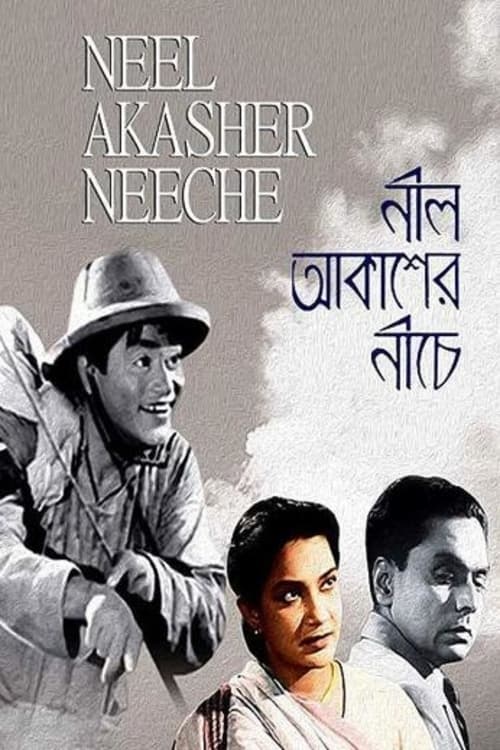
Set in the turbulent 1930s, this is the story of a poor Chinese hawker selling his merchandise, Chinese silk, in the streets of Calcutta. This was the time when China was repulsing a brutal attack of militarist Japan and when an outraged Rabindranath Tagore wrote to his friend in Japan, the great poet Noguchi: “I wish your countrymen, whom I love so much, not success but remorse”. This film holds the dubious distinction of being the first to be banned (though temporarily) in independent India.
Under the Blue Sky

A kaleidoscopic panorama of the world. A visual anthology of twelve short stories by twelve innovative directors from all over the world.
City Life

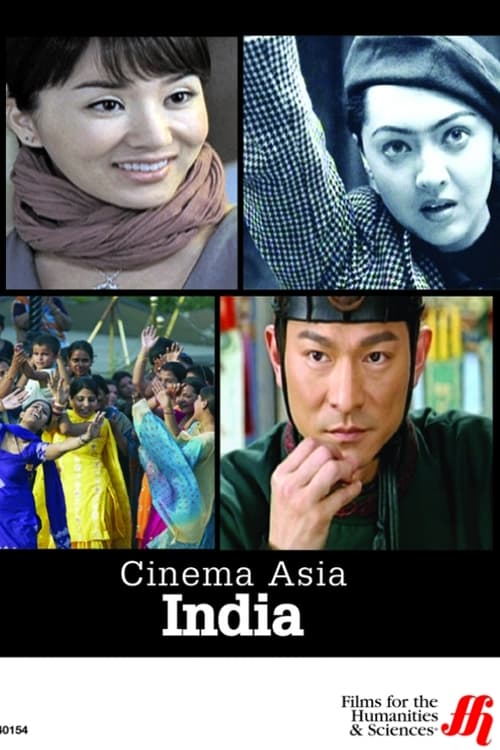
While Northern India’s 100-year-old film industry is best known for flamboyant dance sequences and romantic plot lines, its directors have begun to step outside established formulas and explore grittier subject matter. This program surveys the world of Bollywood filmmaking, examining the personalities as well as the commercial and thematic concerns that drive central Asia’s answer to Tinseltown. Interviews with directors Karan Johar, Ashutosh Gowariker, and Yash Chopra are included, along with commentary from choreographers, musical directors, and Cinemaya Magazine editor Aruna Vasudev. The industry’s newfound attention to poverty, homelessness, and other social concerns is examined. Several film excerpts are included.
Cinema Asia: India

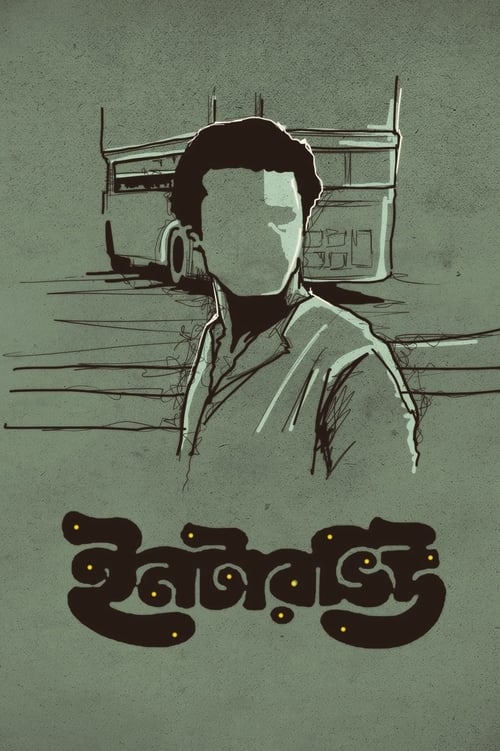
A young Indian man has been assured by an uncle that all he needs to land a lucrative job is to show up to the interview in a Western style suit, but the morning of the interview is fraught with unexpected difficulties.
Interview

A father living on the fringes of a village believes that working is a fool's errand, for the lord takes what little the workers make. When a young woman enters their home, tensions begin to rise and their idle life is threatened. The film is based on the story ‘Kafan’ by Munshi Premchand
Oka Oori Katha

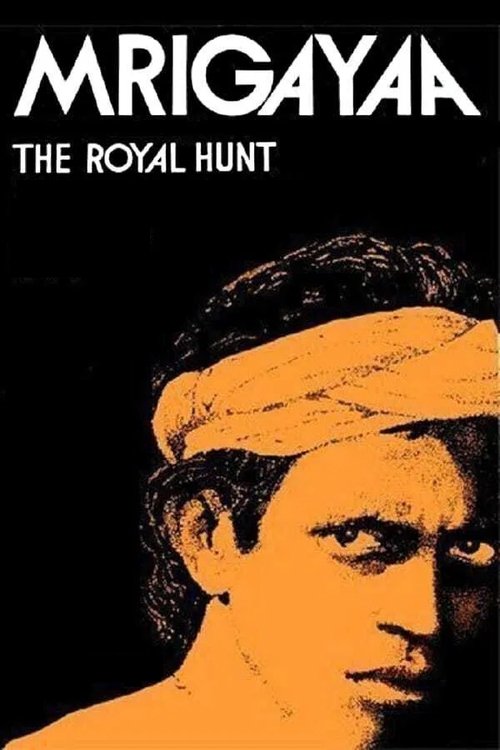
A British administrator with a flair for game hunting develops a friendship with a commoner who is an expert archer in an Indian village. The movie portrays the relationship between the British colonialists, and native villagers who were exploited by Indian landlords in 1920s India. This happens against the backdrop of the awakening of the Indian people against the British rule.
The Royal Hunt

This biographical film is a tribute to a pioneering actress Smita Patil through her works a tribute to the parallel cinema. Her realistic dignified portrayals of the emerging women's movement in India creating a space for women on screen and role models for them off-screen.
Smita

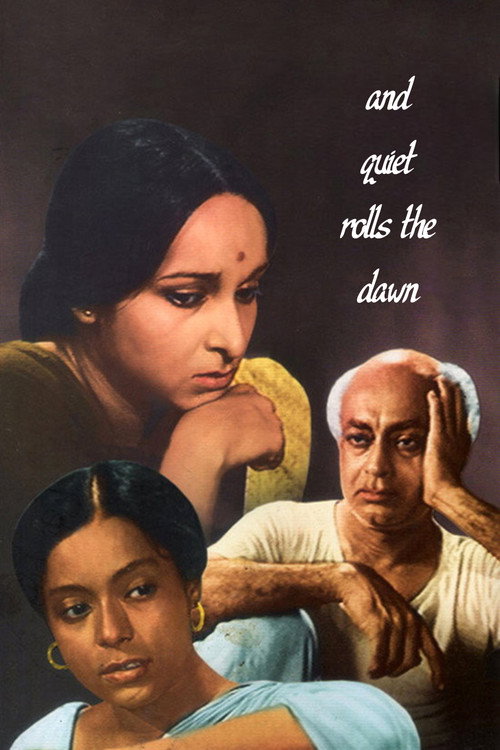
The bread-winning daughter in a middle-class family fails to return from work one evening. The saga begins with worries at home, followed by midnight searches and finally a deepening crisis arising out of economic and moral constraints prevalent in the society. Yet the film speaks of hope and of strength hidden behind despair.
And Quiet Rolls the Dawn

Burning with a desire to be a journalist, a young man gets his chance when a publisher -- the father of a friend -- suggests that he write a story on the daily life of the people in his house (several families worth of people). The material turns out to be too incohesive and abundant to work into a pointed, thematic article, and just when he is about to give up, his younger brother asks him a simple question: "How many coal burners are there in Calcutta?" This triggers an idea for a story about Calcutta's pollution -- and the aspiring journalist dreams of myriads of burner-toting citizens invading the publisher's home demanding redress. Maybe he is finally on the way to a story that matters.
Kaleidoscope

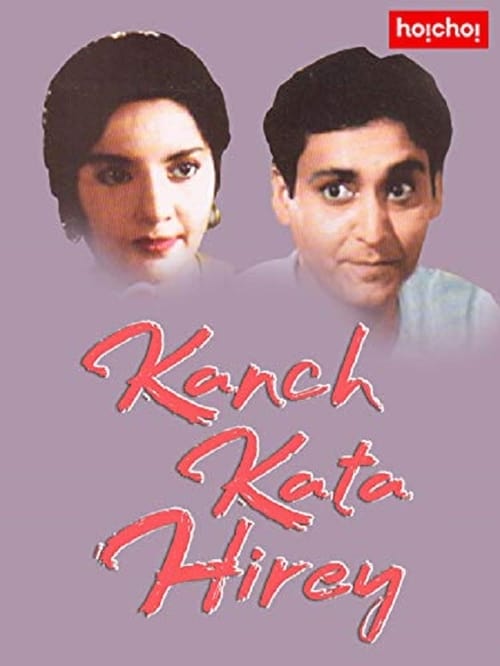
‘Joradighir Choudhury Paribar’ is the story of landlords, their ego, love and revenge. Despite ancestral differences, the Choudhury family’s landlord and Indrani, the landlady of Raktadaha decide to get married. But circumstances for him to marry Banamala to save her from Parantap Roy. Roy marries Indrani to take revenge against Jora Dighi. Misunderstanding turns lovers into enemies leading to their fatal end.