Laila Pakalnina
Directing
Biography
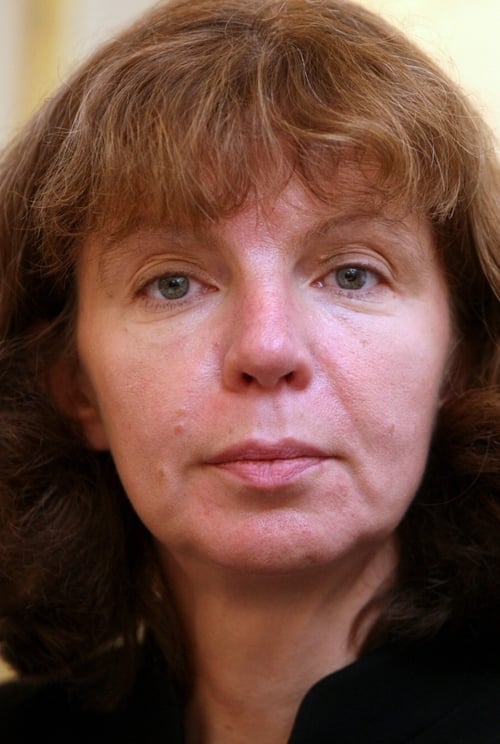
Laila Pakalniņa is a Latvian art-house filmmaker. She graduated from the Moscow Film Institute (VGIK), Department of Film Direction, in 1991. A director and scriptwriter of 31 documentaries, 5 shorts, and 5 fiction features, altogether she has 41 films, 2 children, 1 husband, 2 dogs and 2 bicycles. Her films have screened in official programmes at Cannes, Venice, Berlinale, Locarno, Karlovy Vary, Rome and other international festivals, where they have won numerous awards.
Known For

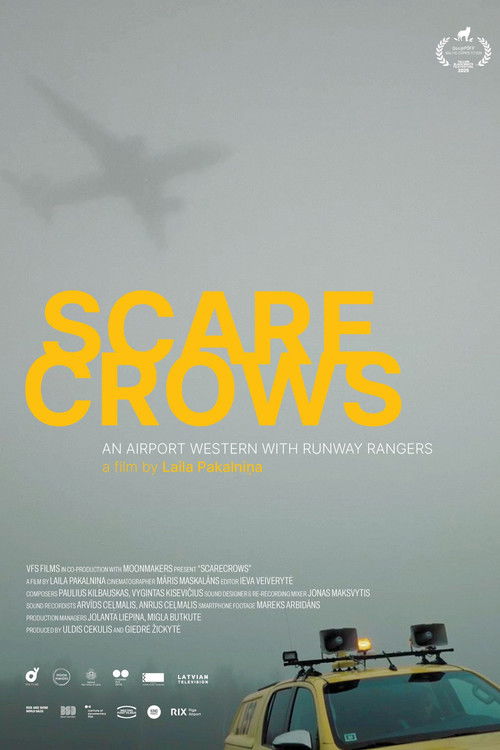
Those of us who fly in airplanes probably don’t think about those who fly through Riga Airport on their own wings. But on any given day, up to 30,000 birds might visit the airport. And it would only take one… Airport wildlife control employee Mareks would like to go to church and light a candle for luck before he goes to work every day. In fact, all of us need that luck – it’s just that we’re not aware of it. Maybe that’s a good thing. Understanding wildlife that might turn up at the airport and making sure that the paths of birds, animals and airplanes don’t cross is a very real job.
Scarecrows

Twenty-five films from twenty-five European countries by twenty-five European directors.
Visions of Europe

The morning begins when the mail is delivered - this has been a tradition for almost an eternity. This film looks at daily things, daily movements, daily life and the daily routines of the postman, which are nevertheless meaningful to those who await and receive newspapers and letters.
The Mail

The Hijacker lands the plane at the Rīga Airport. 7 year-old Tom, travelling on his own, voluntarily becomes a hostage. Along with the traditional demands, the Hijacker adds the demands of the little hostage – beginning with some local chocolate and a self-instruction tape for learning the native language, and ending with organizing a Song Festival and a special biathletes’ performance – all ideas originating from a CD on Latvia.
The Hostage

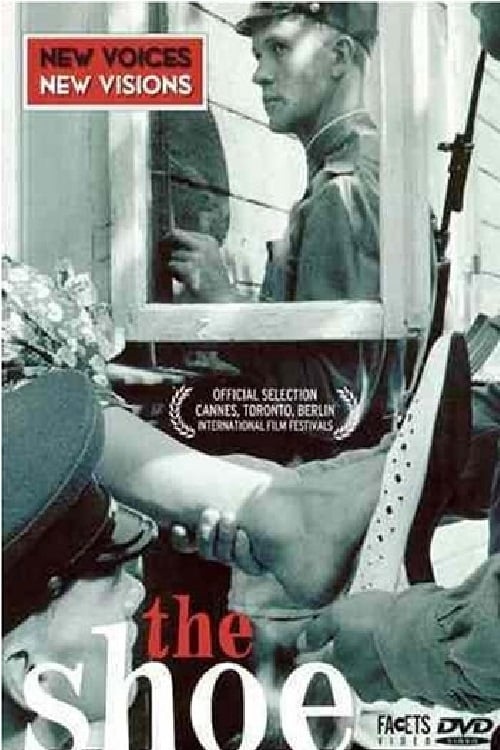
The late 1950s. Every night, Soviet tractors comb the coast of Latvia looking for signs of anyone who could have infiltrated the Soviet border from the sea. One morning, three Soviet patrolmen discover a woman’s shoe in the sand and footsteps leading to the quaint little village of Liepaja.
The Shoe

Even before Marija was born it was clear that she would be a person getting in trouble all the time. However, that’s not all. The most important thing is that she is often alongside firemen. Is it because things around her catch fire?
Fire (Elements)

The world seen through the eyes of children. The action takes place in Karosta, the former military port of Liepaja city – however, it is not that important, as the film could take place anywhere. We observe children playing on the beach, revealing the core of Pakalnina’s work: perceiving and transmitting emotions.
Wake Up!

Playfully avant-garde and exhibiting an intriguing sense of humor, PIZZAS offers a puzzle of widescreen imagery, brash pop moments, and road movie ambience. Pakalnina, Latvia’s best-known director, spun this cryptic but airy comedy/tragedy from a news item about two 18-year-old fast-food workers who robbed their employer’s safe and split. (Gene Siskel Film Center)
Pizzas

There are places that we don’t want to know anything about, places that we would rather pretend don’t exist at all. One such place is a dumpsite. From the humans’ point of view, it is a ghastly place, a stinking desert of trash. But it’s a desert that is teaming with life.
Dream Land

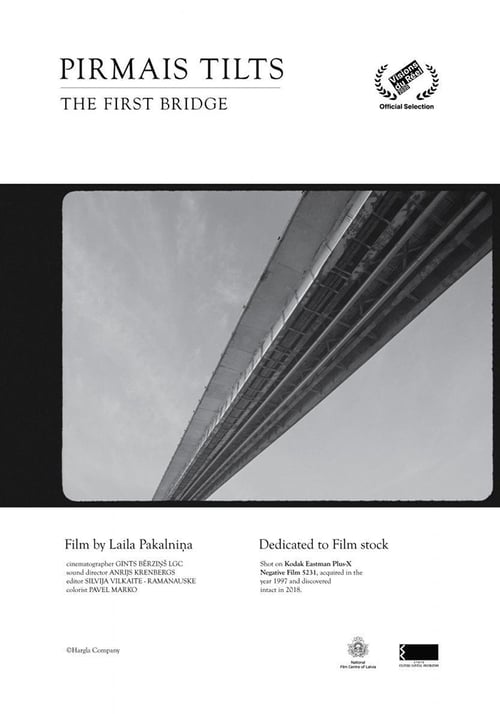
The First Bridge is a film about frontiers, barriers, the ways to cross over and see what goes on, on the other side. But it also a film about time, as it was shot on Kodak Negative Films acquired in the year 1997 and discovered intact in 2018.
The First Bridge

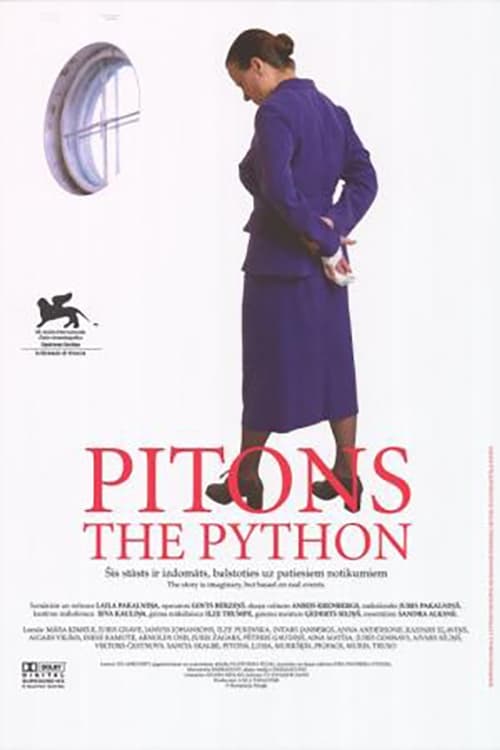
An absurdist farce centering around a school in post-Soviet Latvia. After a rather disgusting prank (someone defecates in the school attic), the tyrannical headmistress deems that no one can leave until the culprit is caught. When the photographer's pet python escapes, havok breaks loose.
The Python

This documentary follows a bustrip from Tallinn to Kaliningrad. A route that was so common in the Soviet times now passes through 4 different countries and crosses 3 different borders.
Bus

Various people on the street stand stock still in front of the movie camera as though their photograph were about to be taken. This lasts just a few instants, then they nod as they look into the camera and move on. A family, a group of friends, men. In the background, city noises.
It'll Be Fine

Based on a Soviet propaganda story about Young Pioneer (the Soviet equivalent of a Boy Scout) Morozov, who denounced his father to Stalin’s secret police and was in turn killed by his family. His life exemplified the duty of all good Soviet citizens to become informers, at any expense. In our film, 75 years later, we call him little Janis. He is a Pioneer who lives on the Soviet collective farm “Dawn”. His father is an enemy of the farm (and the Soviet system) and plots against it. Little Janis betrays his father; his father takes revenge upon his son. Who then in this old Soviet tale is good and who is bad? This film reveals that a distorted brain is always dangerous. Even today.
Dawn

Maria decides to go for a swim in the pool even though it looks deserted and she’s warned that the water is cold. When she gets into the pool she is faced with not only the frigid water, but with her other feelings as well. Like fear.
The Water (Elements)

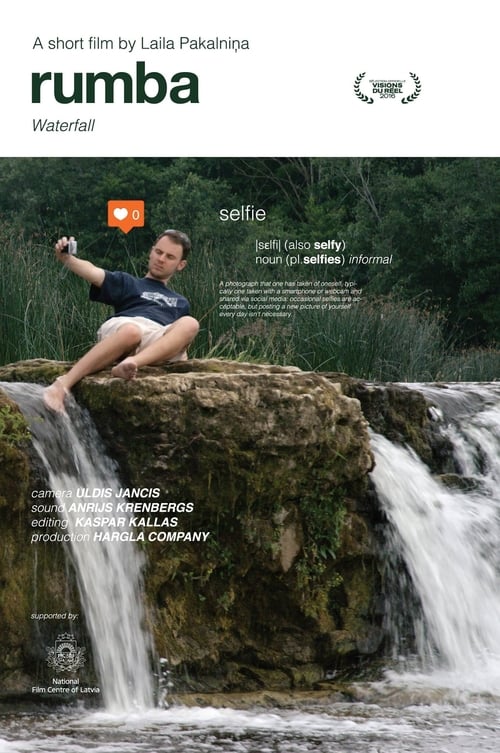
Waterfall and I, and – no, the other way around! This film is, of course, about nature – human nature. Or – what a human can do with the widest waterfall in Europe.
Waterfall
The Latvian director’s graduation film from Moscow Film School does not deliver images loyal to the regime but is a testimony to her journalistic background. When the independence struggle is to be suppressed by military power, the people in Riga erect barricades. Laila Pakalniņa captured the dramatic events whose topicality is frightening.
The Cathedral

The ferry crosses the river, transporting people from one shore to the other, from one country to another. It runs year round, never stopping. The footage was filmed on the Latvian-Belarussian border in the early 1990s - a time when the Soviet Union began to crumble and Latvia regained its independence.
The Ferry

The camera stands in a house, the lens pointing through the window, outdoors, where the occupants of the home are standing. They respond patiently to the camera operator’s directions: a small step to the left, a little bit forward, no, back just a bit, yes, that’s perfect. Dozens of people pose in this way for a full minute. There’s a man who lives alone, a large family, an older woman on a trampoline. Some are entirely at ease, others more self-conscious. Rabbits, dogs, and cats are allowed to join these portraits, too. All of them are captured within the natural frame of the windows, along with the lace or floral curtains.
Homes

Little Anna is waiting for her first Christmas.