Production
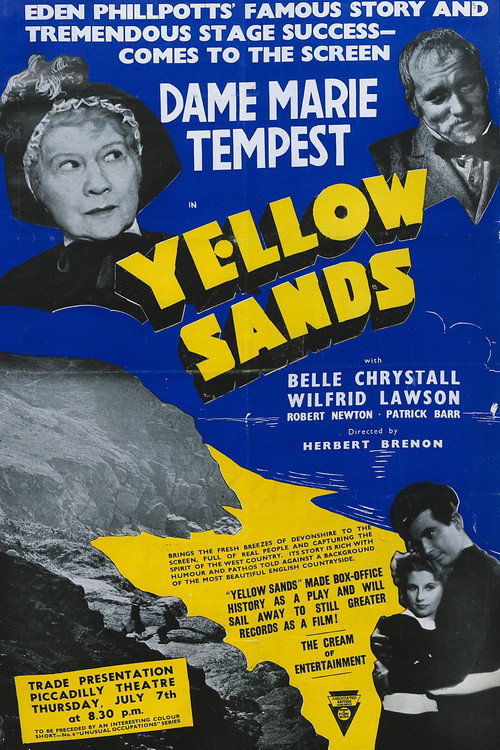
Village romance and gossip collide amongst the West Country fisherfolk of Yellow Sands, as the Varwell family gathers to celebrate the birthday of their aging matriarch, Jennifer. Apart from her Communist nephew, faithful companion and sozzled brother, everyone pays their homage with one eye towards shoring up their expected inheritances - but Jennifer may have her own ideas when she finally makes out her will.
A spoiled heiress defies her millionaire father by running off to France to pursue her lover. Things don't go entirely as planned.
When actress Diana Baring is found in a daze beside her colleague’s murdered body, all evidence points to her guilt. During the trial, juror Sir John Menier doubts the verdict, but yields to pressure. Haunted by remorse, he launches his own investigation.
A wife tries to prevent her husband, a miner, from gambling away the money he receives as an inheritance.
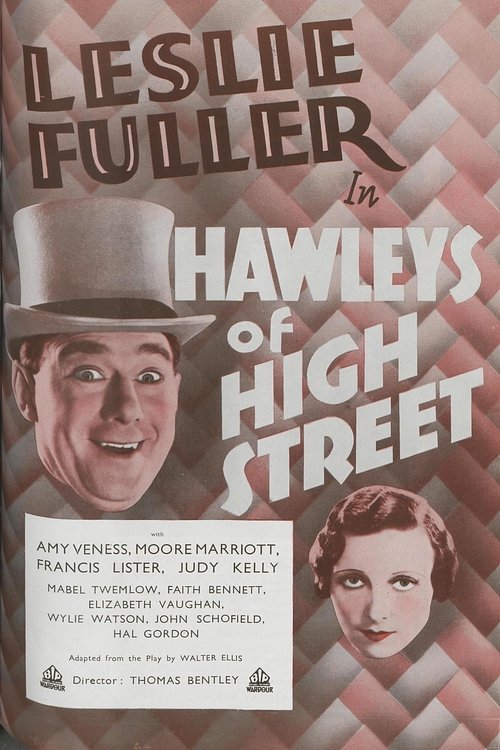
A butcher and a draper stand for election to the local council.
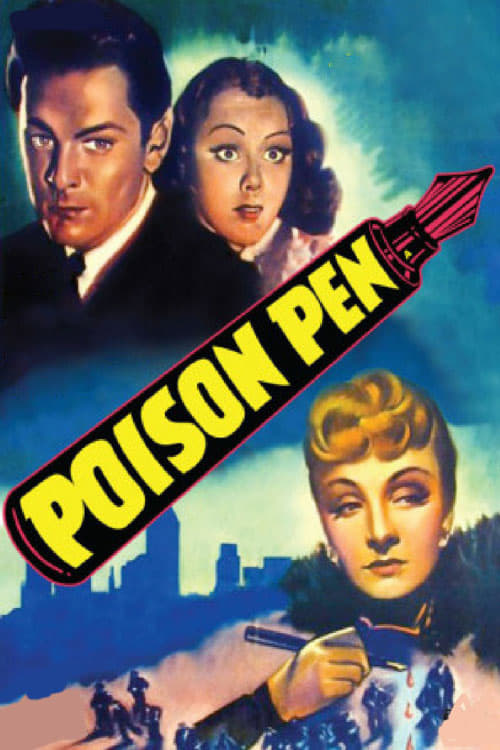
The inhabitants of a peaceful village begin receiving mysterious hate mail penned by someone with malicious thoughts.
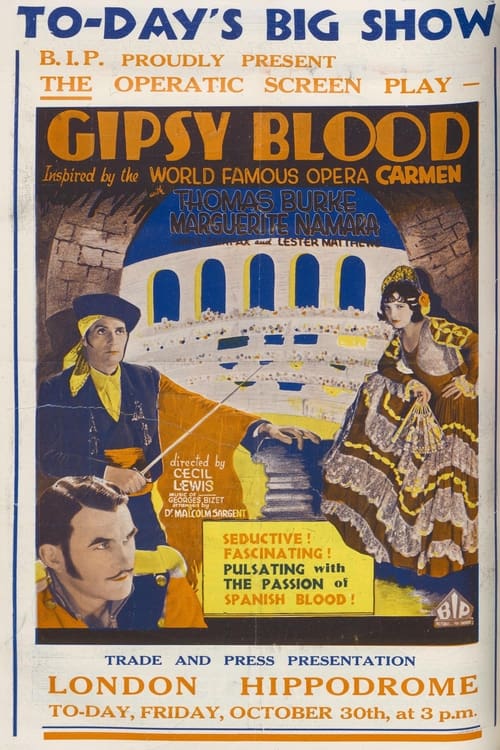
In 1931, Sir Malcolm Sargent – then a rising young conductor – acted as musical director for this first filmed musical version of Prosper Mérimée’s classic story of passion and fatal jealousy, Carmen. With a score based on Bizet’s opera, Gipsy Blood features celebrated American soprano Marguerite Namara as the capricious gypsy girl from the cigarette factory; her co-performers include Thomas Burke as Carmen’s tormented lover, Don José, and New Zealand-born baritone Lance Fairfax as his rival, the toreador Escamillo.
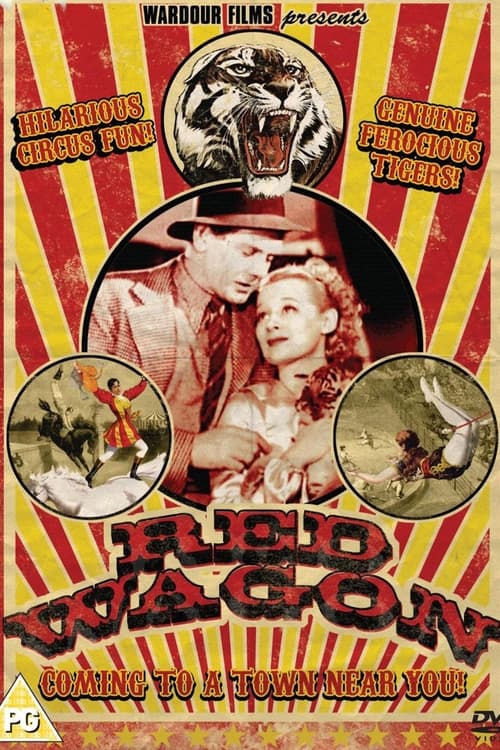
Adapted from Lady Eleanor Smith’s novel, this 1934 feature tells the story of Joe Prince, an orphan child of circus people who, after many struggles, achieves his life-long ambition of owning a circus.
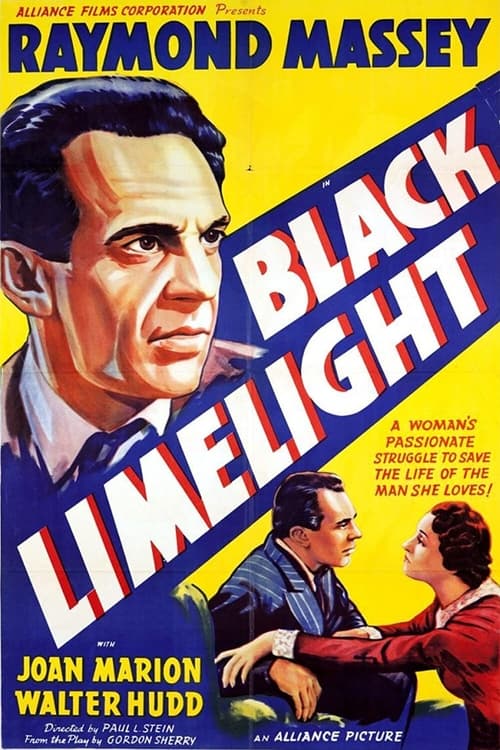
This gripping, atmospheric crime thriller from Austrian-born director Paul Stein stars Oscar nominee Raymond Massey as a man at the centre of a multiple murder investigation – a case that sparks a sensationalist press frenzy when it becomes clear that the killer only strikes when there is a full moon.
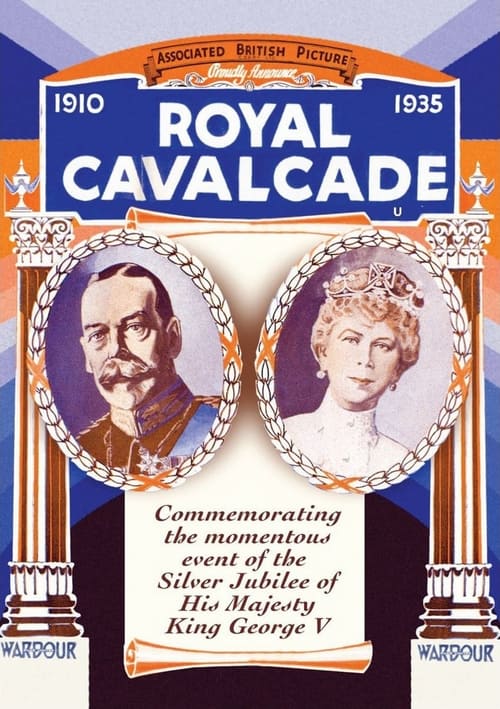
Made in commemoration and celebration of the Jubilee of King George V, this is the story of the first twenty-five years of his reign, told through the many travels of a penny that was minted in the year of his accession: 1910. Through a series of individual stories, Royal Cavalcade covers a period of striking change in every area of life – from the suffragette movement to the trenches of World War One, the effects of the Depression to single events such as the first ever Royal Command Performance, featuring Anna Pavlova and George Robey.
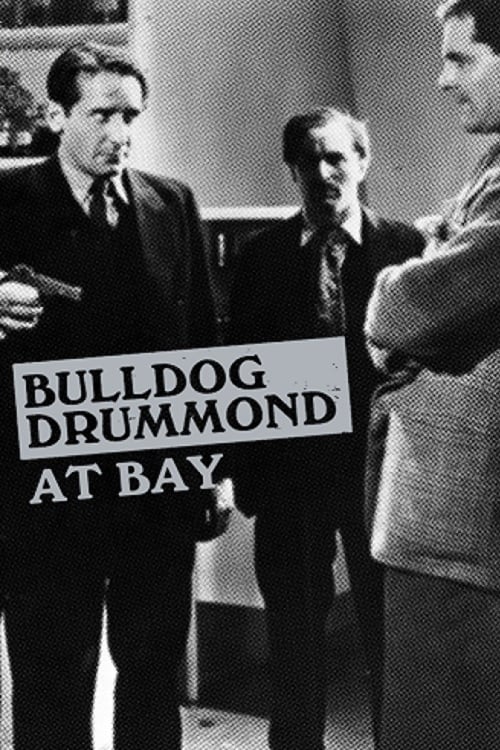
Drummond goes up against foreign agents who are trying to steal plans for a top-secret aircraft.
John Forrest is anticipating a quiet retirement spent penning detective fiction when he learns that a priceless collection of jewels belonging to a foreign potentate, Prince Homouska, has just vanished from the safekeeping of the Stamford Assurance Company. Aided by his butler, his Cockney assistant and his (initially) unwilling wife, Forrest sets out on the trail of the thieves.
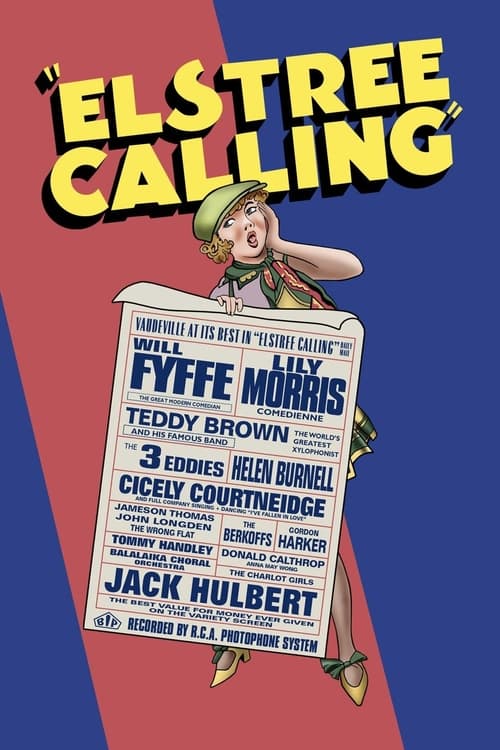
A series of 19 musical and comedy "vaudeville" sketches presented in the form of a live television broadcast hosted by Tommy Handley (as himself).
For ten years, The Terror has laughed at both police and public. And for ten years, two of his erstwhile associates, Joe Conner and 'Soapy' Marks, have plotted revenge on the mastermind whose double-crossing sent them to Dartmoor prison without their share of the bullion stolen in a daring raid.
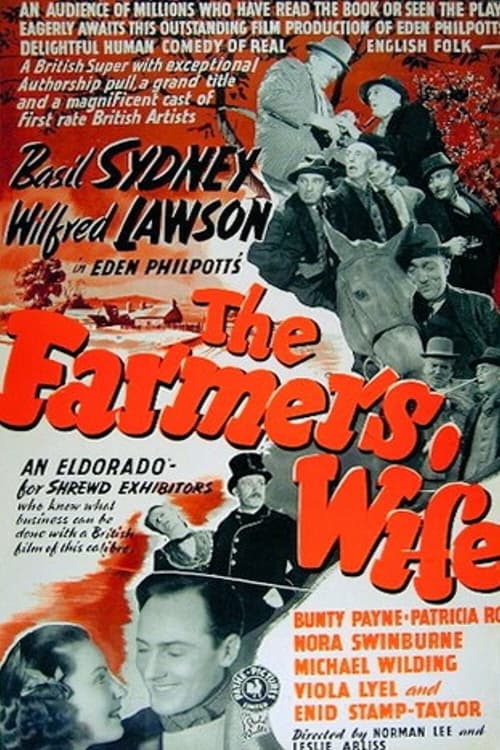
Eden Philpotts' "provincial" comic novel and play The Farmer's Wife was first filmed in the silent era by Alfred Hitchcock. The 1940 talkie version was directed by Leslie Arliss, son of stage star George Arliss. The story remained the same: A middle-aged widower attempts to select a wife from his rural district's eligible females (Basil Sydney). Three unsuccessful dalliances later, the farmer settles for his housekeeper, whom the audience has been rooting for all along. The Farmer's Wife is a prime example of the sort of fare that struck a proper chord with British filmgoers, but whose appeal would be lost to any other nationality.
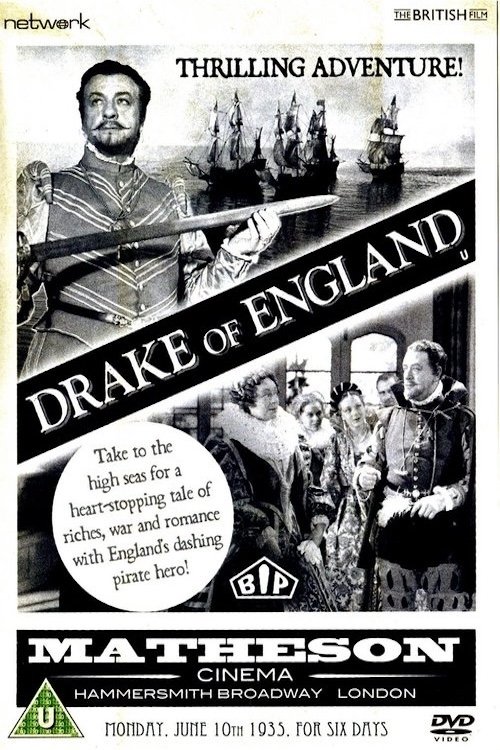
Imposing Canadian-born stage actor and playwright Matherson Lang was one of the twentieth century's great Shakespearean players, and became Britain's foremost screen actor during the 1920s; in Drake of England, one of his final films, he takes the title role in Arthur Woods' portrayal of the life and times of the flamboyant piratical adventurer who founded Britain's sea fortunes. From clandestine romance at the court of Elizabeth I to conquests in the newly discovered lands of South America and spectacular victory over the Armada, Drake of England offers a panoramic overview of Drake's life.
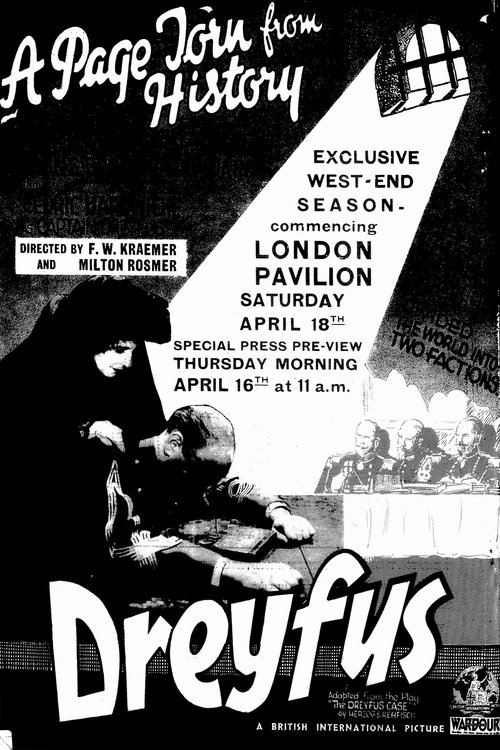
In 1894, French officer Alfred Dreyfus is wrongly convicted for the treasonous acts of another man, Major Esterhazy. When investigations begin into the dubious evidence used in the trial, an institutional coverup begins, aided by fears of army disgrace and anti-Semitic paranoia against Dreyfus. But a determined group, headed by prominent author Émile Zola, leads a mounting public call to reopen the Dreyfus case.
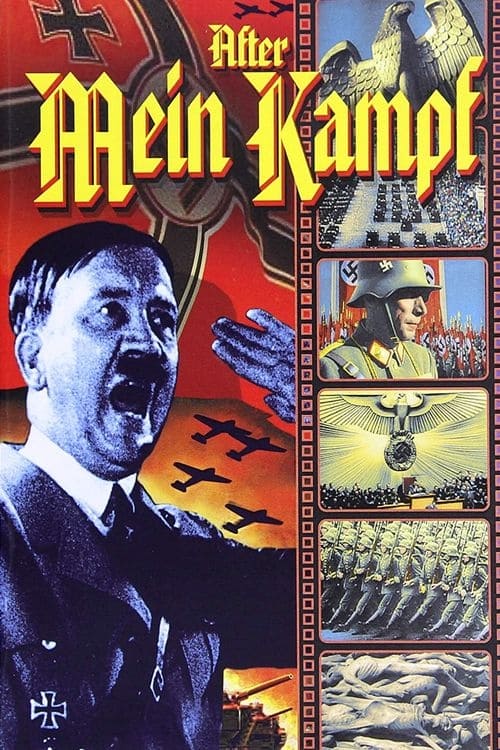
Allied propaganda in the form of cartoons and newsreels shows the rise of Adolf Hitler and the Nazis.
Adventure film directed by Harold Huth.
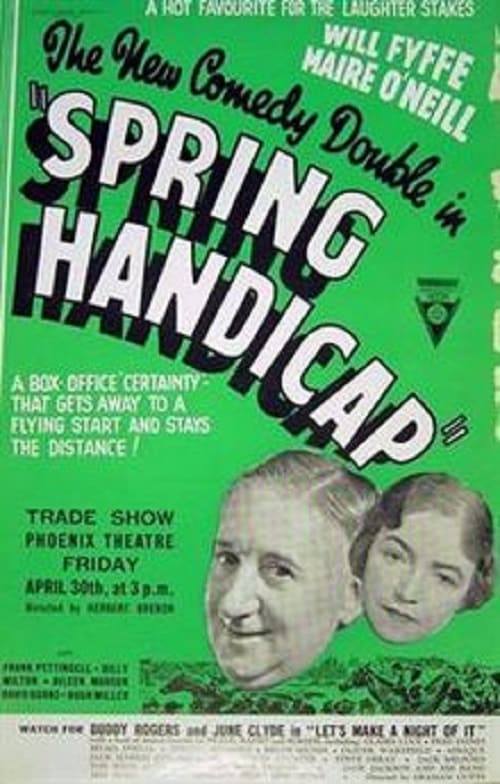
A farce concerning the attempts of a naval officer to avoid a visit from his wife's overbearing mother-in-law, and cope with a former girlfriend at the same time.