Acting
No description available.
The epic film is based on the motifs of Vilis Lācis' novel "The Zītari Family". The tragedy of the Zītari family is a model of Latvian national history. With the beginning of World War I, the patriarchal way of life of Captain Andrejs and his wife Alvīne, their children Kārlis, Ings, Ernests, Elza and Janka changes, with years spent at work and in rare, modest celebrations. Kārlis voluntarily goes to the front, Ingus disappears without a trace on long sea voyages. Not wanting to live in the territory occupied by the German army, the Zītari evacuate to the distant Altai region. The unusually difficult living conditions and the drastically changing political situation of the post-revolutionary period also affect each member of the Zītari family. When the opportunity arises to return to Latvia, Andrejs and Alvīne are no longer among the living. The old sailor's nest has collapsed and the young Zītari are no longer able to preserve their father's house - all the property is stolen.
Valdemārs 'Voldis' Viters is released after seven years in prison. He is 46 years old and has no family or job. Some of his old friends have abandoned the life of crime, and policeman Leo Aleksandrs, as well as the beautiful taxi driver Irēna, try to persuade Voldis to forget the past and move on. But when the crime boss Teksis proposes a plan to rob a jewelry store, Voldis agrees, thinking this will be his last crime before starting a new life.
The action of the film takes place in Latvia and spans the period from 1939 to the early 1970s. The events that occurred in the country had various effects on the fates of the characters. But throughout it all, love guided them — it scattered and gathered, made them suffer terribly, and made them the happiest people in the world...
After losing his job, Kārlis is forced into grueling work at a remote peat quarry—only to find himself caught between the Communist underground and the Latvian counterintelligence service, where every choice carries a moral cost.
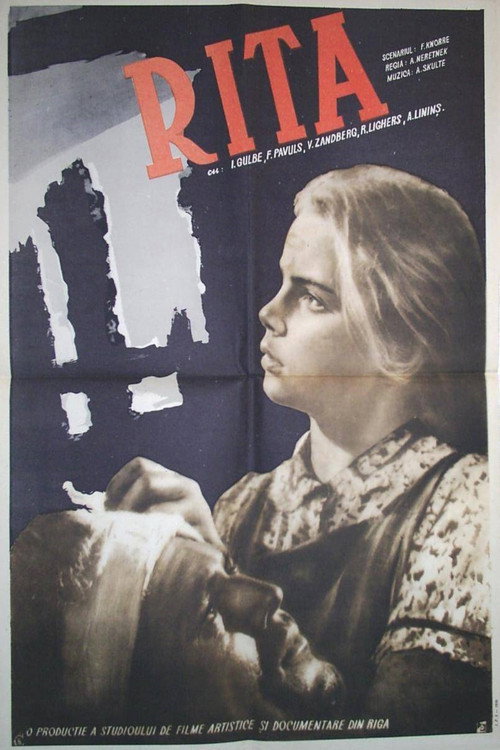
The last summer of World War II in a Latvian fishing village. Ten-year-old Rita risks her life to care for and provide everything necessary for four prisoners of war rescued by fishermen—a Frenchman, a Russian, and two Latvians—who are hidden in the attic of a school converted into a warehouse by the German army.
Successful work and life of a brave militia captain who does not know much about human psychology.
Former servant Janis Balodis returns home where he again meets Aija, whom he has loved since childhood. After her husband's death Aija lives alone with her children. Janis love awakens and he marries Aija hoping for a happy life together.
Valdis Nulle is a young and ambitious captain of fishing ship 'Dzintars'. He has his views on fishing methods but the sea makes its own rules. Kolkhoz authorities are forced to include dubious characters in his crew, for example, former captain Bauze and silent alcoholic Juhans. The young captain lacks experience in working with so many fishermen on board. Unexpectedly, pretty engineer Sabīne is ordered to test a new construction fishing net on Nulle's ship and 'production conflict' between her and the captain arises...
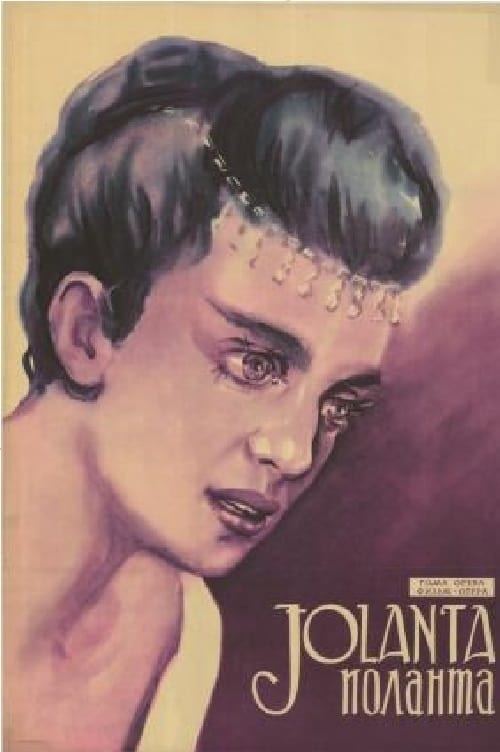
The daughter of René, King of Provence, who has been blind since birth, is unaware of her misfortune thanks to her father's diligence. She is betrothed to Robert, Duke of Burgundy. Her father hopes to restore his daughter's sight before the wedding with the help of a Moorish doctor. Robert and his friend Godfrey of Vaudemont, Count of Isonde, Champagne, Clervaux, and Montargis arrive at the castle. Robert is in love with Matilda, Countess of Lorraine, and wants to ask King René to break his promise. Vodemons sees the sleeping Jolanta, falls in love with her, and asks the king for his daughter's hand. Upon learning that Robert loves another, the king agrees to the wedding. The doctor's efforts are successful, the girl regains her sight and, happy, gets married.
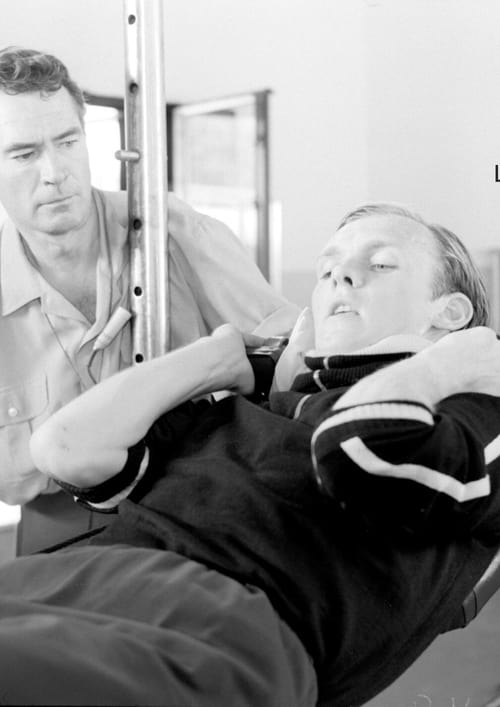
The hard work plays an important role in the personal growth of a runner.
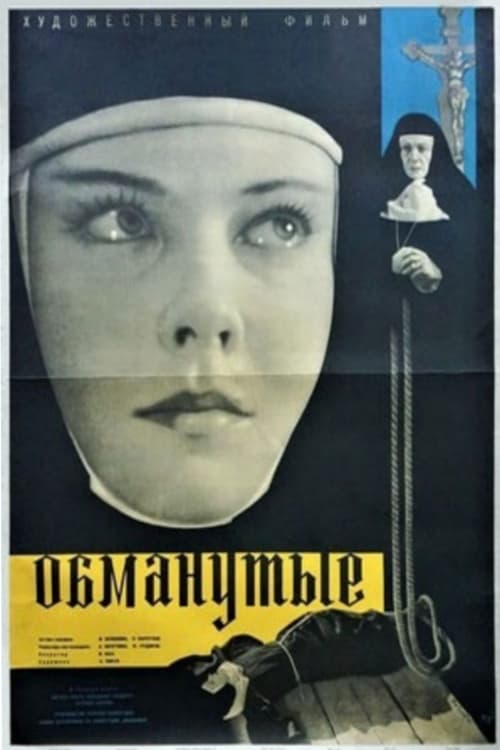
After becoming a teacher, Janis Lazdan returns to his native village in Latgale. In Novie Gudani, he sees black cassocks everywhere. Nuns sit at the bedside of his sick mother. The girl he loves, Lienite, is dressed in the black habit of a novice. Anton, Janis' childhood friend, has become a priest. A struggle begins between Janis and Anton, a subtle psychologist, over Andris, a sickly boy who is extremely impressionable and gifted. Janis understands that the power of the church lies in the indifference of non-believers. He believes in his own strength and love for his loved ones.
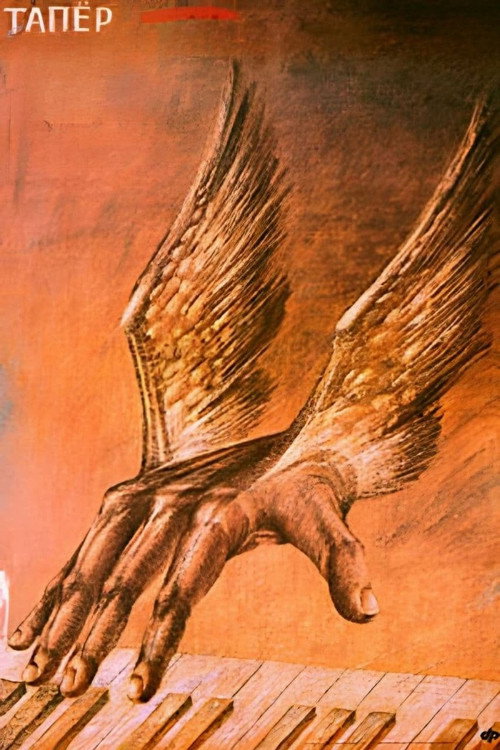
The path of the main character to the tops of creative work is a chain of victories and losses, in which gains and irretrievable losses alternate.
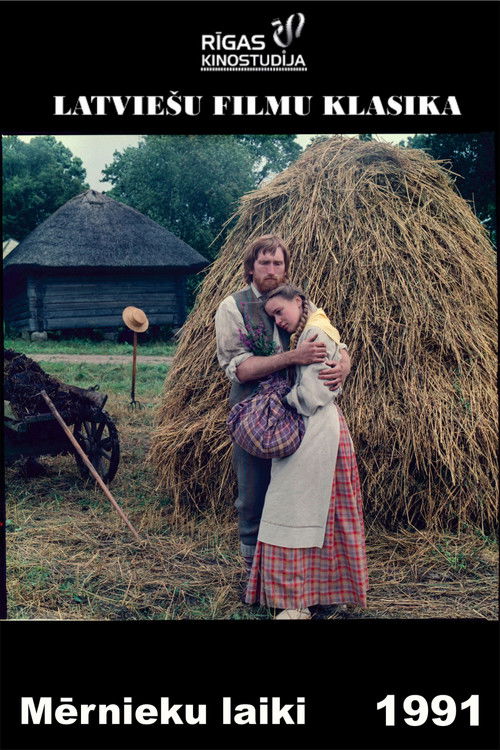
The second half of the 19th century. The arrival of land surveyors in a Latvian village for the redistribution of land provoked a scandal...
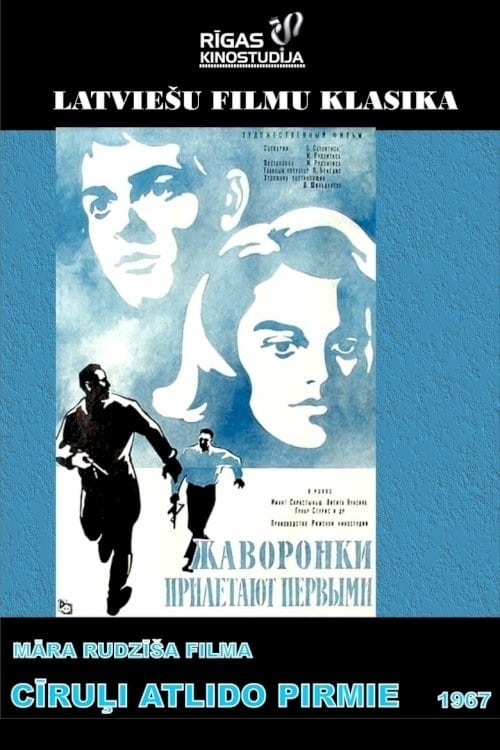
The directing debut of the acclaimed Latvian cinematographer Māris Rudzītis.
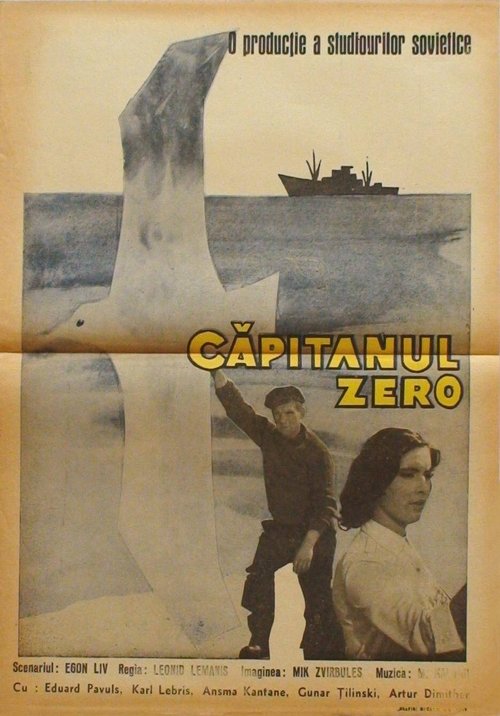
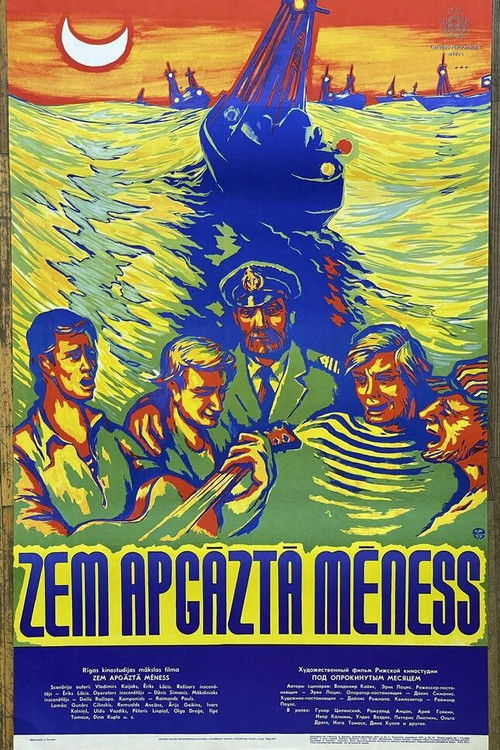
A fishing vessel has been at sea in the Atlantic for six months when tragedy strikes its crew. Captain Arvīds receives devastating news that his young daughter has died after surgery, while young sailor Juris, on his first voyage to earn money for a car, is shattered by a telegram from his newlywed wife telling him she no longer wants him to return home. As grief, loneliness, and despair close in far from shore, the men are forced to confront the emotional toll of life at sea.