Acting
No description available.
Os Trapalhões was a Brazilian comedy group and also a Brazilian television series created by Wilton Franco. Its members were Dedé Santana, Zacarias, Mussum and their leader Didi Mocó, that was played by Renato Aragão. The name Trapalhões is derived from the Portuguese verb atrapalhar, which means the opposite of helping, to do something the wrong way or to Those that confuse. The name is translated "Tramps" in English DVD subtitles. It was aired by Rede Globo from 1977 to 1999. On March 18, 1990, Zacarias died due to respiratory failure, but the group and the series didn't come to an end until July 29, 1994, when Mussum died due to an unsuccessful heart transplant.
After making a Faustian bargain with a vampire for fame, a regretful young singer must find a sacred, lost artifact that might revert the curse.
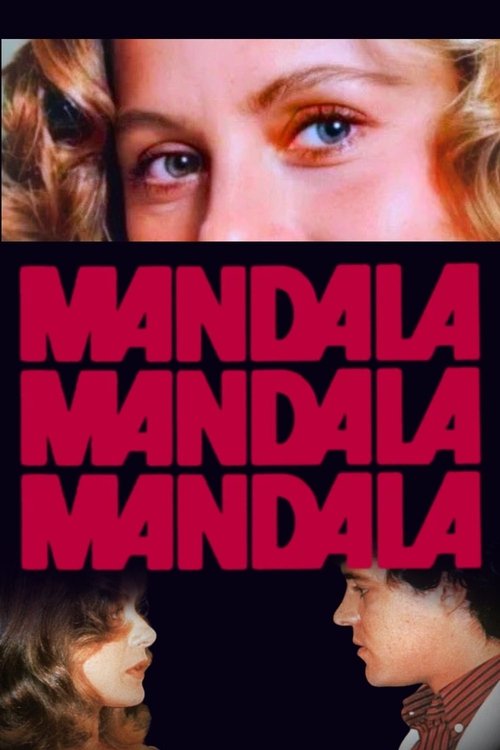
Jocasta, an 18-year-old sociology student and daughter of communist activist Túlio Silveira, is actively involved in the country's political landscape. She is in love with Laio—her polar opposite—a disengaged, esoteric young man who lives off his wealthy father's allowance. A mystic, Laio makes no move without consulting his guru and friend Argemiro, whom he turns to upon learning of Jocasta's pregnancy. The cowrie shell reading reveals that his son is destined to kill him and enter into a romantic relationship with his mother. Terrified, Laio disappears with the child immediately after birth, aided by Argemiro—who loves Laio and loathes Jocasta. Twenty-five years later, Jocasta is a successful yet restless woman searching for her missing son. She is estranged from Laio, who has spent recent years expanding his father's fortune through involvement in underground gambling. On a highway, he encounters Oedipus, unaware that the young man is his son.
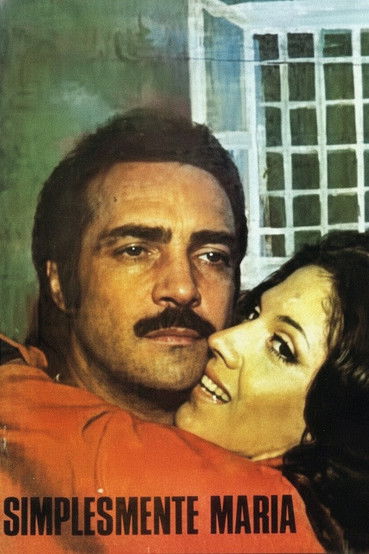
The plans of the young couple Daniel and Clarice are thwarted by Vitor Lopo Jr. He orders the kidnapping of the couple's newborn daughter, Mariana, who ends up living with Pestana and Elza—a pair who have kidnapped other children as well. Among the children kidnapped by Elza and Pestana is Joãozinho, the son of Joana and Felipe Marinho. The plot takes major unexpected turns.
Eloá and Osmar's marriage is thrown into crisis when a mysterious man crosses their path. With a thirst for prestige and power, Eloá will face the consequences of her ambition.
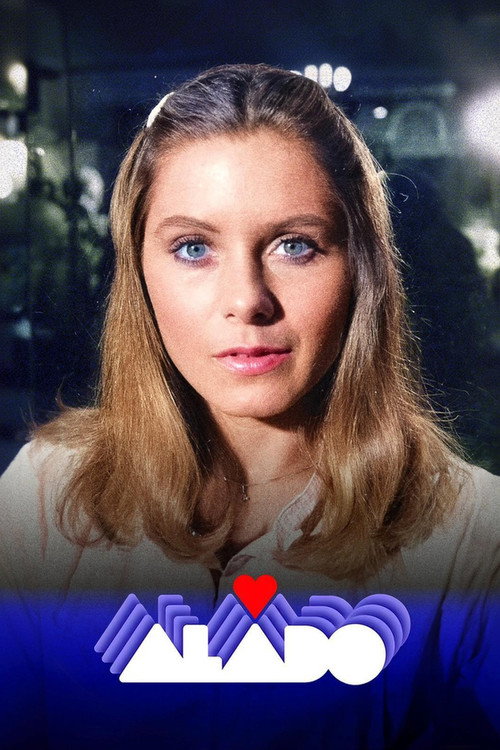
Diogo is an upright judge, professionally recognized, married to the submissive Antônia, with whom he maintains a relationship of appearances, only to preserve the family institution. Diogo falls madly in love with Bettina, and the two have an affair. Deciding to fully embrace their passion, Diogo and Bettina plan a trip together, but he ends up not having the courage to abandon Antônia and leaves his lover waiting at the airport. Upon realizing she is alone, Bettina despairs and suffers a serious car accident. Her brain death is diagnosed, and her heart is transplanted into Paloma. Upon learning of Bettina's death and the transplant of her heart, Diogo, feeling guilty, becomes obsessed with the idea of getting close to Paloma, believing that in doing so he would be close to the heart of the woman he loved. Paloma is a young woman who abandoned her fiancé Tavinho at the altar to marry Juca, her first boyfriend.
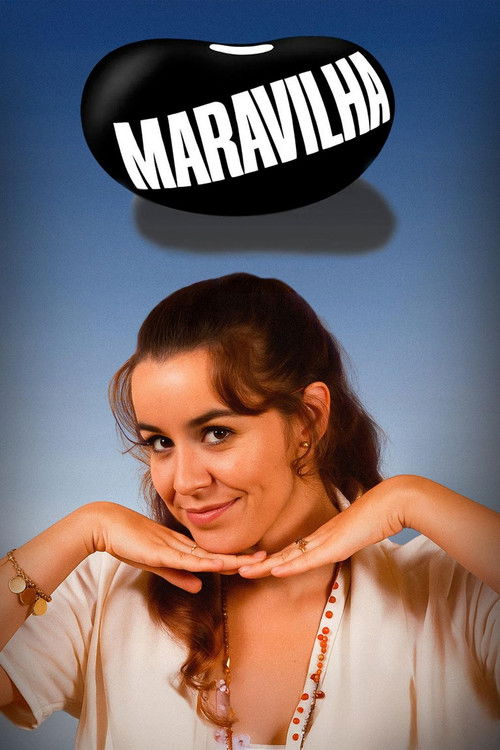
Romantic and dreamy, Eliana works at a five-star hotel and becomes involved with unrequited love, a bumbling gang, and a complex police story.
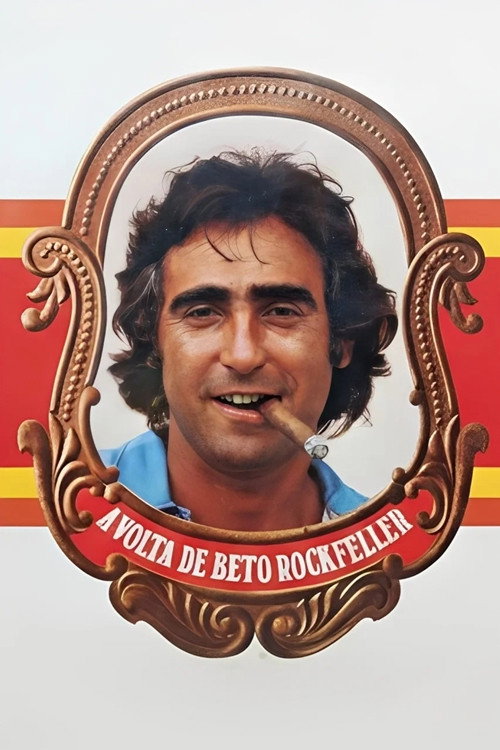
The big shot Albert returns after three years, reuniting with his family — his parents and his sister. And he gets in touch with some acquaintances, such as his old friend Vitório and a decadent high society woman. And once again Albert, the Rockefeller gets involved with millionaires and opportunists.
In the imaginary king of Avilan, the bastard prince Jean Pierre leads a popular group against councilors who will invade Rainha Valentine's palace and take away the power.
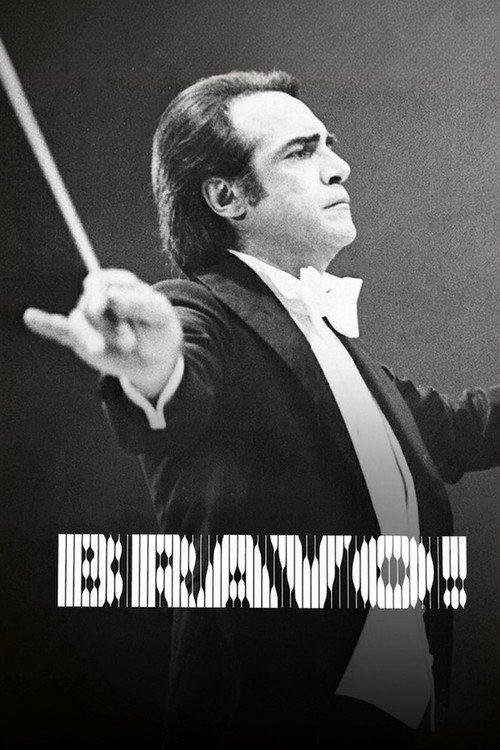
A widowed conductor rediscovers love when he meets a young woman from the countryside, but doubts about his music make him question his competence and distance himself from the woman he loves.
Set in 1940s São Paulo, the story follows Laura, a modern woman devoted to the arts who is oppressed by her husband, Natércio Prado—a wealthy man with traditional views. Amidst marital turmoil, Laura suffers a severe trauma and is even committed to an asylum by her husband. The couple separates, and the family is torn apart: Laura keeps her youngest daughter, Virgínia, while Natércio retains custody of the other daughters, Otávia and Bruna. Frail and penniless, Laura moves into the Vila Mariana home of her neurologist, Daniel. He is in love with his patient and believes her condition is physical rather than mental. Laura hides the fact that Virgínia is actually Daniel's daughter. The youngest daughter eventually returns to live with her father, where she faces hostility and harshness from the housekeeper, Frau Herta.