Arthur Lipsett
Directing
Biography
Arthur Lipsett (May 13, 1936 – May 1, 1986) was a Canadian avant-garde director of short collage films. Lipsett's meticulous editing and combination of audio and visual montage was both groundbreaking and influential. Description above from the Wikipedia article Arthur Lipsett licensed under CC-BY-SA, full list of contributors on Wikipedia.
Known For

Portrait of the early era of computing which examines the workings of a new and mysterious machine: the Canada Land Inventory Geo-information System. This "instant library" was created to help assess and document the geographical landscape, including sampling and analysis of soil, forestry, timber, wildlife, resources, industrial sites, and many other aspects.
Data for Decision

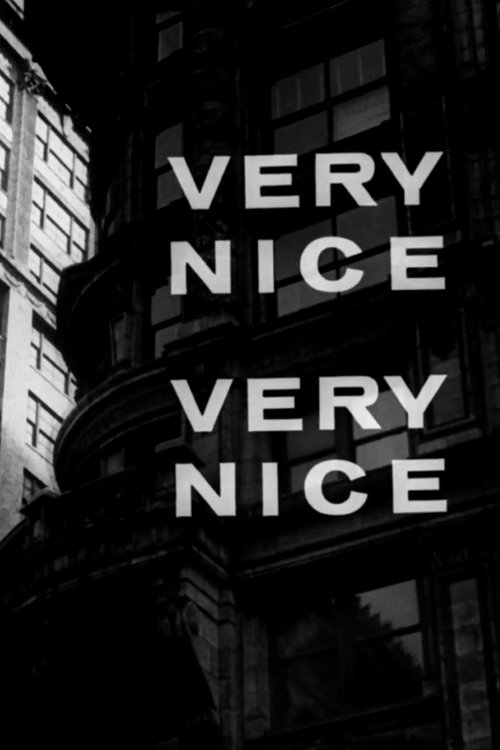
Arthur Lipsett's first film is an avant-garde blend of photography and sound. It looks behind the business-as-usual face we put on life and shows anxieties we want to forget. It is made of dozens of pictures that seem familiar, with fragments of speech heard in passing and, between times, a voice saying, "Very nice, very nice." The film was nominated for an Oscar for Best Live Action Short Film.
Very Nice, Very Nice

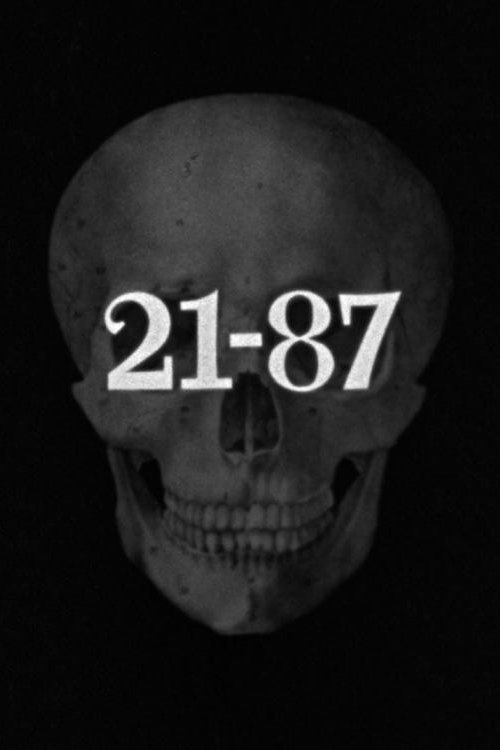
This short film from Arthur Lipsett is an abstract collage of snippets from discarded footage found by Lipsett in the editing room of the National Film Board (where he worked as an animator), combined with his own black and white 16mm footage shot on the streets of Montreal and New York City, among other locations. A commentary on a machine-dominated society, it is often cited as an influence on George Lucas's Star Wars and his conceptualization of "The Force."
21-87

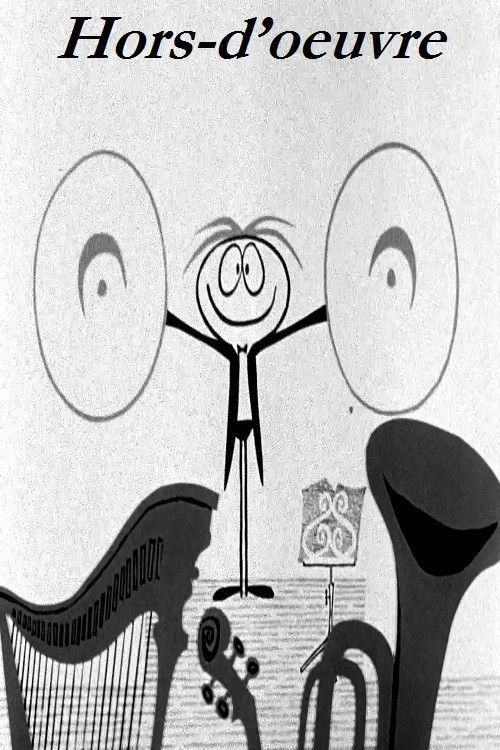
A collection of one-minute cartoons produced by the National Film Board of Canada animators for government sponsors. Showcasing a playful selection of animation techniques, the clips include reminders about t4levision programs, traffic safety rules, and admonition from the Department of Labour.
Appetizers

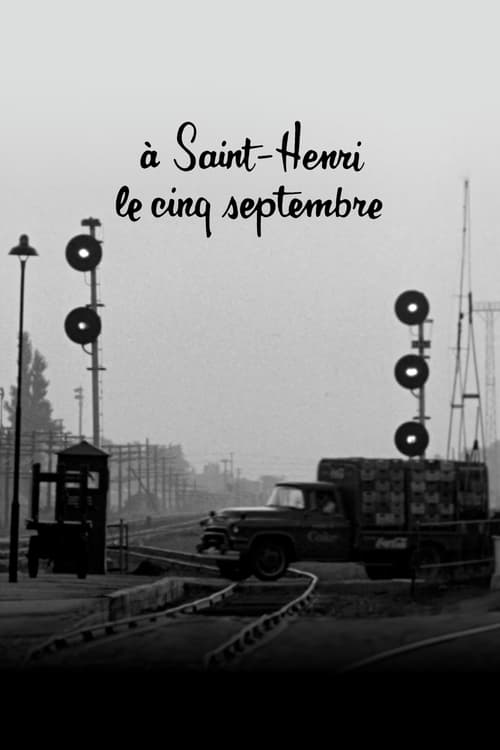
This short film is a series of vignettes of life in Saint-Henri, a Montreal working-class district, on the first day of school. From dawn to midnight, we take in the neighbourhood’s pulse: a mother fussing over children, a father's enforced idleness, teenage boys clowning, young lovers dallying - the unposed quality of daily life.
September Five at Saint-Henri

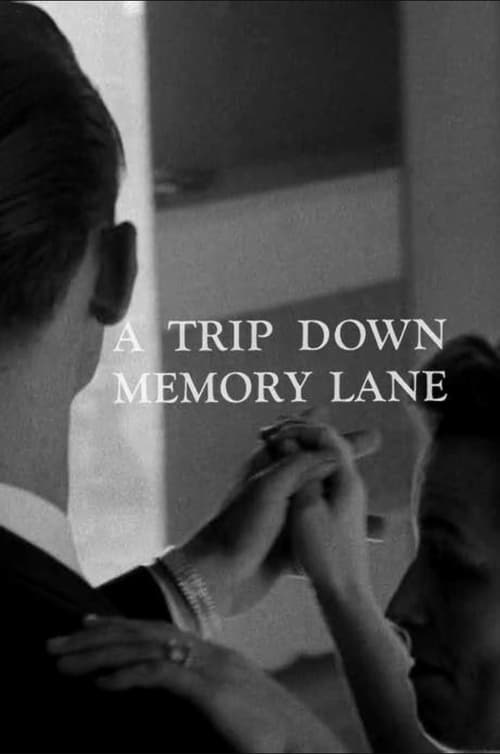
In this experimental collage film, Arthur Lipsett reworks over fifty years of newsreel footage into a surreal audiovisual montage of twentieth-century life. Juxtaposing images of scientific progress, political figures, spectacle, warfare, and everyday leisure, the film becomes a fragmented “time capsule” exploring the rituals and contradictions of modern technological culture.
A Trip Down Memory Lane

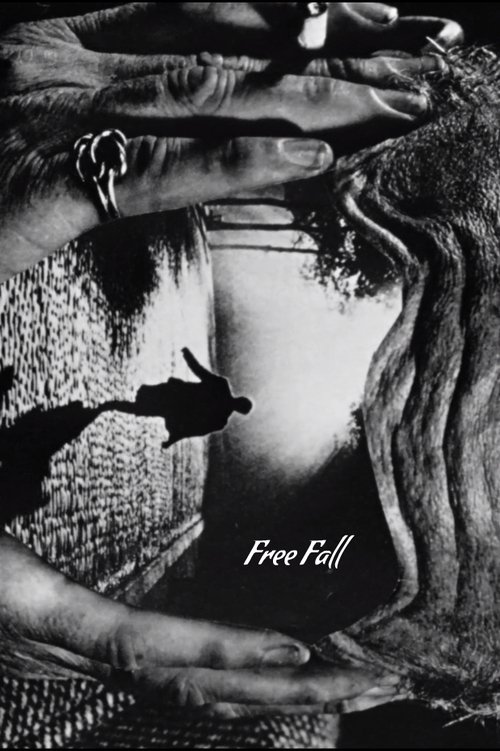
An experimental film from Arthur Lipsett, Free Fall is an assortment of film trimmings assembled to make a wry comment on humankind in today’s world. It evokes a surrealist dream of our fall from grace into banality. (NFB.ca)
Free Fall

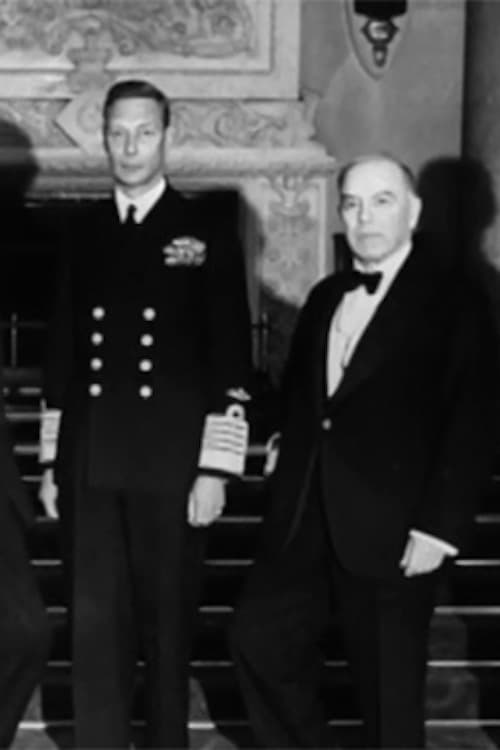
This short satirical film, created entirely from archival footage, is about the British Empire—on which the sun never sets. The majority of the humour and wit is found in the interplay between image and sound: what we see during the formative days of the Empire, and what famous servants had to say about it. Edited by Oscar®-nominated experimental filmmaker Arthur Lipsett (Very Nice, Very Nice).
Imperial Sunset

Norman McLaren attempts to give the opening speech for the first Montreal International Film Festival, but his microphone won't cooperate.
Opening Speech

Documentary short, directed by Arthur Lipsett in 1965 for the National Film Board of Canada
Animal Altruism

Fluxes is Arthur Lipsett's view of the human condition and the mixed-up planet where humans are found. As in his other films (Very Nice, Very Nice; 21-87), Fluxes has a disconnected flow of images that, in their erratic way, build up into a cutting indictment of the world the way it is. The film's only commentary consists of unrelated snatches of words and sounds.
Fluxes

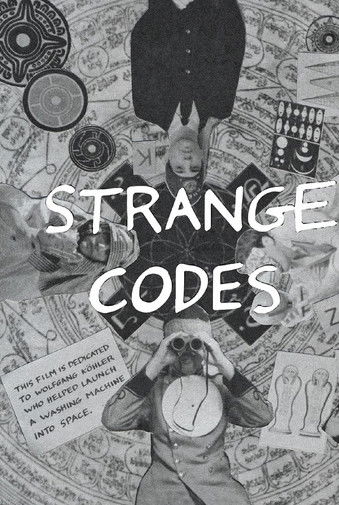
Arthur Lipsett’s Strange Codes is the legendary found-footage filmmaker’s first and only independent film, made after his departure from the National Film Board of Canada. In a rented house in Toronto, Lipsett stages a series of mysterious rituals, appearing onscreen in the guise of various characters, among them, an archeologist, a soldier, a scientist, a magician, and the Monkey King of the Peking opera. Dense with enigmatic gestures and private allusions, Strange Codes operates, in Lipsett’s words, “at the midway points between the primitive, ritualized world and the world of logic and science.”
Strange Codes

Documentary short, directed by Arthur Lipsett in 1965 for the National Film Board of Canada
Fear and Horror

Documentary short, directed by Arthur Lipsett in 1965 for the National Film Board of Canada
Perceptual Learning

Arthur Lipsett’s N-Zone is the longest, loosest and last of the collage films he produced at Canada’s National Film Board (NFB). It marks the end-point of his trajectory from feted young genius to discarded problem child/eccentric within the NFB.
N-Zone

Documentary short, directed by Arthur Lipsett in 1965 for the National Film Board of Canada
Puzzle of Pain

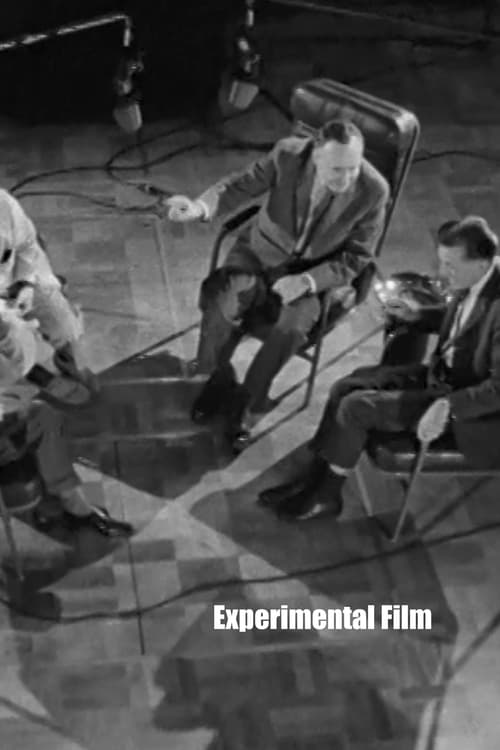
Documentary short, directed and edited by Arthur Lipsett in 1963 for the National Film Board of Canada
Experimental Film

Documentary short, directed by Arthur Lipsett in 1965 for the National Film Board of Canada