Directing
A New York City drug dealer decides to get out of the business, but has to flee from mobsters.
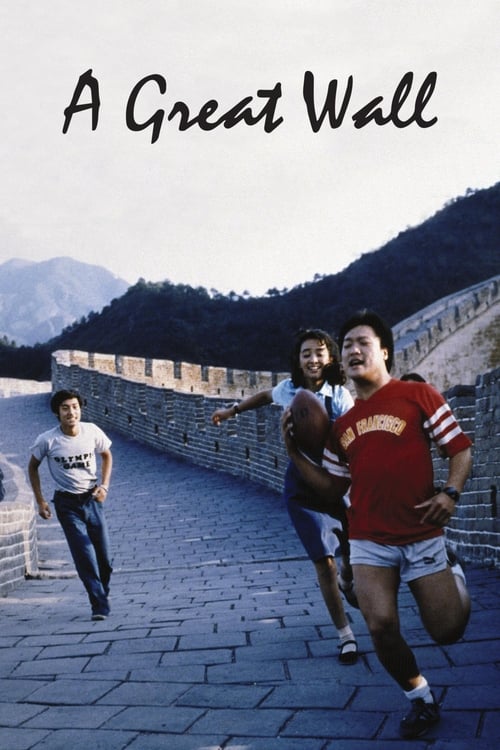
When computer programmer, Leo Fang, is passed up for promotion, he feels it is because he is Chinese, and quits. He takes his Chinese-American family to Mainland China to visit his relatives, the Chao's for a vacation. The clash of cultures, between the men, wives, and teenagers, leads to some confusion, and misunderstanding.
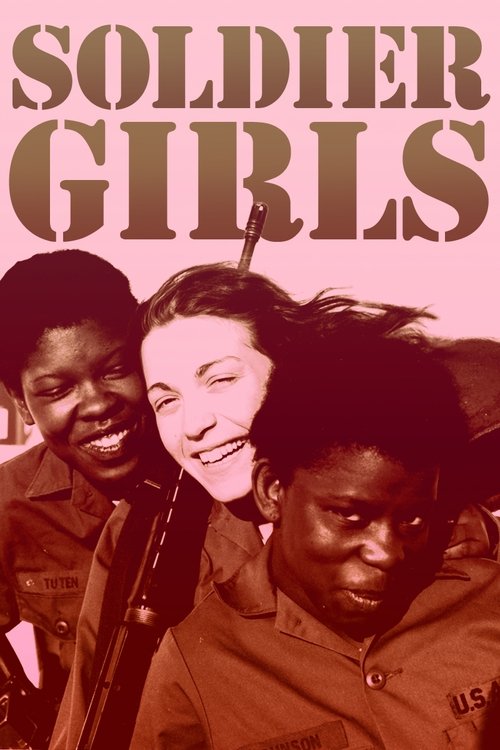
A documentary about women's basic training in Fort Georgia.
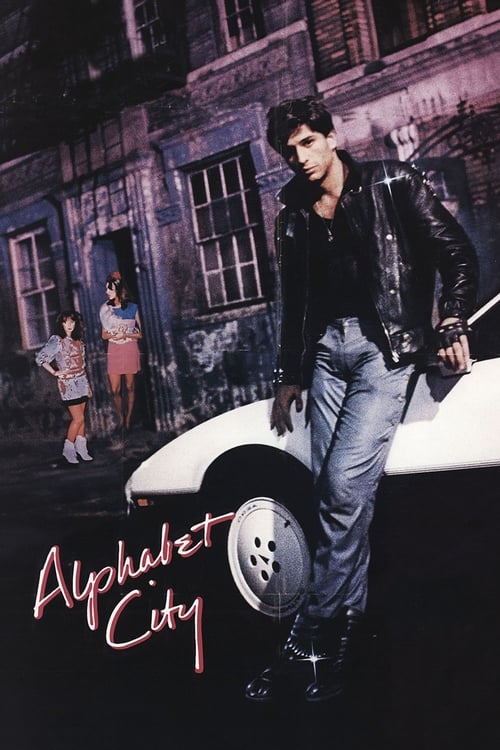
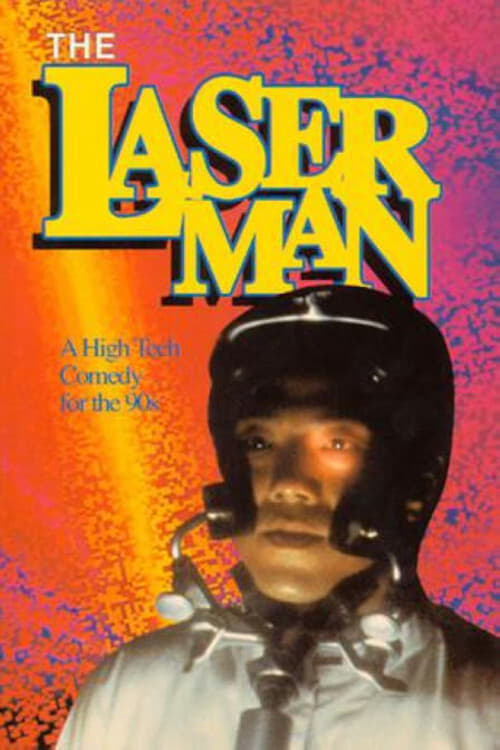
A naive young scientist unwittingly helps mobsters build a laser weapon, then has to try to reclaim it from them in this crime drama parody.
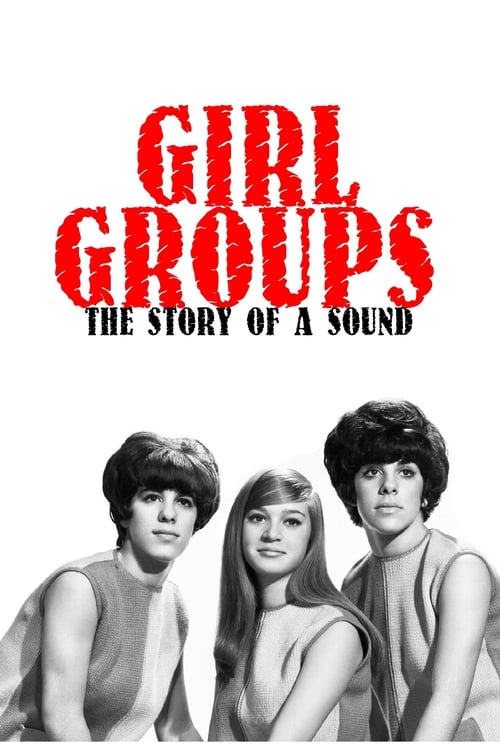
A look back at the girl-group craze of the 60's through archival footage and interviews with those involved.
A documentary about artists Christo and Jeanne-Claude's 1991 grand-scale environmental art project in Japan and California.
Future Perfect is an early algorithmic film, based on a collection of decreasing mathematical series that produce visual and auditory rhythms beyond the control of the filmmakers. (Grahame Weinbren) Preserved by the Academy Film Archive in 2007.
A consideration of things that can only by seen through the use of apparatus of some kind of another.
First the Beaulieu documentation of the shoot, then the Arri footage, the porn loop, and the reprise. VT was shown from 1979–1981, with Jim Fulkerson performing on amplified trombone before the screen. Juan Carlos Kase discussed VT in “Alternative Projections.” Part of his essay, read by the author, is included. Preserved by the Academy Film Archive in 2011.
A virtuosic study of sync-sound cinema, Cagean organizational strategies, and montage. Preserved by the Academy Film Archive in 2009.
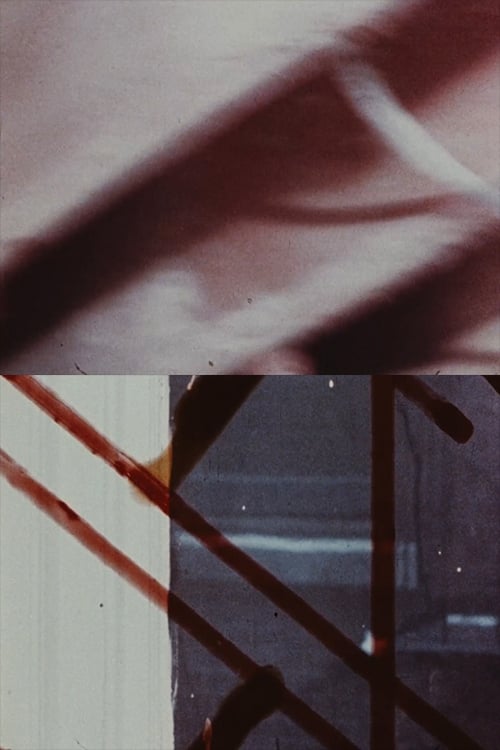
This is a double projection piece which takes advantage of the inconsistencies of ordinary 16mm projectors: it is almost impossible to find two that run at precisely the same speed. The rhythmic patterns of each of the two films are identical, but new patterns are created as the two machines drift further and further apart.
Initially the subject of this film was the multiple threats constantly implicit in cinema ... especially in the perceptual acts of unifying with which we respond to the discontinuities of editing. So the basic images were knives and salamis. But as the music was reworked, highly charged objects began to appear and reappear; instinctual navigation took over, as always, in the editing room ... and the film seemed to adopt another subject entirely. As in all our work, many issues are in uneasy balance, and the film refuses to find a center. Words in the film refer to its own intertextuality. Who is speaking here? And who is addressed?
No description available.
(1974, 16mm, color, sound, 3.5min.)
The juxtaposition of the Schumann cello piece, the performer's voice, and the film is entirely his idea, and we are still surprised at the strength and unity achieved by the superimposition of these three rather different elements.
The words in this short film are taken from Gertrude Stein's "The Making of Americans."
Roberta's great aunt Bertha had 7 children and 13 grandchildren. This film is a portrait of 6 of the surviving grandchildren.
1973, 16mm, 00:12:30