Sibylle Schönemann
Directing
Biography
Sibylle Schönemann (born 1953, East Berlin, East Germany) is a German filmmaker and former DEFA assistant director known for the autobiographical documentary Locked-Up Time (1990). After studying directing at the Hochschule für Film und Fernsehen in Potsdam-Babelsberg, she worked at the DEFA Studio for Feature Films. In 1984, after applying for permission to leave East Germany, she and her husband were arrested by the Stasi and sentenced to prison. Following her release and expulsion to West Germany in 1985, she later returned after the fall of the Berlin Wall to make Locked-Up Time, a documentary confronting those responsible for her imprisonment. The film received international recognition and awards, including the Silver Dove at DOK Leipzig and a German Film Award in Silver. In the 1990s she directed additional documentaries, including Those Days in Terezín (1997), before later working as a psychologist and mediator in Germany.
Known For
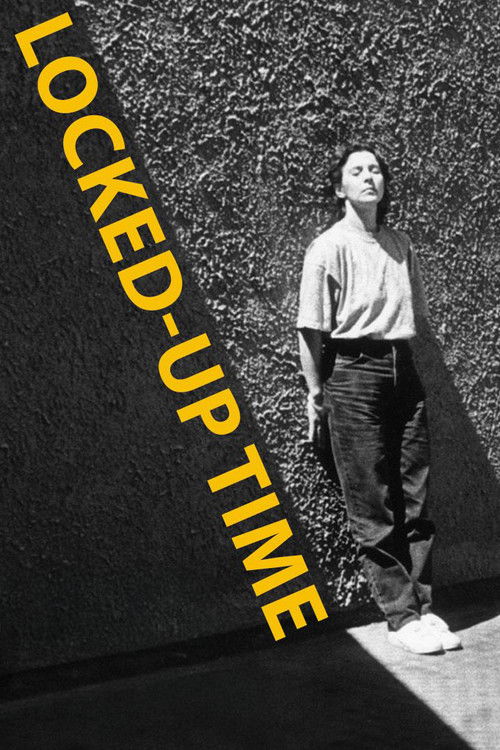
Filmmaker Sibylle Schoenemann, imprisoned by the GDR in 1984, was released to the FRG after having West Germany literally buy her freedom. In 1990 she went back and questioned those responsible.
Locked-Up Time
17-year-old Ramona comes from a home in Berlin to a small village and introduces herself as the baker's daughter. Neither of them knew anything about each other. Laconic images of the dreariness of the East German provinces show the excessive demands on the long-married baker and the mutual speechlessness of daughter and father.
Ramona
The son of a photographer chasing his dream of life in a deserted harbor area is reminded by a chance acquaintance that he loves the same type of woman as his father. When the New Yorker discovers her father's work, she begins to tell new stories with the old pictures, while the man is reminded of the past reality.
Der Fotograf
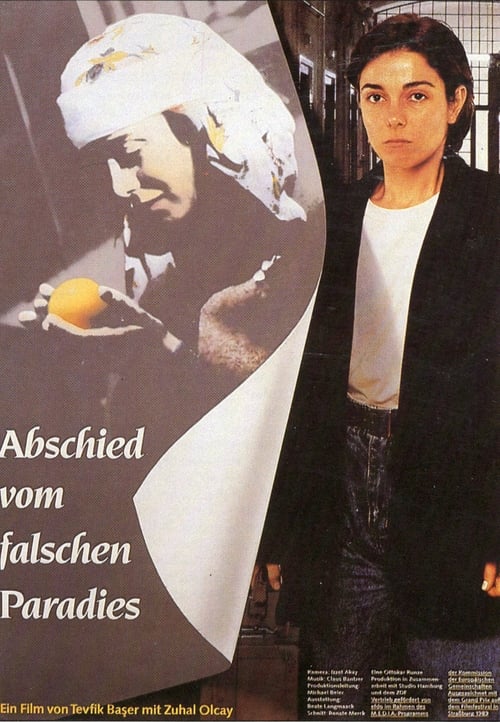
Ironies abound in this extremely sad melodrama about Elif, a Turkish immigrant in Germany who has been sent to prison for murdering her abusive husband. At the time of her imprisonment, she has never ventured outside the Turkish community, and even there has had no friends because of the demands her husband placed on her. She speaks no German. Now, in a place which most people find to be hell on earth, she gains a never-before known taste of freedom among these strangers, who don't even speak her own language. Unfortunately, as a "guest worker," she is horrified to discover that she is soon to be transferred to the horrific prisons of Turkey and will stand trial there for her crime, which will be much less understandingly dealt with in her home country than it would have been in Germany. The false paradise she must say goodbye to is her German prison.
Farewell to False Paradise

Looking for clues about the “Chaplin of Theresienstadt”, ghetto cabaret artist Karel Švenk, Schönemann meets his acquaintances and creates an intergenerational network of memory. Laughter was a form of defence. Resistance means commemoration.
Those Days in Terezín
Sibylle Schönemann’s film about abortion lets young and older women speak; women who were forced to abort by their partners or who chose to carry the baby to term despite predicted difficulties. Assembled as a kind of collage, a round table alternates with stylised passages, while the camera also shows moments in a clinic right before and after the procedure. The attitude vacillates between drama and affirmation of life. Liberal perspectives, with one exception, are left out. Schönemann, together with Tamara Trampe, almost managed to take up the complex issue in a feature film.