
Ernie Gehr
Directing
Biography
"Born in 1941, he began making eight-millimeter films in the mid-’60s. The precipitating event, he told the writer Scott MacDonald in a 2002-3 interview, was a program of Stan Brakhage films that Mr. Gehr caught in New York on a rainy night. The works excited him partly because in their abstraction and attention to color, texture and rhythm they were closer to his experience of 20th-century painting than of movies, and he continued to seek out more of the same. He eventually ended up at the Millennium Film Workshop and borrowing a light meter from the filmmaker Ken Jacobs (with whom Mr. Gehr shares an interest in early cinema). As he walked around New York reading light, as it were, Mr. Gehr discovered “the character of light” and learned about “cinema’s dependency on light.” (from NYTimes profile by Manohla Dargis. Full piece here: http://www.nytimes.com/2011/11/13/movies/ernie-gehrs-films-traffic-in-images-and-light.html?_r=0)
Known For
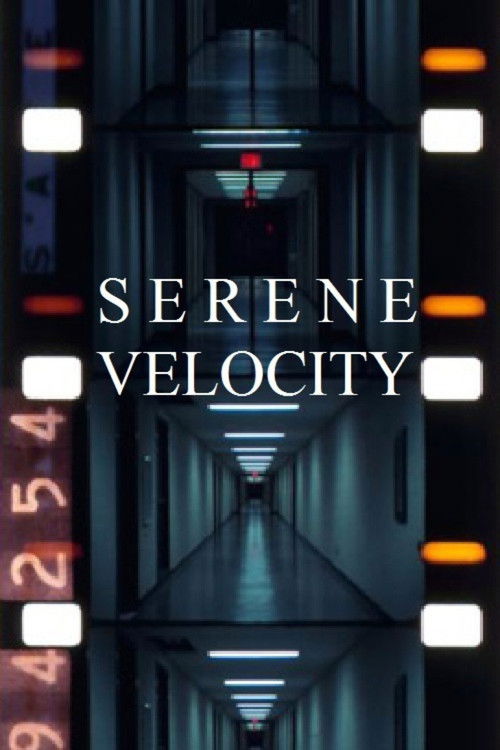
"Serene Velocity (1970) created a stunning percussive head-on motion by systemically shifting the focal length of a stationary zoom lens as it stared down the center of an empty institutional hallway – thus playing off the contradiction generated by the frames’ heightened flatness and the compositions’ severely overdetermined perspective. Without ever moving the camera, Gehr turned the fluorescent geometry of this literal Shock Corridor (in the then – new State University of N.Y at Binghamton) into a sort of piston-powered mandala. If Giotto had made action films it would be this." – J. Hoberman
Serene Velocity
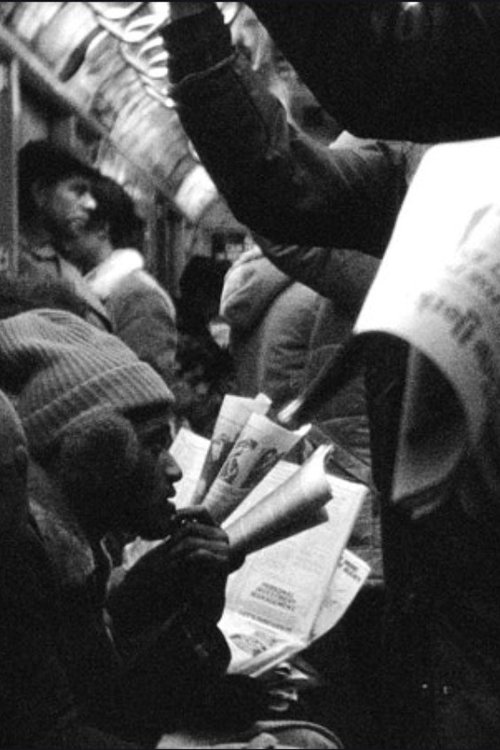
16mm film (black and white, silent)
Workers Leaving the Factory (after Lumière)
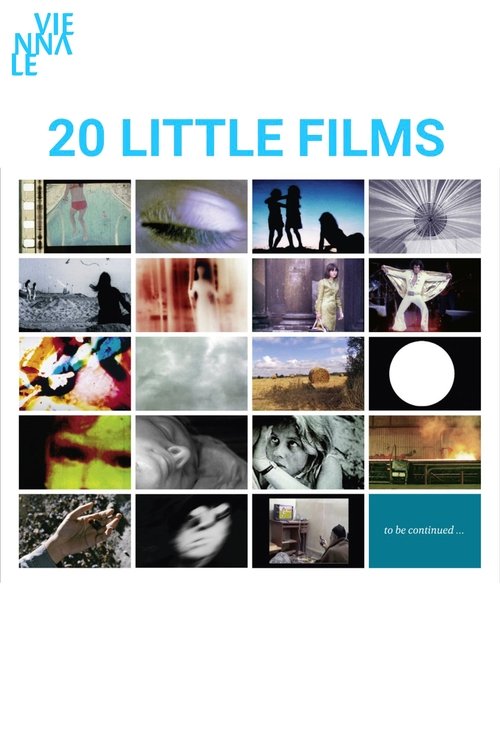
Since 1995, the Viennale has invited renowned directors to create short, one-minute films as personal contributions to the festival. Ranging from home movies to political essays, musical sketches to abstract studies, these “little films” form a unique anthology of cinematic moments. 20 Little Films collects a selection of these works, premiering together for the Viennale’s 50th anniversary at the Locarno Film Festival.
20 Little Films
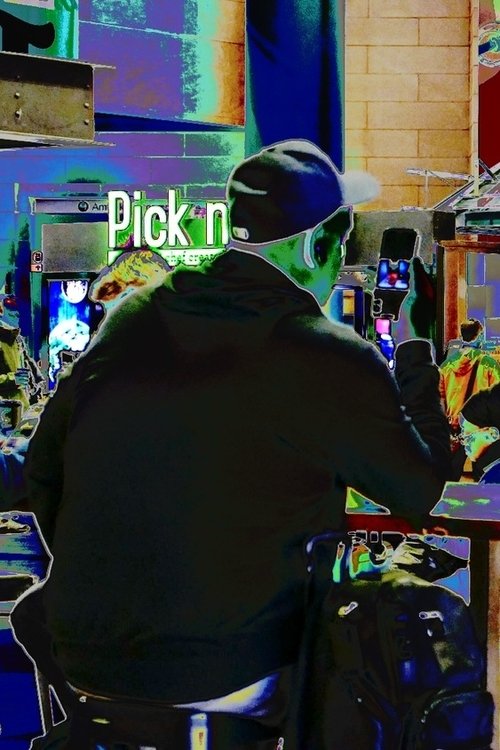
South Station (2024) 19 min. Color. Sound.
South Station
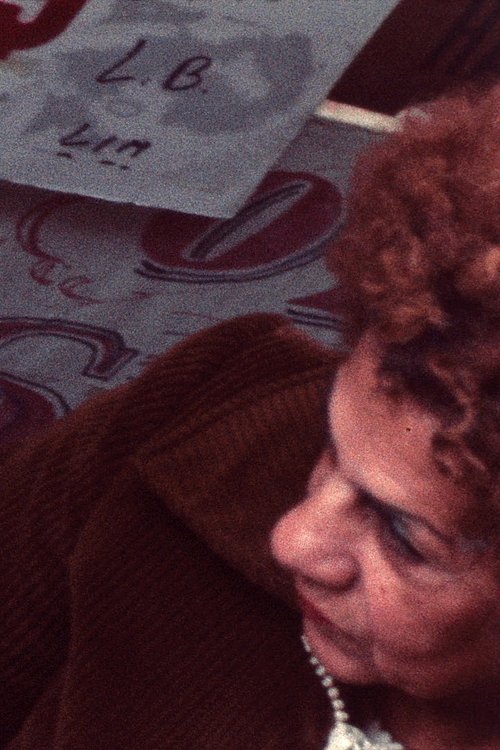
The film is a half-hour series of brief close-ups of people on the street, shot from a high, but still intimate, angle. In a constant interplay of figure and ground, the film shows fragments of feet, heads, hands and elbows against the backdrop of an ancient sidewalk .... The film is fast on the eye, with many staccato camera moves. But, partially because the people are bundled up in winter clothes, one experiences it as a succession of cushioned jolts - the collision of soft, bulky forces that enter the frame from all directions. There is, however, too much raw human interest in the footage for the film to ever become completely abstract.
Along Brighton Beach Avenue
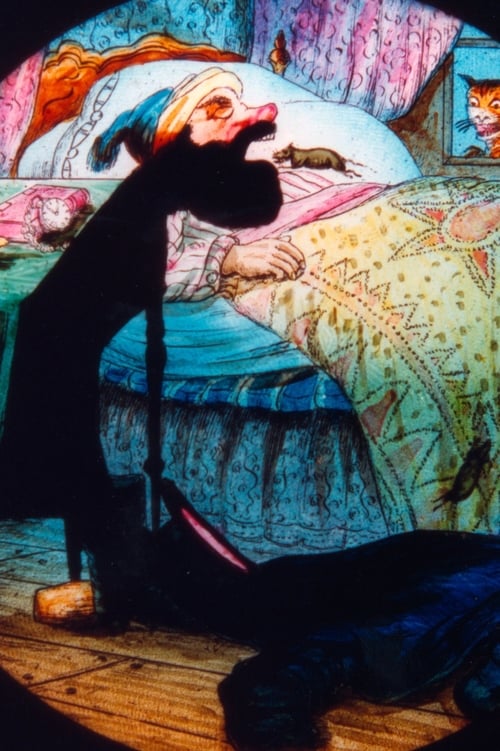
Mechanical glass slides were manipulated to simulate various kinds of change in the image, and multiple projectors allowed for superimposed and dissolving views. Brightly colored, handcrafted slides, depicting human activity, fantasy figures, and landscapes, were typically presented with live narration, music, and sound effects, in what became popular by the 1870s as Magic Lantern shows. Experimental media artist Ernie Gehr’s Panoramas of the Moving Image (2005) is a synchronized five-channel video installation that uses eighty-seven original slides and views selected from Gehr’s personal collection and that of renowned pre-cinema collector David Francis. Projected side by side, the slides create a mesmerizing wide-screen spectacle. A selection of vintage paper Zoetrope strips and Phenakistiscope discs—complementary artifacts of nineteenth-century moving-image technology—are also on display.
Panoramas of the Moving Image: Mechanical Slides and Dissolving Views from Nineteenth-Century Magic Lantern Shows
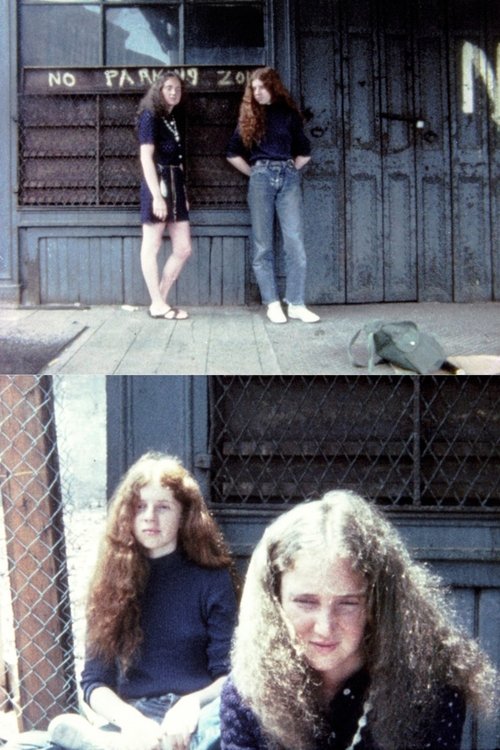
Ernie Gehr's short, silent film [...] shows two young girls, almost children still, on a New York street. Both wear blue, one washed out blue jeans, the other a short, somewhat poor jersey dress. Both are lanky, weary, a little prudish in front of the camera. Only their luscious, wavy preraffaelit hair is meticulously combed and stands in a strange contrast to their overall appearance and the bleak surrounding, in which they linger.
Lisa and Suzanne
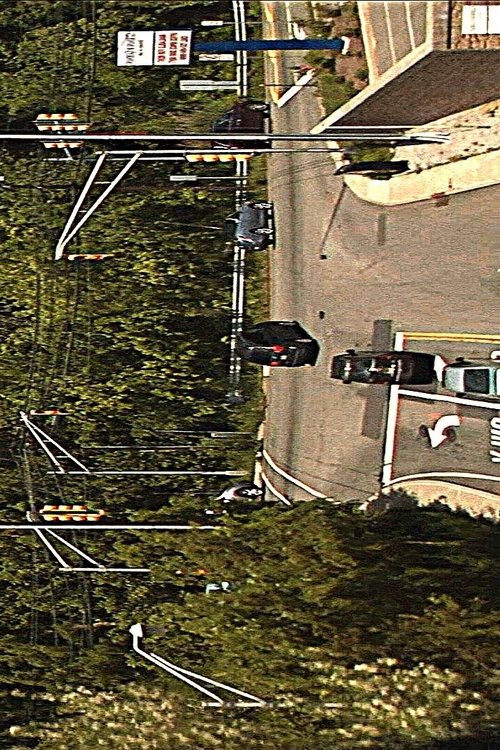
“The eyes may be attracted to look left and right – and please let them – but the center is also intriguing and not separable from the rest. Among other things, a side view is transformed into a frontal view, but of course, that is not all.” - Ernie Gehr
Undertow
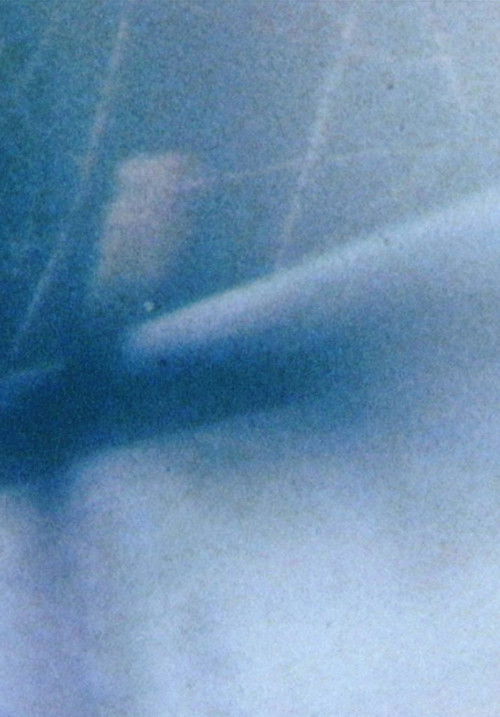
"[A] view from a Brooklyn apartment sublimates Hitchcock's voyeurism into a frenzied engagement with the visible. The film varies exposure or racks focus so that the flickering, spatially ambiguous patterns that press the limits of the frame momentarily dissolve themselves as tree branches or a fire escape or a shadow caught on the screen of someone's laundry rippling in the breeze. 'I cupped one of my hands in front of the camera lens and attempted to make tactile to myself light, color and image,' Gehr explains in his notes, linking the film to his father's death and calling it a 'hopeless attempt' to render the ephemeral tangible." - J. Hoberman, The Village Voice
Rear Window
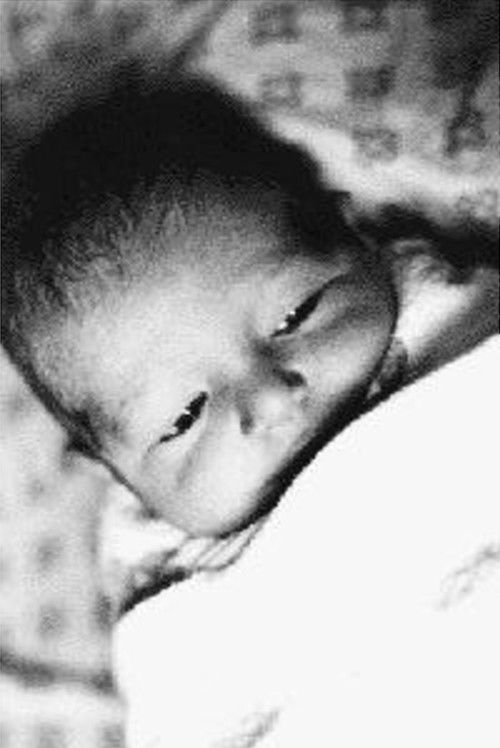
"Before my son was born, friends would ask me "Will you make a baby movie, now?". "Of course not!", I would answer. Yet, right after Daniel was born I found myself filming him, not with the intention of making a film, but with a need to retain, hold on to some moving images of his early and miraculous stage of his life." - Ernie Gehr
For Daniel
"Abstraction in Gehr behaves like an X-ray, revealing unexpected patterns of order under the skin of things. A film like Mirage, one of those most sensuous of Gehr’s abstract films may resemble superficially a strip painting by Kenneth Noland. But it is essential to realize that the bands of color Gehr captures come from the world, shot through a simple clear tube that strips away form and lets only chromatic patterns and motion come through. Even in his most abstract films, Gehr is relating to a world outside his consciousness and trying to stake out a relation to it, testing its order and chaos, its beauty and its threats." – Tom Gunning
Mirage
"Replete with visual and audiovisual humor, these works not only celebrate the pleasures of perception, as well as physical spaces and spaces of the mind, but also remain ethereal and multi-faceted in their formal and perceptual attributes. Rigorous in their construction, these films float between representation and abstraction, all the while opening up new cinematic worlds."
The Astronomer's Dream
Silence dominates the work, as does the screen rectangle, which cuts off the “image” from a life time-space continuum and imposes upon the image its particular character. Within it, there is a play between tonalities, textures, large and small shapes.
Mist
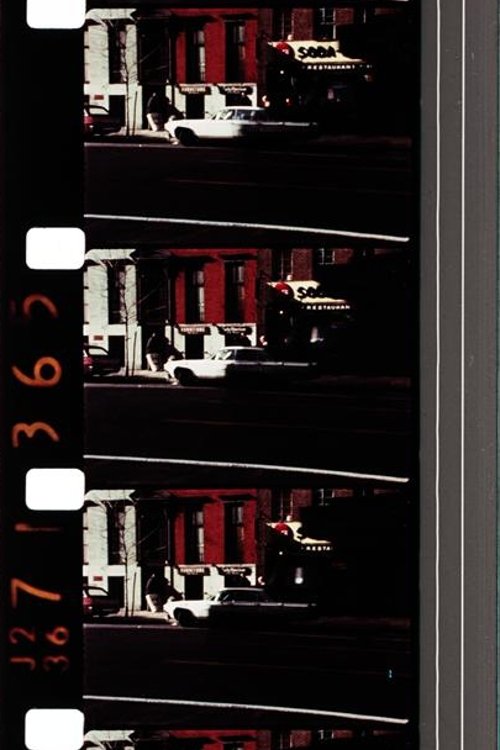
"This collapse of separate times into one image creates another push/pull with the experience of depth. The superimpositions seem to lie on top of the image, yet they move into depth, creating what Gehr describes as a 'teasing play with planes.' But the play with space and position here involves more than tension between layers. The variations on light and shadow on the two levels cause the double-exposures to pop in and out of depth. A shadow on the first level can give the superimposition a sudden burst of solidity. Gehr calls our attention to the multiplicity of depth cues that operate in a film in addition to perspective recession. The cue of overlap creates much of the amusement of the film, as the vehicles on one level plow through the phantoms on the other. Gehr was particularly fascinated by the way depth cues provided by color (with warm colors coming forward) interact with the logic of space..." – Tom Gunning
Still
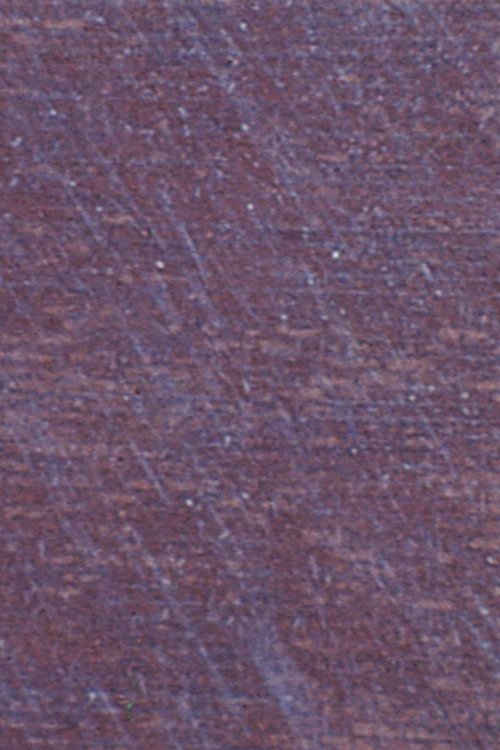
"Untitled begins with a flat, out-of-focus, reddish-pink screen on which blurry white patterns quickly appear and disappear. After awhile a space seems to emerge behind the screen. The swiftly changing patterns generate an experience of soft floating motion, through a field of snowflakes that whirl about in the wind. There is simultaneous serenity and agitation in the portrayed motions. The background appears soft, almost quivering at first, as if alive, and the reddish color suggests warmth and contrast with the snow. As the film progresses the snowflakes get smaller and better focused, yielding a kind of distance perspective and the background acquires more and more substantiality. At some point and often quite suddenly, the trans-like floating experience is broken by the discovery of what lies ahead: a red brick wall! The entire meaning of the earlier experience undergoes a sudden shift as this prototype of the impenetrable obstacle becomes apparent."– Robert Becklen
Untitled
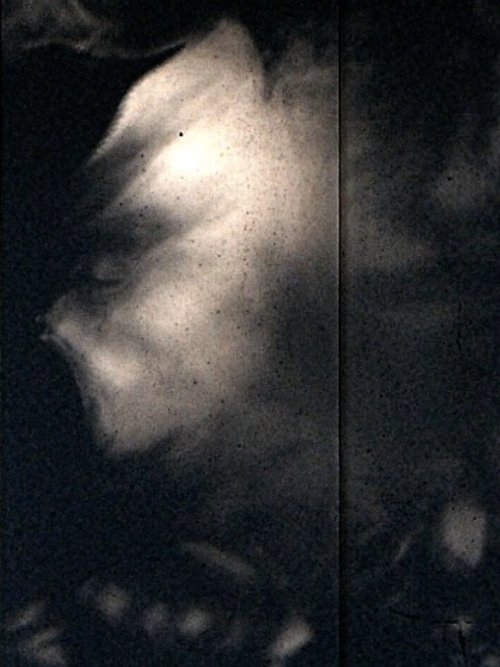
"It was recorded over Summer of 2020, we were isolating ourselves. We live in the ground floor in an apartment building, we have the full backyard which ended up being my interaction with nature – that’s where 'Flying Over Brooklyn' was recorded. Just looking around, what on earth can I do here? I was looking at this reflection of leaves from trees from our neighbour to one of our fences and became interested and began to look at these reflections, some transformed themselves almost day by day, sometimes it was difficult to really catch some of these – it’s creature-like faces I tended to see there. The shadows were exotic for me, they had quality of the tropics, at the same time it’s flat and there are vertical lines which for me denoted prison in a way – you have these bars there, so it’s a contained jungle and that mean different implications for me. The sound we hear, though somewhat amplified, were recorded with the same camera, not necessarily at that moment." – Ernie Gehr
Delirium
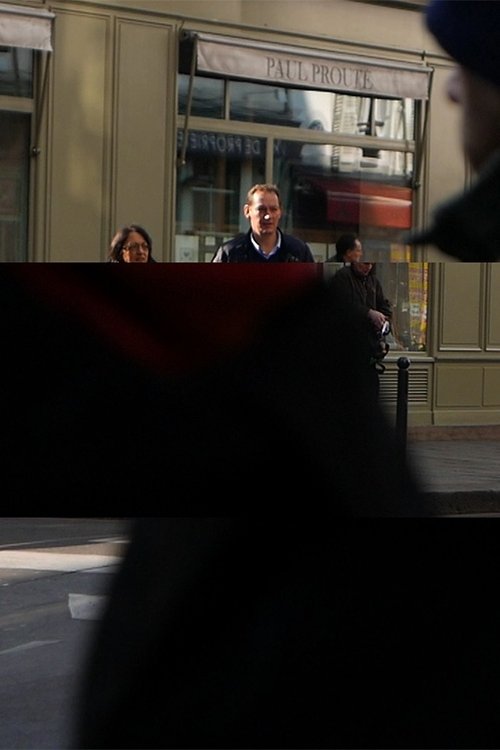
"Throughout his long career, Ernie Gehr has explored cinema's unique potential to reveal the limits and possibilities of visual perception and the illusionary, subjective experience of time. In these recent digital video works Gehr offers profoundly cinematic experiences of place, radically dividing and slowing down the images of city streets and sites to unfold within a single instant the dazzling array of movements and passages too marvelous and manifold for the human eye alone to perceive."
Sunday in Paris
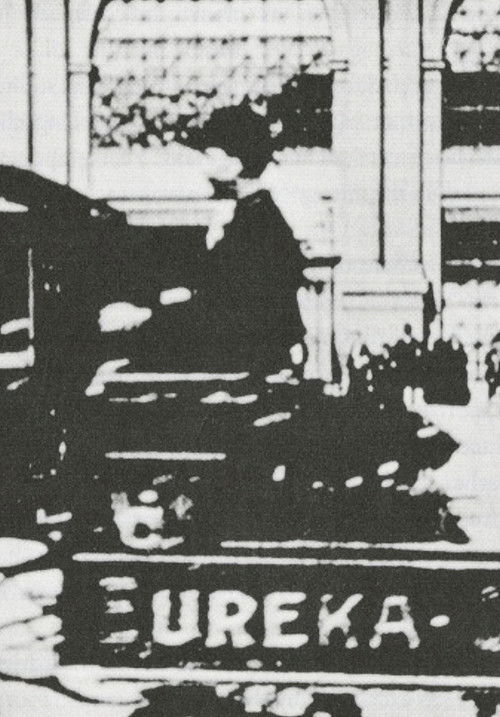
"This is a film that not only documents a place in time, but a modern spatial vision, a look and technology that makes this street the sort of place it is. And here in this preserved piece of history, one also sees the chemical dance of film grain that makes up the material of Gehr’s own History. We do not simply see Market Street circa 1902, but a film of Market Street, and it is as fascinating as the site itself. Film may in some sense exist indifferent to emotions, objects, beings, or ideas. But early in his work Gehr realized that film, even conceived as a thing in itself, can never exist outside of history. The very dance of grain on the screen acquires a history of its production, its screenings, its viewings. History is the place no place can avoid.” - Tom Gunning
Eureka
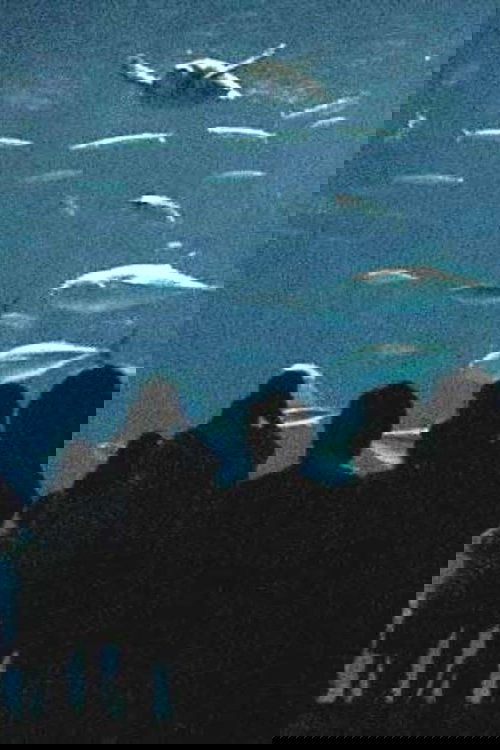
"The other Gehr installation, Modern Navigation, is a two-screen piece that shows people looking at fish in an aquarium. It is dark and mysterious, and seemed to me to be a witty and even slightly ironic comment on museum-going and art viewing in museums, which interpretation Gehr confirms was part of his intent. It's a good idea to see it from different positions, including from different upper-level locations at the top of the ramp." - Fred Camper
Modern Navigation
2020. USA. Directed by Ernie Gehr. Digital. 24 min.