Isaac Julien
Directing
Biography
Filmmaker and installation artist, Isaac Julien was born in 1960 in London, where he currently lives and works. His multi-screen film installations and photographs incorporate different artistic disciplines to create a poetic and unique visual language. His 1989 documentary-drama exploring author Langston Hughes and the Harlem Renaissance titled Looking for Langston garnered Julien a cult following while his 1991 debut feature Young Soul Rebels won the Semaine de la Critique prize at the Cannes Film Festival.
Known For

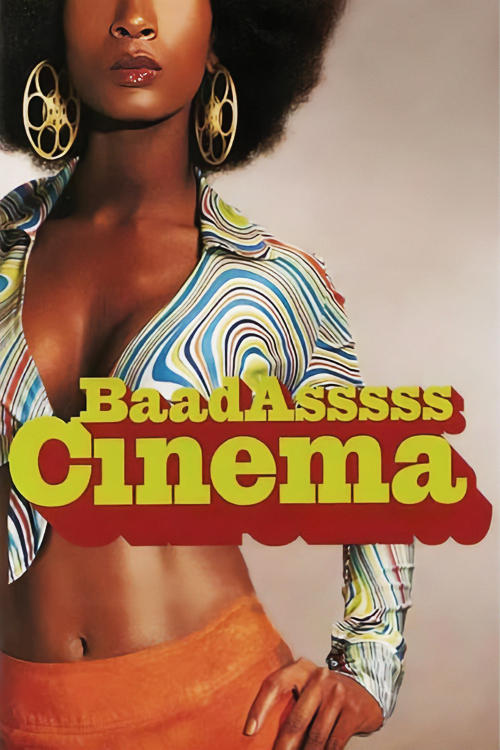
With archive film clips and interviews, this brief look at a frequently overlooked historical period of filmmaking acts as an introduction rather than a complete record. It features interviews with some of the genre's biggest stars, like Fred Williamson, Pam Grier, and Richard Roundtree. Director Melvin Van Peebles discusses the historical importance of his landmark film Sweet Sweetback's Baadasssss Song. For a contemporary perspective, the excitable Quentin Tarantino offers his spirited commentary and author/critic bell hooks provides some scholarly social analysis.
BaadAsssss Cinema

Documentary celebrating the LGBTQ contribution to the arts in Britain in the 50 years since decriminalisation. It features interviews with leading figures from right across the arts in Britain, including Stephen Fry, David Hockney, Sir Antony Sher, Alan Cumming, Sandi Toksvig, Jeanette Winterson, Will Young and Alan Hollinghurst, and it explores the distinctive perspectives and voices that LGBT artists have brought to British cultural life.
Queer as Art

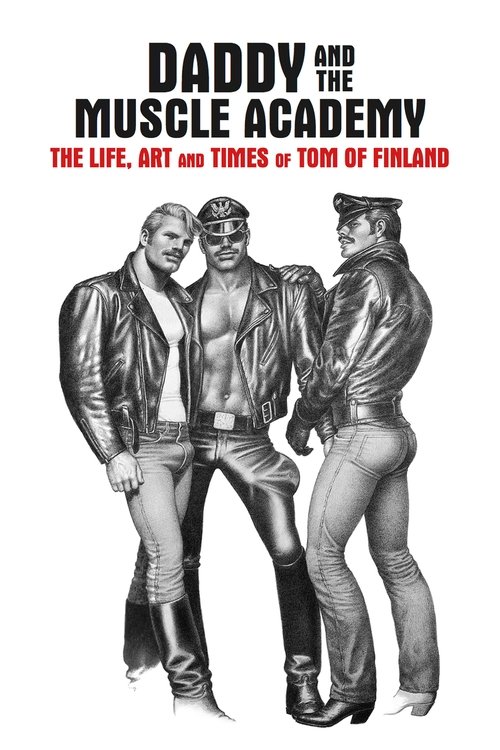
Tom of Finland is one of the gay world's few authentic icons. His drawings have had an enormous influence on gay identity. Tom's ultimate leather men are known and seen everywhere. They are symbols of gay pride and friendship. The documentary includes some titillating 'enactments' inspired by Tom's art work.
Daddy and the Muscle Academy

Over 30 filmmakers and friends of Strand Releasing have come together to honor the company’s indelible contribution to independent cinema over the past thirty years. The participating filmmakers have each created a short film for the project, all shot on iPhones.
30/30 Vision: Three Decades of Strand Releasing

Explores the life and work of the psychoanalytic theorist and activist Frantz Fanon who was born in Martinique, educated in Paris and worked in Algeria. Examines Fanon's theories of identity and race, and traces his involvement in the anti-colonial struggle in Algeria and throughout the world.
Frantz Fanon: Black Skin, White Mask

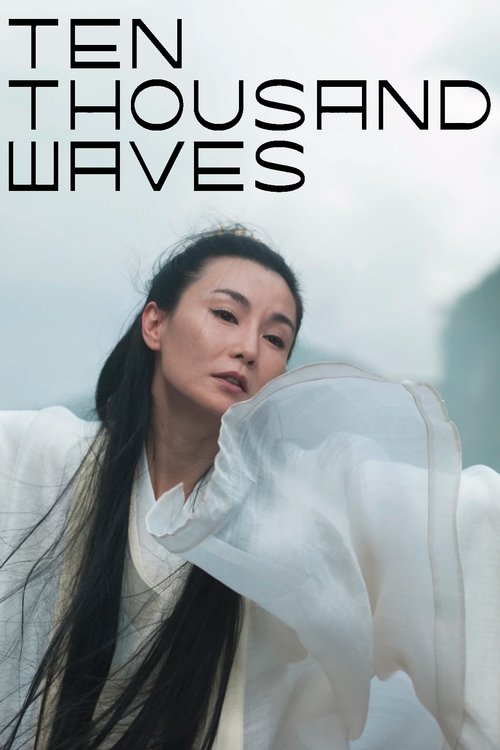
TEN THOUSAND WAVES is a 9-screen installation shot on location in China. The work poetically weaves together stories linking China’s ancient past and present. Through an architectural installation, the work explores the movement of people across countries and continents and meditates on unfinished journeys. Conceived and made over four years, TEN THOUSAND WAVES sees Julien collaborating with some of China’s leading artistic voices, including the legendary siren of Chinese cinema Maggie Cheung; rising star of Chinese film Zhao Tao; poet Wang Ping; master calligrapher Gong Fagen; artist Yang Fudong; acclaimed cinematographer Zhao Xiaoshi; and a 100-strong Chinese cast and crew. The film’s original musical score is by fellow East Londoner Jah Wobble and The Chinese Dub Orchestra and contemporary classical composer Maria de Alvear.
Ten Thousand Waves

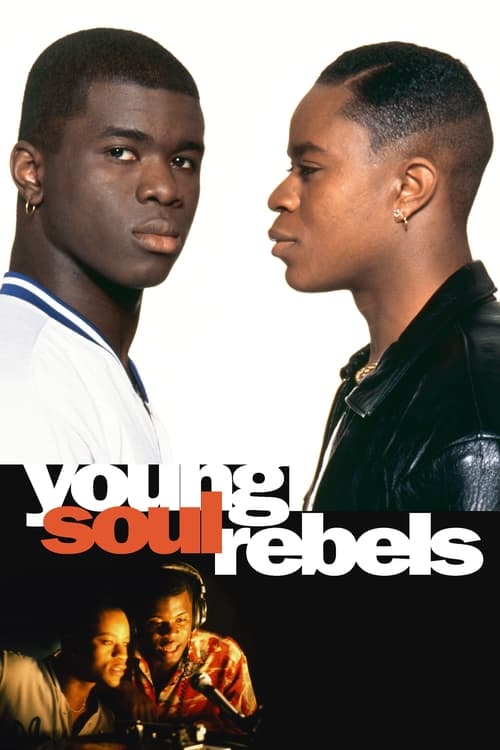
Two disc jockeys have a friend's murder to solve in the fringe-group melting pot of 1977 London.
Young Soul Rebels

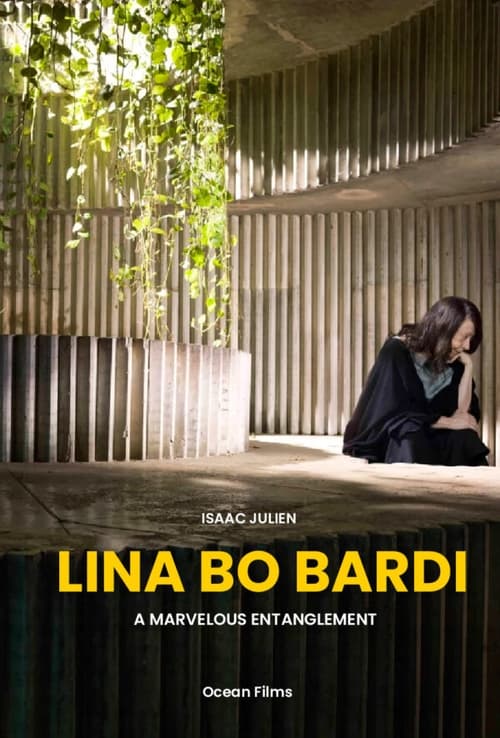
The multiple screen installation and photographic series A Marvellous Entanglement (2019) traverses a collection of Lina Bo Bardi’s most iconic buildings, offering a meditation on the work and legacy of the visionary modernist architect and designer (1914–1992).
Lina Bo Bardi — A Marvelous Entanglement

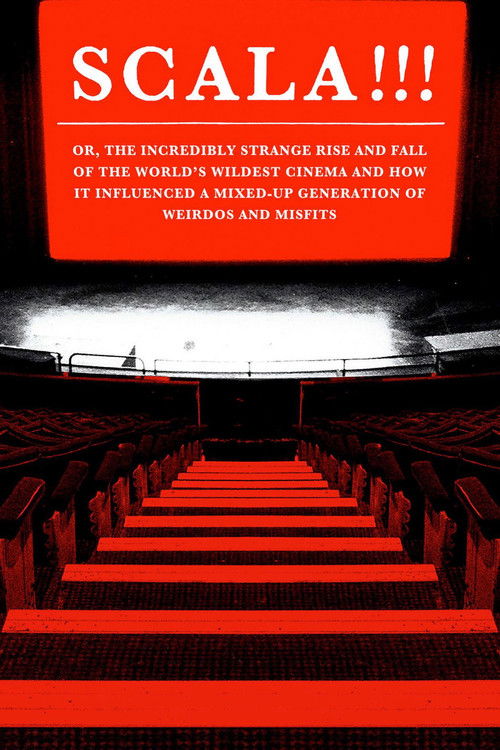
This feature-length big screen documentary tells the riotous inside story of the infamous sex, drugs and rock 'n' roll repertory cinema which inspired a generation during Britain's turbulent Thatcher years.
Scala!!!

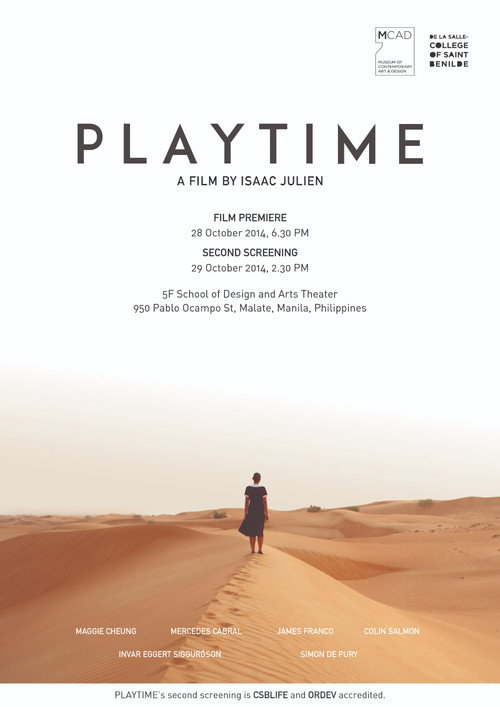
Playtime’s cosmopolitan spectacle, presented in a kaleidoscopic montage across seven large screens, interconnects the lives of its archetypical characters—hedge fund managers and art world players in London; a photographer in Reykjavik; and a Filipina houseworker in Dubai—each of whom is based on a real-life individual directly affected by the market collapse.
Playtime

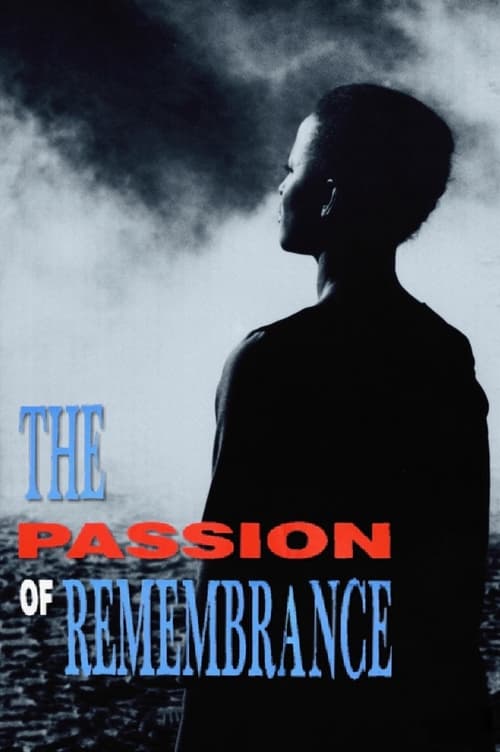
Co-directed by Blackwood and Julien, the first full-length feature film by Sankofa Film and Video offers a radical and necessary interrogation into what constitutes 'post-colonial' identity at a time of political and social restlessness in Britain. Set within an isolated desert landscape contrasted with recognizable scenes of the intensity of family life, this vanguard work demonstrates the richness and variety of the black experience; it is a poetic and hard-hitting commentary on the complexities of race, gender and sexuality.
The Passion of Remembrance

A bittersweet and nostalgic short drama illustrating the spirit of modern families touched by the experience of migration. Miss T., from the Caribbean, lives alone in her one-room apartment, her children and husband having left her to pursue new dreams. When she dies her family and friends gather at her wake. The tapestry of words that interweave the drama convey the fragments of a life lived, but only partly remembered.
Dreaming Rivers

An immersive installation by the artist and filmmaker. "Coda" to Looking for Langston.
Once Again... (Statues Never Die)

A black and white, fantasy-like recreation of high-society gay men during the Harlem Renaissance, with archival footage and photographs intercut with a story. A wake is going on, with mourners gathered around a coffin. Downstairs is an elegant bar where tuxedoed men dance and talk. One of them has a dream in which he comes upon Beauty, who seems to reject him, although when he awakes, Beauty is sleeping beside him. His story and his visits to the jazz and dance club are framed by voices reading from the poetry and essays of Hughes and others. The text is rarely explicit, but the freedom of gay Black men in the 1920s in Harlem is suggested and celebrated visually.
Looking for Langston

Jim Moir (aka Vic Reeves) explores Video Art, revealing how different generations ‘hacked’ the tools of television to pioneer new ways of creating art that can be beautiful, bewildering and wildly experimental.
Kill Your TV: Jim Moir’s Weird World of Video Art

This is an experimental documentary chronicling the March 1995 groundbreaking conference on lesbian and gay sexualities in the African diaspora. The conference brought together an array of dynamic scholars, activists and cultural workers including Essex Hemphill, Kobena Mercer, Barbara Smith, Urvashi Vaid and Jacqui Alexander to interrogate the economic, political and social situations of diasporic lesbians, gay men, bisexual and transgendered peoples. The video brings together the highlights of the conference and draws connections between popular culture and contemporary black gay media production. The participants discuss various topics: Black and queer identity, the shortcomings of Black nationalism, and homophobia in Black communities. Drawing upon works such as Isaac Julien's "The Attendant" and Jocelyn Taylor's "Bodily Functions", this documentary illuminates the importance of this historic conference for Black lesbians and gays.
Black Nations/Queer Nations?

Memory mixes with desire as a museum attendant is caught up in sado-masochistic fantasies inspired by a 19th century painting of slaves in chains called Scene on the coast of Africa. The man remembers his past as a singer and delivers Dido's lament from Purcell's opera.
The Attendant

The film explores the storied relationship between Dr Albert C. Barnes, an early US collector and exhibitor of African cultural artefacts, and the renowned philosopher and cultural critic Alain Locke, known as the “Father of the Harlem Renaissance”.
Once Again... (Statues Never Die)

Lost Boundaries is comprised of footage shot by Julien on location, in England in the summer of 1985, during the making of the Sankofa film and video collective's first experimental feature film The Passion of Remembrance (1986), which he co-directed with Maureen Blackwood, another member of the collective. In recapturing those moment Lost Boundaries both deconstructs and foregrounds the means of 16mm film production while weaving together a fragile community of Black artists and actors who came to prominence at a time when debates in film theory - such as those of the Screen film journal and of "third cinema" discourses where cinema was intertwined within (Brechtian) filmmaking practices - were at the forefront of forging a new politics of artistic representation. A Black avant-garde.
Lost Boundaries

Paradise Omeros delves into the fantasies and feelings of "creoleness" - the mixed language, the hybrid mental states and the territorial transpositions that arise when one lives in multiple cultures.