Acting
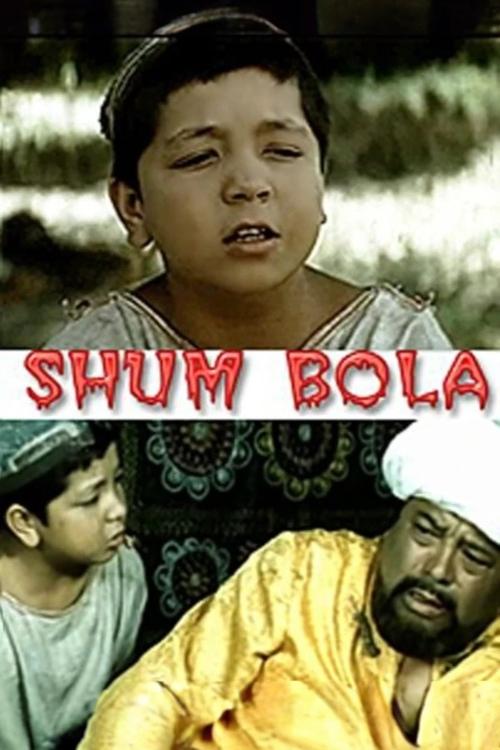
The Mischievous Boy — "Shum bola", a film on the eponymous story of Gafur Gulyam about the adventures of a little boy, whose restless character makes him different people and life situations.
No description available.
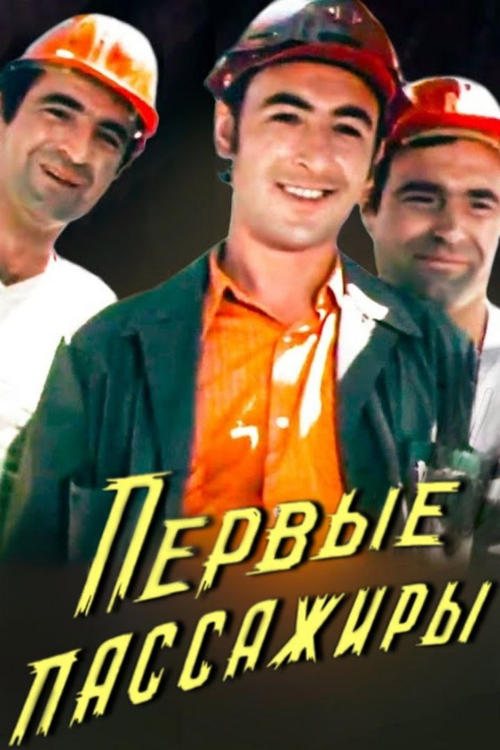
The hero of the film is one of the leaders of the construction of the first Tashkent metro in Central Asia, who proved himself not only a good specialist, but also a skilled organizer...
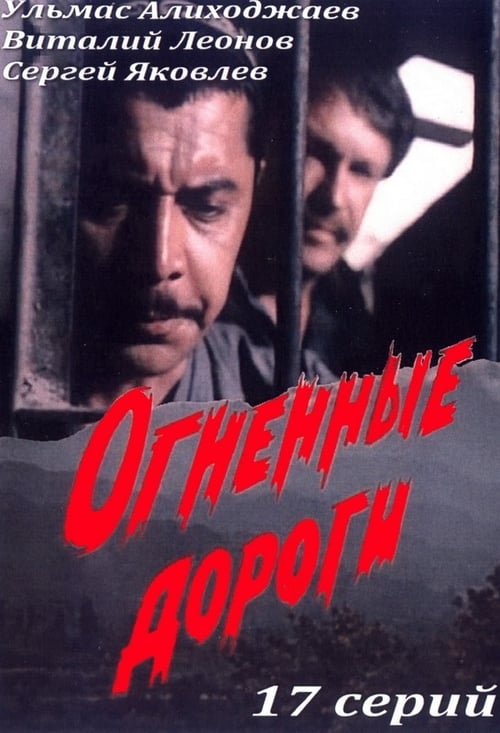
The Red Army soldier Maksud returns with a detachment of the Red Army to his native village. Maksud sees that nothing has changed in the village — just like in the old days, the bai are rampaging, oppressing the people: bek Rahmankul ordered the hanging of two dehkans who plowed the land that the Soviet government gave them. Obsessed with hatred of the new order, Rahmankul asks Sheikh Abbas to give him the treasures of the mosque to arm his gang.
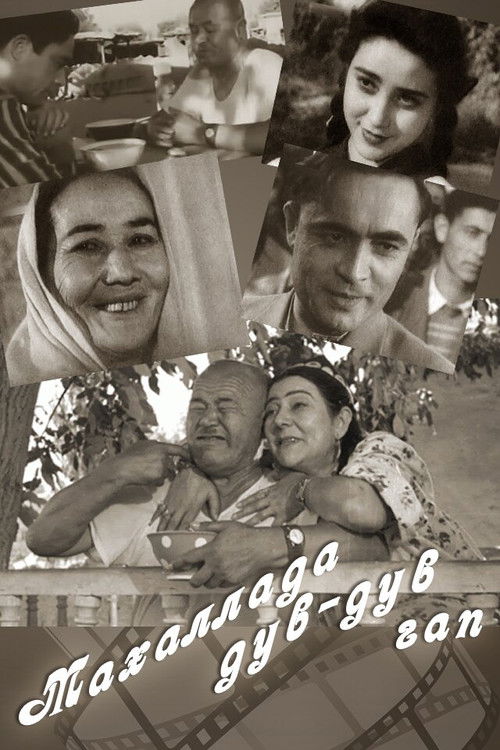
The events in Mahallada duv-duv gap occur in a mahalla — a traditional Uzbek neighborhood — in an old part of Tashkent at a time when big-scale construction works are taking place. The movie humorously depicts the relationships between traditional parents and their modern children.
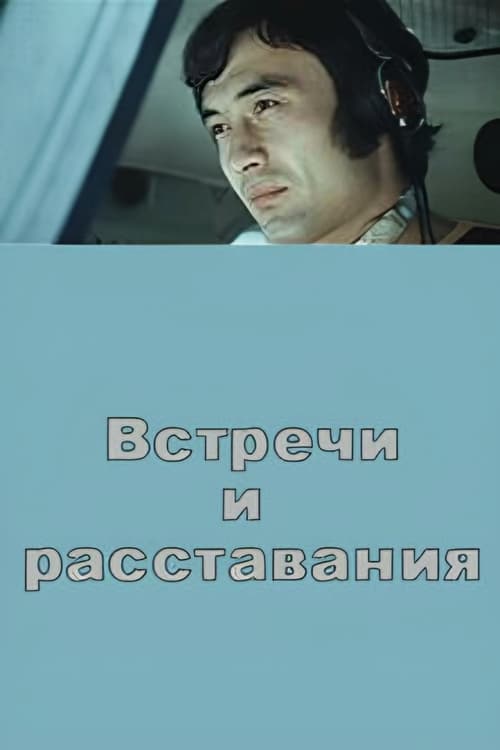
Uzbek young man Rustam, a helicopter co-pilot, is participating in the construction of a high-voltage line in the Alps. One day in West Germany, where he was sent on a long business trip, the hero meets Uzbek emigrants. The external well-being of the new friends very soon revealed the catastrophic nature of everyone’s destinies. These meetings contribute to Rustam’s spiritual and civic maturity; the hero rediscovers the necessity and significance of his homeland, where his family and friends have long been waiting for him.
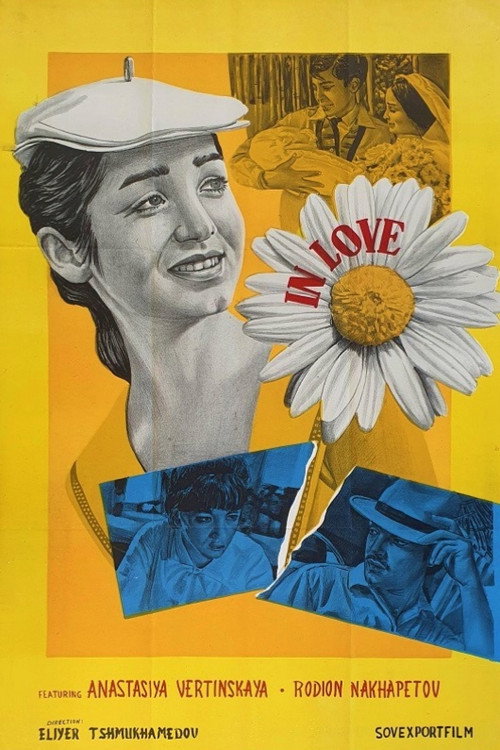
A subtle lyrical story about youth, the search for truth, the first painful experiences of love of young men from Tashkent. Rodin — a kind and whole man — finds it difficult to live with a girl who doesn't love him, and he himself saves her from the need to lie and suffer. Rustam's life is different: he's loving and talented. Thassos — a Greek by birth — returns to his homeland, where his mother and sister were found, but there flashed a junta of "grey colonels".
This picture of Alisher Khamdamov is constructed as a legend of Bakhshi, who pulls his endless song about the brave defender of all the disadvantaged Namaz, thereby brightening up the halt of Russian officers who are serving a dull service in the Turkestan region.
Surgeon Alim Sabirov, fearing for the patient’s life, offers his services to Valieva, a protégé of the head of the hospital, who is preparing to defend her dissertation. Due to an unsuccessful operation, the patient dies. But Valieva intends to continue her career in surgery and asks Sabirov to sign a certificate of death, allegedly due to heart failure. The hero does not sign the conclusion and, moreover, begins a decisive fight against the unrest in the hospital.
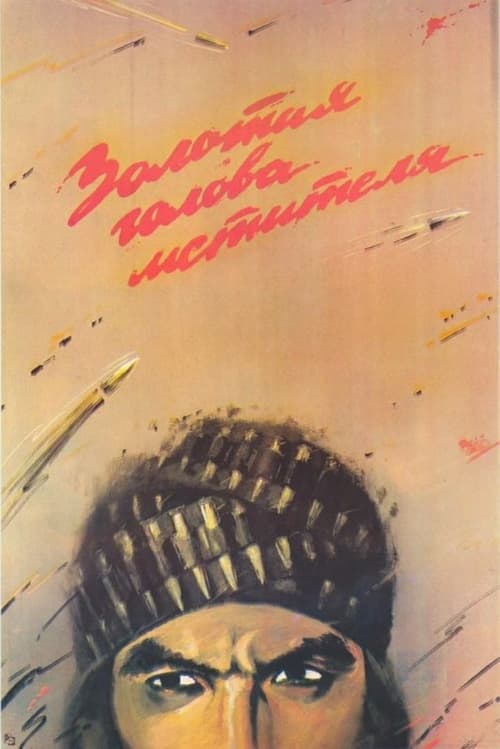
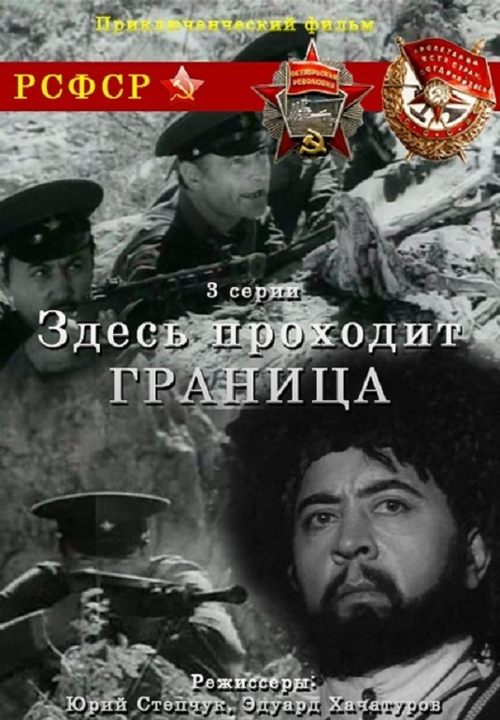
Despite the restoration of Soviet power in the area, Basmachis continue to arrive from across the border, bringing death and destruction to peaceful villages. One of the bands of rebels is led by Khairulla who is pitted against the militsiya (local militia) leader Maxumov. At first it seems hopeless for Maxumov as the rebels capture most of his men, winning them over to his side. He has only one strategy left; to give himself up, and try to explain to the people that Khairulla has deceived them, turning the soldiers back to revolution. Later in pursuit of his enemy, he chases Khairulla across a river. He has only one bullet left -- the seventh, and he must not miss his target!
About the fate of Hamza Hakim-zadeh Niyazi, an Uzbek poet, playwright, and public figure.
A Bolshevik army officer and Uzbek who has been nursed back to health by a young Uzbek woman to whom he is now married, gains responsibility for the local village in 1929. He is urged by comrades in Tashkent to have the local women drop their chadors and veils but he is also told that he should not force this on anyone. His wife declines to take off her veil, so a 14 year old girl steps forward to set the example, over the objections of the local Muslim clergy and most of the village men. After the girl is killed, and the commissar is shot, his wife takes him to the hills to nurse him back to health once again. She begs her husband to leave the village. Instead when he decides to return, she is pressured by her father to continue to wear the veil.
After returning from the army, Rustam easily and naturally fits into the environment of workers from a petrochemical plant. The almost boyish carelessness and irresponsible pastime is replaced by an understanding of one's own need for a common cause, and a sense of inner dignity arises. This is what makes Rustam not reconcile himself to the fact that the brigade in which he works is among the laggards and is characterized by indiscipline. Having become a foreman, Rustam tries to create a healthy working atmosphere, takes part in the fate of Sagat, who recently returned from prison, rejects the attempts of the head of the shop to bribe the trust of the brigade with a "fake" salary. And outside the factory, he acts from a position of active kindness, although sometimes, helping others, he forgets about himself, does not have time to sort out the relationship with his girlfriend Lucy...
Crowded alleys of the evening park, music, laughter, festive fireworks. And the two are talking about murder or suicide, about the syringe found in the dead woman's hands, about the time when death occurred. These two are employees of the criminal investigation department. They will have to find criminals in a large, busy business city who stole, cheated, and, if necessary, did not stop at murder, removing unintended witnesses or unreliable accomplices from their path.
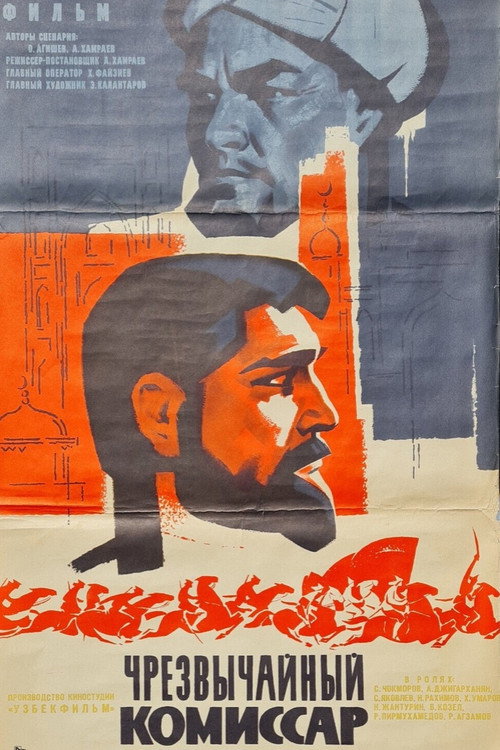
Extraordinary Commissar Pyotr Kobozev arrives in Soviet Turkestan on Lenin's personal order. He will have to quickly and accurately understand the situation and take appropriate measures against the counter-revolutionaries.
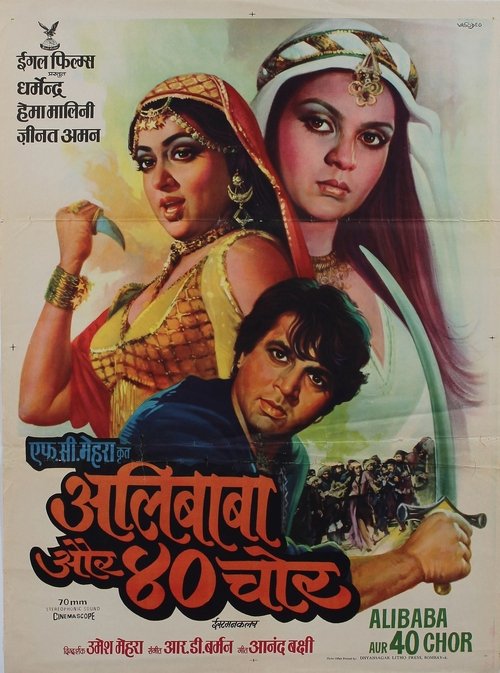
A village man accidentally uncovers a web of political intrigue after discovering and distributing treasures from Hussain's secret hideout. The Khazi sets a gang of ruthless bandits on the man to ensure the safety of his treasures.Based on the story of Ali Baba and the Forty Thieves from the 1001 Nights or Arabian Tales.
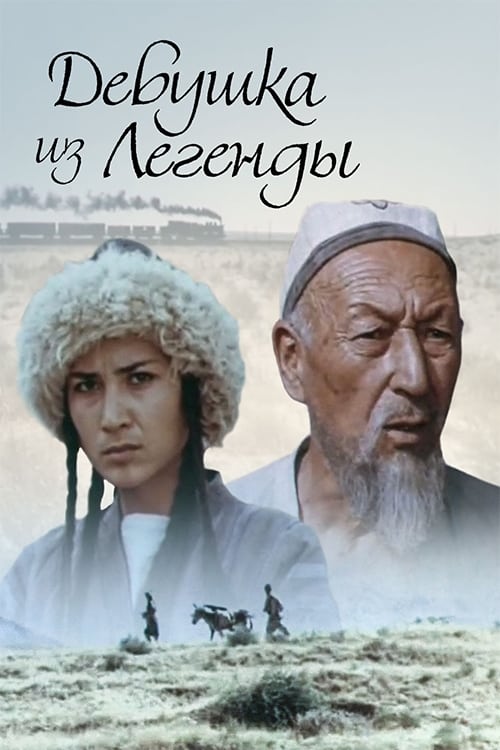
There is a civil war in Turkestan. Many people stood up in arms to defend the young Soviet government. Among them is the young Mayna Khasanova. She devoted her life to the struggle for the ideals of revolution. Mayna, as a girl from a legend, will accomplish a feat, a story about which many generations of Soviet people will betray by word of mouth. The young heroine will be awarded the Order of the Red Banner of Battle.