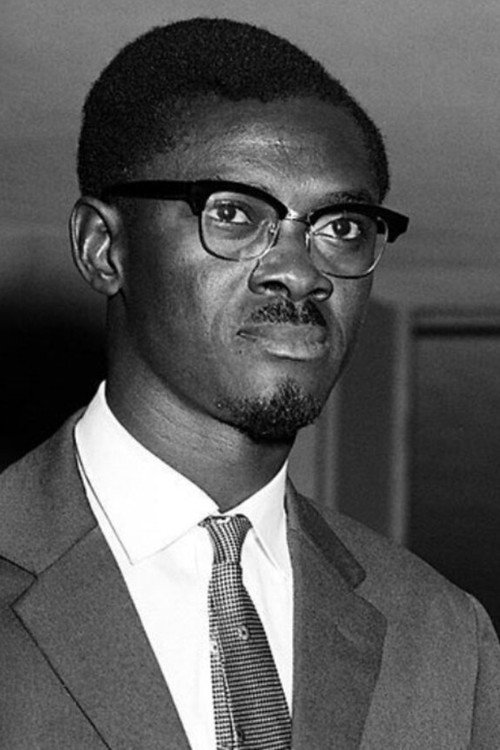
Patrice Lumumba
Acting
Biography
Patrice Émery Lumumba, born Isaïe Tasumbu Tawosa (2 July 1925 – 17 January 1961) was a Congolese politician and independence leader who served as the first prime minister of the Democratic Republic of the Congo from June until September 1960. He was the leader of the Congolese National Movement (MNC) from 1958 until his assassination in 1961. Ideologically an African nationalist and pan-Africanist, he played a significant role in the transformation of the Congo from a colony of Belgium into an independent republic.
Known For
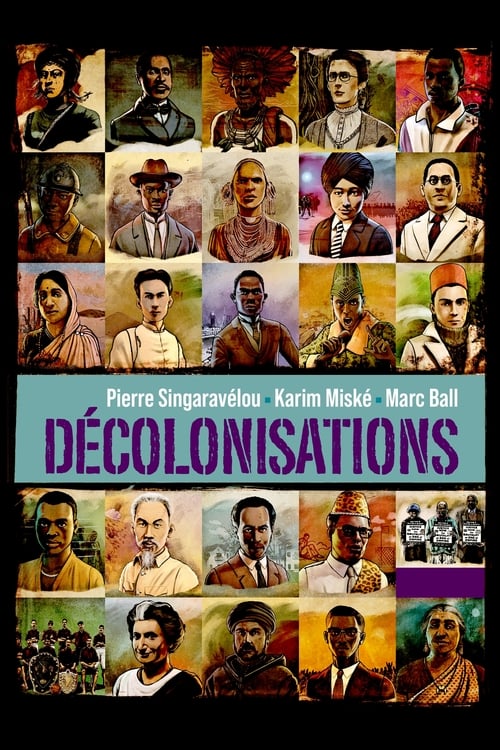
The history of decolonization from the point of view of colonized peoples, an epic story that still resonates and reverberates to this day.
Decolonisation
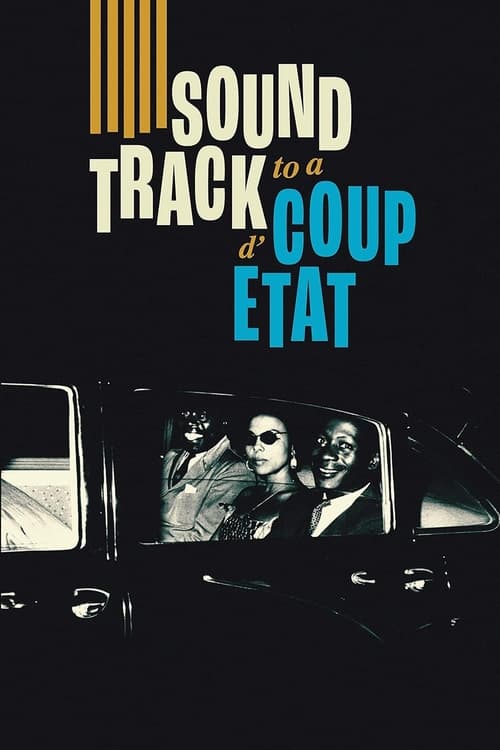
Jazz and decolonization are intertwined in a powerful narrative that recounts one of the tensest episodes of the Cold War.
Soundtrack to a Coup d'Etat

How African artists have spread African culture all over the world, especially music, since the harsh years of decolonization, trying to offer a nicer portrait of this amazing continent, historically known for tragic subjects, such as slavery, famine, war and political chaos.
Africa Rising
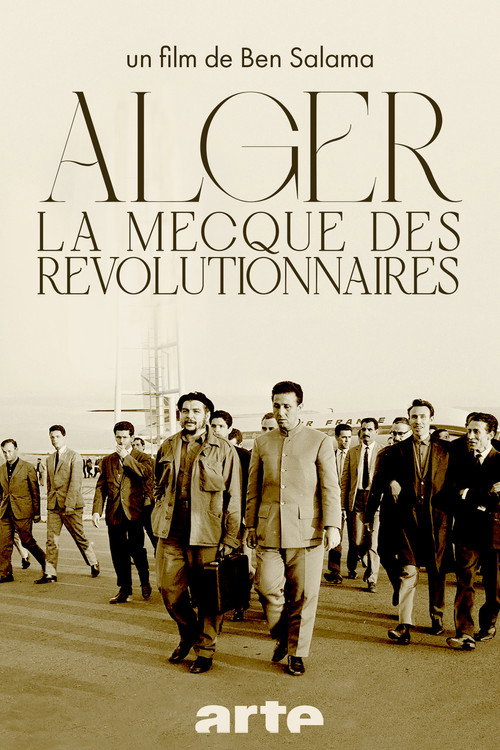
From the early 1960s to the mid-1970s, independent Algeria provided significant support to anti-colonial movements and revolutionaries worldwide. Successive presidents, Ahmed Ben Bella and then Houari Boumédiène, made Algiers a haven for activists fighting against colonial and racial oppression. Algiers the White became Algiers the Red. The internationalist Che Guevara established his base of operations there for his guerrilla activities in Africa. The African-American leader Eldridge Cleaver made it the international headquarters of the Black Panther Party. During this period, Algiers was known as "The Mecca of Revolutionaries."
Algiers, the Mecca of Revolutionaries (1962-1974)
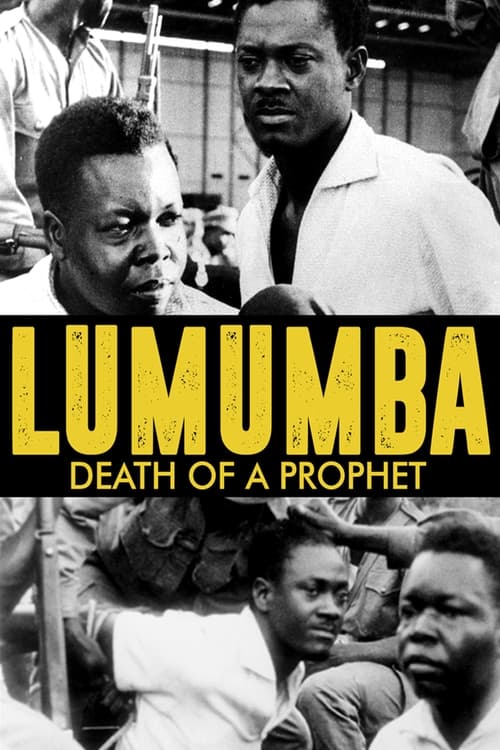
Documentary about African political leader Patrice Lumumba, who was Prime Minister of Zaire (now Democratic Republic of Congo) when he was assassinated in 1961.
Lumumba: Death of a Prophet
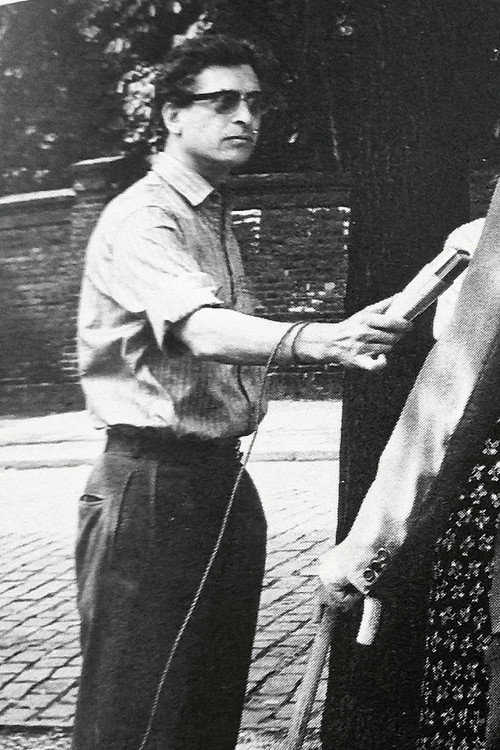
The Belgian documentarian Frans Buyens interviewed passers-by in East Berlin and Dresden, factory workers and technical draftswomen at the Warnow shipyard in Stralsund, small business owners in Chemnitz, LPG farmers in the countryside, foreign students at the Gottfried Herder Institute in Leipzig and industrial workers in Magdeburg and Eisenhuettenstadt. "The GDR seen through the eyes of a foreigner" was the original title of the film. A few years after the Wall was built, Buyens documented the approval, disapproval and fears of the interviewees.
Talking with Germans
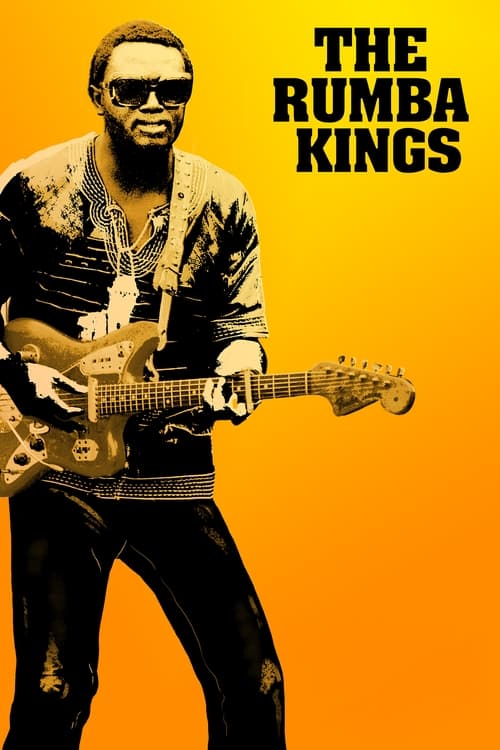
In the fifties, when the future Democratic Republic of Congo was still a Belgian colony, an entire generation of musicians fused traditional African tunes with Afro-Cuban music to create the electrifying Congolese rumba, a style that conquered the entire continent thanks to an infectious rhythm, captivating guitar sounds and smooth vocals.
The Rumba Kings
Taking the viewer on a tour through several African nations and using the full range of agit-prop aesthetics in its imagery, didactic voice-over and melodramatic soundtrack, Law of Baseness offers a scathing anti-colonialist and anti-capitalist indictment of the Western world.
Law of Baseness
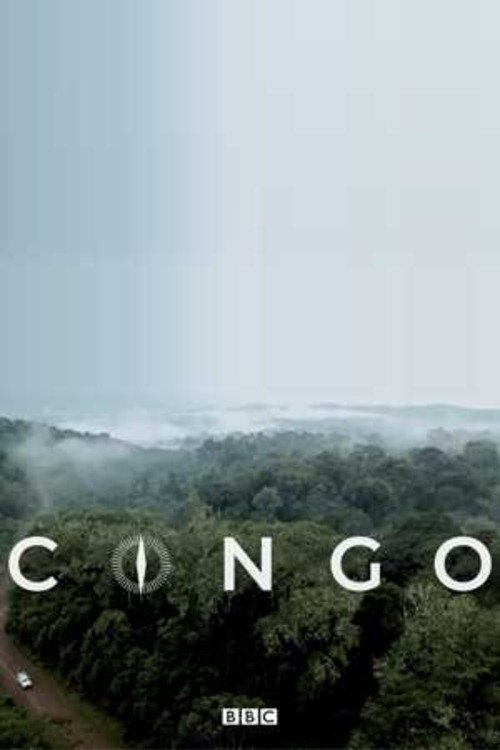
The Democratic Republic of the Congo is a vast, mineral rich country the size of Western Europe. Alastair Leithead takes an epic journey from the Atlantic Ocean to the far reaches of the Congo river to explore how history has shaped the Congo of today and uncover the lesser told stories of this beautiful, if troubled country. In the largest rainforest outside of the Amazon he comes face to face with its gorillas and hunts with pygmies, he travels into the heart of the Ebola outbreak with United Nations peacekeepers, and explores the cobalt mines which will drive our electric cars of the future.
Congo: A Journey to the Heart of Africa

61 years after his assassination, Patrice Lumumba returns to his country. "Congo returns to Congo" as one of his children said. Lumumba was a nationalist leader who intended to use his country's enormous wealth for the benefit of his people. He became the first Prime Minister in the history of Congo on June 30, 1960, when the country gained its independence after 80 years of Belgian colonial rule. Seven months later, he was assassinated in Katanga province with two of his best political allies: Joseph Okito and Maurice Mpolo. Their bodies were dissolved in sulfuric acid and only one of Patrice Lumumba's teeth remained. This "relic" was taken from Lumumba's corpse and kept in secret by a police commissioner until his death in 2000. The assassination of the nationalist and anti-colonialist leader was followed by the advent of the dictator Mobutu, who was able to remain in place until 1997, thanks to Western support.