Mohammad Malas
Directing
Biography
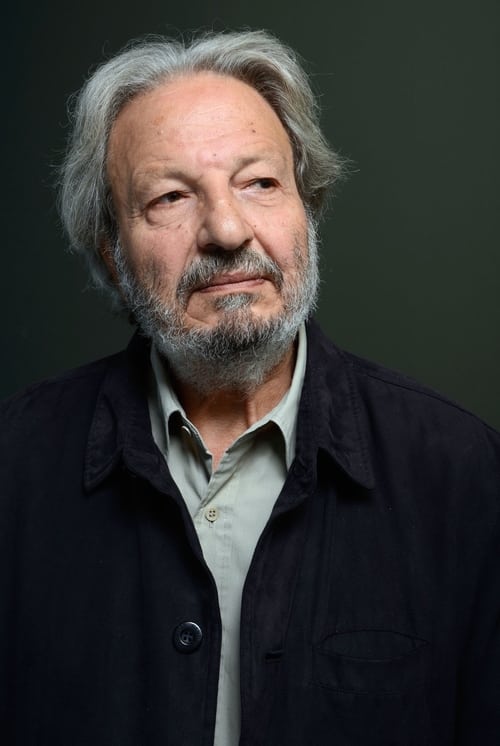
Mohamad Malas, born in Qounaytra, studied at the Cinema Academy in Moscow. He did three movies during his studies: Ahlam Madina Saghira, Al Yawm Al Sabeeh, and Al Kol fi Makanihi w Kol Chayi’e Ala ma Youram Sayidi Al Dabet. He finished his studies in 1974. He did, for television, three short documentaries and Novelist movies: Qounaytra 74, Al Zakira, and Fourat. His notable documentary is Al Manam, filmed in the Palestinian Camps in 1980. In 1984, he directed his first long documentary, Ahlam Madina, which won the “Golden Tanit“ Prize at the Carthage Cinema Festival and the "Golden Palm” at the Valencia Festival in Spain. In 1992, he directed his long Novelist movie Al Layl, which also won the “Golden Tanit” Prize at the Carthage Cinema Festival. He also did the Bab Al Makam film in 2005, which won the Jury’s Prize at the Marakish International Festival in 2006. His latest long Novelist work, Al Mahd, in 2008, was screened for the first time in Beirut. “I consider myself a storyteller rather than a professional producer.” AWARDS The documentary Ahlam Madina won the “Golden Tanit “Prize at the Carthage Cinema Festival and the "Golden Palm” at the Valencia Festival in Spain. The film Al Layl won the Golden Tanit Prize at the Carthage Cinema Festival. The film Bab Al Makam won the Jury’s Prize at the Marakish International Festival in 2006.
Known For
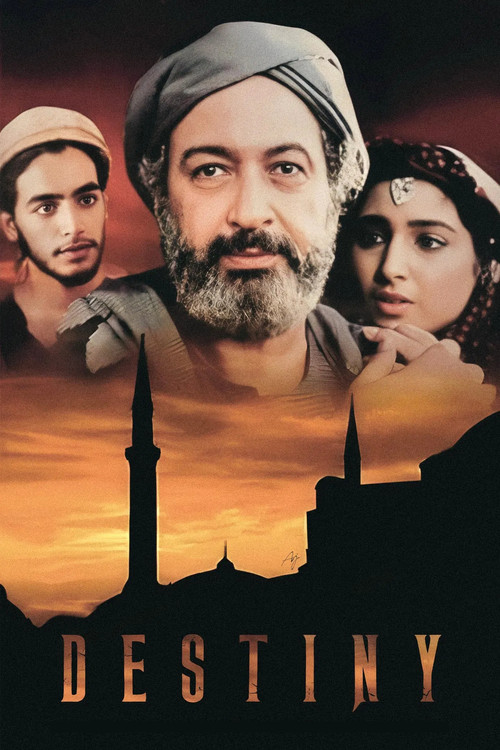
In the 12th century's Andalusia lives Ibn Rushd a prominent Islamic philosopher with his wife Zeinab and daughter Salma. The principality is ruled by Khalifa ElMansour who has two sons, ElNasser, an intellectual that likes Ibn Rush and is in love with his daughter Salma. The younger son Abdallah is more into dancing and poetry, spending most of his times with the gypsy family and getting the daughter pregnant. The Khalifa is depending on the extremists to build his army granting them more power which they use to combat artists and philosophers. The extremists succeed in recruiting Abd Allah and train him to kill his father. Events go on where Marawan, the gypsy singer, is killed and Ibn Rushd's books are burnt. Adapted from the real life of Ibn Rushd AlMasir is Chahine's statement against extremism.
Destiny

In the destroyed city of Quneitra is the grave of a resistance fighter for Palestine. His son, the director, tries to restore the dead man's history by mixing echoes of his mother's memory and his desire to give his father a more honorable death. Through the daily lives, dreams, fears, and hopes of its citizens, Malas chronicles his hometown Quneitra in the Golan Heights between 1936, the year of the first revolts against the British and Zionists in Palestine until the year of the city's destruction. He seeks to exorcise a feeling of shame and humiliation that long accompanied the image of his father and also his town, occupied by Israelis in 1967.
The Night

Focusing on key Arab films produced in the last 20 years. Férid Boughedir traces the development of the film-makers' concern to produce more socially aware cinema. Themes include the issue of Palestinian homeland rights and the nature of Arab identity. The film-makers also share a desire to develop a strong poetic tradition.
Arab Camera
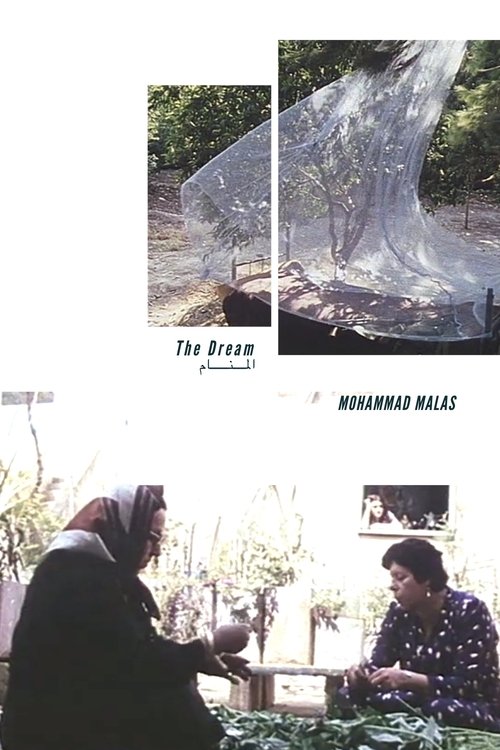
Interviews with Palestinians living in Lebanese refugee camps, some of it shot in Sabra and Shatila before the massacre.
The Dream

Gérard Courant's "Filmed Diary" of December 14, 2011, produced in Dubai (United Arab Emirates). Between December 7 and 15, 2011, Gérard Courant was invited by the Dubai International Film Festival, in the United Arab Emirates. It was an opportunity for him to film many "Cinematons" of personalities from the Arab world and to continue his "Film Notebooks" from which he brought back 7 episodes.
Dubai Winter Diary VI: Light and Reflections
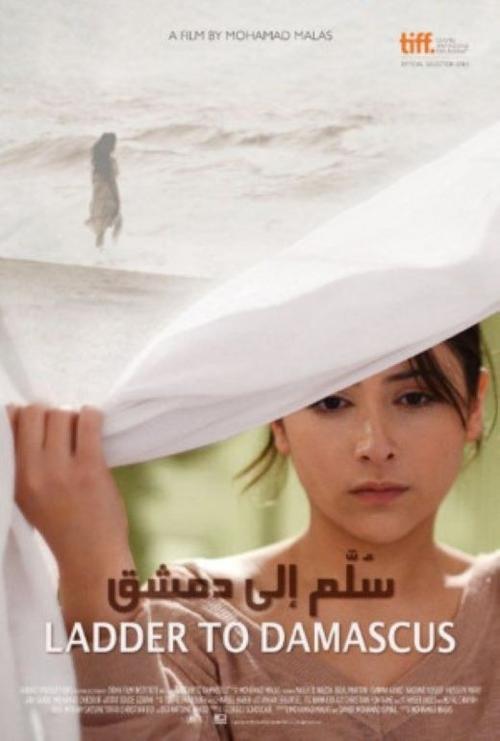
A young aspiring actress in Syria discovers she has been inhabited by the soul of a woman who died on the day she was born.
Ladder to Damascus
Trained as an electrician, Nazih Shahbandar became fascinated with the technology behind film production and was one of the pioneers of cinema production in the 1930s and 1940s. In 1947, he set up a studio fitted with film equipment that was almost entirely of his own fabrication. He wrote scripts, built sets, and innovated new methods of sound recording and transmission. As an enthusiastic inventor, he produced and directed the first Syrian film with sound. His dream was to film and screen a 3D film. An ode to cinema, this documentary is a portrait of Shahbandar.
Light and Shadows, the Last of the Pioneers: Nazih Shahbandar
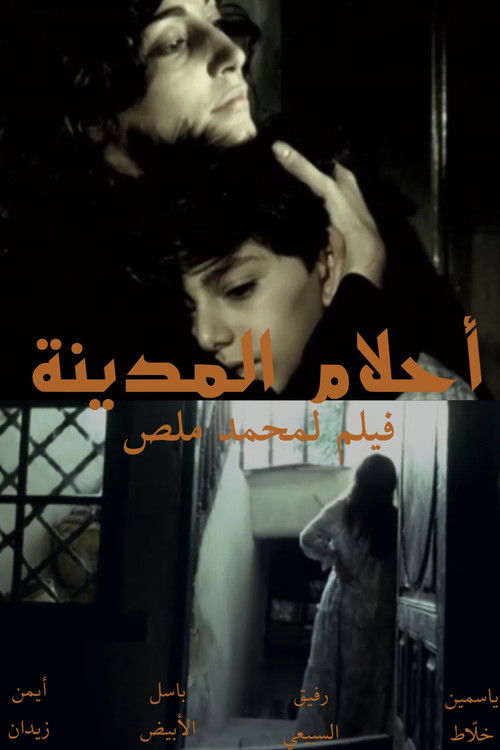
Dib moves with his younger brother and their mother from his home town of Quneitra to Damascus after the death of his father. The children’s grandfather, who was known for his tyranny, reluctantly agrees to shelter the grieving family, and tries to force his daughter to marry again. The magic of the city of Damascus takes over the conscience. Dib, whose main concern has become discovering all the secrets of this city, is driven by his heart full of dreams, but he sees nothing in his life except humiliation and cruelty. The fragrance of childhood dies in Dib's heart, as he grows up in light of the political fluctuations that prevailed in the fifties (the end of the military dictatorship in Syria at that time, the nationalization of the Suez Canal, Nasser’s rise to power in Cairo, and Egyptian-Syrian unity in 1958), so that his rosy childhood dreams were shattered on the rocks of cruelty and violence. The city's dreams turn into a nightmare..
Dreams of the City

Fateh Moudarres (1922-1999) was a crucial personage in Syrian artistic and cultural life, a pioneer of contemporary painting, a literate and prolific novelist. For about forty years has transformed his atelier, located in the center of Damascus, into a place of encounter and dialogue on art. The film is a journey of love to the artist's universe, to his works composed from memories of light, colors, and the shadows of a painful existence.
Moudarres
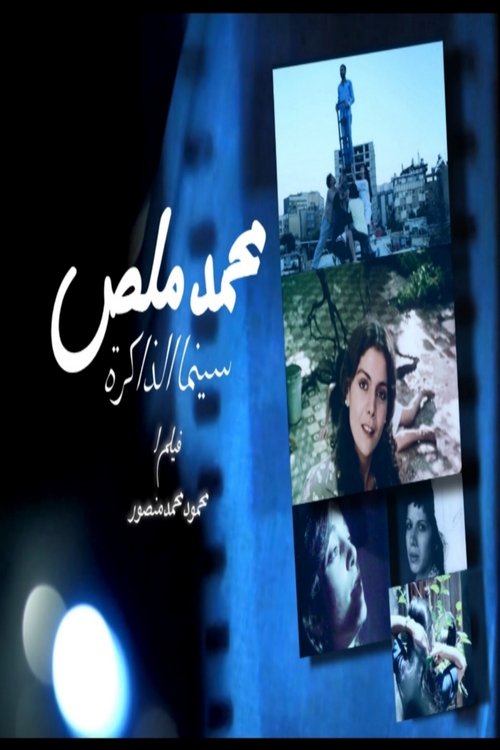
A tribute to Mohamed Malas and his cinema
Mohamed Malas, The Cinema of the Memory
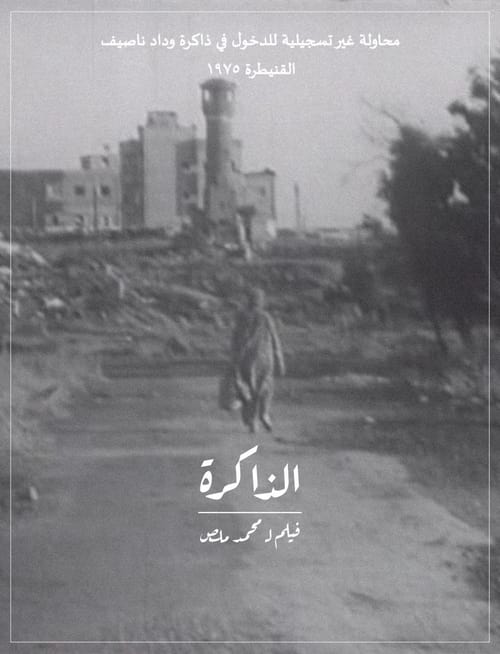
The precise portrait of a woman who is present and fey at the same time, who is as tired as she is courageous and who seems to have surrendered and emancipated at once.
The Memory
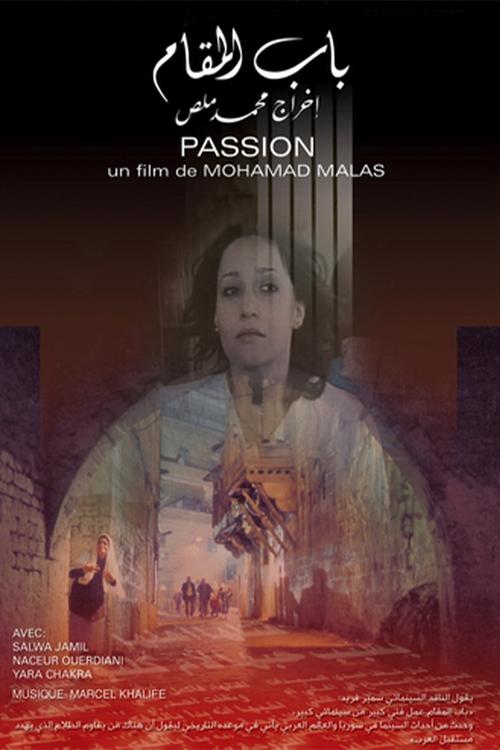
Thirty-year-old Imane lives with her husband and three children in a modest house across from the historic citadel of Aleppo. She suddenly realizes that it's been ten years that she's been married, ten years during which she's done basically nothing more than take care of her husband and their three children.
Passion
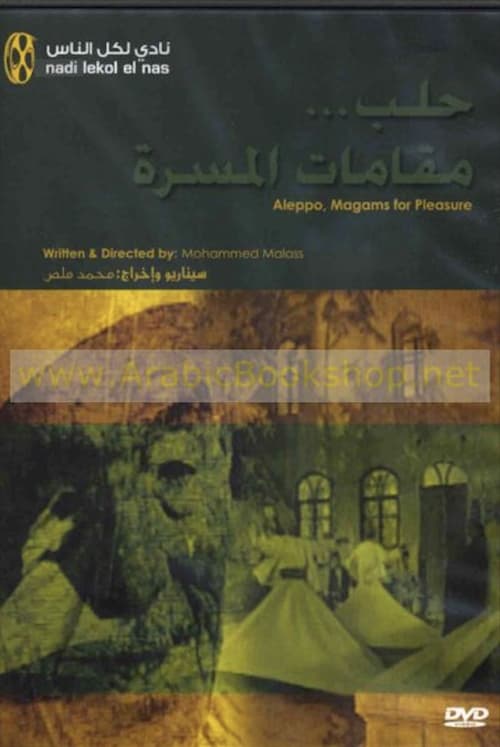
In this documentary film, Malas explores the life and music of the classical Aleppan singer and composer Sabri Moudallal (1918-2006). "Maqam" is the melodic system of traditional Arabic music.
Aleppo... Maqamat of Pleasure and Delight
Short documentary about political prisoners struggling to come to terms with haunting memories, produced for the anniversary of the Universal Declaration of Human Rights. The film presents a reflection on the effects of prison in general and on the theatre director Ghassan Jbaii in particular. The artist used his work to come to terms with his haunting memories and regain the world outside the prison walls.
Over the Sand, Under the Sun
The worried memory of Malas from the occupation of 1948 to Bashar using his camera to express his memory and his own concerns, so the individual memory was reflected in the community’s memory.
Mohamed Malas, The Cinema of Memory
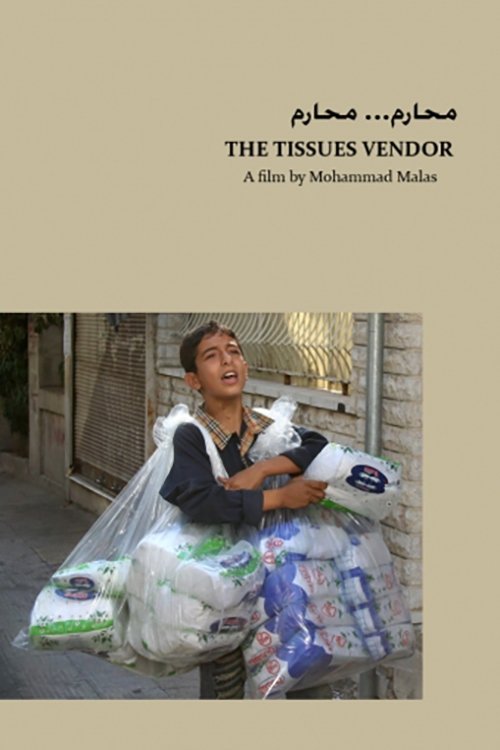
Suleiman, a 12-year old boy, lives overlooking Damascus with his poor family, along with many other displaced people from the Golan Heights. Suleiman decides with his mother and siblings to raise money by selling tissues to help his father, a gas cylinder seller. His dream? To buy a Suzuki pick-up truck of his own.
The Tissues Vendor
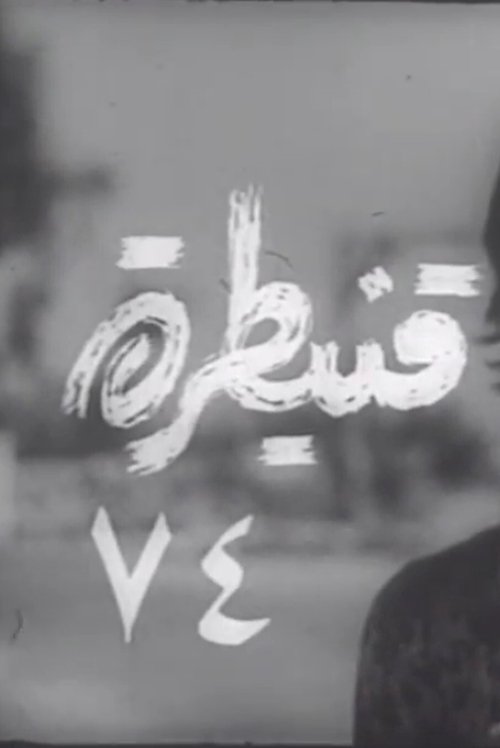
Quneytra 74 begins with shots of people on the edge of the blasted city of Kuneitra. A woman breaks away from the crowd, makes her way towards the city, speeds up the step, as if to escape from the camera. Filmed on behalf of Syrian TV, the accuracy of Malas' light, shadow, silence and soundscape as essential elements of his cinematic language is evidenced here, as well as his interest in the issues of civil war, territorial war and identity destruction.
Quneitra 74
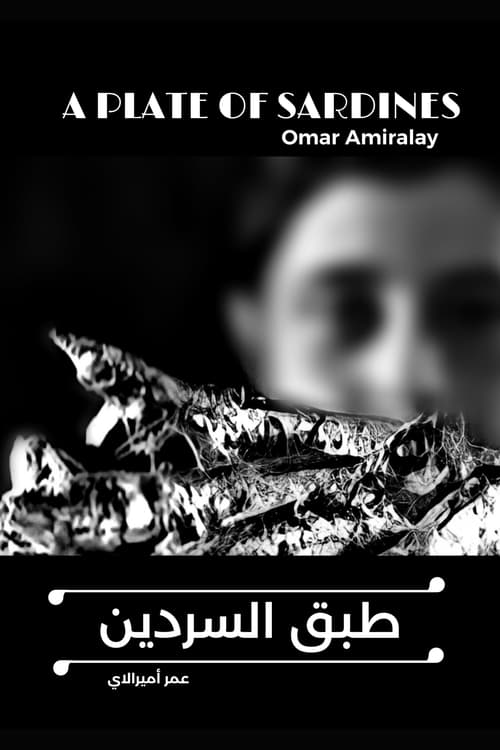
A man recollects the conflict in the middle east through his personal memory. In this short documentary, Amiralay reflects on the first time he heard of Israel. Through recorded conversations with filmmaker Mohamed Malas, both Amiralay and Malas share their own unique stories and experiences about Israel and Israeli occupation. In the company of fellow Syrian filmmaker Mohammad Malas, the ground-breaking director Omar Amiralay revisits the ruins of the destroyed Golan village of Quneytra, occupied by Israel and then abandoned following the 1973 war.
A Plate of Sardines
"A Small City Dream" is an earlier version of "City Dreams" by director Mohammed Malas. Malas directed the short film in 1970 while he was studying at the Moscow Institute of Cinema Arts. He later adapted it into the feature film "City Dreams," which won awards and was nominated for several international and Arab awards.
A Small City Dream
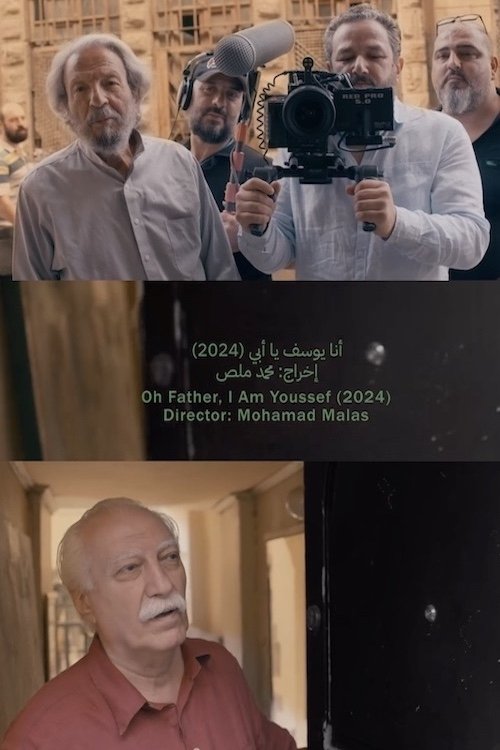
While Syrian artist Youssef Abdelke’s paintings and visual works form the essence of this film, it is his dialogue with the director Mohamad Malas that constitutes the backbone of the documentary. Deeply engaged with his birthplace of Qamishli, then Damascus and later Paris, Abdelke did not find his ‘paradise’ in a specific place but rather in resistance to the harsh realities of human existence. (Synopsis from Sharjah Film Platform 7)