Joseph-Louis Mundwiller
Camera
Known For
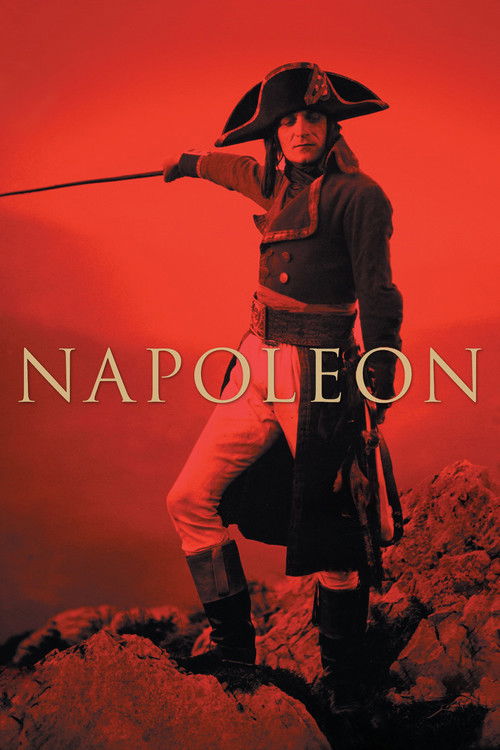
A biopic of Napoleon Bonaparte, tracing the Corsican's career from his schooldays (where a snowball fight is staged like a military campaign) to his flight from Corsica, through the French Revolution (where a real storm is intercut with a political storm) and the Terror, culminating in his triumphant invasion of Italy in 1797.
Napoleon
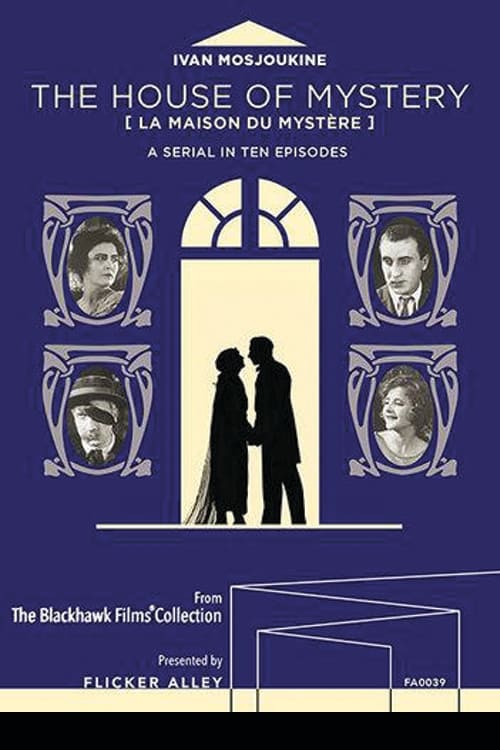
Julien Villandrit is the owner of the estate of Les Basses-Bruyères and its textile factory, where the manager is his childhood friend Corradin. Julien marries his neighbour Régine, unaware that Corradin also loves her. Julien is sent to gaol for a murder actually committed by Corradin. The only witness to the truth is the woodsman Rudeberg and Corradin buys his silence by paying for the education of his son Pascal. Julien's struggle to clear his name and to rescue Régine and their daughter Christiane from Corradin's scheming extends over many years and faces many setbacks.
The House of Mystery
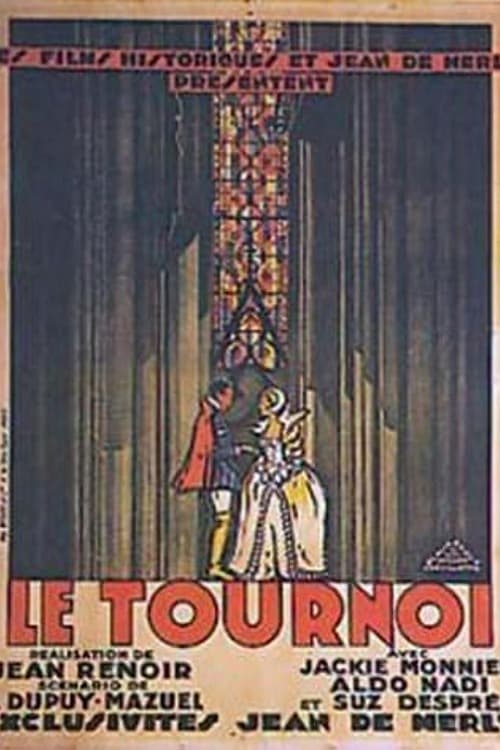
Rival knights compete for the hand of a beautiful maiden in this period feature from Jean Renoir.
The Tournament
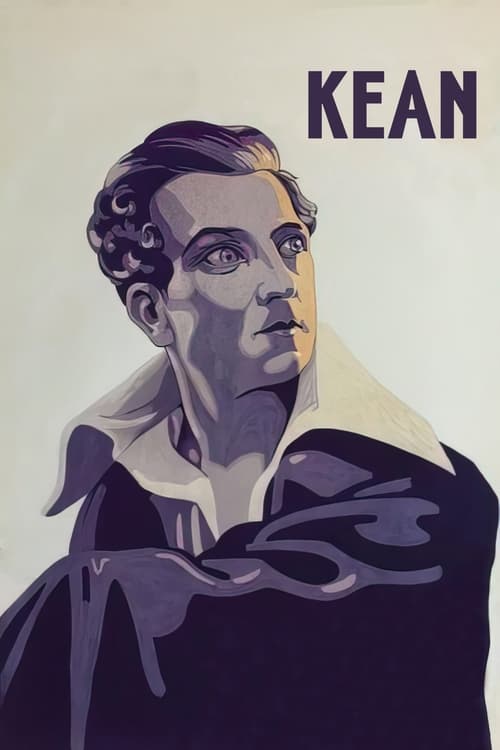
By 1820, Edmund Kean is the most admired Shakespearan actor. But if his art is peerless, his free lifestyle is ill thought of, particularly by the high society. Kean has fallen passionately in love with Countess Elena de Koefeld, the wife of the ambassador of Denmark. Elena loves him too but hesitates to give up her rank in society and follow Kean. On the other hand, Anna, a rich heiress who refuses to marry Lord Mewill, the husband chosen by her parents, confesses her love for Kean and decides to become an actress like him... The aristocrats, outraged by Edmund's profligate ways, decide to boycott his performances and his career is broken. Kean does not recover from such a blow and, on a stormy night, dies in Elena's arms.
Kean
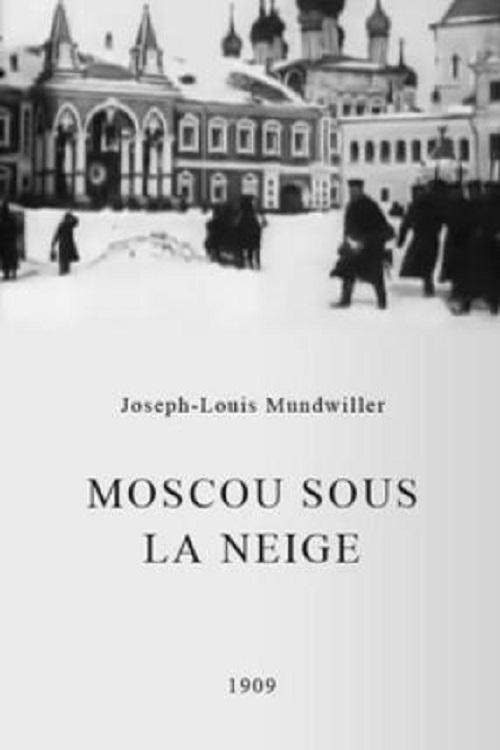
The film is in four parts. First, the camera pans the Kremlin and Marshal's Bridge. Sleds are parked in rows. Horse-drawn sleighs run up and down a busy street. Next, we visit the mushroom and fish market where common people work and shop. In Petrovsky Park are the well-to-do. Men are in great coats. A file of six or seven women ski past on a narrow lane. Last, there's a general view of Moscow. A slow pan takes us to a view above the riverfront where the film began.
Moscow Clad in Snow
Romashov, an officer, receives an invitation from Nicolayeff, whose wife's birthday is coming up. At the birthday party, it turns out that his wife is very charmed by Romashov. During the picnic in the forest, they seclude themselves from the rest of the party and on a bench they kiss each other. Another, jealous officer, who also has a crush on her, sneaks up on the couple. Sensing this, they flee, but the woman leaves behind her fan, on which Romashov has written a declaration of love. The jealous officer gives the fan to Nicolayeff, who then challenges Romashov to a duel. During the duel, the lover deliberately fires into the air and is shot. Based on the novel by Aleksandr Ivanovich Kuprin.
The Duel
In Imperial Russia, Anna, wife of the officer Karenin, goes to Moscow to visit her brother. On the way, she meets charming cavalry officer Vronsky, to whom she's immediately attracted. But in St. Petersburg’s high society, a relationship like this could destroy a woman’s reputation.
Anna Karenina
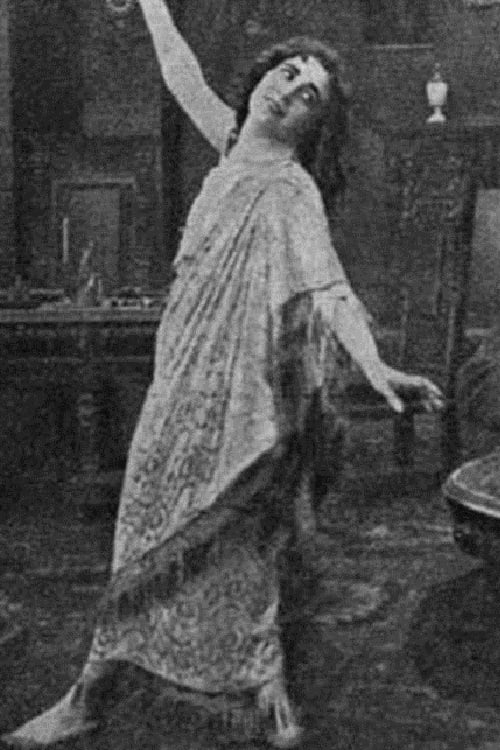
Directed by Vladimir Gardin and Yakov Protazanov, this two-part epic was the most expensive Russian film at the time and smashed box office records. It is now considered lost, with only a 4 minute clip surviving.
The Keys to Happiness
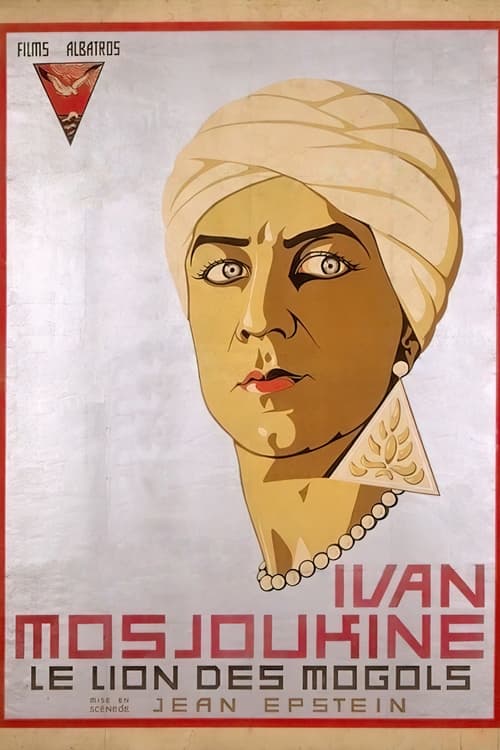
In the kingdom of the Moguls, Prince Roudghito-Sing, a young officer of the palace, falls in love with Zemgali, a captive princess held prisoner and coveted by the Grand Khan. Fleeing the country, he takes refuge in Paris and his presentability allows him to be hired as an actor by a French film company. The trouble is that Anna, the star of the movie, is attracted to him. Which displeases banker Morel, the producer and Anna's lover... Written by Guy Bellinger
The Lion of the Moguls
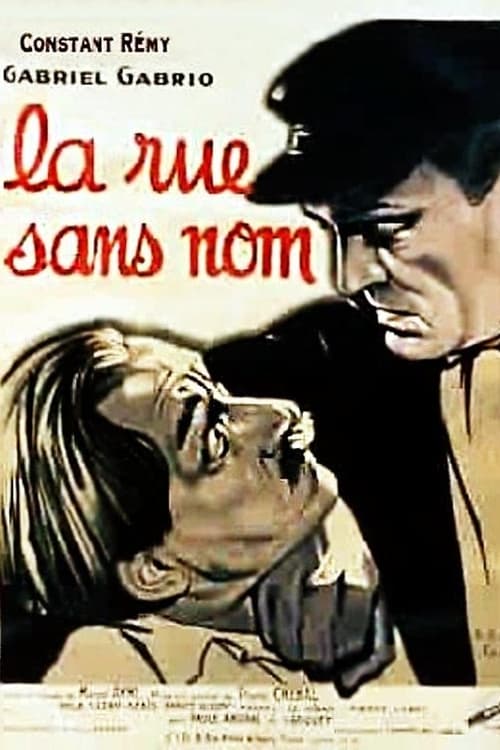
The story focuses on a street in the Parisian banlieue where Italian and French workers live. Their neighborhood will soon be demolished and a mysterious character hides himself in this street.
Street Without a Name
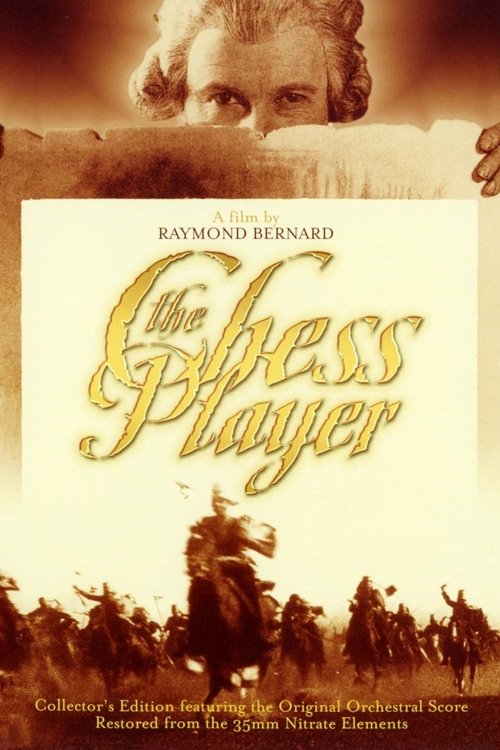
In 1776, an inventor conceals a Polish nobleman in his chess-playing automaton, a machine whose fame leads it to the court of the Russian empress.
The Chess Player
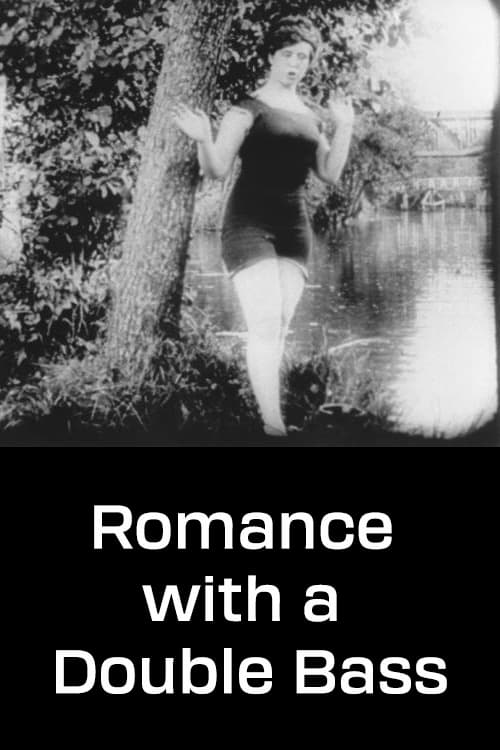
Princess Bibulova decides to go fishing along the river, while not far away, a musician leaves his two companions to go for a swim. Soon afterwards, the princess also goes swimming. While neither swimmer is looking, two thieves lurking on the riverbank steal their clothes, leaving the musician and the princess in a puzzling and embarrassing situation.
Romance with a Double Bass
Lost film.
What the Violin Wept About
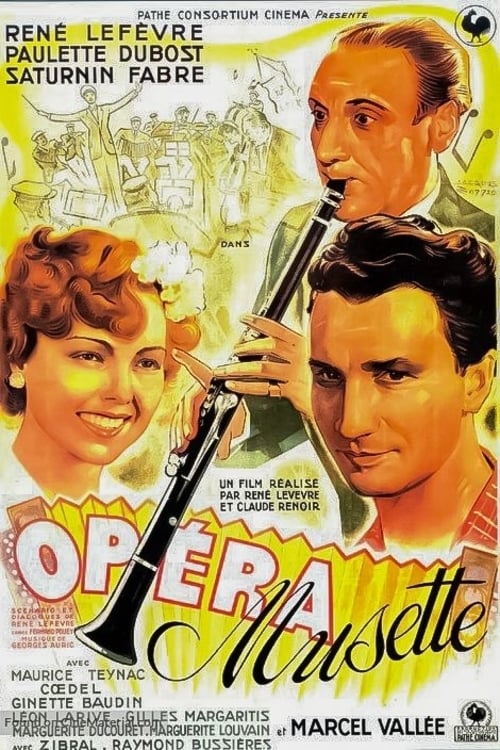
The itinerant musician Lampluche, having found a musical score on the banks of a river and a full wallet, was taken to the neighboring town for the famous composer Maxence Leroy. The inhabitants of the small town only dream of music, so Lampluche is very well received. But Maxence Leroy arrives in the city.
Opéra-musette
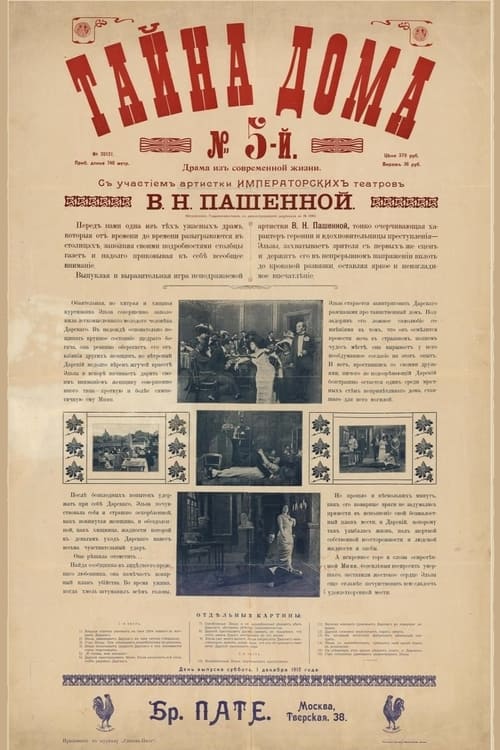
No description available.
The Secret of House No. 5
No description available.
The Groom
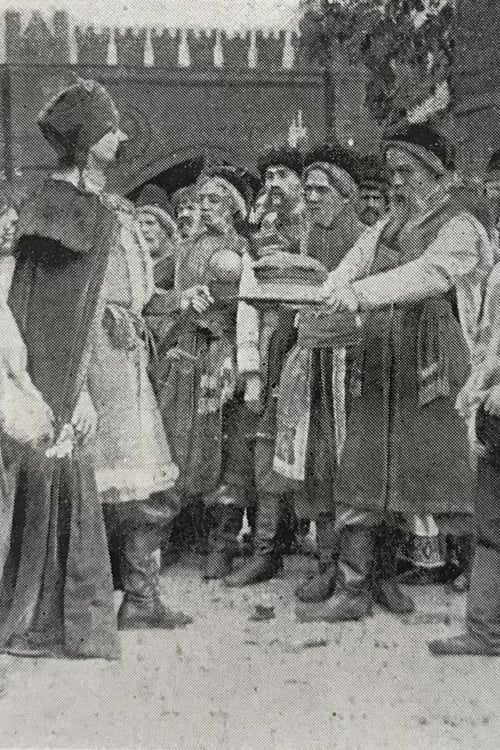
No description available.
In the Days of the Hetmans
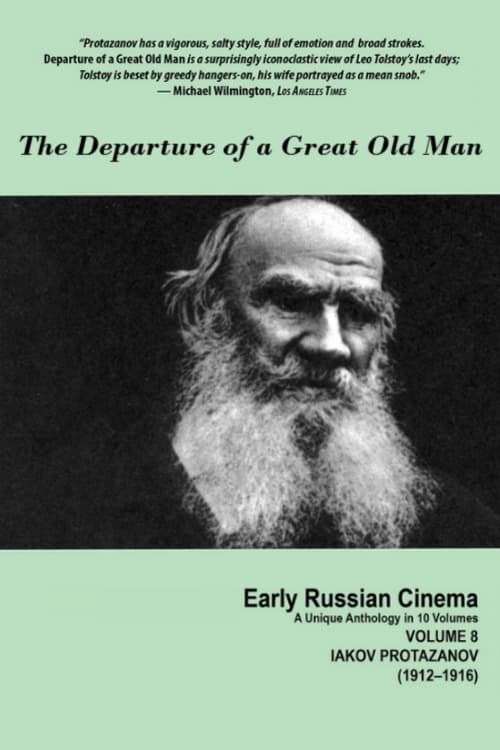
A group of peasants comes to see Leo Tolstoy and his wife, the Countess, to request some land. Tolstoy must explain to them that it is his wife who has authority over their land-holdings, and she will not help them. Stung by their negative reaction to him, Tolstoy becomes increasingly preoccupied with the problems of the poor. This leads to a number of conflicts with his wife, and then to a deep despondency, as the noted writer continues vainly to search for answers to the sufferings he sees around him.
The Departure of a Great Old Man
Made in 1912, this film has become known as one of the greatest pieces of pre-Soviet cinema. The silent film tells the story of the Patriotic war of 1812 when Napoleon attempted to invade Russia. This joint French and Russian film sparked major excitement in Moscow at its premier screening and continues to entertain audiences throughout the world today. The 32-minute silent film was the point of origin for some of the more advanced camera techniques used today. Sirotin of the Voice of Russia said that, “The film is interesting to spectators even today and is frequently shown both in Russia and abroad.”
1812
No description available.