Jun Ōtomo
Acting
Biography
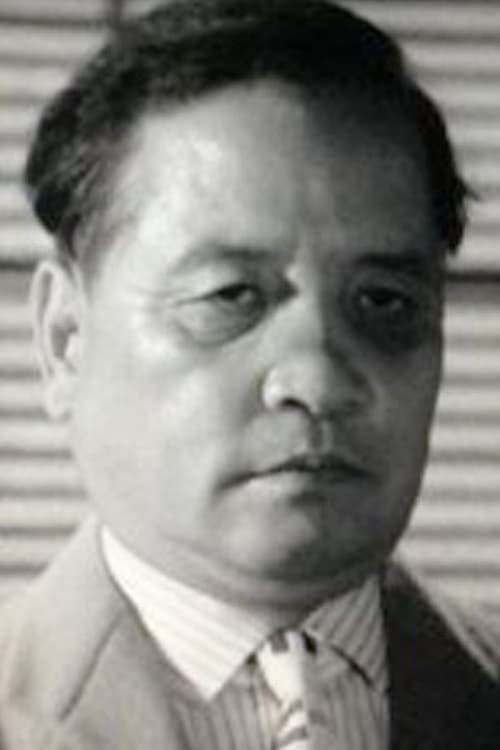
Originally a music teacher, Jun joined the Toho Mobile Culture Corps during WWII. He ultimately became active as a character actor in Toho and Shintoho productions in the '50s and '60s. Noted for his menacing onscreen countenance, he was remembered for his mild-mannered and affable nature in private life.
Known For

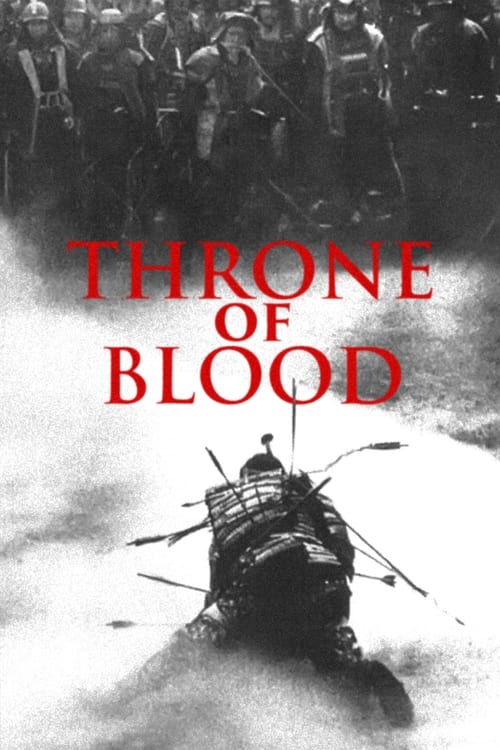
Returning to their lord's castle, samurai warriors Washizu and Miki are waylaid by a spirit who predicts their futures. When the first part of the spirit's prophecy comes true, Washizu's scheming wife, Asaji, presses him to speed up the rest of the spirit's prophecy by murdering his lord and usurping his place. Director Akira Kurosawa's resetting of William Shakespeare's "Macbeth" in feudal Japan is one of his most acclaimed films.
Throne of Blood

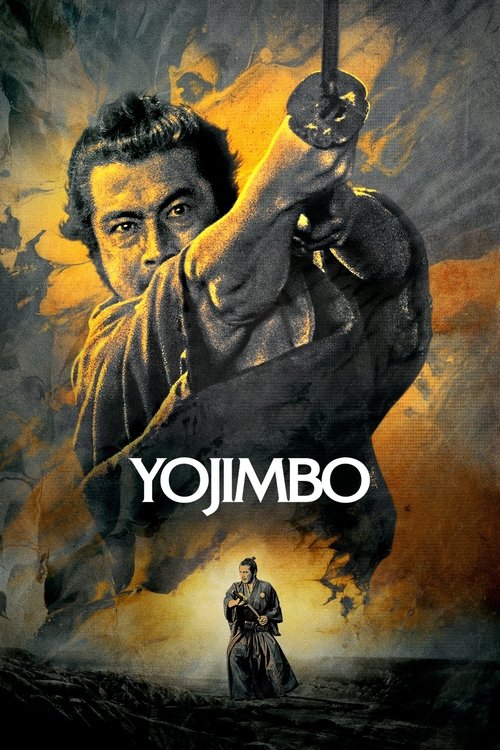
A nameless ronin, or samurai with no master, enters a small village in feudal Japan where two rival businessmen are struggling for control of the local gambling trade. Taking the name Sanjuro Kuwabatake, the ronin convinces both silk merchant Tazaemon and sake merchant Tokuemon to hire him as a personal bodyguard, then artfully sets in motion a full-scale gang war between the two ambitious and unscrupulous men.
Yojimbo

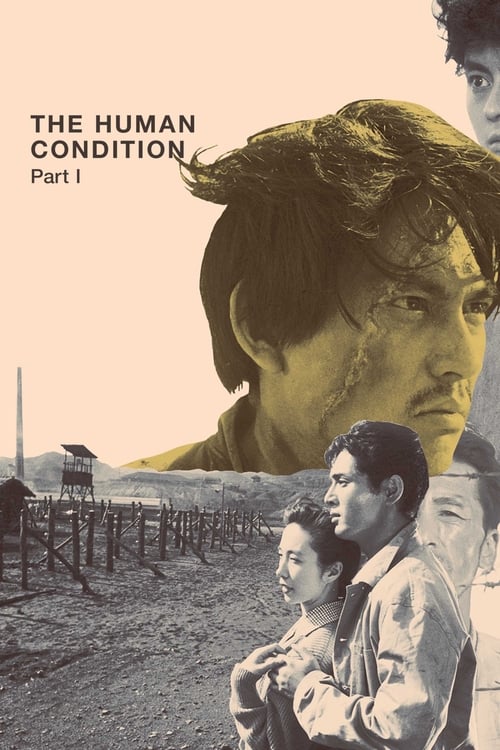
After handing in a report on the treatment of Chinese colonial labor, Kaji is offered the post of labour chief at a large mining operation in Manchuria, which also grants him exemption from military service. He accepts and moves with his newlywed wife Michiko, but when he tries to put his ideas of more humane treatment into practice, he finds himself at odds with scheming officials, cruel foremen, and the military police.
The Human Condition I: No Greater Love

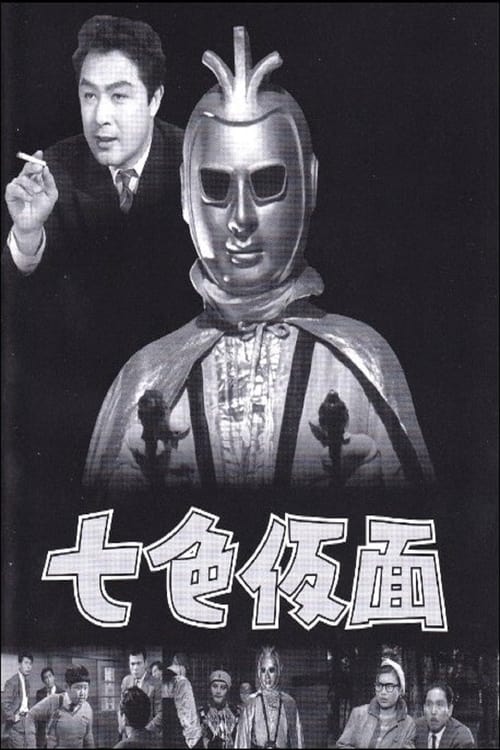
Seven Color Mask (七色仮面, Nanairo Kamen) is the name and title character of a tokusatsu TV series, later called New Seven Color Mask (新七色仮面, Shin Nanairo Kamen). It was created by Kōhan Kawauchi, who also created Moonlight Mask. This B&W TV show was the first superhero TV series by Toei Company Ltd. It was broadcast on NET (now TV Asahi) from June 3, 1959 to June 30, 1960, with a total of 57 episodes divided into 7 segments. Aside from being Toei's first TV superhero show, this series was also the debut of actor Sonny Chiba, who was 19 at the time, who took over the title role from Susumu Namijima after Episode 32.
Nanairo Kamen

This horror tale adapts the Japanese legend which tells of a man who faces the consequences of betraying his wife in order to acquire wealth and power.
The Ghost of Yotsuya

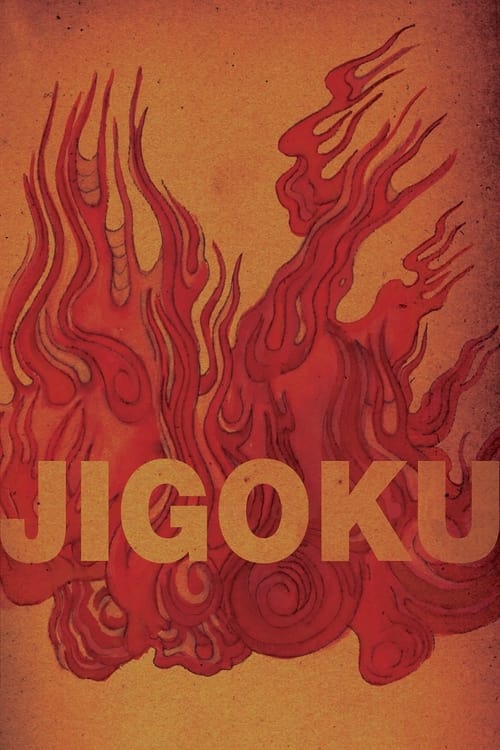
A group of sinners involved in interconnected tales of murder, revenge, deceit and adultery all meet at the Gates of Hell.
Jigoku

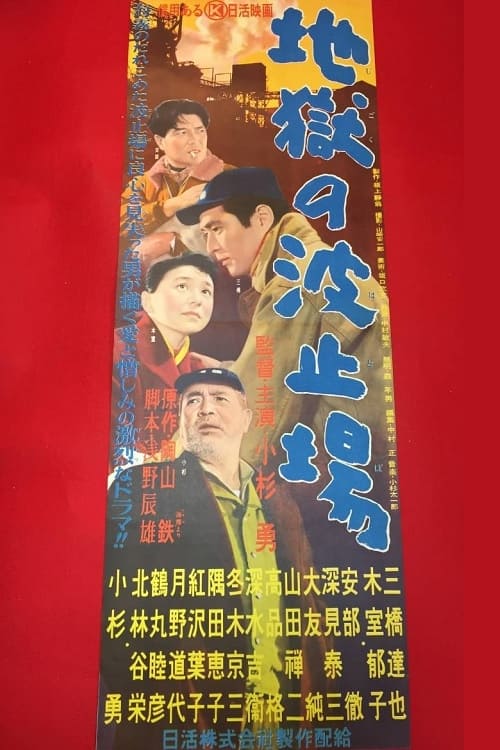
A love triangle develops between a benevolent student, his innocent girlfriend, and a cruel petty criminal, all as a point of diagnosis of a social disease that had Japan slowly succumbing to lawlessness during the post-War era.
Black River

The murder of the chief official of Kobe city's Customs triggers an investigation of a prostitution ring called the 'Yellow Line' that sells Japanese women. A hired assassin is betrayed by his organization, and kidnaps a woman who happens to be the girlfriend of a newspaper reporter.
Yellow Line

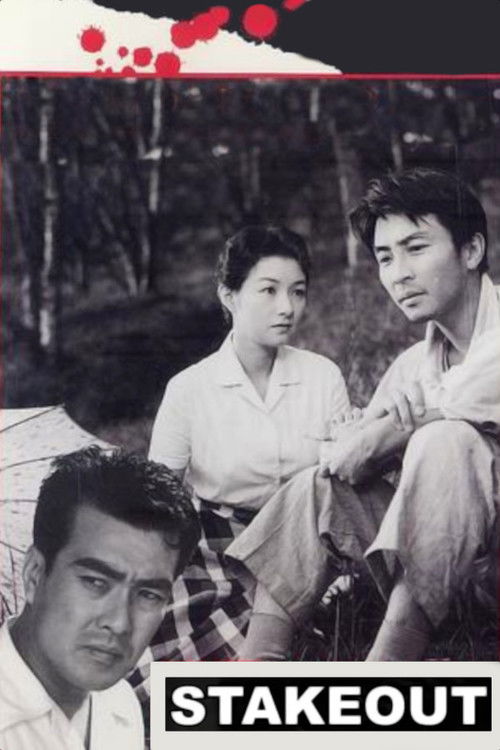
Two detectives begin a stakeout based on the slim chance of catching a murderer whom they suspect will try to reunite with an old flame.
Stakeout

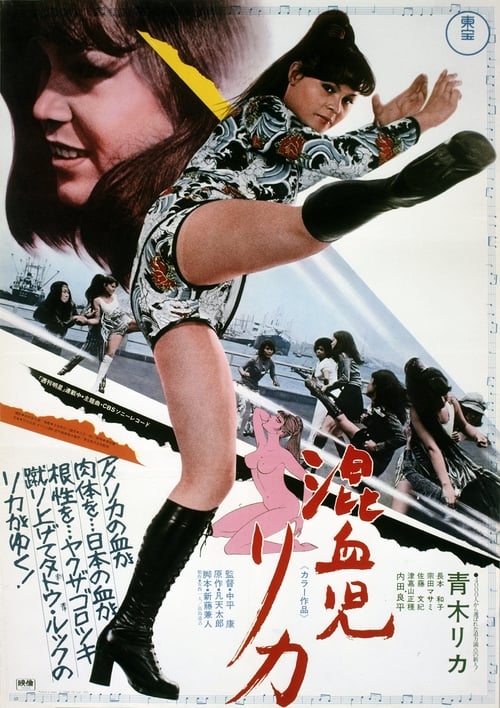
First film of a trilogy following the dramatic life of Rika, a half-Japanese/half-American woman who becomes the tough-as-nails leader of an all-girl crime gang.
Rika: The Mixed-Blood Girl

In 1941, overpopulated Japan faces an economic boycott and its armed forces push further to the south. And despite negotiations between Japan and the U. S. A. war is declared with the attack on Pearl Harbour. Victories follow for Japan on land and sea and her forces push forward to the borders of India. But gradually the tide turns in favour of the Allies and after the atom bombings of Hiroshima and Nagasaki, Japan is compelled to accept the Potsdam Declaration and by the order of the Emperor agrees to unconditional surrender. Under the supervision of the occupation forces the International Military Tribunal opens in Tokyo to try the Japanese war leaders. Established in the cause of justice, and to prevent future aggressive wars the trials drag on for two and a half years. And on December 23, 1948, General Tojo and six other war leaders mount the thirteen steps to the gallows at Tokyo's Sugamo prison.
The Pacific War and the International Military Tribunal

Two young crooks who scam betters in the race track are employed by a yakuza gang called the Shigemori Syndicate to steal a shipment of handguns from a rival gang. Somewhere in the process they find themselves on the run from their own gang and one of them becomes himself romantically entangled with the boss's girlfriend. An ambitious underboss of the gang offers them a way out if they murder the previous boss but things don't turn out as planned (for everyone).
Fire Line
No description available.
Women of Whirlpool Island

First film in Teruo Ishii's Line series.
Secret White Line Zone

The year is 1945, months prior to Japan's ultimate defeat in WW2, and military lieutenant Sugawa is sent on a critical mission to deliver micro-fiche war plans to Tokyo from his base in Malaysia. But while flying over Chinese waters his plane is shot down and he is taken aboard a ship bound for Shanghai to deliver its merchandise - a ship filled with Female Slaves kidnapped from Japan. Will he abandon the women to pursue his main objective? Or will he fight foes, spies and pirates to save these women against all odds?
Female Slave Ship

Freelance reporter “Scoop” Machida is hot on the trail of a prostitution ring called the Black Line, when he is framed for the murder of a young woman. Forced to clear his own name, the handsome journalist sinks deeper into the Black Line’s rotten swamp of drugs, prostitution, and murder and finds unexpected help in Maya, a steamy female gambler familiar with the neon-lit streets, shadowy alleyways, and seedy nightclubs he must navigate. The closest film in the Line series to classic American film noir, Ishii’s Black Line is a pulpy assortment of crime film conventions including the starkly expressionistic black and white cinematography by Jûgyô Yoshida, a jazzy music score by Michiaki Watanabe, and a sleazy screenplay by Ishii and Ichirô Miyagawa.
Black Line

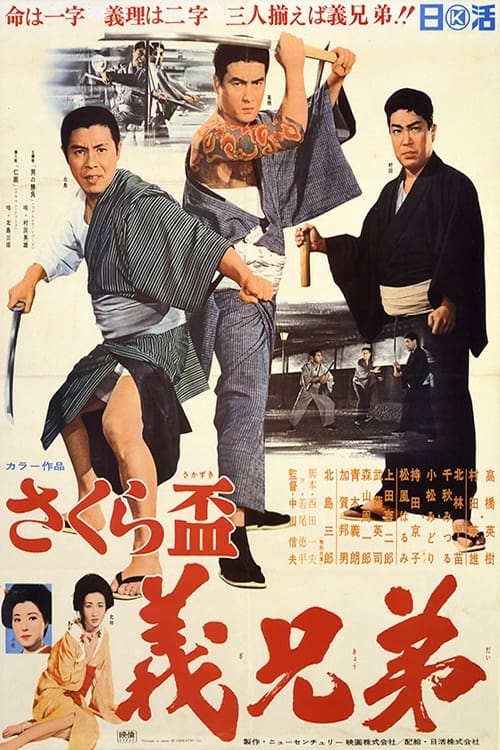
Second movie in the Sakura Code series.
Sakura sakazuki: gikyōdai
Crime film distributed by Taiho.
Kuro to aka no hanabira

No description available.
男の嵐

War drama about army nurses.