
Geraldo Sarno
Directing
Biography
Geraldo Sarno (6 March 1938 – 22 February 2022) was a Brazilian documentarist, screenwriter and film director. Born in Poções, after studying law at the Universidad del Salvador Sarno moved to São Paulo where he became an assistant of Thomaz Farkas. He made his directorial debut in 1965 with the Farkas-produced Viramundo, about the internal migration in north-east Brazil, which was one of the major themes in his documentary career. Among Sarno's best known works was the critically acclaimed film Colonel Delmiro Gouveia (1978), a mix between documentary and fiction which has been described as "the last really significant title of the Cinema Novo movement". In 2008, he won the award for best direction at the Brasília Film Festival for the film Tudo Isto Me Parece Um Sonho, while in 2010 his film O Último Romance de Balzac was awarded the Special Jury Award at the Gramado Film Festival.
Known For
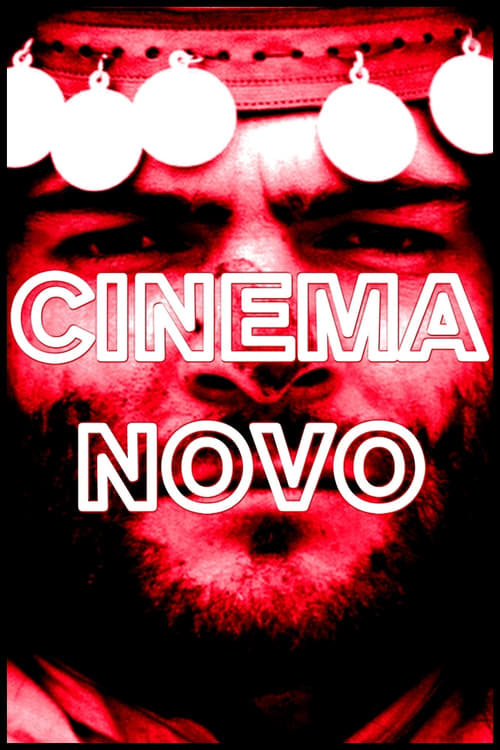
A deep investigation, in the way of a poetic essay, on one of the main Latin American movements in cinema, analyzed via the thoughts of its main authors, who invented, in the early 1960s, a new way of making movies in Brazil, with a political attitude, always near to people's problems, that combined art and revolution.
Cinema Novo
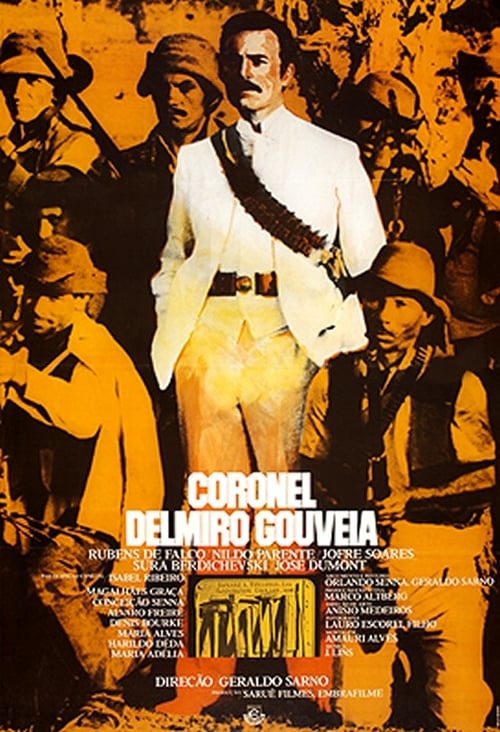
In the beginning of the 20th Century, in the Northeast of Brazil, one of the first Brazilian industrialists is persecuted because he refuses to sell his business to a British company.
Colonel Delmiro Gouveia
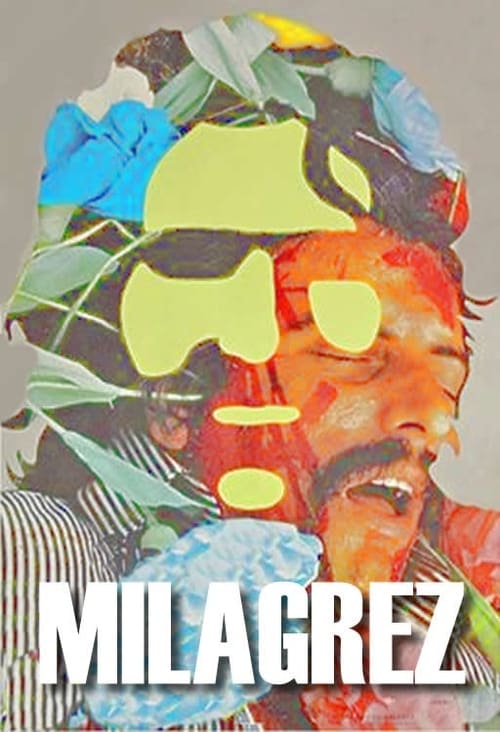
Documentary on "Antonio das Mortes", Glauber Rocha's 1969 film.
Milagrez
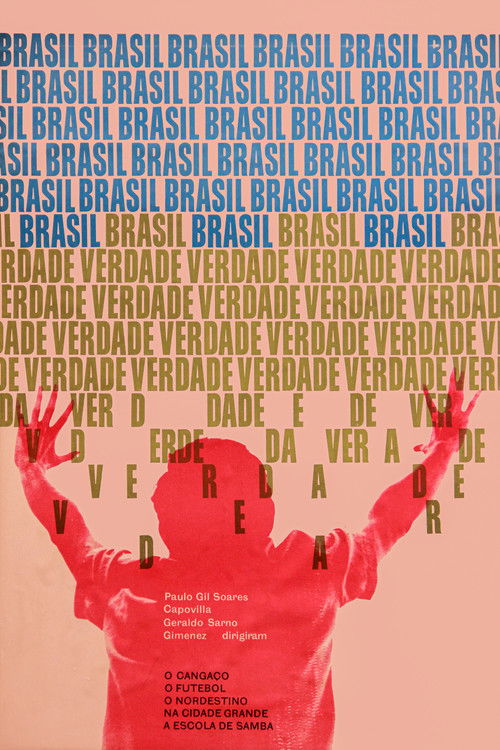
In the late 1960s, Thomas Farkas imported equipment suitable for direct sound, and released a collection of documentaries called "Brasil Verdade" ("True Brazil"), after the Military Coup d'État took place in Brazil, which happened without any popular resistance or revolution or reaction of the society. The five short films are directly related to this fact and its consequences to the country.
True Brazil
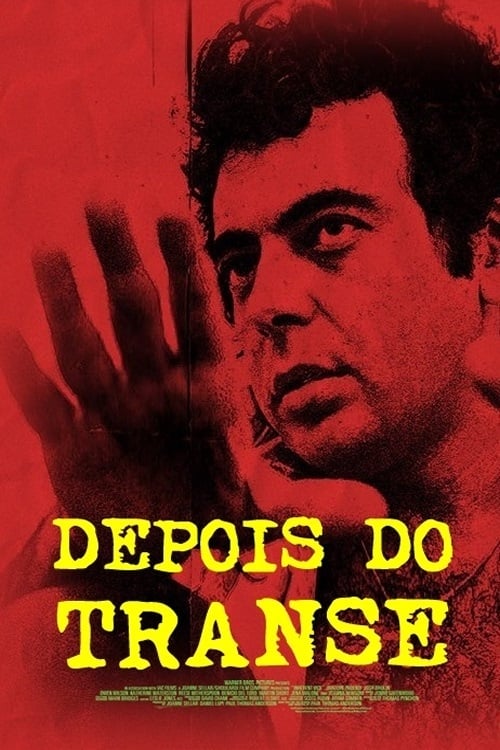
The documentary "Depois do Transe" covers the entire process of creating the masterpiece "Entranced Earth", which was released and awarded at the Cannes Film Festival in 1967. "Entranced Earth" charmed the world and won great admirers such as filmmaker Martin Scorsese and the writer Marguerite Duras, who at the time considered a "fabulous filmic opera."
Depois do Transe
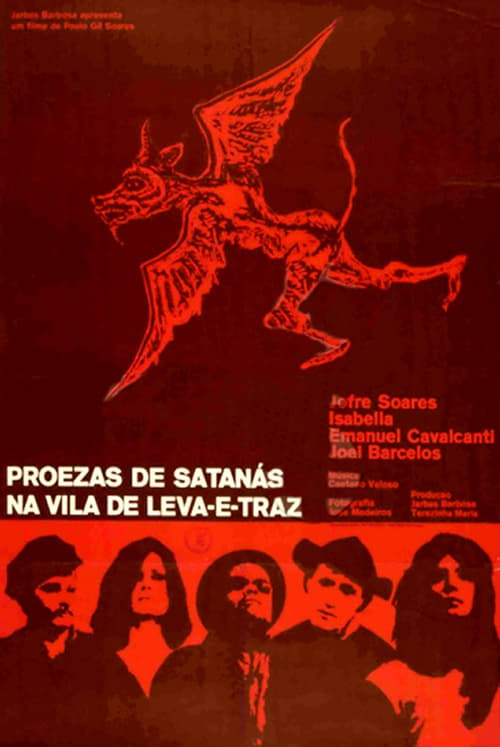
In the village of Leva-e-Traz, the discovery of a oil field is responsible for a mass evasion of the townspeople. Left are the old and incapable for the extraction job. When the local priest announces he, too, is leaving the town, Satan emerge thrilled with the chance of overtaking the place.
Satan's Feats in the Village of Take-and-Bring
A mercenary from the Bay of Pigs invasion escapes in search of protection and is taken in by a peasant woman who ignores his identity.
El acoso
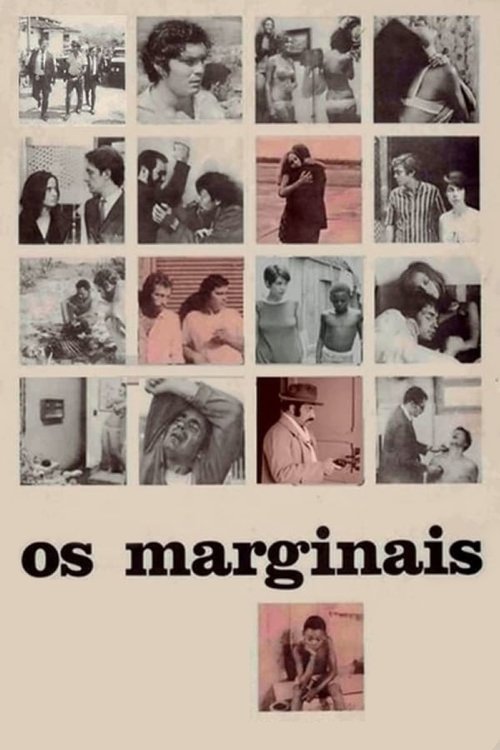
Guilherme, who has the police on his trail for having been involved with a niece of the mayor of his city, runs away with the girl after receiving threats. On the other side is "Papo Amarelo": a bandit from Rio de Janeiro who spends the rest of his problematic life acting in robberies.
The Outsiders
No description available.
Mídia, mentiras e democracia: zona de fronteira
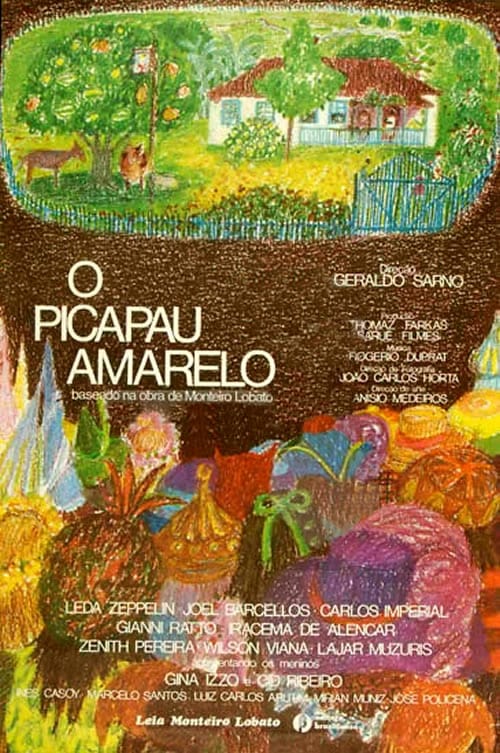
The Viscount of Sabugosa is locked in the library writing an encyclopedia about the characters in children's fables. Dona Benta receives a letter from little Thumb, written on a rose petal, in which he, realizing that the inhabitants of the world of fables are forgotten in the books on the shelves, requests that everyone live in Sítio do Picapau Amarelo. Emília and the children love the idea, and Dona Benta says yes. They move
O Picapau Amarelo
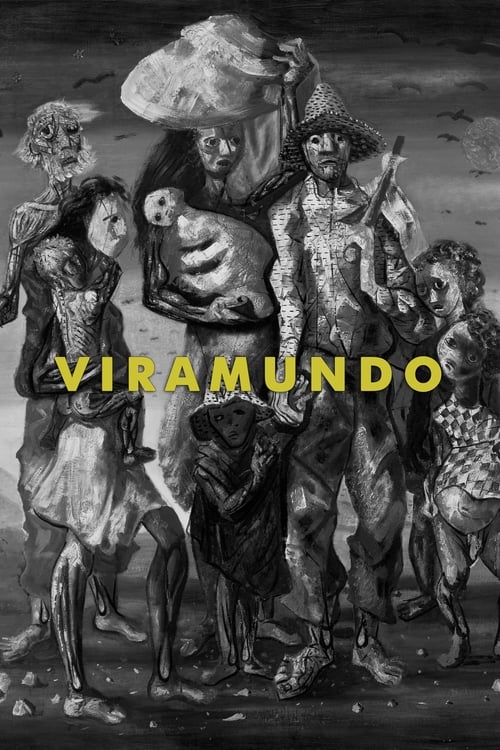
Viramundo shows the saga of the northeastern migrants that arrive in São Paulo, beginning with a train arriving and ending with a train leaving São Paulo in a cycle repeated every day. Viramundo's aim was to question why the military coup d'état in Brazil happened without any popular resistance or revolution or reaction of the society.
Viramundo
No description available.
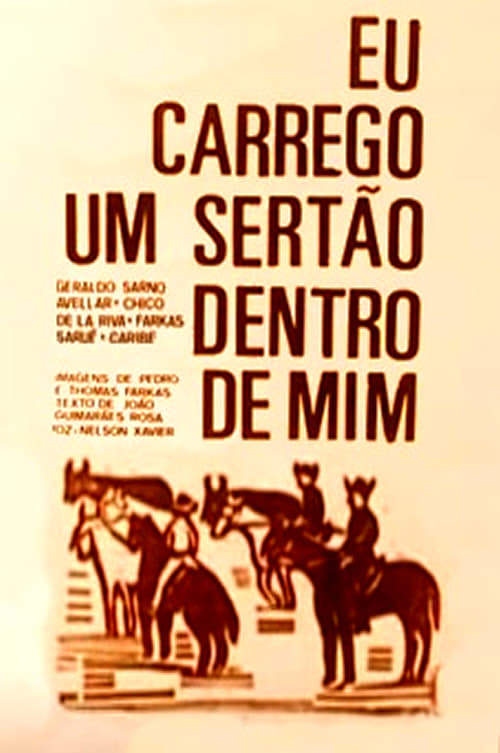
Eu Carrego um Sertão Dentro de Mim
No description available.
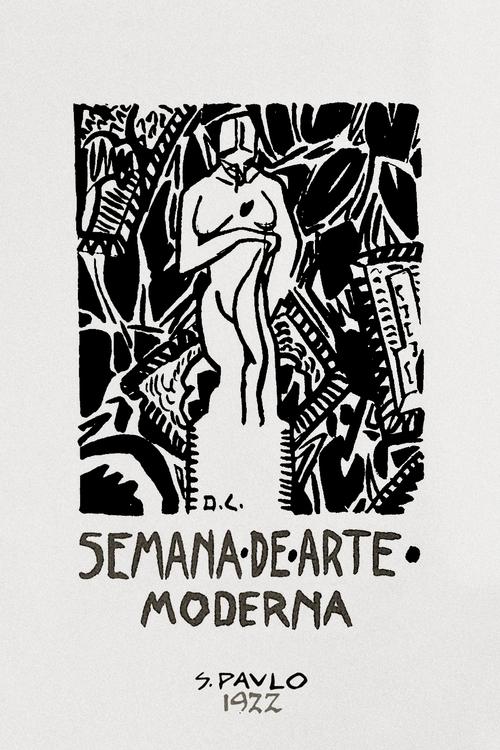
Semana de Arte Moderna
A 10-part documentary about 10 Brazilian filmmakers: Linduarte Noronha, Jorge Furtado, Ruy Guerra, Murilo Salles, Paulo Caldas, Walter Salles & Daniela Thomas, David Neves, Julio Bressane, Ana Carolina and Carlos Reichenbach.
A Linguagem do Cinema

No description available.
50 minutos e 23 segundos com Júlio Bressane
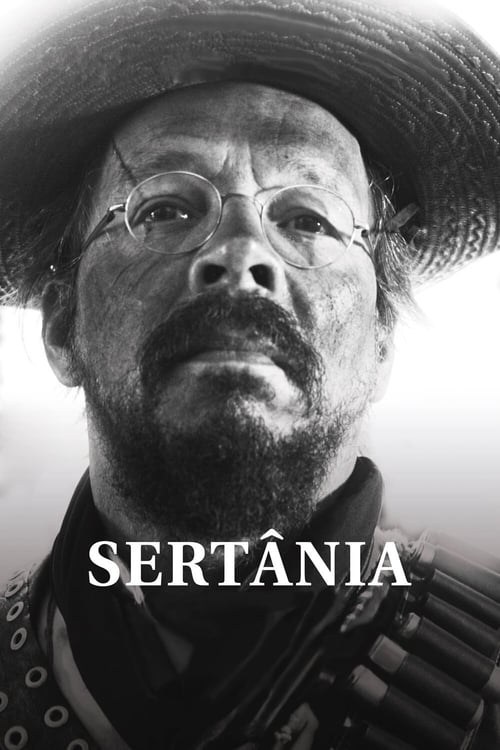
When bandits take the town of Sertânia, Antão gets shot, arrested, and left to die. Bleeding out, Antão's delirious mind begins to recall the events that led up to the incident through a sequence of increasingly unreliable fever dreams.
Sertânia
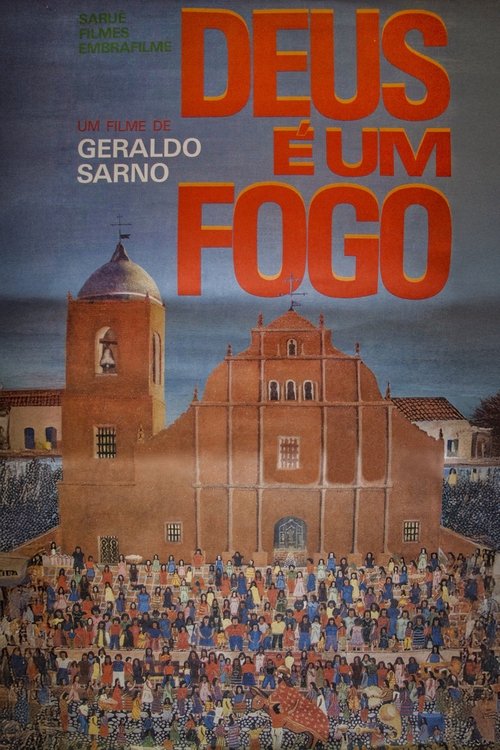
No description available.
Deus é um Fogo
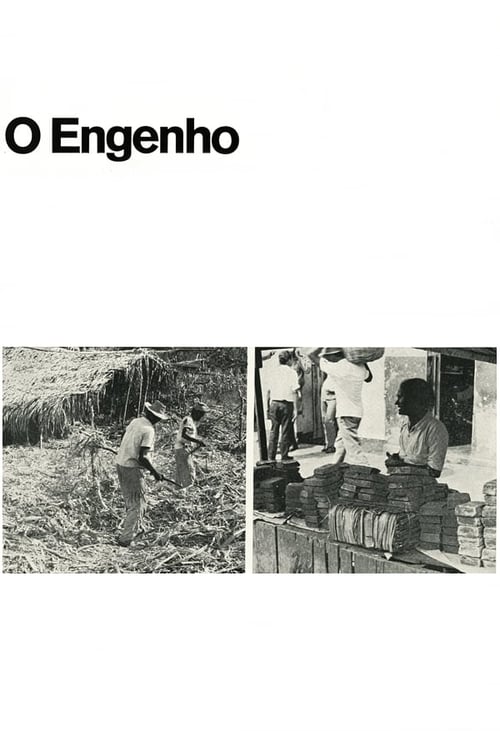
The process of production of rapadura in the Brazilian state of Ceará.
O Engenho
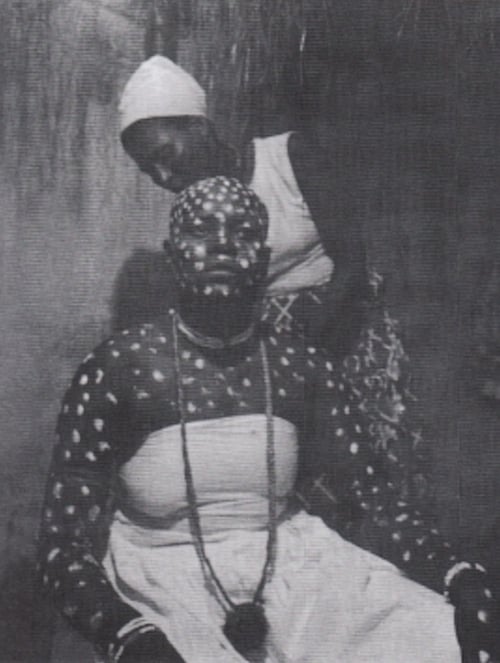
A documentary on the Afro-Brazilian religion of Candomblé and its rites.
Iaô: A iniciação num terreiro Gege Nagô
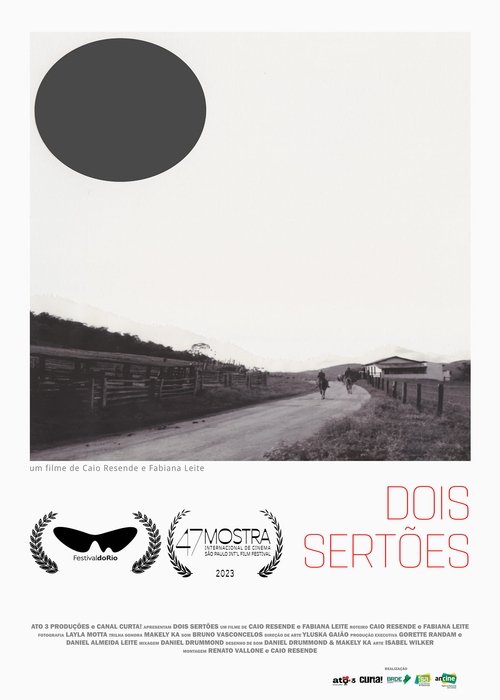
The work and life of the important Brazilian filmmaker Geraldo Sarno are intimately revealed during the filming of the series "Sertão de Dentro" and the feature film "Sertânia".