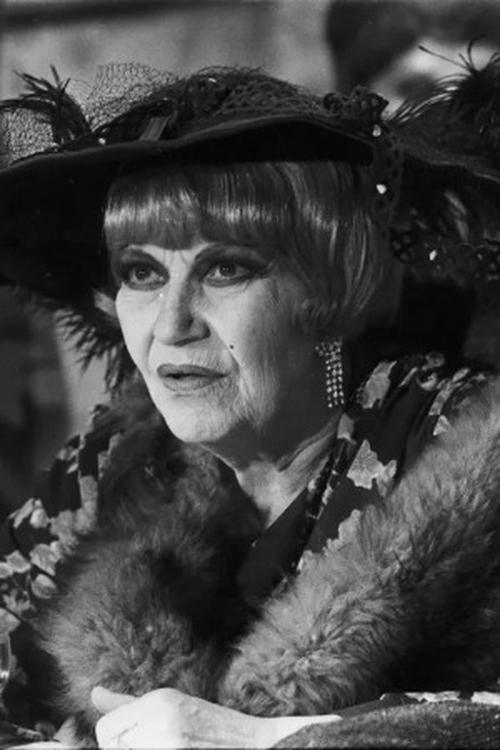
Elza Gomes
Acting
Known For

Carlão is a taxi driver who experiences a drama of conscience after fleeing bank robbers leave a suitcase with stolen money in his car: he doesn't know whether to hand it over to the police, running the risk of being accused of being an accomplice in the robbery, or whether to use the money to solve his problems.
Pecado Capital
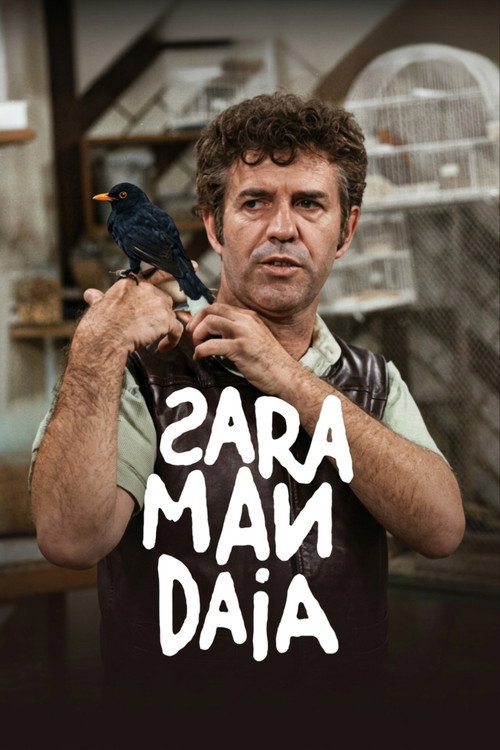
Saramandaia is a Brazilian telenovela originally written by Dias Gomes in 1976. It's considered remarkable because of the Magic Realism (used by the author to subtly criticize the Military Regime of the time) and had 160 chapters. The story centers on the name change that the city undergoes, promoted by the younger citizens and reviled by the older ones. It also focuses on the lives of the city's quirky residents.
Saramandaia
No description available.
Pai Herói
No description available.
Jerônimo, o Herói do Sertão
No description available.
O Casarão

Patricia, an orphan living in a traveling amusement park, believes the stars will bring her happiness. One day, an astrologer predicts the impossible: the young woman, an Aquarius, will fall in love with a Pisces boy, a sign initially incompatible with hers. The girl does, in fact, become enchanted by the wealthy student Renato, but he doesn't feel the same way. Patricia travels to Rio de Janeiro, where she befriends a gentleman whom she affectionately calls Mr. Pepe, unaware that he is Renato's great-uncle and the owner of the company where she begins working. Mr. Pepe discovers fraudulent activities committed by his family and decides to fake his death to observe the dispute over his inheritance.
Minha Doce Namorada
No description available.
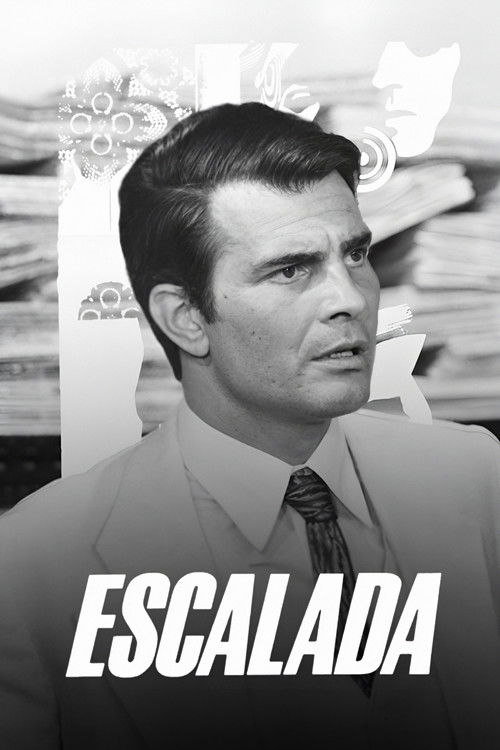
Escalada

After an accident, Marcela arrives in São Paulo and decides to assume a new identity. Torn between love, she plunges into a world that is not her own.
Plumas & Paetês
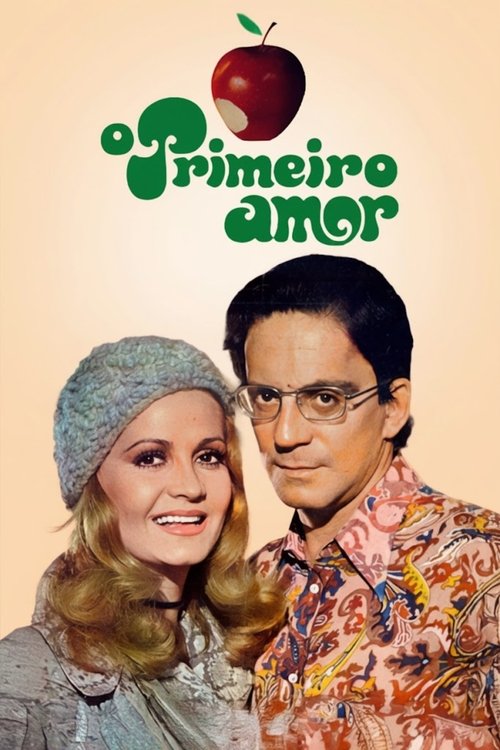
Professor Luciano Lima arrives in the fictional town of Nova Esperança to take over as principal of a school. A widower, he hires a governess to take care of his four children: Júnior, Babi, Zizi, and Rui. The professor and the governess, Paula, fall in love, but the romance faces strong resistance from the children, especially Babi, the most rebellious of the four. Luciano also encounters difficulties at the school. His former girlfriend, English teacher Maria do Carmo, does everything she can to steal his position as principal. Meanwhile, a group of maladjusted and rebellious students, led by the biker Rafa, disrupts the school environment and bothers the other students. In this scenario, Giovana, a young psychologist hired by Luciano to help him deal with the rebellious students, emerges. She ends up forming a love triangle with Paula and the professor.
O Primeiro Amor

No description available.
Duas Vidas
No description available.
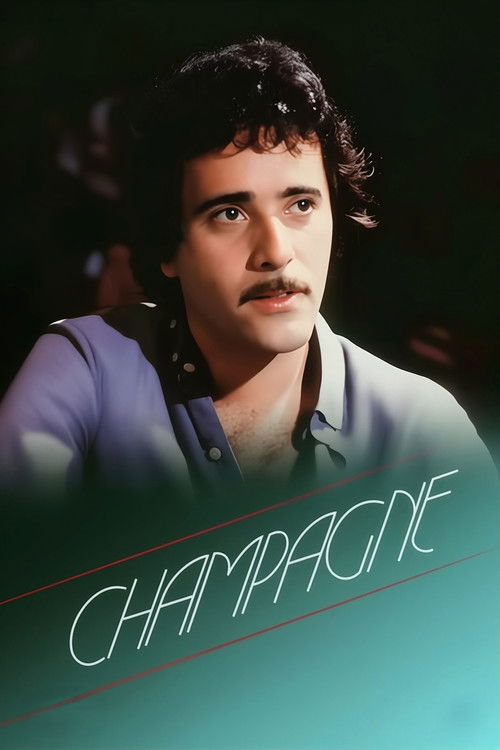
Champagne
No description available.
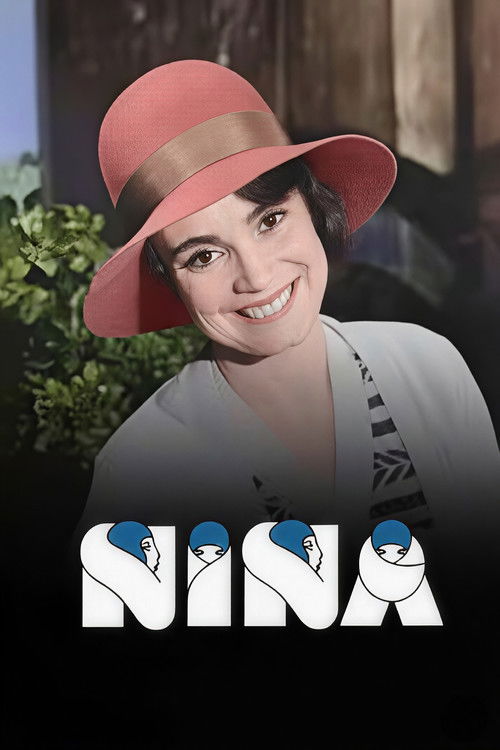
Nina

No description available.
Assim na Terra Como no Céu
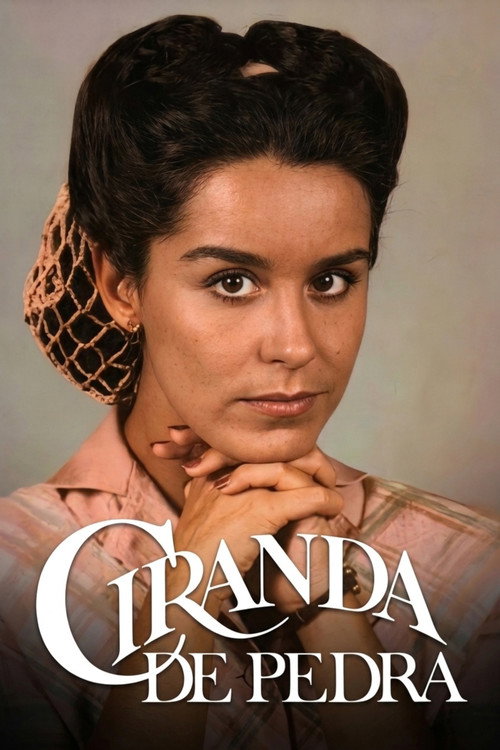
No description available.
Ciranda de Pedra
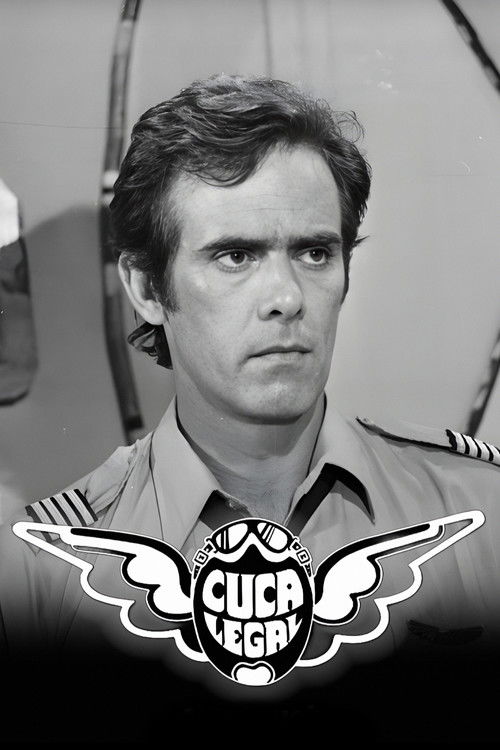
'Cuca Legal' tells the story of Mário Barroso, a single aviator involved with three women at the same time: Virgínia, Irene, and Fátima. Virgínia is a wealthy businesswoman obsessed with the direction of her late father's business; Irene is a middle-class young woman who gives private piano lessons; and Fátima is a poor widow. Mário can't decide which of them is the ideal woman to give him a child with a "cool head" (cuca legal). Things get even more complicated when Maria Joaquina, nicknamed Kinu, Virgínia's mother, also catches the aviator's attention. To escape the troubles he constantly gets into, Mário relies on the help of his mother, Dalva, and Jacaré, his great friend.
Cuca Legal

No description available.
Sinal de Alerta

No description available.
Os Ossos do Barão
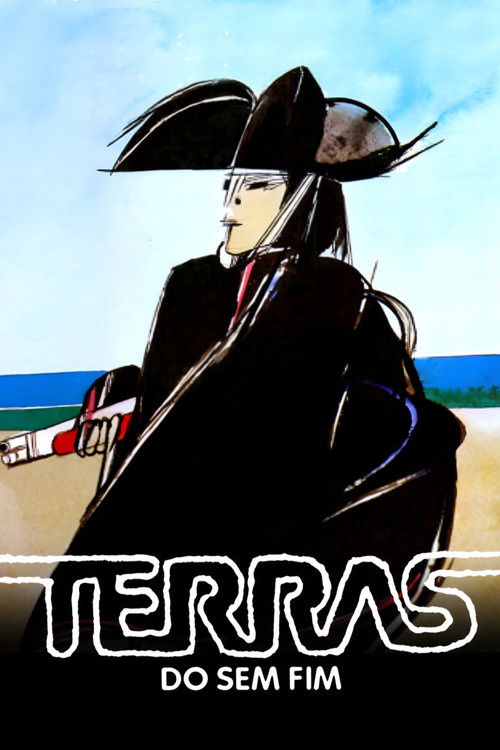
No description available.
Terras do Sem Fim

No description available.
Chega Mais

Malu Mulher was a TV series broadcast by Rede Globo from May 24, 1979 to December 22, 1980, written and directed by Daniel Filho. The theme song, Começar de novo, was a great hit in the voice of one of Brazil's greatest popular female singer, Simone.