Benoîte Groult
Writing
Biography
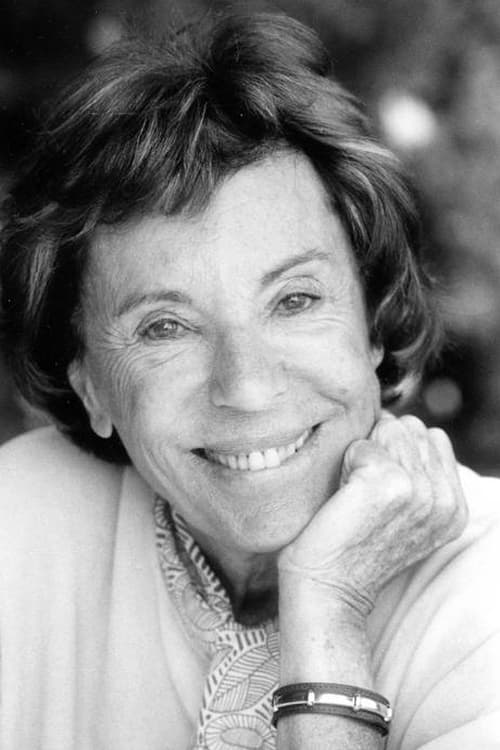
Benoîte Groult (31 January 1920 – 20 June 2016) was a French journalist, writer, and feminist activist. Groult was born on 31 January 1920 in Paris. She was the daughter of André Groult and Nicole Poiret, sister of Paul Poiret and herself a fashion designer, and was raised in the Parisian upper class. Groult attended the Sorbonne, where she studied Latin and Greek. After her studies in literature ended in 1953, she worked as a journalist for television. Before publishing her own book in 1972, she co-wrote three books with her younger sister Flora. On her own she eventually published twenty novels and numerous essays on feminism. Because Benoîte Groult was a feminist, her novels often deal with topics such as the history of feminism, the discrimination of women and misogyny. Her novel Les vaisseaux du cœur, published in 1988, was called pornographic by some because of its explicit sexual depictions. It was filmed by Andrew Birkin in 1992 as Salt on Our Skin. In April 2010, she became Commander of the Légion d'honneur. Benoîte Groult was the subject of several documentary films. Anne Lefant devoted the documentary Une chambre à elle: Benoîte Groult ou comment la liberté vint aux femmes to Groult, who was 86 years old at the time. It includes testimonies of Josyane Savigneau, Paul Guimard and Yvette Roudy and was published in 2006 by Hors Champ Productions. In 2008 the documentary Benoîte Groult, le temps d'apprendre à vivre, written by Marie Mitterrand and directed by Jean-Baptiste Martin, aired on France 5 as a part of the series Empreintes. In 2013 Grasset published a graphic novel based on the life of Benoîte Groult, called Ainsi soit Benoîte Groult, by the hand of Catel. Benoîte Groult was married three times. In 1944, she married medical student Pierre Heuyer, who died soon afterward of tuberculosis. In 1951, she married journalist Georges de Caunes with whom she had two daughters, Blandine and Lison. She later married the writer Paul Guimard (1921–2004). The couple had one daughter, Constance. Benoîte Groult had a holiday home in Derrynane (Republic of Ireland) and spent the summer there from 1977 till 2003. The French president François Mitterrand visited her there in 1988. Source: Article "Benoîte Groult" from Wikipedia in English, licensed under CC-BY-SA 3.0.
Known For
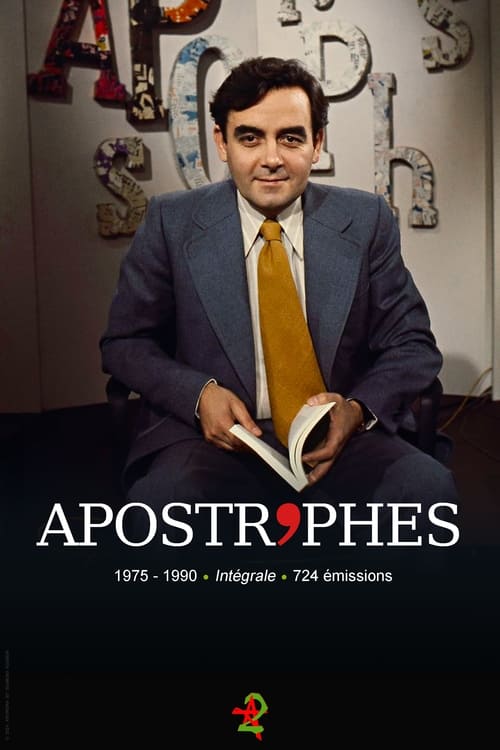
Apostrophes was a live, weekly, literary, prime-time, talk show on French television created and hosted by Bernard Pivot. It ran for fifteen years (724 episodes) from January 10, 1975, to June 22, 1990, and was one of the most watched shows on French television (around 6 million regular viewers). It was broadcast on Friday nights on the channel France 2 (which was called "Antenne 2" from 1975 to 1992). The hourlong show was devoted to books, authors and literature. The format varied between one-on-one interviews with a single author and open discussions between four or five authors.
Apostrophes
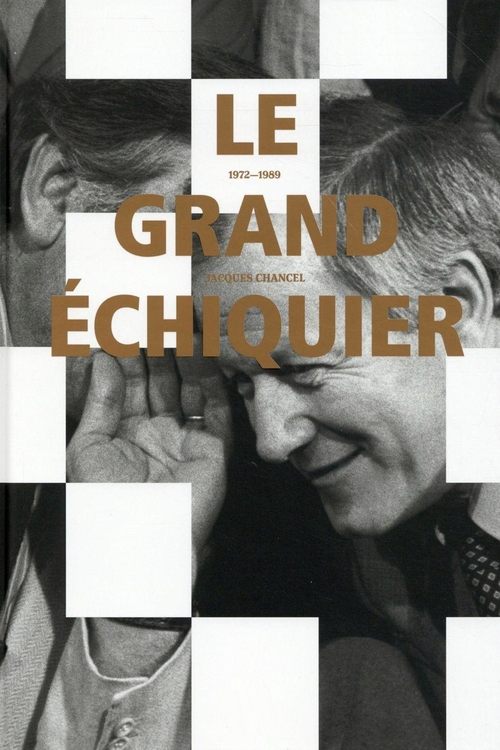
Le Grand Échiquier is a French variety television program created and presented by Jacques Chancel. It aired at 8:30 pm on the first channel of the ORTF from January 12, 1972 to July 12, 1972, then on the second color channel of the ORTF from September 1972 to December 1974, and finally on Antenne 2 from January 1975 to December 21, 1989. The program returned to France 2 on December 20, 2018 and is hosted by Anne-Sophie Lapix.
Le Grand Échiquier
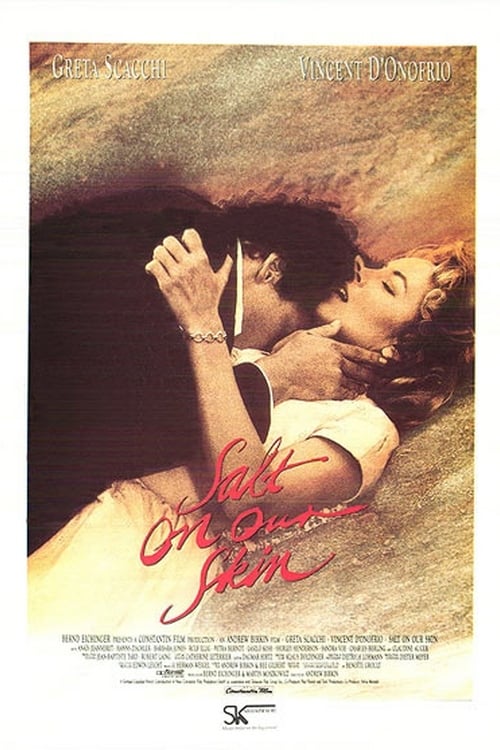
A Scottish woman who attends school in Paris comes home for the summer and helps take in the straw, where she meets an attractive and simple man. They begin a torrid affair despite the differences in their lifestyles. He asks her to marry him but she refuses, and they continue their separate lives but also continue their affair through the years, loving each other despite their differences.
Salt on Our Skin
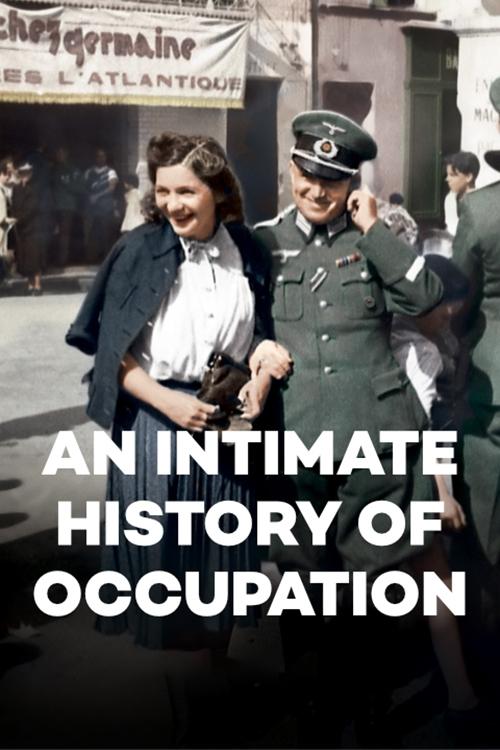
June 14, 1940. The German Army marches into Paris. France is an occupied country. Through exclusive amateur footage, personal stories, and popular songs from the time, this fi lm recounts life with the enemy during the occupation, as seen by the French... and the Germans! Despite the Nazis and the troubled war times, day-to-day life in occupied France went on. People learnt to live with the rationing, the cues, the curfew... Many try to forget the hard times, mainly thanks to the movies in which big stars provide a little dream and lead a privileged life. These stars don't actually collaborate, butadapt and give the impression of normal life during the war. After all, is it necessarily shameful to shake the hand of an enemy?
An Intimate History of Occupation
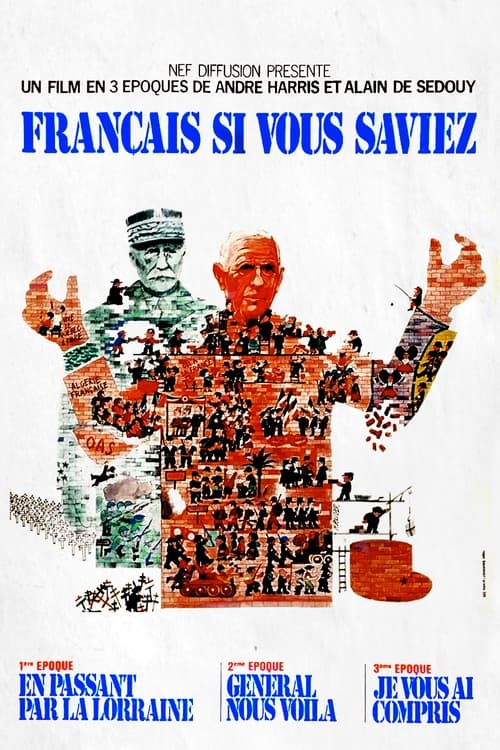
This almost 8 hour humongous 1973 documentary by two of the filmmakers who made The Sorrow and the Pity recounts fifty years of the history of France from the 1920s to 1972. It is particularly thorough in documenting the significance and rise to power of Charles De Gaulle. The film's most valuable contributions are its interviews with all sorts of people who lived through this period of history, from Marshall Petain's lawyer (Petain headed the Vichy government of occupied France) to resistance figures, and Frenchmen who fought on the side of the Nazis in Russia.
Français, si vous saviez
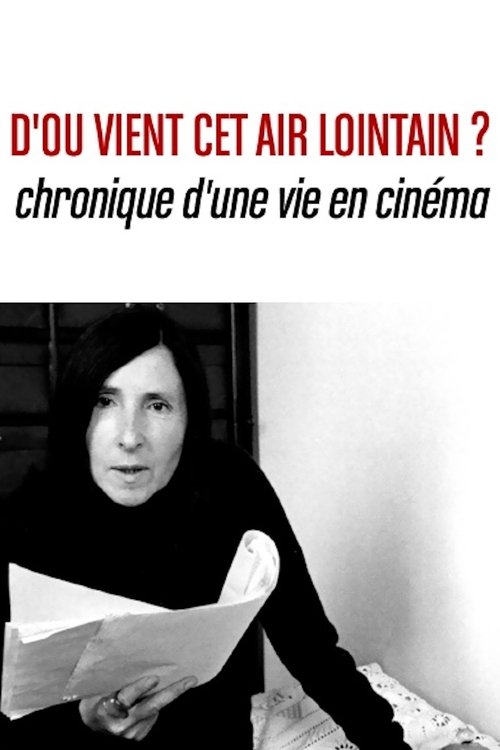
In the evening of her life, Yannick Bellon reflects on her past. She evokes her career as a film director, which began in the 1940s and the themes, sometimes controversial (rape, bisexuality, drugs, ecology) she chose to deal with. She also tells about her friendships, her loves, her leftist political commitment, which earned her many troubles with the censors.