FEEL IT.STREAM
?

Gregory J. Markopoulos

Directing

Biography

Gregory J. Markopoulos (March 12, 1928 - November 12, 1992) was an American experimental filmmaker. Born in Toledo, Ohio to Greek immigrant parents, Markopoulos began making 8 mm films at an early age. He attended USC Film School in the late 1940s, and went on to become a co-founder — with Jonas Mekas, Shirley Clarke, Stan Brakhage and others — of the New American Cinema movement. He was as well a contributor to Film Culture magazine, and an instructor at the Art Institute of Chicago. In 1967, he and his partner Robert Beavers left the United States for permanent residence in Europe. Once ensconced in self-imposed exile, Markopoulos withdrew his films from circulation, refused any interviews, and insisted that a chapter about him be removed from the second edition of Visionary Film, P. Adams Sitney's seminal study of American avant-garde cinema. While he continued to make films, his work went largely unseen for almost 30 years.
Known For

Diaries, Notes, and Sketches
7.2

Also known as Walden, Jonas Mekas’s first diary film is a six-reel chronicle of his life in 1960s New York, interweaving moments with family, friends, lovers, and artistic idols. Blending everyday encounters with portraits of the avant-garde art scene, it forms an epic, personal meditation on community, creativity, and the passage of time.

Diaries, Notes, and Sketches

1968
No image
N/A

Includes 'portraits' of Marianne Faithfull, Thelonious Monk and 28 others, some known, some less so.

Heads

1969
Birth of a Nation
7.0

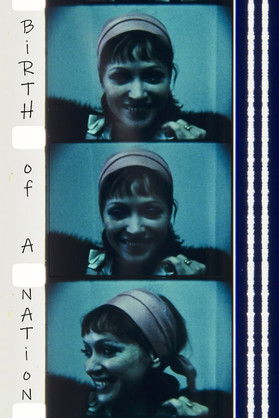
Jonas Mekas assembles 160 portraits, appearances, and fleeting sketches of underground and independent filmmakers captured between 1955 and 1996. Fast-paced and archival in spirit, the film celebrates the avant-garde as its own “nation of cinema,” a vital community existing outside the dominance of commercial film.

Birth of a Nation

1997
Galaxie
10.0

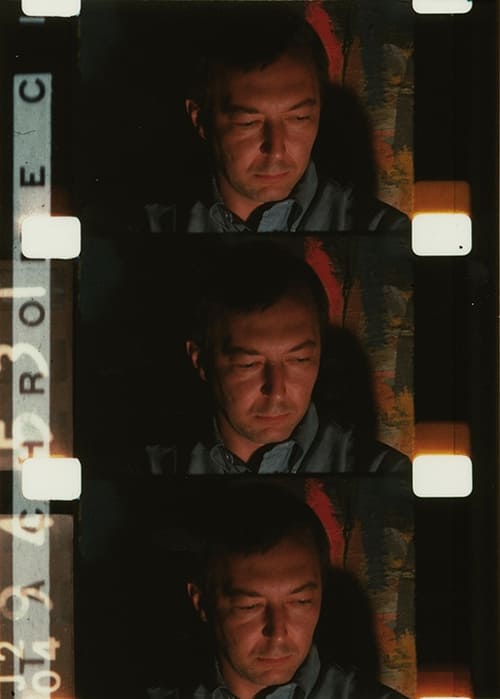
In March and April of 1966, Markopoulos created this filmic portrait of writers and artists from his New York circle, including Parker Tyler, W. H. Auden, Jasper Johns, Susan Sontag, Storm De Hirsch, Jonas Mekas, Allen Ginsberg, and George and Mike Kuchar, most observed in their homes or studios. Filmed in vibrant color, Galaxie pulses with life. It is a masterpiece of in-camera composition and editing, and stands as a vibrant response to Andy Warhol's contemporary Screen Tests. Preserved by the Academy Film Archive in 2001.

Galaxie

1966
The Illiac Passion
4.3

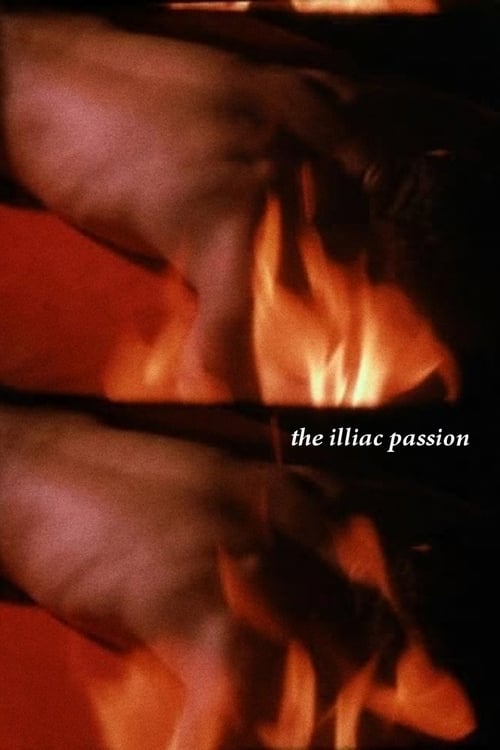
Prometheus, on an Odyssean journey, crosses the Brooklyn Bridge in search of the characters of his imagination. After meeting the Muse, he proceeds to the "forest." There, under an apple tree, he communes with his selves, represented by celebrated personages from the New York "underground scene" who appear as modern correlatives to the figures of Greek mythology. The filmmaker, who narrates the situations with a translation of Aeschylus' Prometheus Bound, finds the personalities of his characters to have a timeless universality.

The Illiac Passion

1967
No image
7.5

In 1964 Film Culture magazine chose Andy Warhol for its annual Independent Film award. The plan was to show some of Andy's films and have Andy come on stage and hand him the award. Andy said, no, he didn't want a public presentation.

Award Presentation to Andy Warhol

1964
Serenity
6.8

Originally edited in two versions. Version I, 70 minutes; version II, 90 minutes. (The only known existing version is not Markopoulos’s edit and contains additional titles, music and voice-over added later than 1961. 65 minutes.) Filmed in Mytilene and Annavysos, Greece, 1958. Existing copy on video, J. and M. Paris Films, Athens.

Serenity

1961
No image
8.0

(A)lter (A)ction, 1968. Videotape, black-and-white, sound; 65 minutes (director's edit: 57 minute television version).

(A)lter (A)ction

1968
From the Notebook of...
6.3

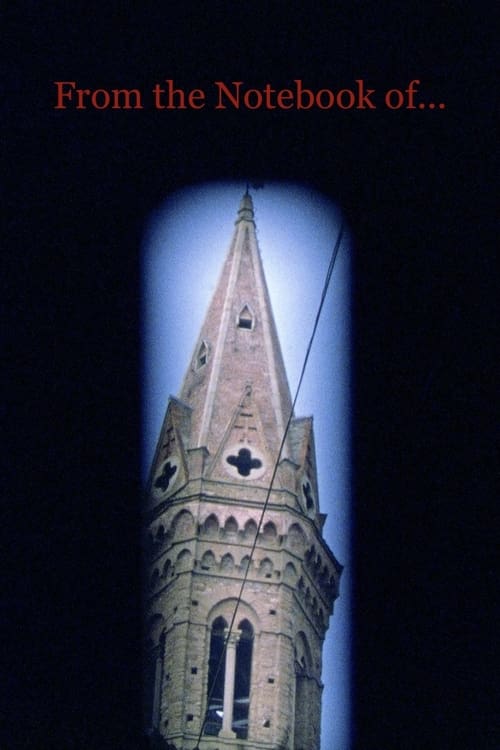
Shot in Florence, the film draws on Leonardo da Vinci’s notebooks and Paul Valéry’s essay on da Vinci’s creative process to explore parallels between Renaissance space and the moving image. Beavers employs rapid pans and tilts along the city’s facades, interspersed with glimpses of his own face, linking camera movement to the filmmaker’s investigative gaze. The work marks a turning point in his practice, foregrounding presence and perception as central to his method. (Note: The film was re-edited and re-released in 1999.)

From the Notebook of...

1972
Spiracle
N/A

Portrait studies of Mrs. Hodges, Gail Beavers (the filmmaker’s sister) and Gregory J. Markopoulos.

Spiracle

1967
Dionysus
7.0

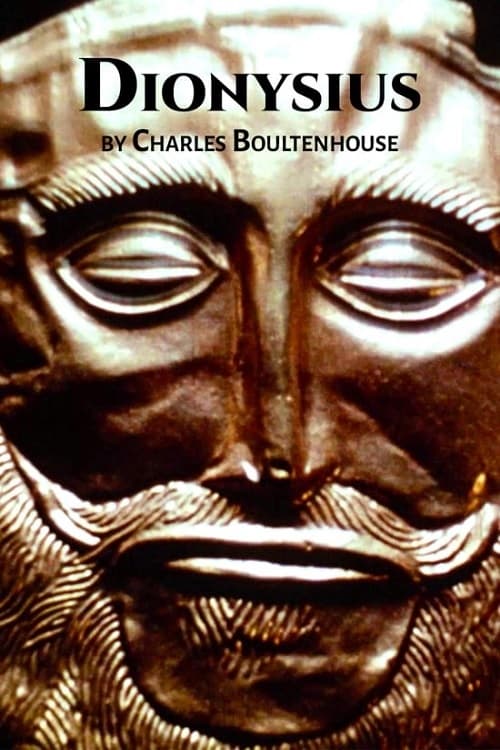
In 1963 Boultenhouse wrote, produced, and directed Dionysius,which he described as a “free treatment of Euripides' The Bacchae.”It starred the dancers Louis Falco, Anna Duncan, and Nicolas Magallanes as Dionysius, Agave, and Pentheus respectively, and the experimental filmmakers Charles Levine, Willard Maas, Gregory Markopoulos, Marie Menken, Lloyd Williams and William Wood as the Chorus of Cameras. The film's score was by Teiji Ito.

Dionysus

1964
Twice a Man
5.6

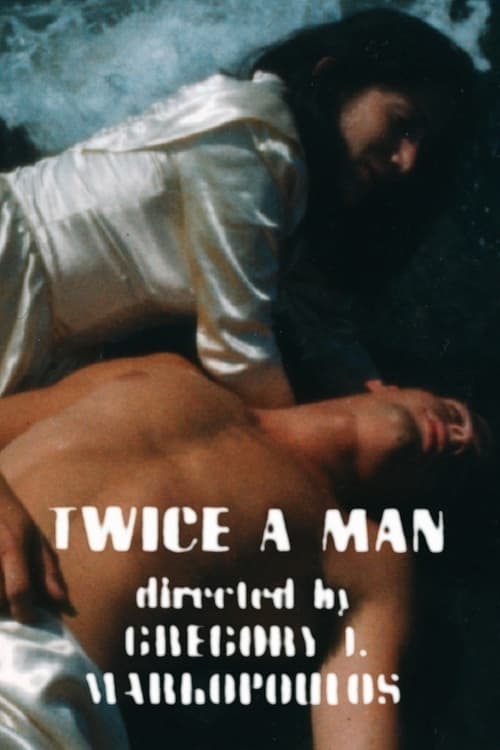
A reworking of the myth of Hippolytus, in which a chaste youth rejects the incestuous advances of his mother and is saved from death by a caring physician.

Twice a Man

1963
Genius
7.0

Based upon the theme of Faust, with the characters portrayed serving as representatives of the crises of their time. A triple portrait of three important figures in the art world: British artist David Hockney, Argentine surrealist painter Leonor Fini, and German-French art dealer Daniel-Henry Kahnweiler.

Genius

1970
Early Monthly Segments
N/A

Filmed when Beavers was 18–19, this self-portrait depicts him and Gregory J. Markopoulos in their Swiss apartment. A diary of domestic life, it transforms everyday objects and intimate details into a charged meditation on love, memory, and desire.

Early Monthly Segments

2003
Sotiros
6.7

Distilled in 1996 from an earlier 50-minute trilogy, this 26-minute film was shot in Greece and Austria and structured around two recurring intertitles, “He said” and “he said.” Each introduces delicate studies of light and place—hotel interiors, cafés, hillsides, storefronts, and street life—framed in parallel variations. The title invokes Apollo as savior and healer.

Sotiros

2000
Eros, O Basileus
4.0

Structured in nine tableaux each a study of a simple action or situation involving a lone, naked figure, the blind Eros, searching for fulfilment, for self. The objects he touches - books, paintings - can be seen as icons of the creative spirit; there is also a motor cycle and film equipment. In succeeding scenes he appears to try on identities offered by institutional doctrines of religion and social traditions of (overt) masculinity. Much of the film was constructed in-camera with a small amount of editing afterwards. An innovation was the use of in-camera fade-outs as phrase markers, not as terminal points, within a single set-up or shot.

Eros, O Basileus

1967
Gammelion
7.4

Gammelion 1968, filmed at Il Castello Roccasinibalda in Rieti, Italy, is a major work in Markopoulos’s oeuvre, marking the transition into his late period and anticipating his epic final film, Eniaios 1947–91. Shot with only two rolls of film, the work extends seven minutes of footage to almost one hour of viewing time using hundreds of fades in and out. - Tate Modern

Gammelion

1968
Christmas U.S.A.
5.9

Things spin: amusement park rides, a phonograph record. A man wakes, shaves, and takes a phone call. Another man, in a kimono, walks in the woods, stops, and opens a small decorative box on the forest floor. People at an amusement park called Little Harlem enjoy themselves. A man walks through another amusement park, called Cavalcade Worlds, as midway rides spin. At a house, an older woman cleans; a pre-teen girl sets the table; a teenaged boy showers. After he dresses, he holds a candle high above his head and walks swiftly toward a young man standing bare-chested, his arms extended. A man arrives home where the girl has set the table. The youth sleeps. Christmas?

Christmas U.S.A.

1949
The Hedge Theater
6.4

Filmed in Rome in the 1980s, the work draws on Borromini’s Baroque architecture and Il Sassetta’s St. Martin and the Beggar. Beavers contrasts winter’s subdued light with the verdant growth of spring, constructing a precise montage in which image and sound form a poetic dialogue.

The Hedge Theater

2002
Himself as Herself
3.6

The young hero seems the essence of maleness, yet he's troubled by vaguely feminine objects. Soon his masculine and feminine selves are intercut, as each of his identities appears to look and gesture at the other. The film, at once melancholy and transcendent, consists of a shimmering, nearly plotless evocation of gender identity in flux through haunting, densely interlaced images.

Himself as Herself

1967