FEEL IT.STREAM
Jorge Luis Borges

Jorge Luis Borges

Writing

Biography

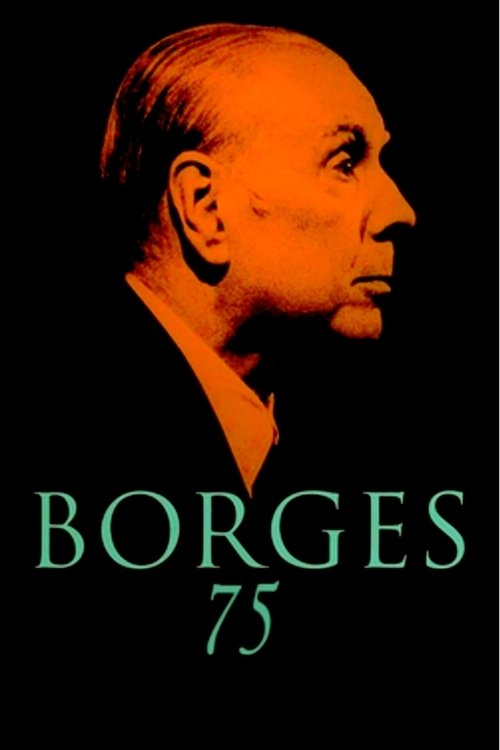
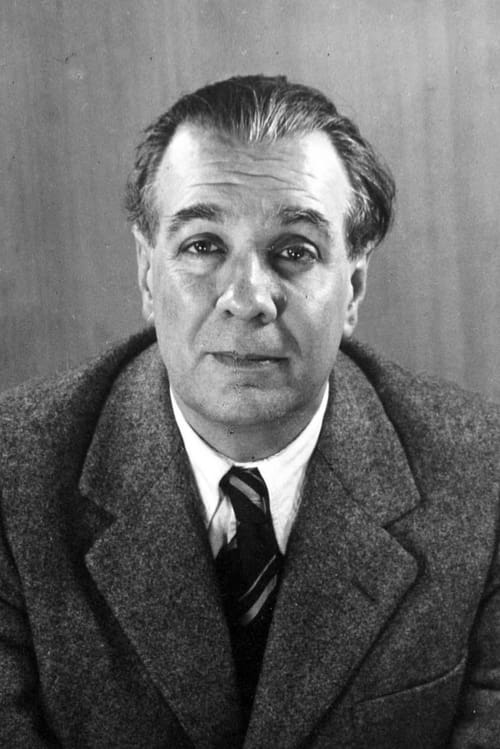
Jorge Francisco Isidoro Luis Borges Acevedo (24 August 1899 – 14 June 1986) was an Argentine short-story writer, essayist, poet and translator regarded as a key figure in Spanish-language and international literature. His best-known books, Ficciones (transl. Fictions) and El Aleph (transl. The Aleph), published in the 1940s, are collections of short stories exploring motifs such as dreams, labyrinths, chance, infinity, archives, mirrors, fictional writers and mythology. Borges's works have contributed to philosophical literature and the fantasy genre, and have had a major influence on the magic realist movement in 20th century Latin American literature. Born in Buenos Aires, Borges later moved with his family to Switzerland in 1914, where he studied at the Collège de Genève. The family travelled widely in Europe, including Spain. On his return to Argentina in 1921, Borges began publishing his poems and essays in surrealist literary journals. He also worked as a librarian and public lecturer. In 1955, he was appointed director of the National Public Library and professor of English Literature at the University of Buenos Aires. He became completely blind by the age of 55. Scholars have suggested that his progressive blindness helped him to create innovative literary symbols through imagination. By the 1960s, his work was translated and published widely in the United States and Europe. Borges himself was fluent in several languages. In 1961, he came to international attention when he received the first Formentor Prize, which he shared with Samuel Beckett. In 1971, he won the Jerusalem Prize. His international reputation was consolidated in the 1960s, aided by the growing number of English translations, the Latin American Boom, and by the success of García Márquez's One Hundred Years of Solitude. He dedicated his final work, The Conspirators, to the city of Geneva, Switzerland. Writer and essayist J. M. Coetzee said of him: "He, more than anyone, renovated the language of fiction and thus opened the way to a remarkable generation of Spanish-American novelists." Jorge Francisco Isidoro Luis Borges Acevedo was born into an educated middle-class family on 24 August 1899. They were in comfortable circumstances but not wealthy enough to live in downtown Buenos Aires so the family resided in Palermo, then a poorer neighbourhood. Borges's mother, Leonor Acevedo Suárez, came from a traditional Uruguayan family of criollo (Spanish) origin. Her family had been much involved in the European settling of South America and the Argentine War of Independence, and she spoke often of their heroic actions. His 1929 book Cuaderno San Martín includes the poem "Isidoro Acevedo", commemorating his grandfather, Isidoro de Acevedo Laprida, a soldier of the Buenos Aires Army. A descendant of the Argentine lawyer and politician Francisco Narciso de Laprida, Acevedo Laprida fought in the battles of Cepeda in 1859, Pavón in 1861, and Los Corrales in 1880. Acevedo Laprida died of pulmonary congestion in the house where his grandson Jorge Luis Borges was born. ... Source: Article "Jorge Luis Borges" from Wikipedia in English, licensed under CC-BY-SA 3.0.

Known For

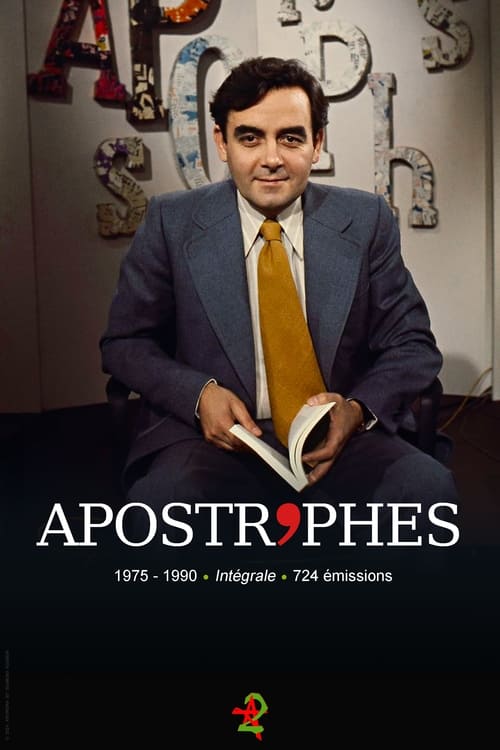
Apostrophes
8.5

Apostrophes was a live, weekly, literary, prime-time, talk show on French television created and hosted by Bernard Pivot. It ran for fifteen years (724 episodes) from January 10, 1975, to June 22, 1990, and was one of the most watched shows on French television (around 6 million regular viewers). It was broadcast on Friday nights on the channel France 2 (which was called "Antenne 2" from 1975 to 1992). The hourlong show was devoted to books, authors and literature. The format varied between one-on-one interviews with a single author and open discussions between four or five authors.

Apostrophes

1975
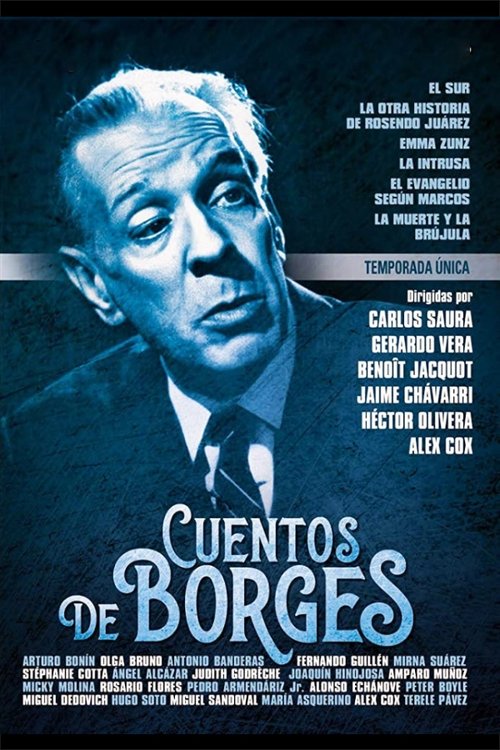
Cuentos de Borges
9.0

No description available.

Cuentos de Borges

1993
Death and the Compass
5.9

In a totalitarian future, in a nightmare metropolis, inhabited only by criminals and police, Erik Lonnrot, a gifted detective, investigates a series of strange murders and disappearances that seem to implicate a insane crime lord. (Re-released in 1996 as a feature film, 86 minutes.)

Death and the Compass

1992
The Spider's Stratagem
7.0

A young man returns to his countryside hometown to investigate the unclear circumstances behind the death of his father, ostensibly killed by Fascists in 1936, before his birth. As he unravels a web of lies that seems to encompass the whole town, he finds himself entangled in the same web.

The Spider's Stratagem

1970
Invasion
7.3

Hearing the summons from an elderly man, a volunteer troop of middle-aged men gather to defend their country from dark foreign invaders.

Invasion

1969
Kid
6.0

Inspired by Jorge Luis Borges’ The Disinterested Killer Bill Harrigan, Garoto follows a young couple who find themselves in an enchanted place where they experience an amorous and spiritual adventure.

Kid

2015
The Garden
5.7

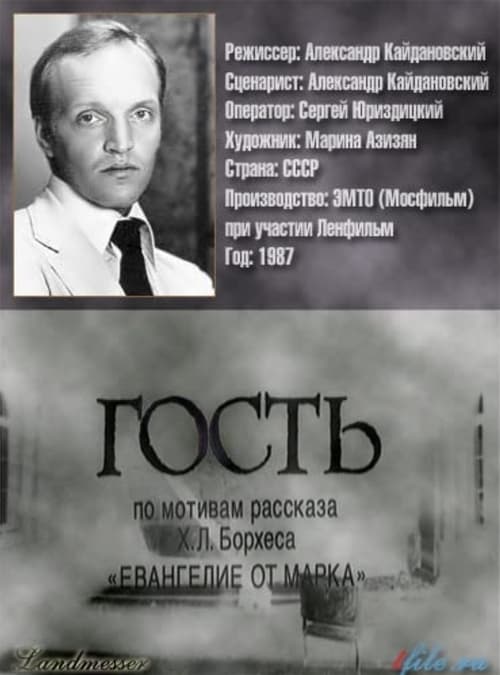
Soviet film based on Borges' "Garden of Forking Paths." The film tells about the events that occurred on the eve of the British offensive in Saint-Montauban on July 24, 1916. A screen version of the short story of the famous Argentine classic Jorge Luis Borges (1899–1986). Course work by Alexander Kaidanovsky, as a director, at the Higher Courses for Scriptwriters and Directors at VGIK. "Pavilion" for filming was chosen a room in a communal apartment on Vorovskogo street, where Alexander Kaidanovsky lived.

The Garden

1983
Warriors and Prisoners
3.7

Patagonia, Argentina, 1880s. During the Conquest of the Desert, Marguerite, the French wife of Colonel Garay, in charge of protecting a new railway, discovers that a French woman is being held captive by the local natives.

Warriors and Prisoners

1990
Spiderweb
N/A

A rabbi is murdered. Detective Llonrot is called in on the case and looks for a 'rabbinical explanation' for the murder. Other murders are committed and deliberate clues left in chosen locations. Llonrot, convinced he is on the trail of a 'mystical intrigue' is lured to the 'crime scene' when the tables are turned by his nemesis, the master criminal Red Scharlach.

Spiderweb

1976
Ghazal
7.8

Two brothers Hojjat and Zein-Ala'bedin are the guards of the jungle and live alone by themselves. One day they are notice that some people are cutting the trees illegally. Hojjat chases them but returns home with a girl named Ghazal.

Ghazal

1976
Singing Behind Screens
5.9

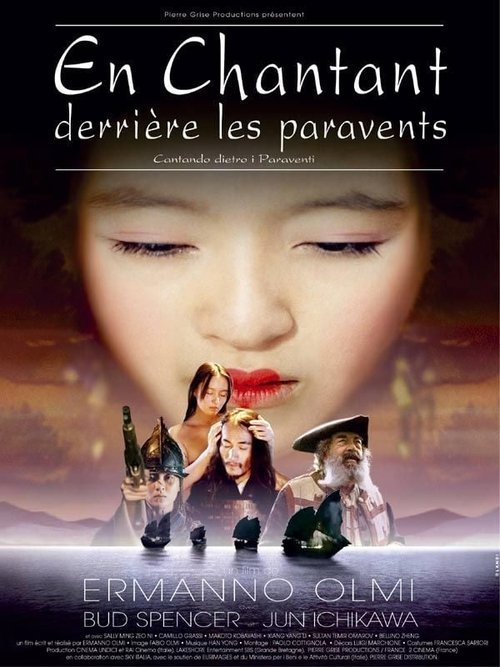
A young man enters a brothel and sees a staged narration of a Chinese folk tale concerning a female pirate.

Singing Behind Screens

2003
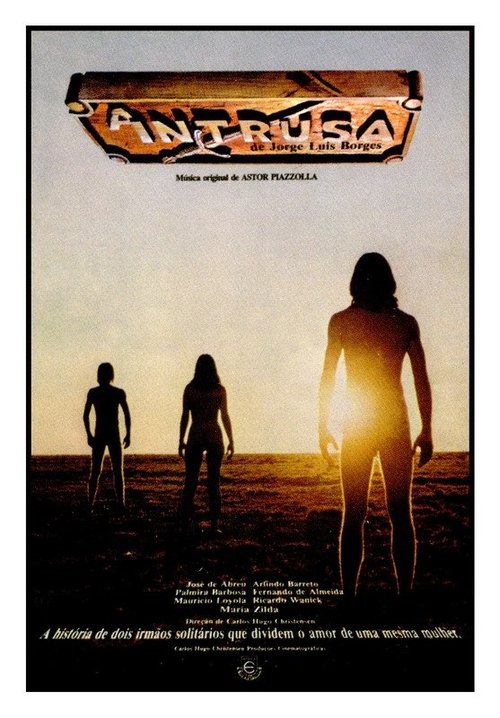
The Intruder
5.4

The parallel lives of two brothers of the "Pampas" of the Brazilian area, which much share everything they have. A woman, "the intruder", will change everything.

The Intruder

1980
No image
4.3

A man wearing a mask of King Kong walks through a maze unrolling a ball of thread. Franco Brocani renewes his interest in the dens of perdition providing a free vision of the classic myth of the Minotaur. Shot in an art gallery in Rome and adapted from a story by Jorge L. Borges.

The Minotaur Mask

1971
The Books and the Night
6.4

A dramatized approach to the Argentinian writer Jorge Luis Borges (1899-1986) through the recreation of some of his works and the staging of various aspects of his thought and his life.

The Books and the Night

2000
Profile of a Writer: Borges
N/A

This documentary examines Borges' extraordinary life and work, using dramatizations of his most memorable stories and rare interview footage with the author at his Buenos Aires home.

Profile of a Writer: Borges

1983
The Dead Man
6.0

Benjamin Ortalora is a young man who leaves Buenos Aires after murdering a rival. He goes to Montevideo where his cool boldness draws the attention of gang leader Azevedo Bandeira. When the old bandit becomes ill, Ortalora makes a determined play to take his place.

The Dead Man

1975
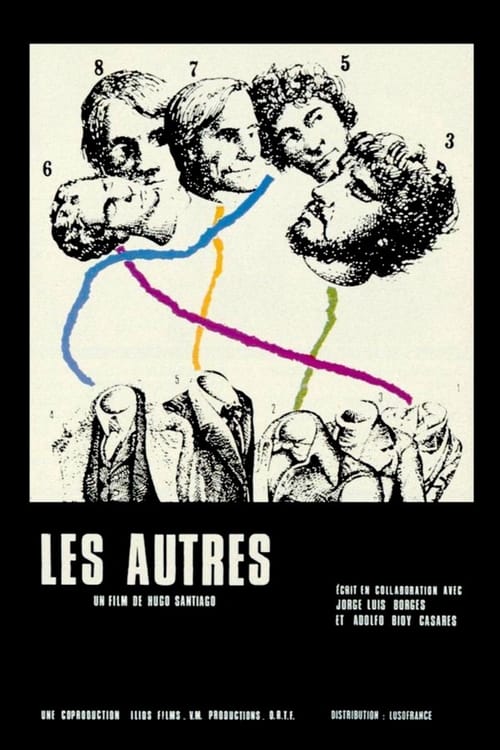
The Others
6.4

Spinoza, attempting to discover why his son committed suicide, meets his girlfriend and his rival for her affections.

The Others

1975
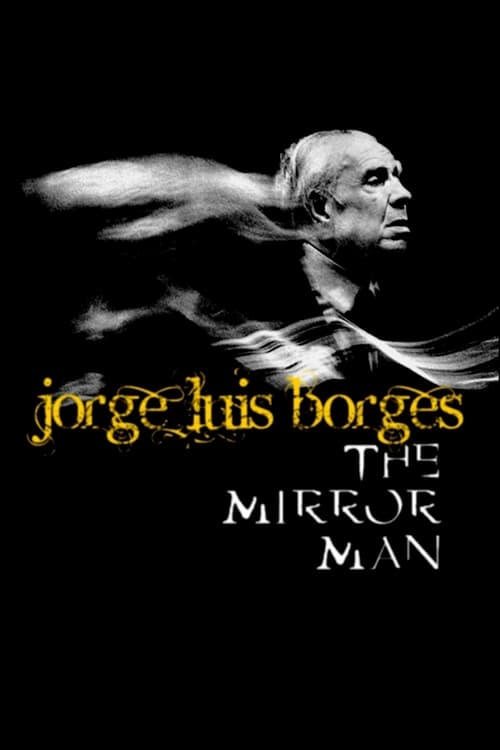
Jorge Luis Borges, the Mirror Man
N/A

The lifetime of the great Argentinian man of letters Jorge Luis Borges through narration and interviews of such key players in his life as Leonor de Acevedo —his mother—, María Kodama —his second wife—, and Adolfo Bioy Casares —his best friend and collaborator for decades.

Jorge Luis Borges, the Mirror Man

1999
Splits
N/A

Based on “Emma Zunz,” a short story by Jorge Luis Borges, the film moves through the internal voices of Emma’s character, whose evolution between crime, revenge and justice assumes—read from the context of the social struggles of the 60s and 70s—a decidedly political character.

Splits

1978
No image
N/A

Adaptation of Jorge Luis Borges' The Book of Sand. The film is built from stop motion photographs to create a living stop motion.

The Book of Sand

2014