Akio Isono
Acting
Biography
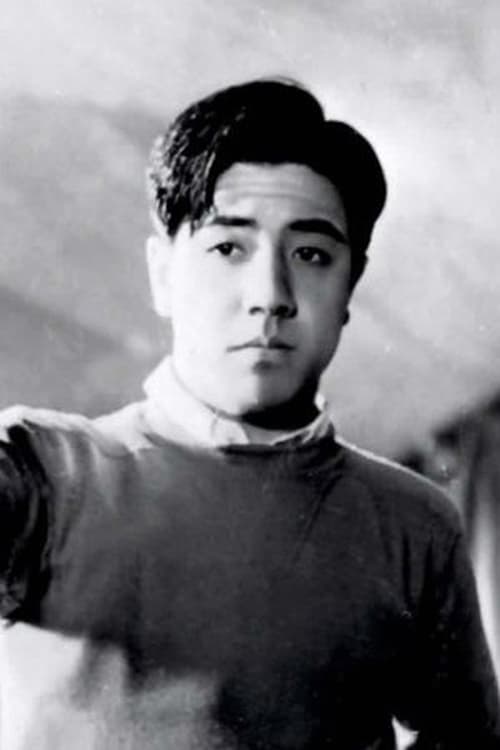
Akio Isono (October 20, 1910 – January 21, 1986) was born in Tsurumi, near Yokohama in 1910. His family ran a newspaper sales business. In 1917, at the age of seven, he became a pupil of Hanayanagi Shotaro, who was known as a great actor of the new school, and trod the boards for the first time in child roles at the Hongoza theater. After that he went on to perform in theaters run by Shochiku. In 1921, he performed in his first leading film role in Yamagureru under the direction of Ushihara Kiyohiko, and he then alternated leading roles on the stage with those at Shochiku Pictures. In 1925, he became an exclusive actor for Shochiku Cinema, Kamata Studios and starred in a number of films. Isono, together with Mitsui Hideo and Abe Shozaburo, won great popularity as the Yotamono Trio. The Yotamono Trio appeared in a series of movies, beginning with the 1931 film Reijo to Yotamono. In 1932, his excellent performance in the film Arashi no Naka no Shojo, directed by Shimazu Yasujiro, won great critical acclaim. In 1943, he left Shochiku and joined the theater company Warai no Okoku. After the war, he continued to appear in supporting roles, mainly for Shochiku, but from the late 1960s he began appearing exclusively in TV dramas. His gentle and humorous acting style won him great acclaim. He died of lung cancer at 8:18 a.m. on January 21, 1986, at the Ofuna Kyosai Hospital in Totsuka Ward, Yokohama City, Kanagawa Prefecture. He was 75 years old.

Known For

As supernatural events and monster attacks rock Japan, the military and government look to be overwhelmed. Three intrepid young investigators—two pilots and a reporter—take it upon themselves to study these unexplained phenomena in order to inform and protect the public.
Ultra Q

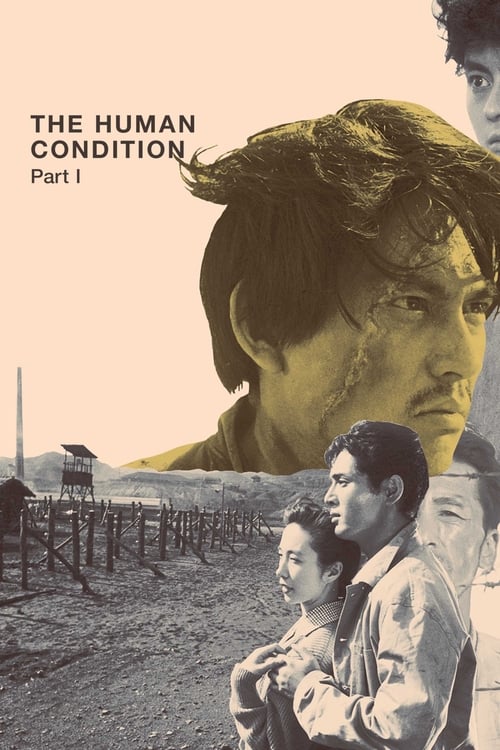
After handing in a report on the treatment of Chinese colonial labor, Kaji is offered the post of labour chief at a large mining operation in Manchuria, which also grants him exemption from military service. He accepts and moves with his newlywed wife Michiko, but when he tries to put his ideas of more humane treatment into practice, he finds himself at odds with scheming officials, cruel foremen, and the military police.
The Human Condition I: No Greater Love

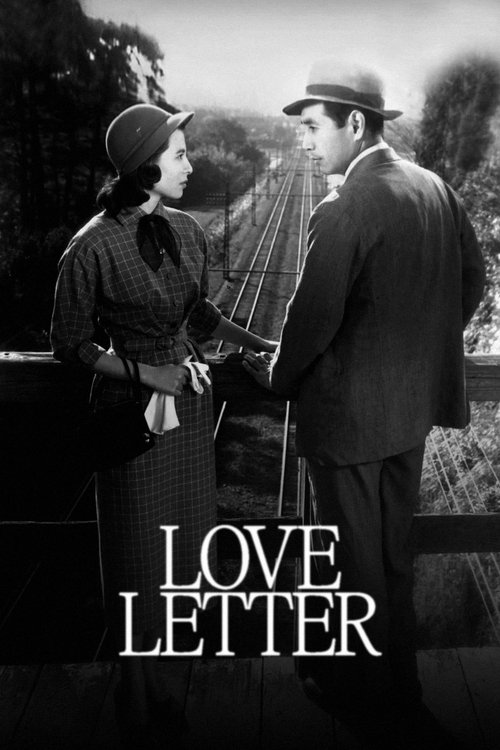
Five years after the end of the Second World War, Reikichi, a repatriated veteran, translates love letters for Japanese women to American GIs, while searching for his lost love, Michiko.
Love Letter

A talent scout moves sharply, dead-set on signing a promising baseball player to The Toyko Flowers.
I Will Buy You

Pre-war Asakusa was a riotous district of cabarets, dance-halls and brothels - a striking backdrop for Shimazu's story of innocence and experience. Pretty, young Reiko is the new dancer in an infamous theatre troupe, and her fellow performers try to protect her virtue in a land of vice. Meanwhile, an ageing actor wants to be a hero off stage as well as on, and the troupe matriarch Marie has to keep them all together.
The Lights of Asakusa

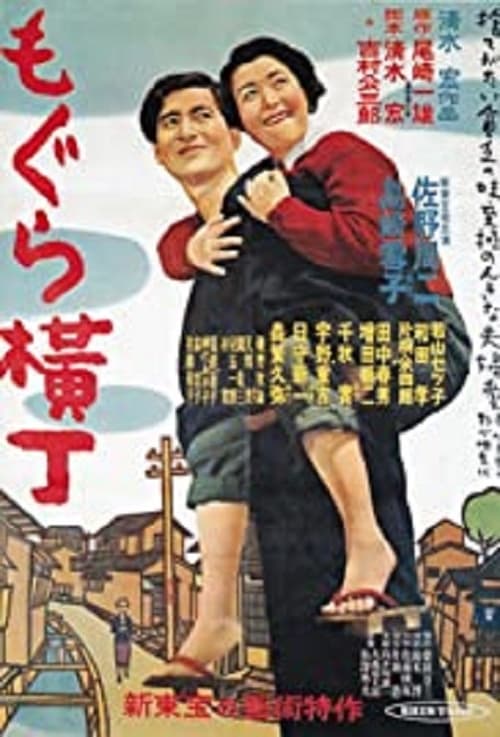
33-year-old poor writer Ogata was able to endure his miserable life cheerfully thanks to Yoshie, a 19-year-old innocent young wife. After graduating from a girls' school in Hokuriku, she immediately moved to Tokyo to meet and marry Ogata. After neatly writing Ogata's manuscript, he would buy dorayaki as a gratuity and devour it.
Mole Alley

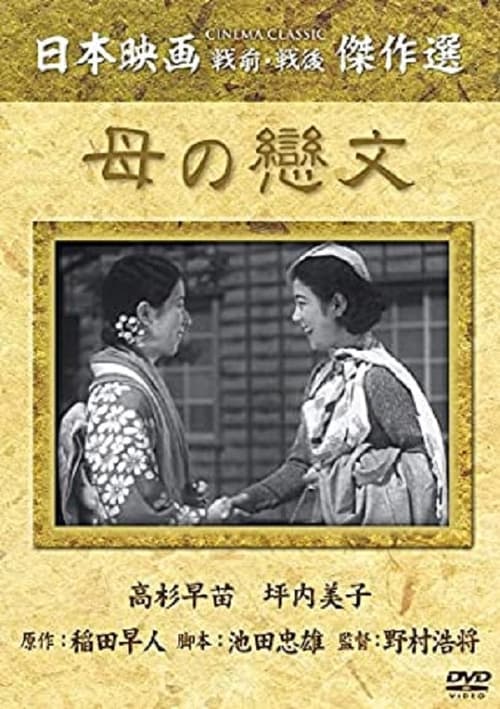
Domestic comedy involving a strong wife and a "henpecked" husband taking place in a family-run judo school.
Mother's Love Letter

A pair of blind masseurs, an enigmatic city woman, a lonely man and his ill-behaved nephew—The Masseurs and a Woman is made up of crisscrossing miniature studies of love and family at a remote resort in the mountains. With delicate and surprising humor, Hiroshi Shimizu paints a timeless portrait of loneliness and the human need to connect.
The Masseurs and a Woman

Mikio Naruse’s final silent film is a gloriously rich portrait of a waitress, Sugiko, whose life, despite a host of male admirers and even some intrigued movie talent scouts, ends up taking a suffocatingly domestic turn after a wealthy businessman accidentally hits her with his car.
Street Without End

One week into newlywed Teiko Uhara's marriage, her husband, Kenichi, leaves on a short business trip and never returns. Teiko travels across Japan to search for him, and along the way discovers some surprising facts about her husband's past. With only a pair of old photographs among his belongings to go off of, Teiko tries to figure out what has happened to him.
Zero Focus

A rural village elder plans an event on the return of a farmer's daughter from the city, unaware that she has become a Westernized burlesque artist.
Carmen Comes Home

Watanabe Kazuma and Kawai Matagorō from the Bizen Okayama Ikeda clan were close friends, but they inevitably became enemies after Matagorō killed Kazuma's younger brother, Gentayū, and fled. Seeking assistance, Kazuma asked his brother-in-law, Araki Mataemon, for help, but Mataemon refused, saying that it was against the code for a brother to avenge another brother's death. On the other hand, the lord of the clan, Ikeda Tadao, ordered a search for Matagorō, who was found to be sheltered by the Hatamoto, including Andō Jiemon, in Edo. Tadao was furious but unable to act. Matagorō, in Edo, came to regret his birth as a samurai. He met and fell in love with Okō, a bathhouse maid. As the discord between the Hatamoto and the Ikeda clan deepened, Tadao died of illness. Seizing the opportunity to ease the conflict, the shogunate ordered the Ikeda clan to be succeeded by the young lord Katsugorō and to relocate to the Ikeda clan of Inshū Tottori. Meanwhile, Matagorō was exiled from Edo.
荒木又右衛門

A period piece about the love of a wealthy blind woman, a teacher of koto and shamisen, and her devoted manservant. Based on a novella by Tanizaki Junichiro.
Okoto and Sasuke

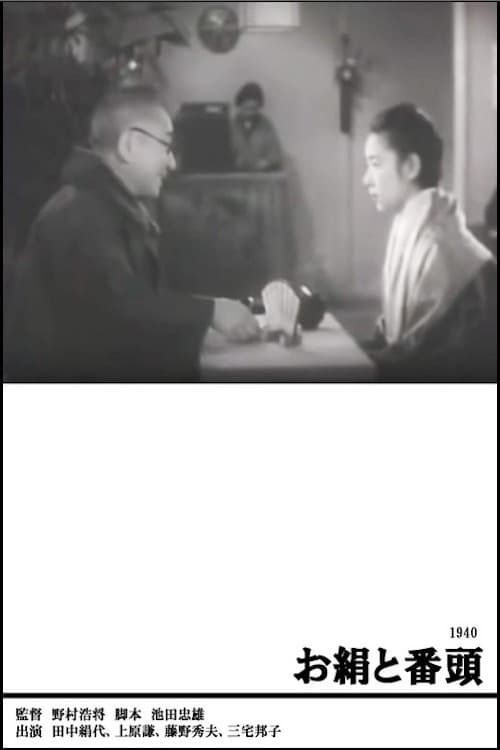
A story of a store that makes Tabi socks.
Okinu and Banto

An aging geisha, whose angry teenage son is ashamed of her profession, works alongside a young geisha, resentful of her family for forcing her into a life of ignominy.
Apart from You

Strip dancer Carmen falls in love with Hajime, who is engaged to the daughter of a right-wing politician.
Carmen's Innocent Love

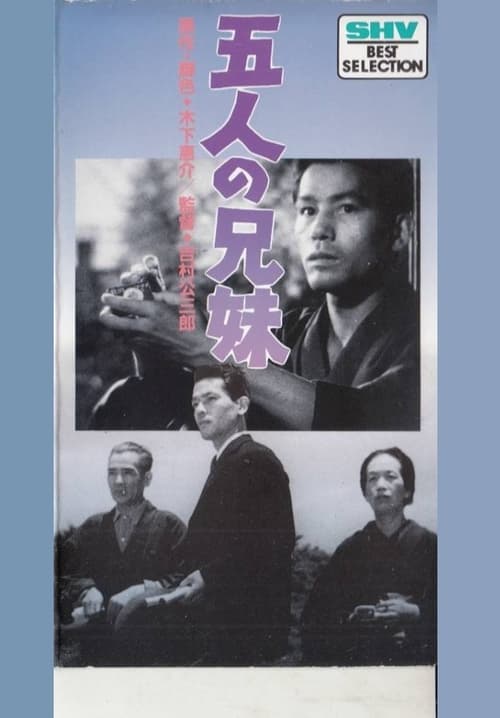
A businessman runs afoul of the law and commits suicide, leaving behind a wife and five children. The eldest son takes the family to Tokyo and labors to restore its name and fortune
Five Siblings
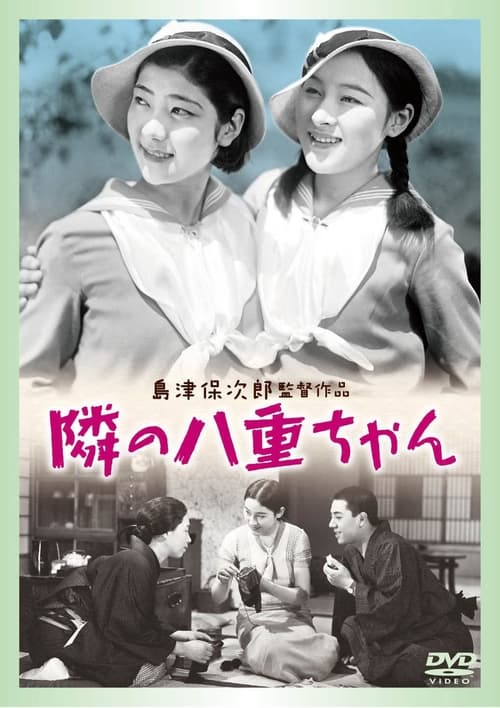
No description available.
Hearts A-Flutter

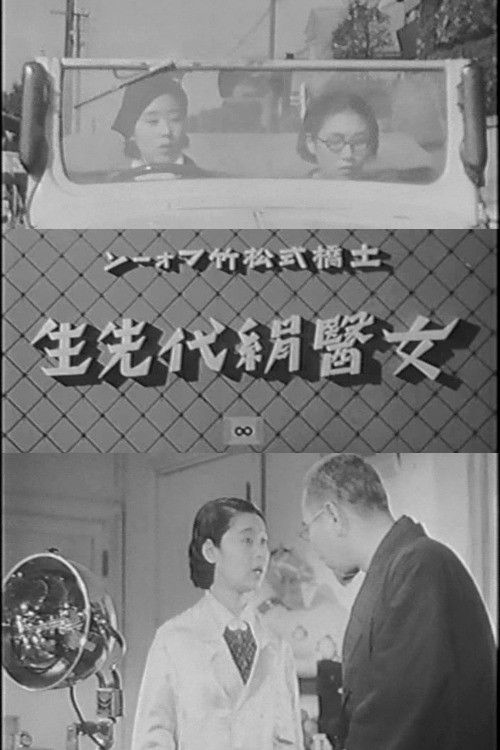
Shochiku melodrama about the lives of the humble people living in the poor tenement called the Ryuheiso.
The Woman Who Holds the Key

Machiko and Haruki’s drama continues. Machiko is not allowed to see Haruki. They finally meet again, but Haruki departs to Europe.