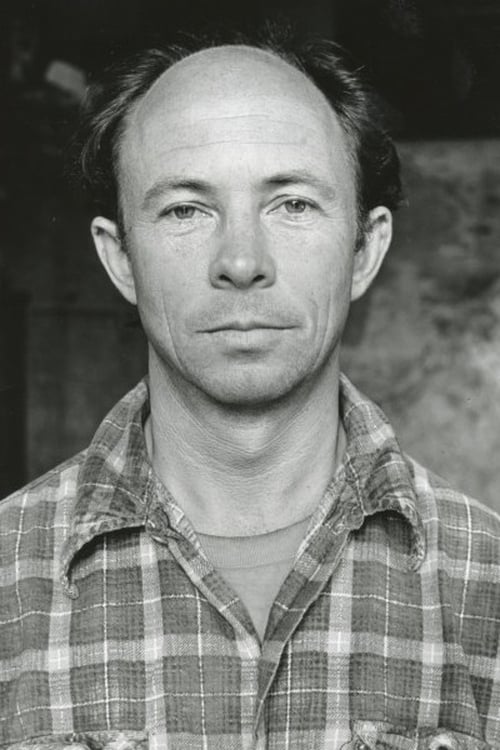
Bruce Baillie
Directing
Biography
Bruce Baillie (September 24, 1931 - April 10, 2020) was an American cinematic artist and founding member of Canyon Cinema in San Francisco. In 1961, Baillie, along with friend and fellow cinematic artist Chick Strand, among others, founded San Francisco Cinematheque.
Known For
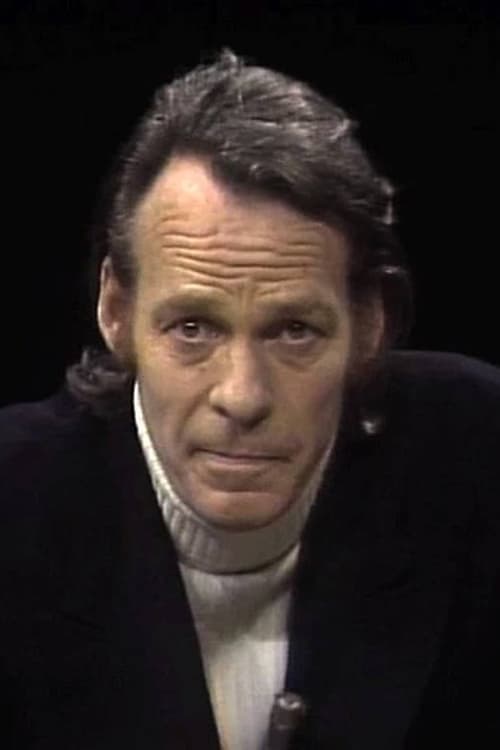
Independent filmmakers are given a chance to show and discuss their work on a commercial (ABC-TV) affiliate station.
Screening Room
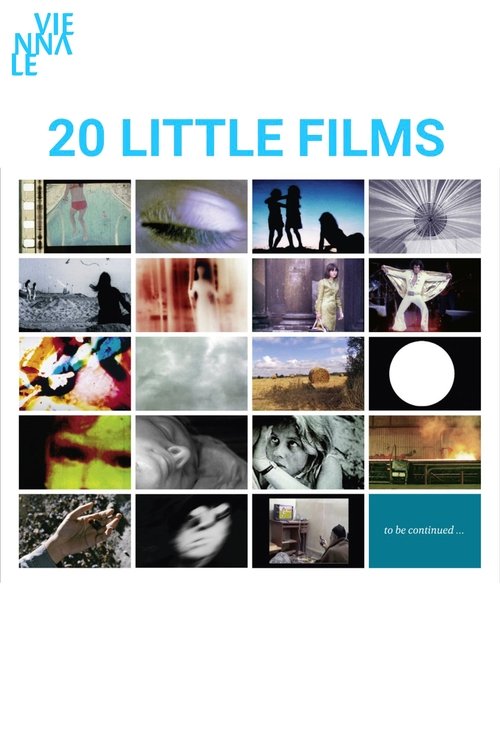
Since 1995, the Viennale has invited renowned directors to create short, one-minute films as personal contributions to the festival. Ranging from home movies to political essays, musical sketches to abstract studies, these “little films” form a unique anthology of cinematic moments. 20 Little Films collects a selection of these works, premiering together for the Viennale’s 50th anniversary at the Locarno Film Festival.
20 Little Films
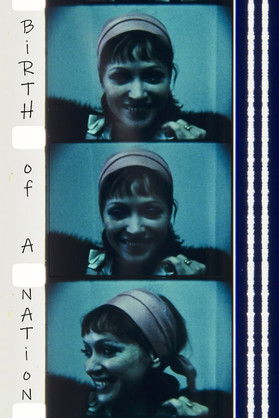
Jonas Mekas assembles 160 portraits, appearances, and fleeting sketches of underground and independent filmmakers captured between 1955 and 1996. Fast-paced and archival in spirit, the film celebrates the avant-garde as its own “nation of cinema,” a vital community existing outside the dominance of commercial film.
Birth of a Nation
This very special film features a carefully curated selection of some of the priceless messages that have graced Anthology’s voicemail system over the years. From the historically important to the utterly (and sublimely) absurd, they feature a cast of characters ranging from legendary avant-garde filmmakers, scholars, and other cultural figures to civilians whose legend has (until now) been confined to the offices of Anthology, thanks precisely to their witty, eloquent, eccentric – or in some cases unforgettably psychotic – voicemails. We’ve toyed with the idea of sharing these messages in some form for years, and the “Imageless Films” series provides a perfect pretext.
Please Leave a Message: Anthology Film Archives Voicemails Through the Ages
A woman and two men talking, seen one by one, in a montage of three movements that make up a fast-slow-fast cycle. The second movement is composed of footage of Stan Brakhage shot by filmmaker Bruce Baillie. (Marilyn Brakhage) "P.S. Images of myself in TRIO are by Bruce Baillie."–S.B.
Trio
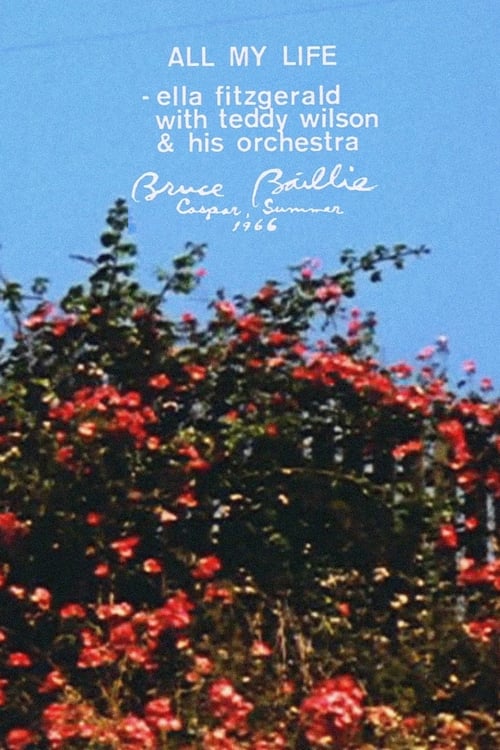
The film is made up of one single take. The camera pans to the left, focusing on a dilapidated fence in a rural field, as Ella Fitzgerald's "All My Life" plays on the soundtrack. At the end of the 3 minute film, the camera tilts up to the blue sky just as the song ends.
All My Life
Shown in our early Canyon Cinema showings, never printed. Example of "The News," an inexpensive local means of combining film seeing and filmmaking.
David Lynn's Sculpture
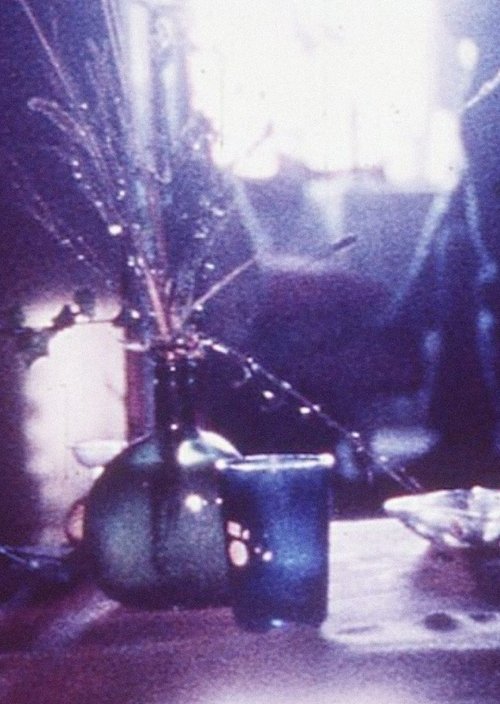
"One continuous, intimate shot from within the commune…Being is seen as transitory; everything is in the infinite process of becoming." Preserved by the Academy Film Archive in 2012.
Still Life
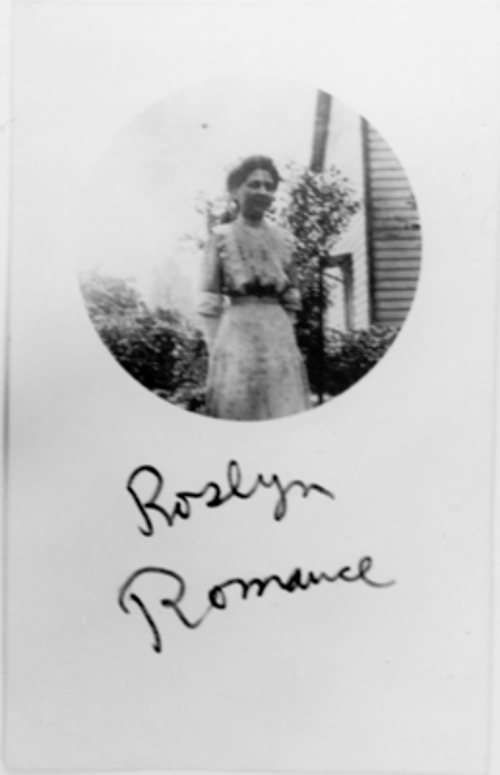
A personal and experimental film by San Francisco Bay area avant-garde filmmaker, Bruce Baillie. Preserved by the Academy Film Archive in 2016.
Roslyn Romance
During the 1970s I shot, helped to make, or commissioned about ten document films, mainly about film-makers. This film is one of them. It was made with Dan Ochiva, who acted as cameraman on about half of the footage. I shot the rest, and then edited the film. It is a record of a conference held at the State University of New York at Buffalo on March 22-25, 1973. Among the participants filmed were Gerald O'Grady (who organized the conference), Will Hindle, Stan Brakhage, Jonas Mekas, Robert Creeley, Bruce Baillie, Scott Bartlett, Hollis Frampton, Ken Jacobs, Ed Pincus, Stan Vanderbeek, Ed Emshwiller, Sally Dixon, James Cox. This footage will eventually become part of my film PEOPLE, PLACES, THE 1970S. –R. H.
Notes on the Buffalo Conference: “Autobiography in American Independent Cinema”
SALUTE, the first installment of Bruce Baillie's proposed three-part final film, MEMOIRS OF AN ANGEL, chronicles (in collage form) the legendary filmmaker's time in the Navy and beyond. The subsequent installments, NIGHT and LIGHT, are still works-in-progress. "A few of the thematic elements... Introduction of the element of illusion (MY LAST MASQUERADE). Imagery of war [in the form of] documentary footage, film and the author recording himself, self-consciously, in uniform! One cannot here avoid an implicit reference to the Bhagavad Gita; the warrior Arjuna and Lord Krishna in Dharma combat on the battlefield as metaphor for the human dilemma in confrontation with the world of time/space, illusion of opposites [and the] attachment to the merely transient." - Marcel Joyeux, L'illumination
Salute
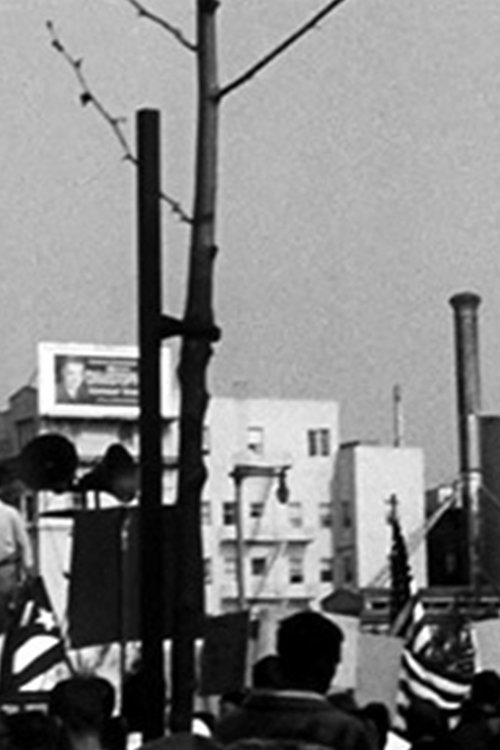
One of the artist's “newsreels” from the early 1960s, The Peace Rally intercuts footage from an anti-nuclear rally with California rock formations.
The News #3 (The Peace Rally)
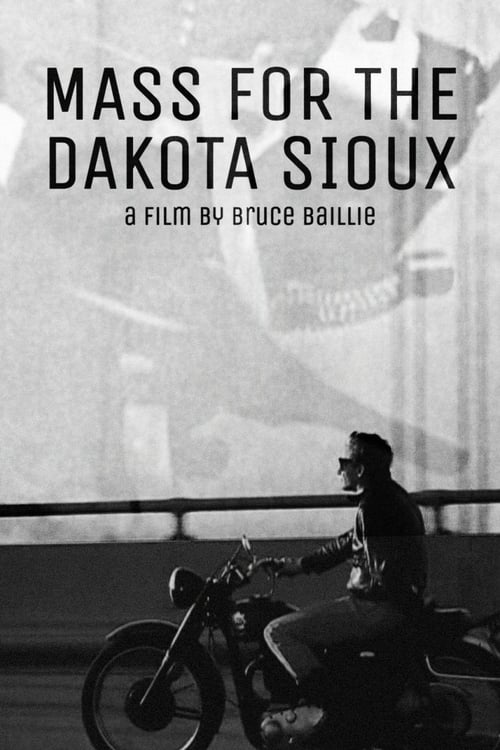
An experimental film dedicated to the Dakota Sioux, which follows the form of the Christian Mass. A series of images of contemporary America interwoven with the ritual spiriting away of a dead Indian.
Mass for the Dakota Sioux
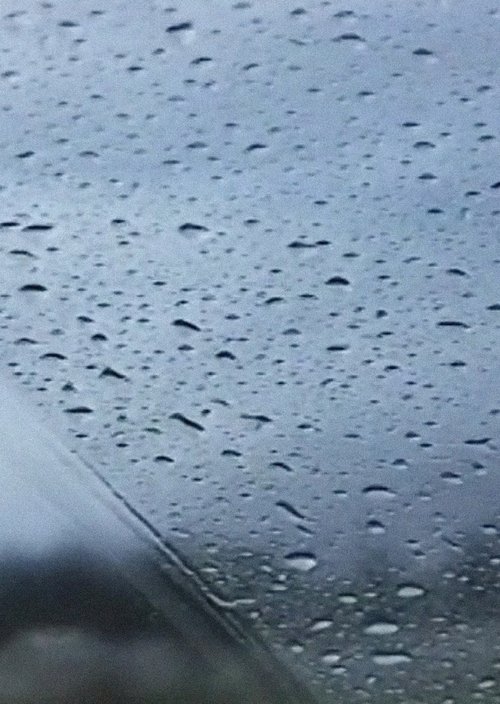
The film proper begins as Baillie takes the passenger seat of an older Honda and films an hour-long drive in the rain. Baillie's attention moves from passing images on the roadside to other vehicles to the raindrops that squirm across the windshield. Underneath the real-time gambol, Baillie supplies a soundtrack, ostensibly on a tape thrust into the car's cassette-radio player at journey's start, that lampoons local, folksy radio shows with snippets from movies, Golden Age radio, public service announcements and authoritative commentary by an incomprehensible child. The track lends a nostalgic air to a film devoid of humans as objects but filled with meditative rumination and startlingly poetic imagery, such as a large truck enveloped in the water spray kicked up by its own wheels.
Commute
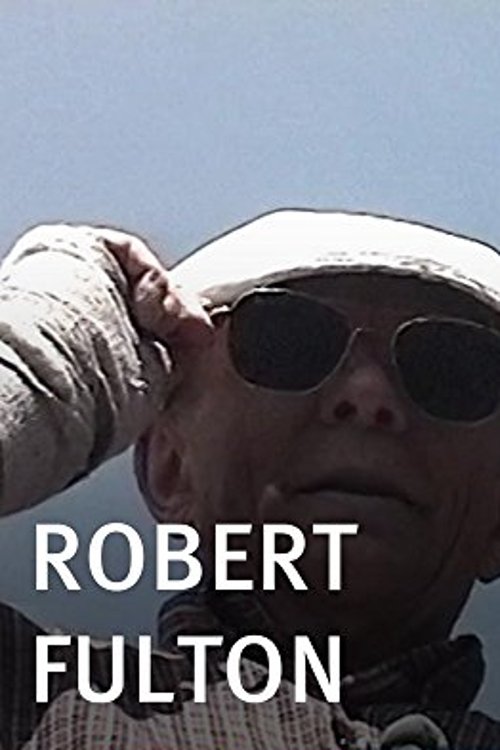
An ardent tribute to filmmaker Robert Fulton (who died in a plane crash in 2002) by Canyon Cinema co-founder Bruce Baillie, made for the occasion of a screening of Fulton's work arranged by Dominic Angerame not quite a decade after his passing.
Robert Fulton
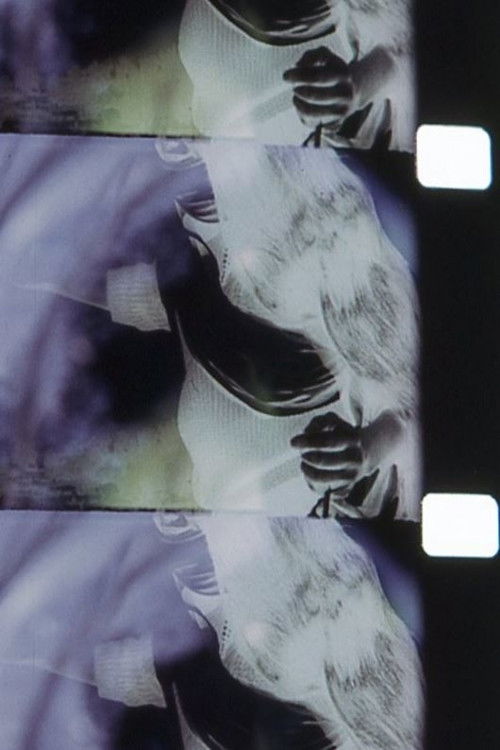
One of San Francisco Cinematheque co-founder Bruce Baillie's sensuous tone poems, TUNG is a portrait of a friend; sandy skin and flaxen hair in the early-morning light.
Tung
Co-founder of Canyon Cinema and the San Francisco Cinematheque and one of the godparents of experimental film, Bruce Baillie (1931-2020) has forged a singular path in his visionary explorations of the world, his exquisite treatment of light and fragmented storytelling influencing successive generations of like-minded filmmakers. Shot on a cross-country journey during 1964 and 1965, is the Baillie film most in need of rediscovery. Joining the ranks of Bob Dylan, Robert Frank and Jack Kerouac in chronicling a tumultuous period in American history from the road, Baillie sets out "to show how in the conquest of our environment in the New World, Americans have isolated themselves from nature and from one another."
Quixote
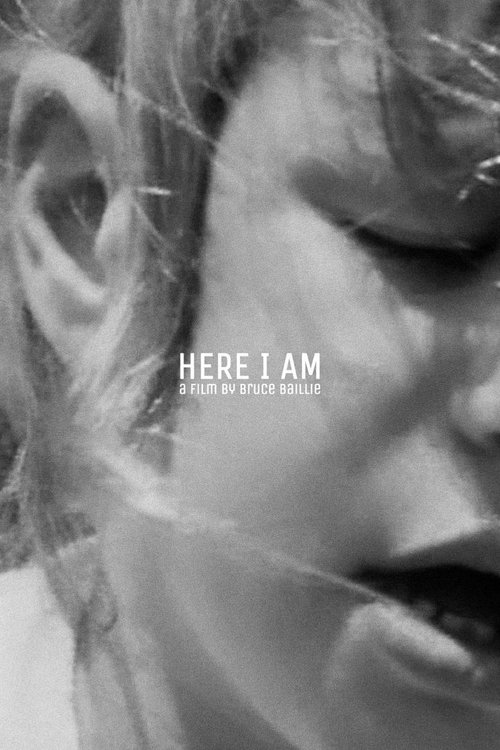
A sensitive, low-key portrait of the East Bay Activity Center, a school in Oakland, California, started in the 1950s to help emotionally disturbed children. The atmospheric documentary opens with hilly East Bay streets shrouded in fog. The mist lifts as the film moves to children at play. Often shown in unobtrusive close-up, the youngsters appear as thinking individuals, enjoying the swings, puzzling out problems, or interacting with their teacher in the classroom.
Here I Am
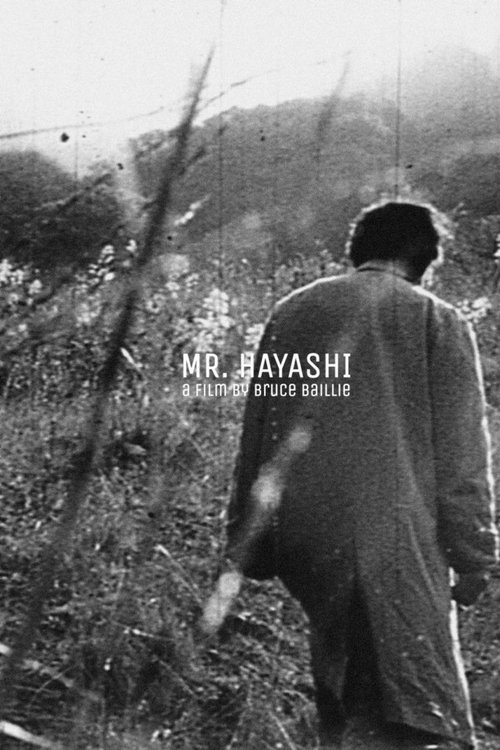
Bruce Baillie's Mr. Hayashi might be thought of as a putative East Coast story transformed by a West Coast sensibility. The narrative, slight as it is, mounts a social critique of sorts, involving the difficulty the title character, a Japanese gardener, has finding work that pays adequately. But the beauty of Baillie's black-and-white photography, the misty lusciousness of the landscapes he chooses to photograph, and the powerful silence of Mr. Hayashi's figure within them make the viewer forget all about economics and ethnicity. The shots remind us of Sung scrolls of fields and mountain peaks, where the human figure is dwarfed in the middle distance. Rather than a study of unemployment, the film becomes a study of nested layers of stillness and serenity.
Mr. Hayashi
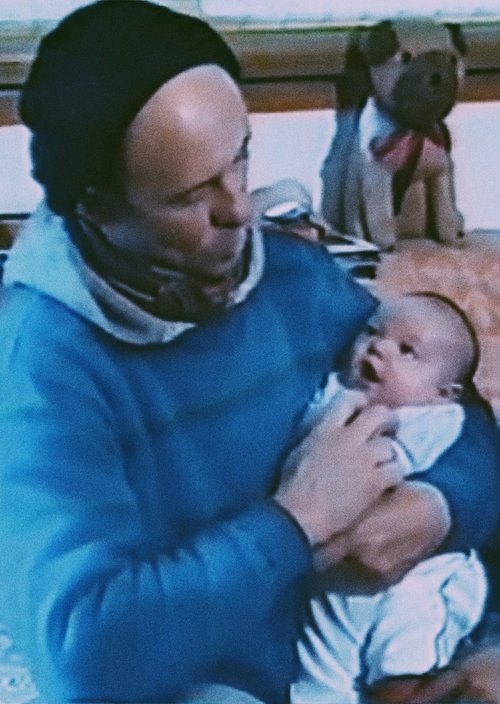
With Lorie, Wind and BB.