Writing
Yuki is a young, single mother supporting herself and her son, Haru, with a job as a bar hostess.
In a Japan of the near future, the government program Plan 75 encourages senior citizens to be voluntarily euthanized to remedy a super-aged society. An elderly woman whose means of survival are vanishing, a pragmatic Plan 75 salesman, and a young Filipino laborer face choices of life and death.
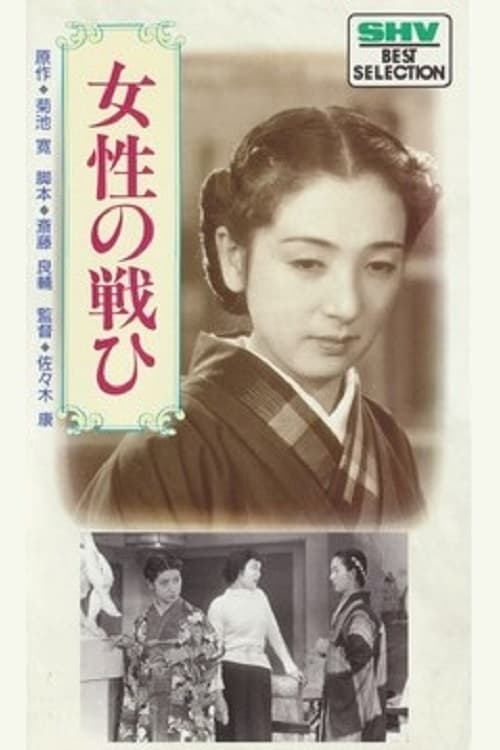
A Japanese wartime film directed by Yasushi Sasaki.
In the Okawa household, Miharu is the breadwinner, while her husband, Soma, handles the domestic chores. One day, a poor student couple moves into their home. Things get even more complicated after their cousin, Matsue, runs away from home after a fight with her husband.
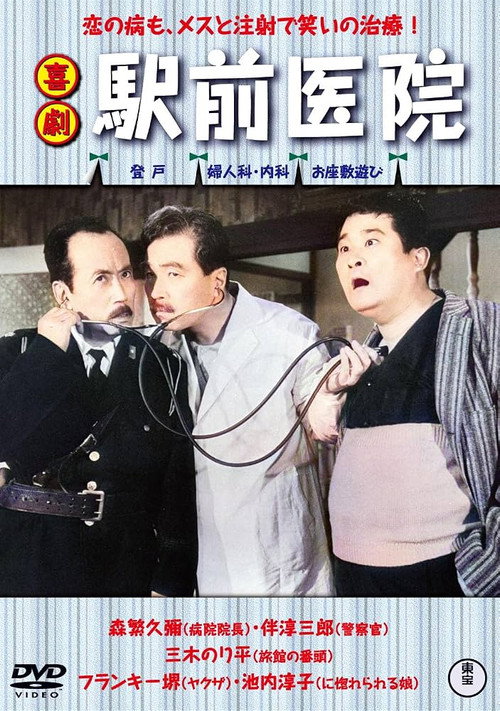
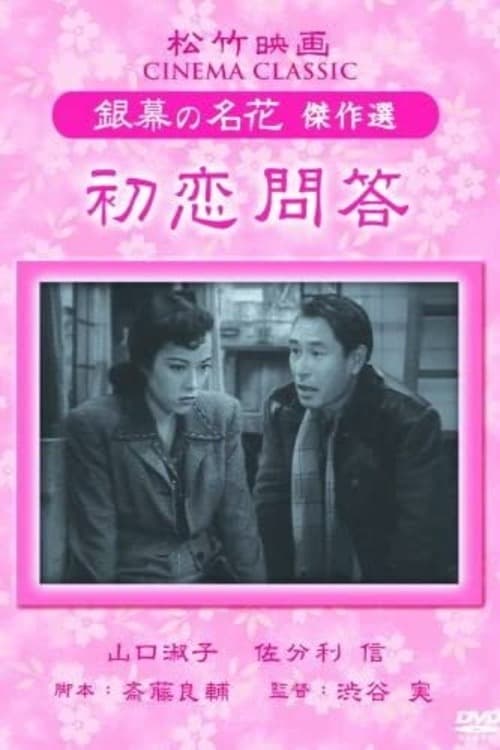
The 11th "Ekimae" feature.
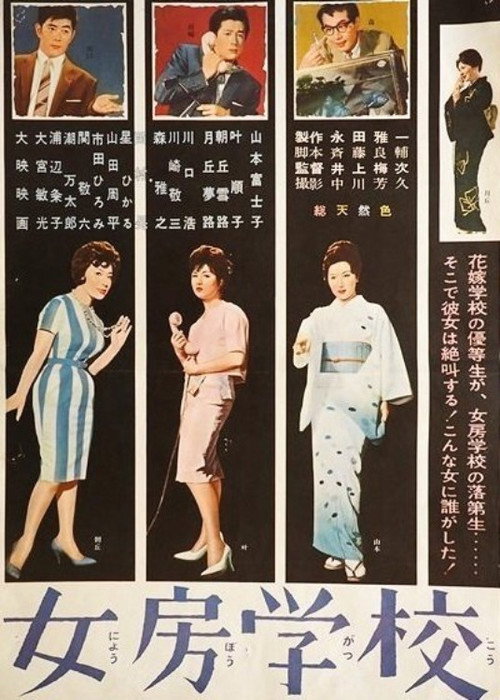
One night, three wives, Matsuyo, Keiko and Mari, receive a mysterious telephone call. The voice tells them that she has their husbands with her and invites them to " P " Hotel to see for themselves. They have been married for many years and are bored with their husbands, and are about to secretly carry on affairs with the other's mates.
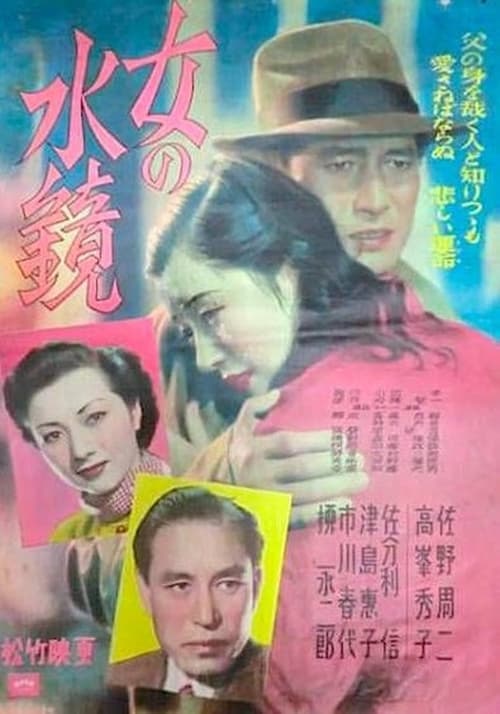
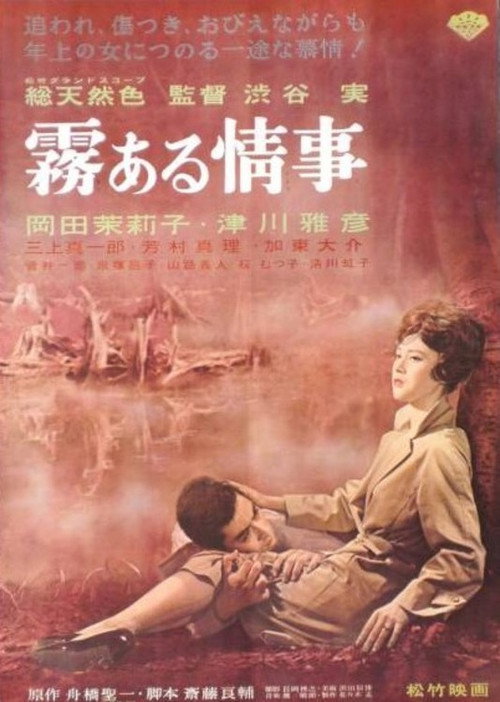
Tozai Electric president Minamoto (Yanagi) is about to be pursued by the public prosecutor's office and tries to bribe Manabe (Saburi), the man in charge, but fails. His daughter Naeko (Takamine) finds out and takes on the role herself. This is a love romance adapted from an original story by Seiichi Funabashi that appeared in the magazine "Romance.”
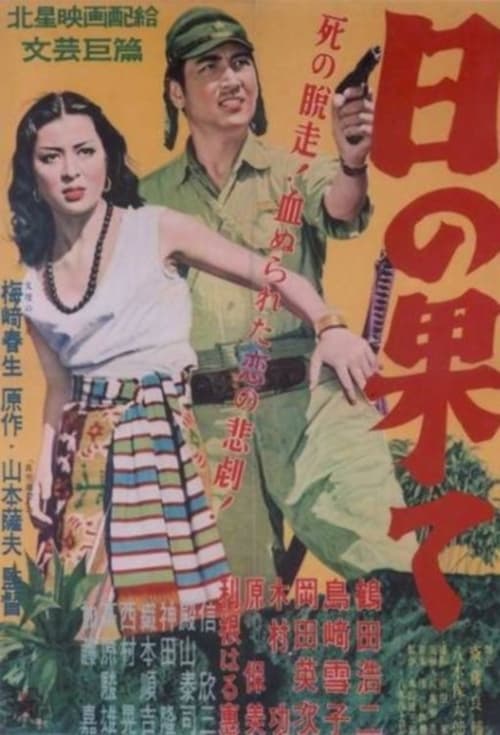
Military doctor Leutenant Hanada deserts during the war in the Philippines with a local girl. The officer in command orders Lieutenant Uji to shoot Hanada. Uji takes a sharpshooter called Takagi and tracks him. At first Uji cannot forgive Hanada but as Uji is isolated from the main force he too starts to think of desertion.
A family story in the year of 1943 during the war. The director is Shunkai Mizuho, who worked on "Hibari no Circus Sad Kobato" starring Hibari Misora after the war. Previously, there is only a 6-minute short version in the National Film Archive, therefore, the full version is this movie is very valuable. This is considered a masterpiece that depicts a happy family of 7 (a father, a mother, 3 sons and 2 daughters).They care about each other, and also trust each other. Father started to ask all the children "what do you want to be in the future?" since an early age. Boys said they want to go to college, they want to be painters, and when it comes to the girls, although they wanted to be generals, their answer was "become a bride, a wife, and a good mother." Brothers and sisters get along well and occasionally fight, but they all discuss the cause, and would apologize to each other. The story was so gentle that it is hard to believe it was during the war.
Naomi Tazawa (Hiroko Kawasaki), who works at Isetan Department Store, was told by an executive at a film company (Ken Uehara), that he was going to make a film about her. She was scouted to become an actress, but she held strong. Around that time, her adoptive father dies, and at the time of his death, she learns that her real father was a man of high rank.
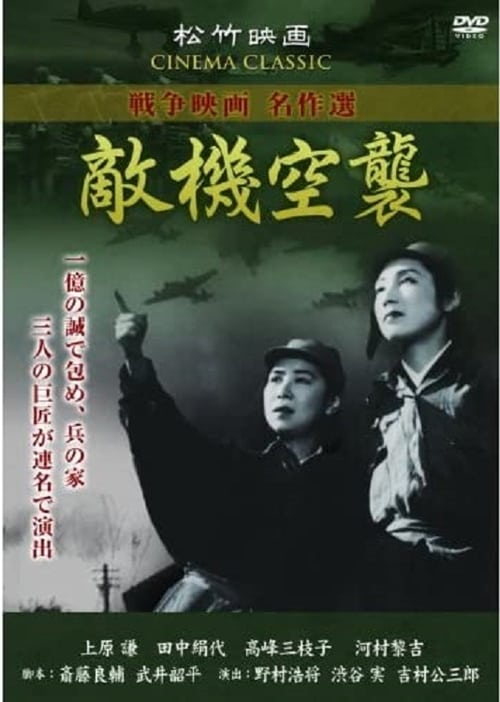
Japanese war movie.
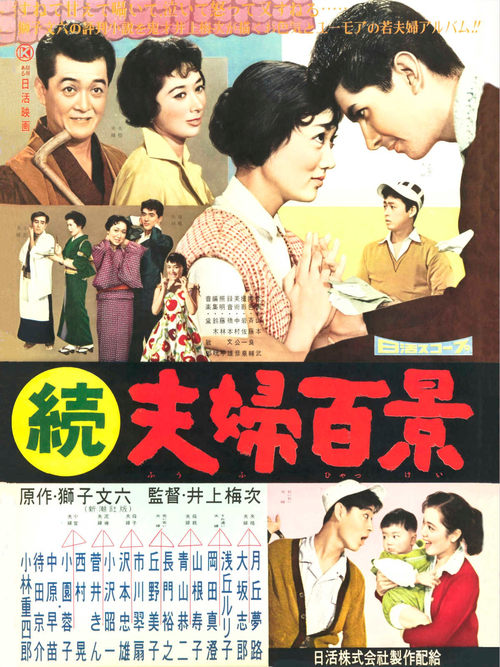
In this sequel to The Husband Wore the Apron, househusband Soma wins a children's literature award, bringing in a windfall of prize money. Meanwhile, the Kurata couple find jobs that bring further complications into their married life.
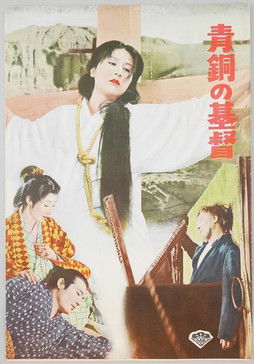
Christian converts face persecution in the feudal society of 17th century Japan.
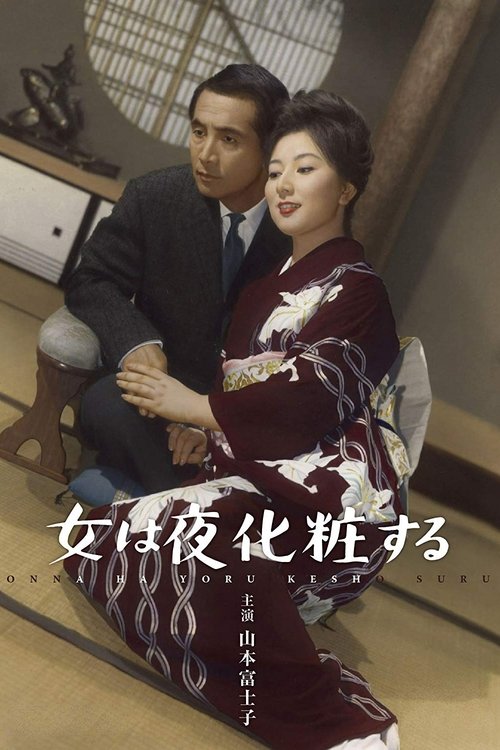
A woman has to give up her dream of becoming an actress when her family goes into debt, but she catches the eye of a businessman while working at a nightclub. He sets her up with her own nightclub, but with expectations attached.
No description available.
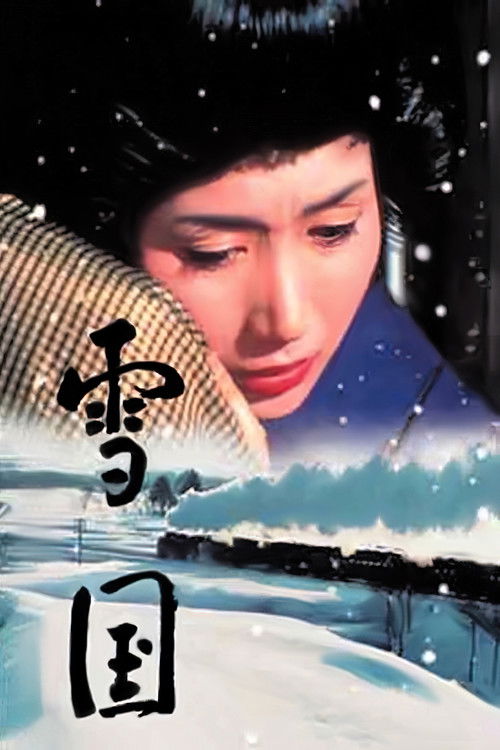
This movie is based on an immortal literary work "The Snow Country," a story about a life of geisha Komako who lives in a region with heavy snowfalls.
A 1937 Japanese film.
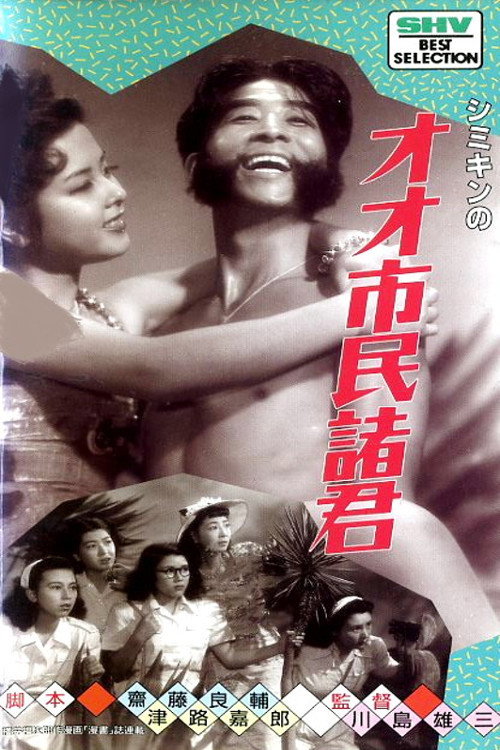
Maruya Ginzo, an antiques enthusiast and a wealthy man, buys an uninhabited island called Namazu-jima, mistaking it for Numazu-jima tea bowls. He is not a man to just give up, so he sets about building an entertainment district there, but the island is inhabited by five castaways, including Kinpachi Mimura. The Ginzo gang try to entangle Kinpachi and drive them out, and the slapstick drama is caused by the island's inhabitants.
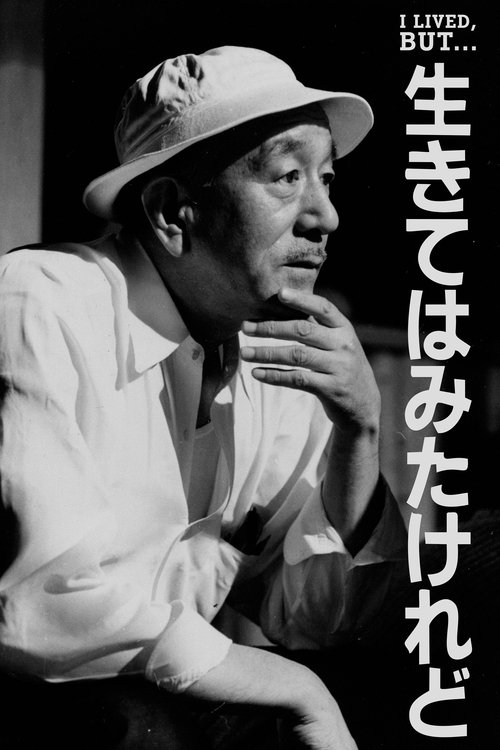
An extremely lovely tribute to Ozu, on the 20th anniversary of his death. It uses a combination of footage from vintage films and new material (both interviews and Ozu-related locations) shot by Ozu's long-time camera-man (who came out of retirement to work on this). Surprisingly (or perhaps not), it focuses less on Ozu's accomplishments as a film-maker than on his impact on the lives of the people he worked with..