Maja Weiss
Directing
Known For
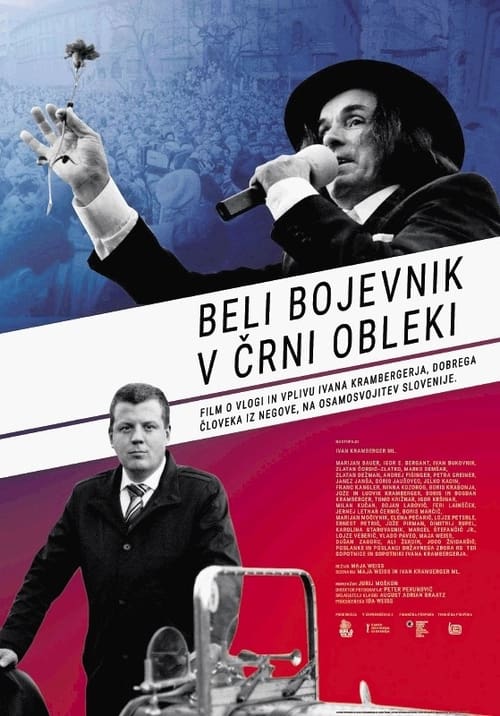
Portrait of Ivan Kramberger, Slovenian presidential candidate, who was assasinated in 1992.
A White Warrior in a Black Suit
This documentary was inspired by the artistic life of Serbian actress Sonja Savić. Being a wonder child, a star of Yugoslavian cinematography, a sex symbol, and urban legend of the eighties generation, a fighter against establishment, Sonja Savić had always attracted attention. Simply put, she always looked, spoke and thought differently from others, she was entirely autonomous, an authentic phenomenon of Serbian culture. In the documentary SONJA, friends and colleagues of Sonja Savić testify on many aspects of her life and work, and a special emphasis is put on Sonja’s libertarian, rebellious, Don Quixote type of nature.
Sonja
This first-person documentary provides an inside look into the terrifying and bloody events that shook Central Europe in the 1990s, as the filmmaker takes a trip along the road that once united the disparate states of Yugoslavia, from Slovenia to Macedonia. A film about memory, hatred, love and hope.
The Road of Fraternity and Unity
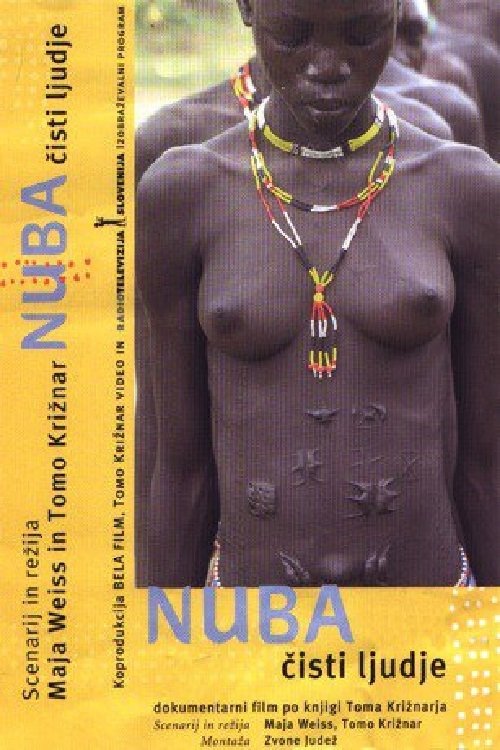
The Nuba people, ninety-nine black African tribes in the Nuba Mountains in the Sudanese province of South Kordofan, have been under siege by the Sudanese army for fifteen years. The genocide against the Nuba, is completely ignored by global politics.
Nuba: Pure People
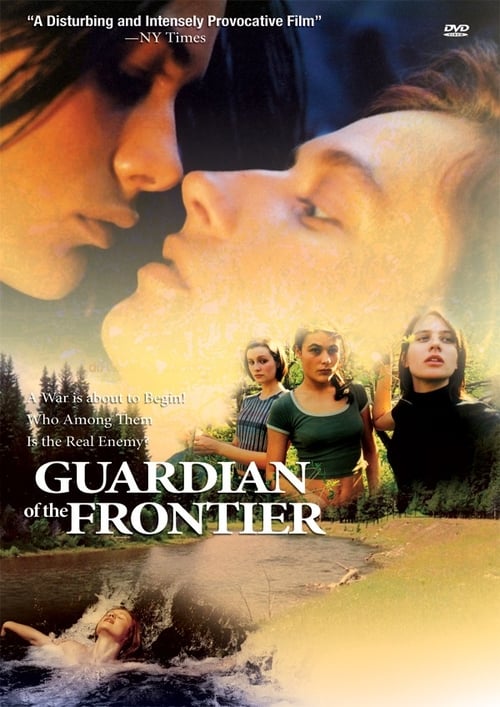
A canoe trip down the river Kolpa becomes a journey of discovery for three female students.
Guardian of the Frontier
Documentary film explores the role of women in the Slovenian film and is also looking for reflections in the film classics of the constant changing position of women in the society. Documentary also refers to popular and lesser-known women's roles in the history of Slovenian film, heroines in the literal sense, typical roles in many partisan films, as well as the established cliches: a suffering mother, adulteress, gossip. Through interviews with the actresses, theorists and artists as well as analyzing the most common phrases expressed by women in the Slovenian films, the film tries to reveal the true Slovenian film heroine.
What About Mojca?
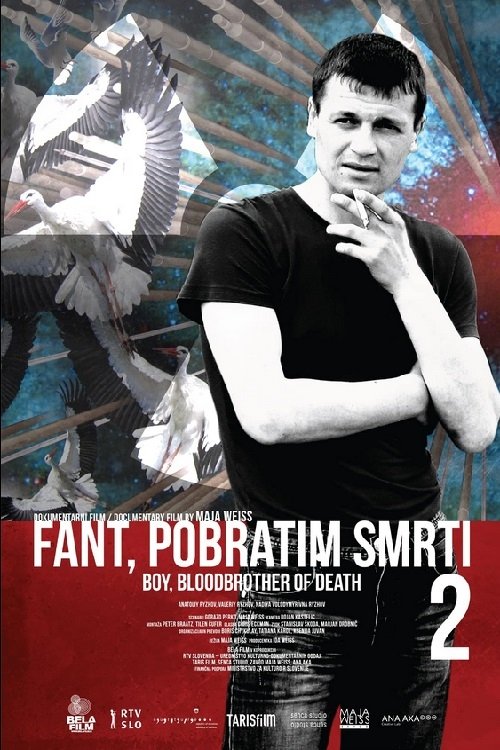
Chernobyl 25 years later... What was happening in the meantime, between the first nuclear cataclysm and the prospect of another one? Where have all the international relief funds disappeared and where are the millions, intended for the reconstruction of the decaying sarcophagus? Where is my life taking me? What legacy am I leaving to my son... These are just some of the questions that the little boy from Chernobyl Anatoliy Rizhov - Tolya, now a grown-up, is trying to answer 20 years after the first documentary about him was made.
Boy, Bloodbrother of Death 2
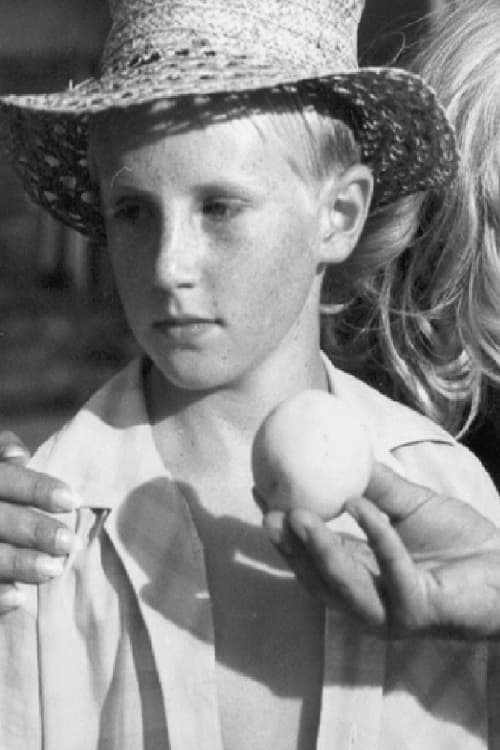
Adrian visits the seaside with his mother. Adrian becomes jealous when a man is interested in his mother.
Adrian
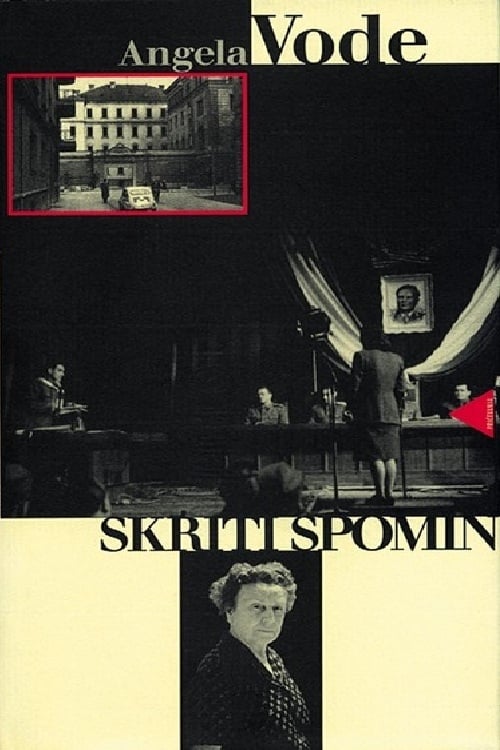
The life and rather obscure hardships of a Slovenian feminist author and human rights activist Angela Vode.
Angela Vode: Secret Memories
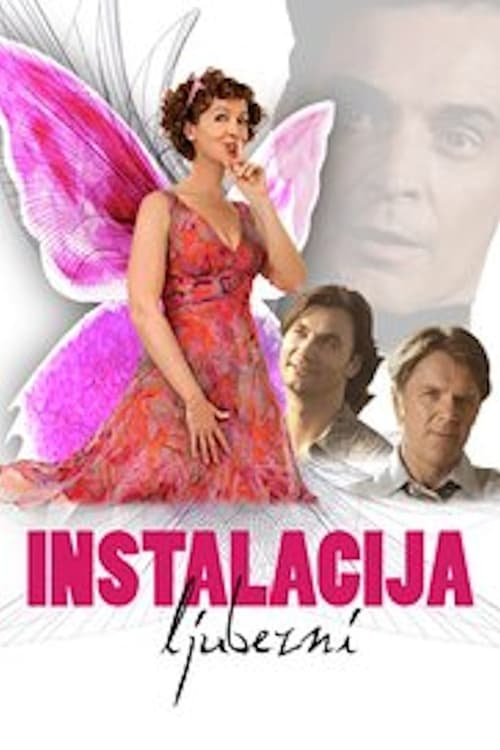
Married to a wealthy meat dealer, Mojca (45) is worshiper of fine art and mother of two grown-up kids. Desperate for love and passion, she becomes an object of video installation which her ex-lover and now renown conceptual artist Milos is completing with a help of her daughter Nika. Mojca’s hunt for love becomes a wild journey for everyone involved in this film, including the crew shooting the film Installation of Love…
Installation of Love
No description available.
Kam je izginil delavski razred?

The protagonist is a young man, a former athlete, now a gym teacher. He is essentially a disappointed idealist who distances himself from the world and himself with irony and self-irony. His indifferent attitude towards life undergoes a slight change when he meets the headmistress of the rural school where he also teaches.
The Village Teacher
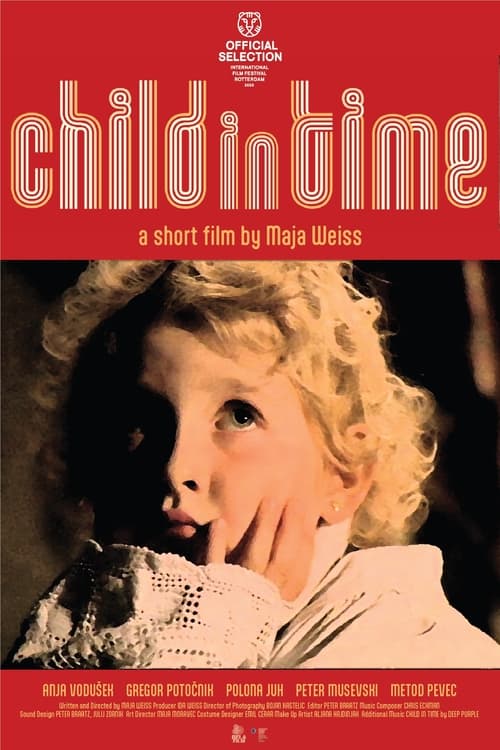
A symbolical baroque'n'roll film "Child in Time" is a story about two kids, brother and sister, caught in the times of socialism, religion and rock. It is a film about war and love in a family that all universe is based upon.
Child in Time
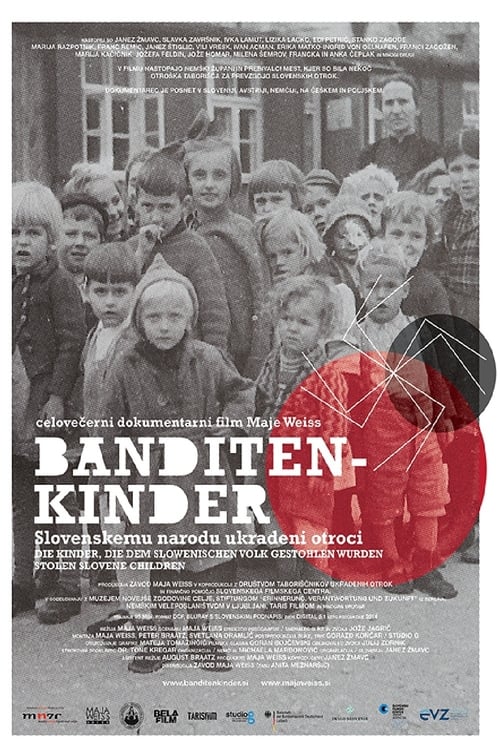
The director traces Slovenian children who were stolen during WW2.
Banditen-kinder: Children Stolen from Slovenia

A poetic punk rock journey of a band from a small town of former Yugoslavia, who stubbornly kept to their own voice, despite its country's 'bad history' and decades of changing trends.
100dB Indust-bag
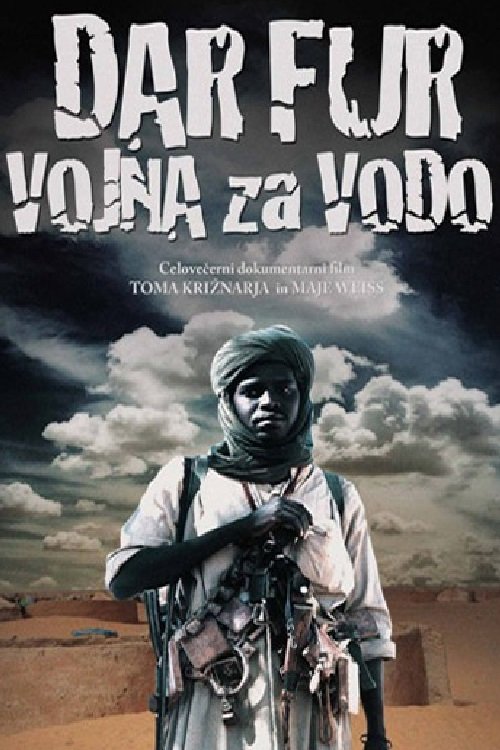
Risking his life, filmmaker and human rights activist Kriznar travels across Darfur for a peace mission, but business interests appear paramount.
Dar Fur: War for Water
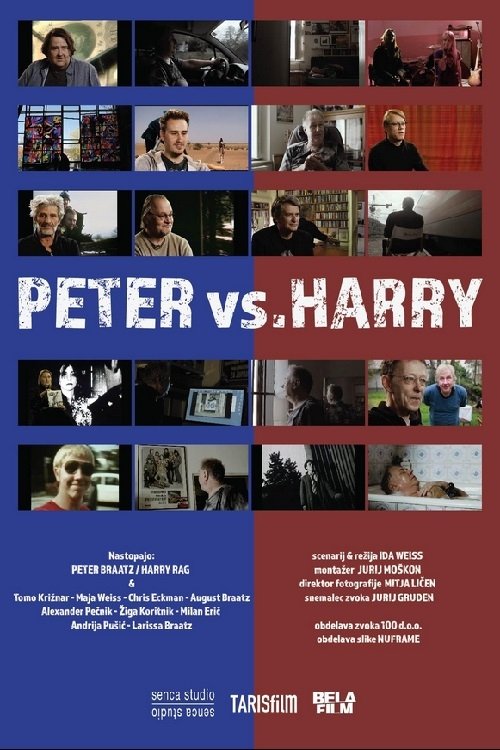
A portrait of Peter Braatz, German-Slovenian documentary filmmaker and musician.
Peter vs. Harry
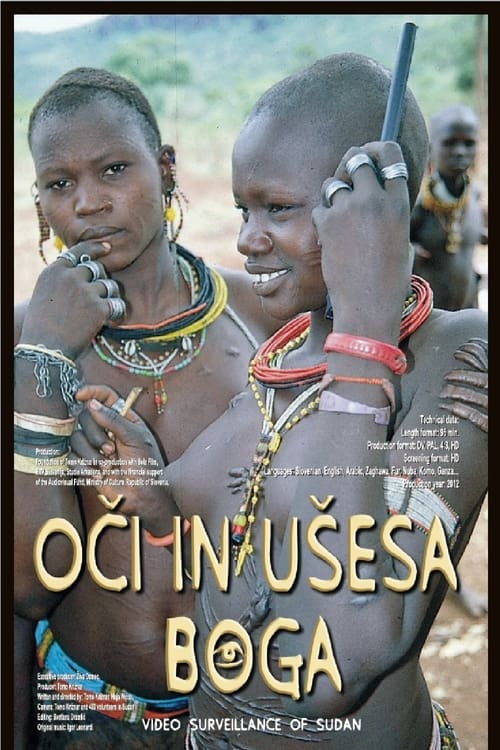
It shows the ethnic Nuba civilians defending themselves with the help of over 400 cameras distributed by himself and Klemen Mihelič, the founder of humanitarian organisation H.O.P.E., to volunteers across the war zones in the Nuba Mountains, Blue Nile, and Darfur, documenting the (North) Sudan military's war crimes against local populations.
Eyes and Ears of God: Video Surveillance of Sudan
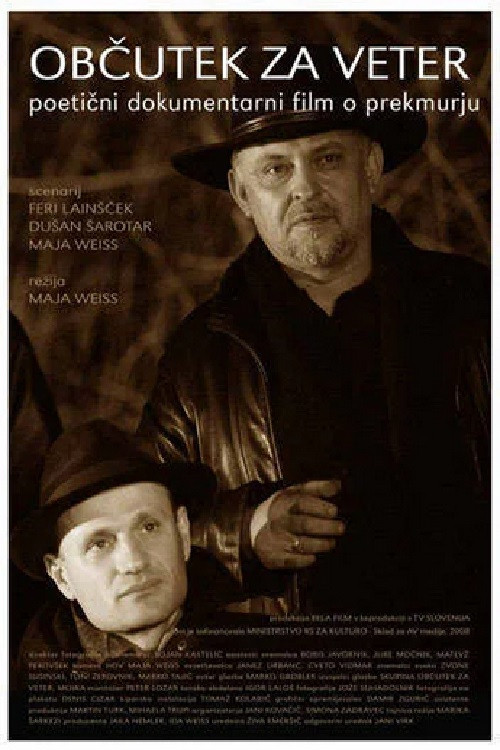
Feel for the Wind is about the power of poetry, about the wind, and about what lies outside our control. It is a poetic portrait of Prekmurje, through the masterful words of the Prekmurje poets Feri Lainček and Dušan Šarotar, interpreted on film by a Bela Krajina native Maja Weiss. In 2004, the publisher Franc-Franc issued a book called Feel for the Wind, which is a unique spiritual monograph of Prekmurje and, at the same time, part of a wider artistic project. The authors envisaged the project as an artistic journey following the feel for the wind, which is understood as a metaphor for silence, for mystery, for that complete otherness.
Feel for the Wind

An emotionally shattering portrait of the unfulfilled childhood of Anatolij Rizov, a boy caught in between the post-catastrophe condition of his home town Chernobyl and the state of siege in Slovenia during its brief war for independence, where Anatolij is spending summer holidays.