FEEL IT.STREAM
Tahani Rached

Tahani Rached

Directing

Biography

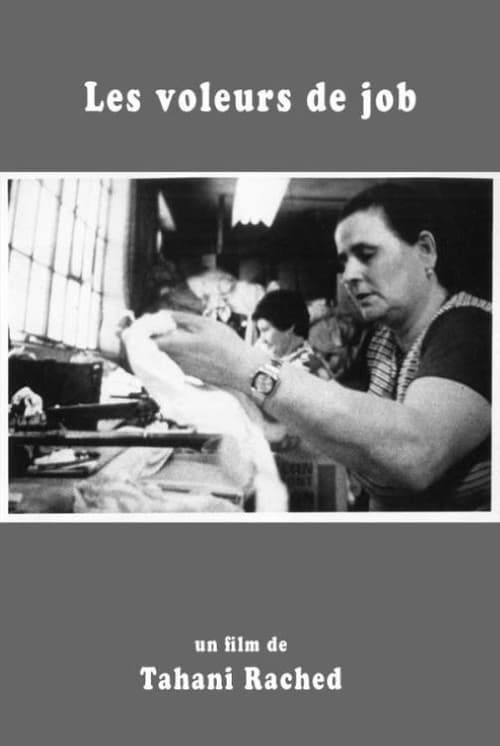
From her first feature film, Les voleurs de job (1980), Tahani Rached left her strong mark on our cinema. Noticed by Denys Arcand, he invited her to participate in the collective adventure of Comfort and Indifference (1981). She then moved to the NFB, where she directed several of the institution’s flagship films, dealing in turn with the Haitian condition, Palestinian survival, the Quebec hospital system, AIDS doctors, the fate of Egyptian women and an Outremont choir. Her most famous film to date remains Au chic resto Pop, which she dedicated in 1990 to a soup kitchen in the Hochelaga-Maisonneuve district. She filmed only testimonies in song, in collaboration with the composer-performer Steve Faulkner (known as Cassonade), thus accentuating a singular trait found in the majority of her films. This place left to the song as an expressive revelation of a critical aspect of the real situation that we want to capture. In 2006, the director returned to her native country where she made three films, Ces filles-là, a documentary selected by the Cannes Film Festival, Voisins and De longue haleine, which is dedicated to the Egyptian revolution as experienced by a local family.

Known For

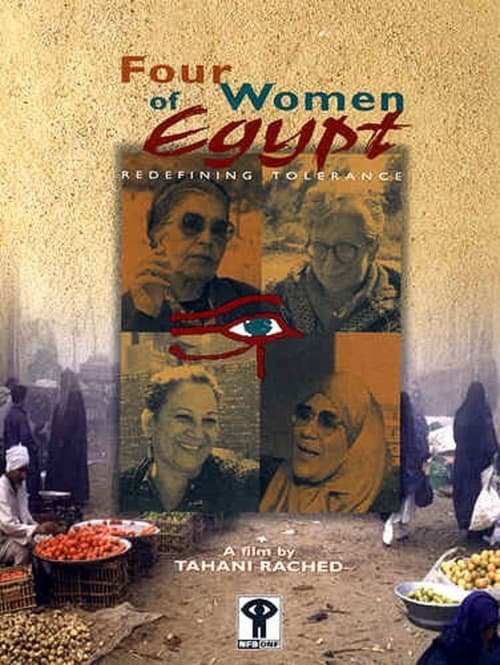
Four Women of Egypt
9.0

Four female friends from Egypt with opposing religious, social, and political views listen to one another's perspectives and argue openly, without ever breaking the bond that unites them.

Four Women of Egypt

1997
Au chic Resto Pop
8.0

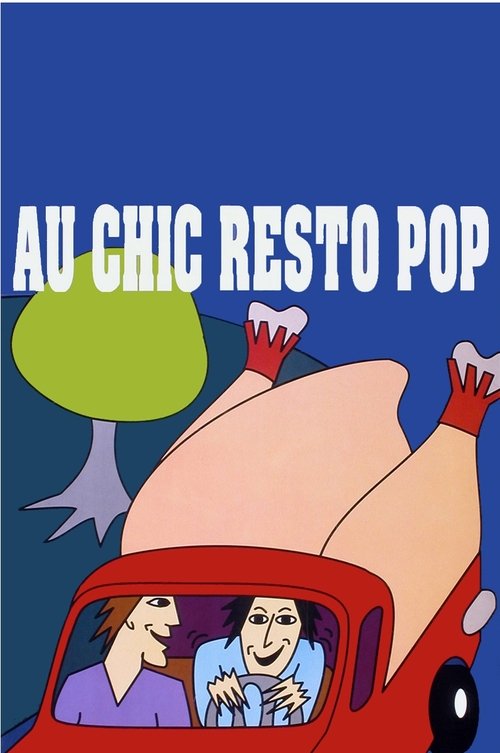
In a poor eastern quarter of Montreal, a restaurant is dedicated for the poors only: le Chic Resto Pop. It used the surplus of some merchants to offer cheap meals. The young people who work there for free get a lot of satisfaction in their work in spite of the difficulties. The movie is build around six songs written by them.

Au chic Resto Pop

1990
For a Song
10.0

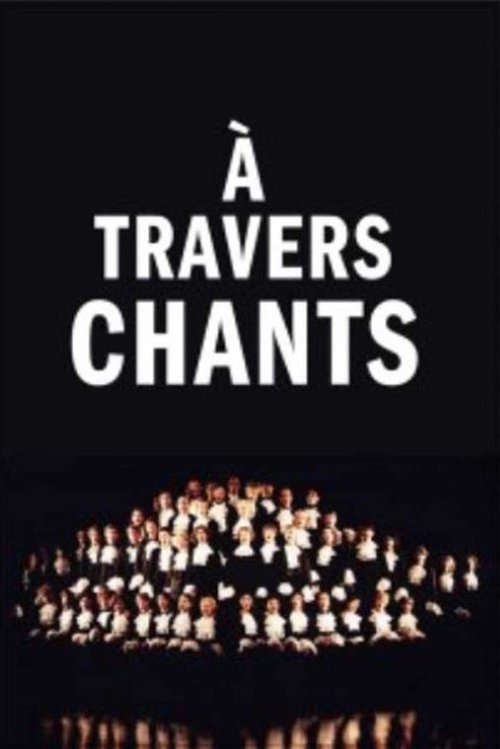
Welcome to the magnificent yet unheralded world of choral music. A world inhabited by exceptional beings who have the capacity to experience joy from a single musical note. Individuals who partake in remarkable efforts to unveil that dream of beauty which preoccupies each and every one of them. You may notice them singing anywhere and everywhere: at the wheel, in the shower, even in the kitchen. But above all, they sing together, men and women of all ages and various backgrounds, transformed by the radiant glory of song, and united under the banner of L'Ensemble vocal d'Outremont. Music is at the centre of their universe and gives them the intense feeling of belonging to the human race. Especially as the big night approaches and the collective dream of perfect harmony is but a breath away.

For a Song

2001
Neighbors
N/A

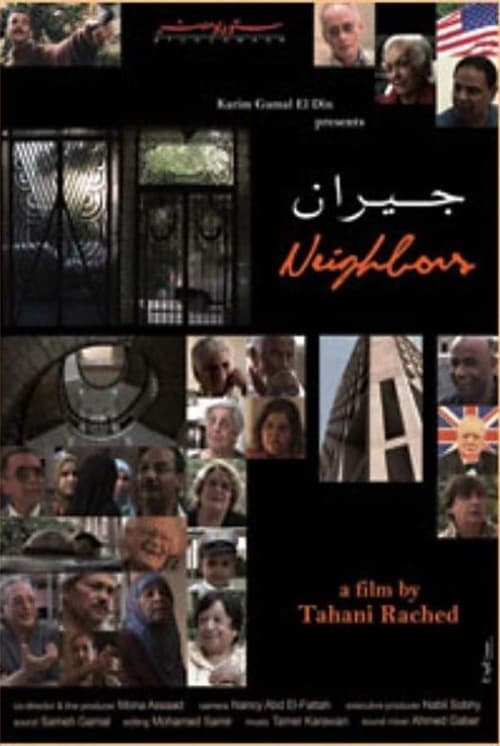
Garden City, a small district of Cairo, is far from being without importance. In the early 19th century, it was the center of international political affairs in the Egyptian capital. The film takes us on a tour of these abandoned villas, huge reception halls, foreign embassies, endangered businesses and rooftop terraces. The houses become witnesses as they reveal the turmoil of history. These houses and their residents speak with one voice to describe hope, fall and survival. Far from the politically correct, a piece of truth appears, far from the clichés.

Neighbors

2009
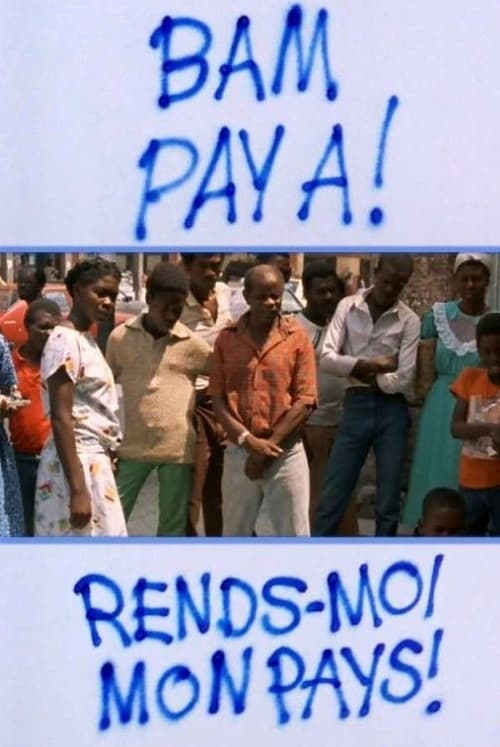
Bam Pay A! – Rends-moi mon pays!
7.0

In this feature documentary, a Haitian, exiled in Canada for twenty years, returns to his country after the departure of Jean-Claude Duvalier. Through his encounters with former friends, professors and colleagues, the face of this newfound Haiti gradually takes shape… Shot in Haiti after the fall of the Duvalier regime, this film, beyond a simple observation, shares with us the hopes of the Haitian people as well as their fears and uncertainties regarding this country that has yet to be built.

Bam Pay A! – Rends-moi mon pays!

1986
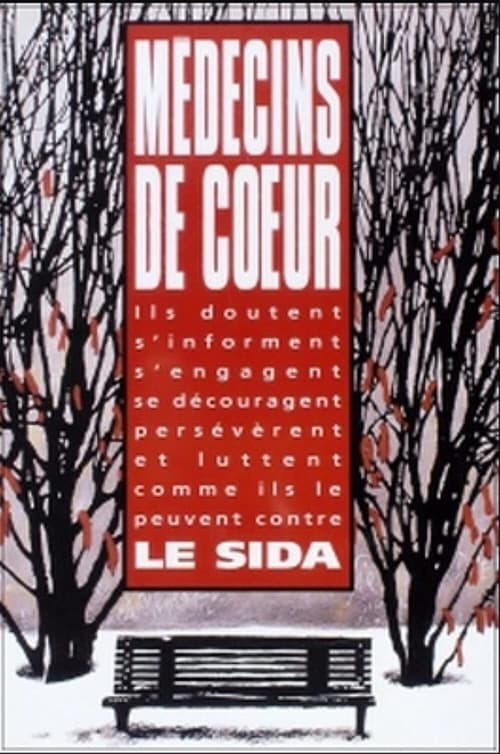
Doctors with Heart
7.0

Tahani Rached’s powerful documentary enters the doors of an AIDS clinic in Montreal. We meet a group of dedicated doctors struggling to provide health care to their patients. This 1994 film explores legal and ethical problems surrounding HIV/AIDS and the struggle against fear, rumours and prejudice. It is still relevant today.

Doctors with Heart

1993
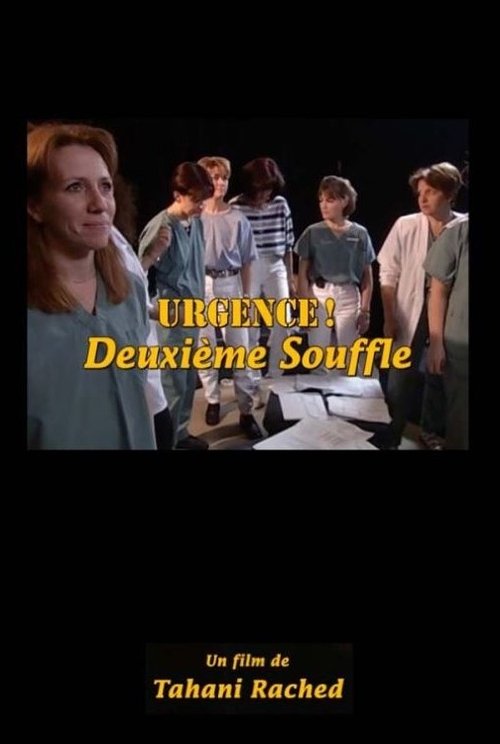
Emergency! A Critical Situation
N/A

Shot at the Pierre Boucher Hospital in Montreal, this film takes us into the emergency room to see how our healthcare system is holding up. What it reveals is a powerful indictment of management that sees only the bottom line while human lives are at stake.

Emergency! A Critical Situation

1999
Haïti (Québec)
N/A

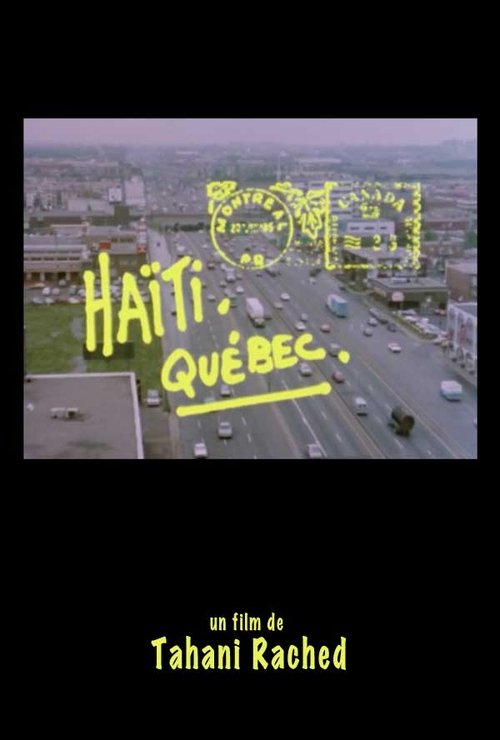
Haitians make up the largest black community in Quebec: there are over 40,000 of them, the vast majority of them living on the island of Montreal, where they are often the target of prejudice, hostility, and contempt.

Haïti (Québec)

1985
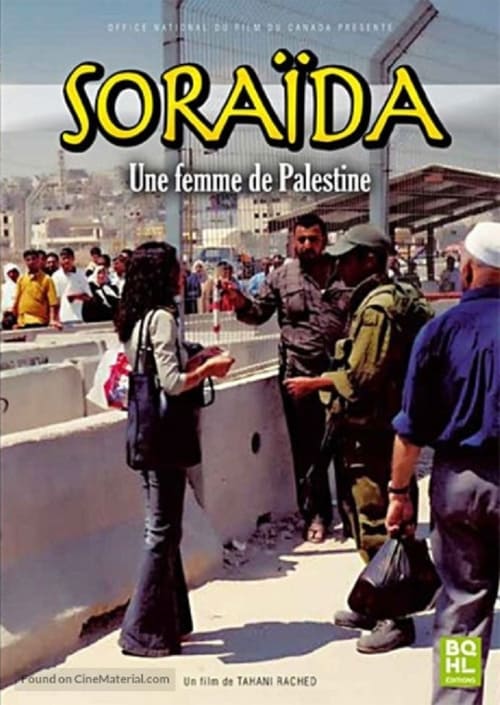
Soraida, a Woman of Palestine
7.0

Soraïda is a Palestinian woman living in Ramallah, in the occupied territories. In this city under siege and a strict curfew, she fights her own battle: despite the military occupation, violence and oppression, she is determined not to lose her humanity.

Soraida, a Woman of Palestine

2004
No image
6.4

The story of several young women living on the streets of Cairo.

These Girls

2006
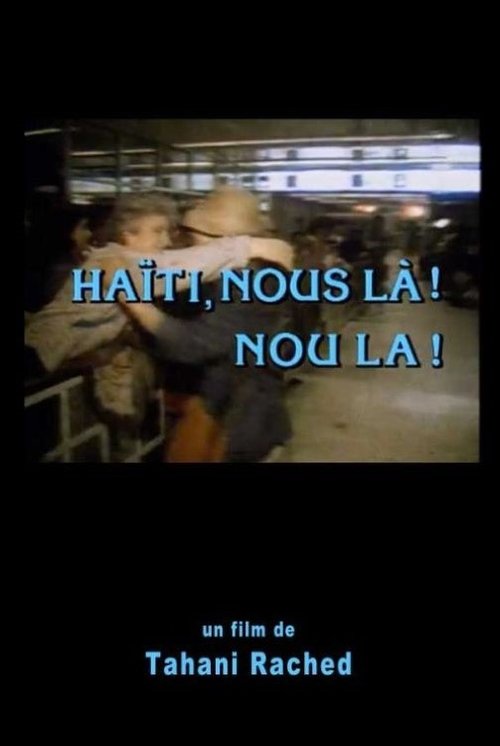
Haïti, Nous là! Nou La!
N/A

From Haiti, images and testimonies that describe the climate that reigned during the aborted elections of November 29, 1987. A powerful military police in the service of a despotic power terrorized an impoverished people that they wanted to keep submissive. The government had succeeded in ousting Duvalier. However, another dictatorship has taken over, and nothing has changed. However, both on the radio and in the streets, the voice of the Haitians was heard with strength and courage. But what if it was all a sham of democracy?

Haïti, Nous là! Nou La!

1987
Les voleurs de job
N/A

No description available.

Les voleurs de job

1980
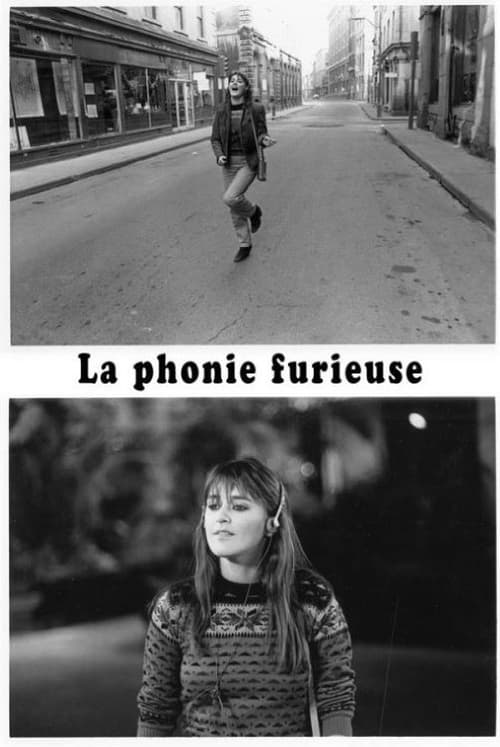
La phonie furieuse
9.0

No description available.

La phonie furieuse

1982
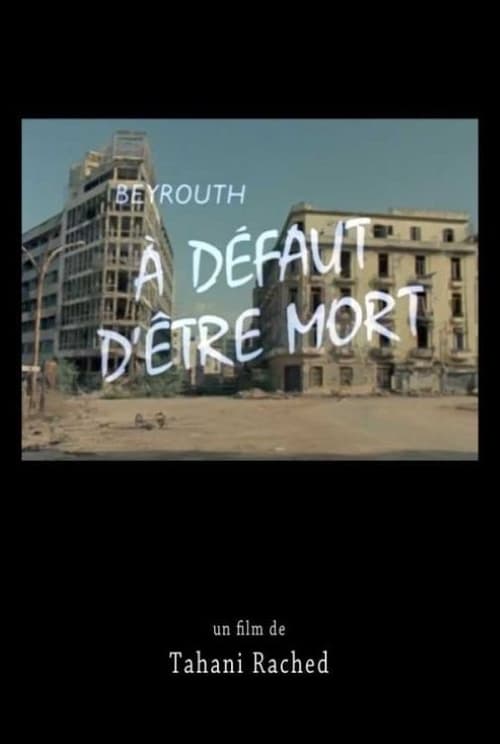
Beirut! Not Enough Death to Go Round
N/A

A moving and graphic portrait of the people of wartorn Beirut in their day-to-day struggle to survive in the rubble and despair. Filmed shortly after the 1982 massacres at Sabra and Chatila, the film gives a vivid picture of the plight of these people and of any people who are too poor to escape the ravages of war.

Beirut! Not Enough Death to Go Round

1983