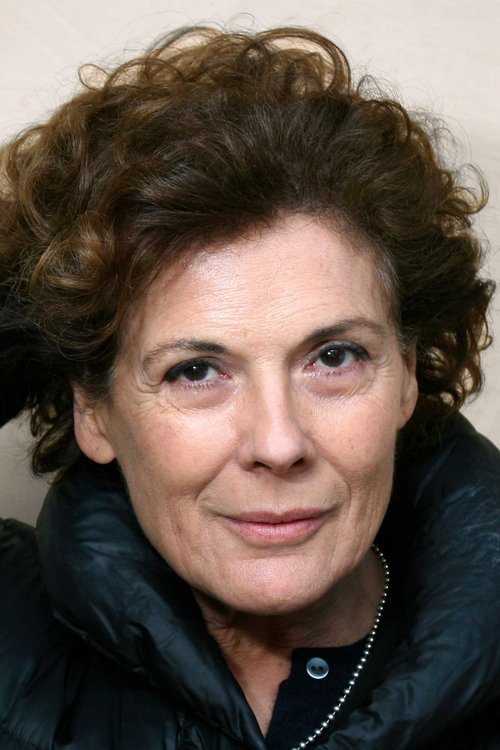
Carmen Castillo
Directing
Biography
Born in Santiago de Chile, she worked at La Moneda Palace with Salvador Allende. After the death of her partner, Miguel Enriquez, at the hands of the military, Carmen Castillo, who was pregnant and injured, was expelled from Chile and came to France as a political refugee. She has directed numerous documentaries for television, especially for the French channels TF1 and FR3 and for the Franco-German Arte. The first was Los muros de Santiago (1983), which was followed by Estado de guerra: Nicaragua (1984). La Flaca Alejandra (1993) won the Golden FIPA at Cannes, in addition to other awards in Geneva, Monte Carlo, San Francisco and New York. She then directed La verdadera leyenda del Subcomandante Marcos (1995), Inca de oro (1996), El bolero, una educación amorosa (1999), First Prize at the Annecy Festival, Viaje con la cumbia por Colombia (2000), María Félix, la inalcanzable (2000), El Camino del Inca (2001), El astronomo y el indio (2002), First Prize at the Paris Scientific Film Festival, José Saramago, el tiempo de una memoria (2003), Mísia, la voz del fado (2003) and El país de mi padre (2004), Second Prize Fidocs in Santiago de Chile. He also directed the fiction feature film series for Arte Tierras extranjeras, between 1994 and 1999. Carmen Castillo's most recent work is Calle Santa Fé (2007), which was presented in Cannes' Un Certain Regard and will be shown at this year's San Sebastian Film Festival in the Zabaltegi section. She has also written the scripts for Inca de oro and Color Habana, which have already been completed, and those for Hasta luego and La montaña azul, which are in pre-production. Carmen Castillo has also published several books, including Un día de octubre en Santiago (1980), Ligne de fuite (1987) and Santiago/Paris, el vuelo de la memoria (2000), with Mónica Echeverría.
Known For
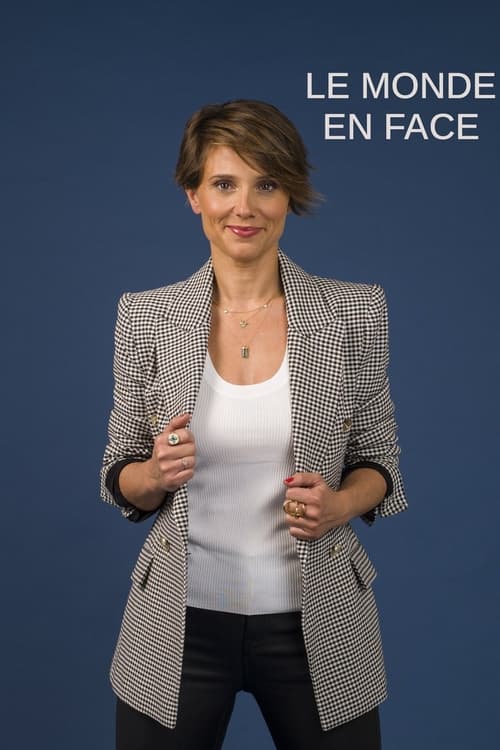
Weekly current affairs show
The World in Front
Anthology series based on true crime stories that usually are unsolved mysteries. Intertwining dramatizations and real interviews with the victims and witnesses.
Enigma
A French current affairs show.
La Case du siècle
A portrait of José Saramago built from the Nobel prize winner's reflections on memory, literary creation, the passage of time and the finitude of life.
José Saramago. O Tempo de uma Memória
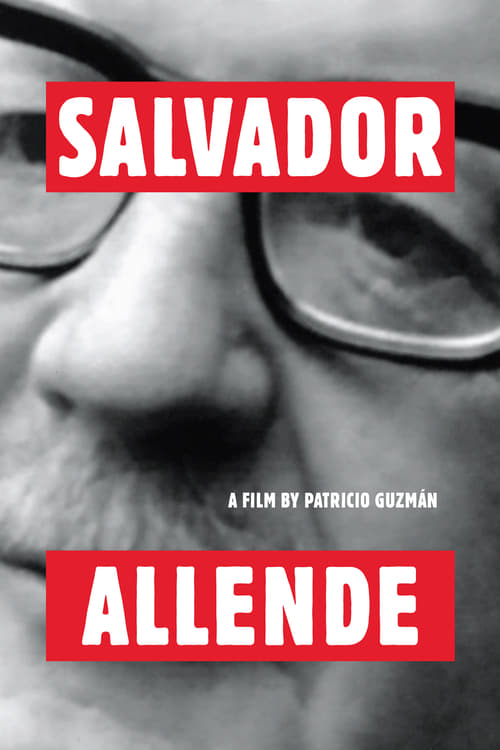
A leftist revolutionary or a reformist democrat? A committed Marxist or a constitutionalist politician? An ethical and moral man or, as Richard Nixon called him, a "son of a bitch"? In SALVADOR ALLENDE, acclaimed Chilean filmmaker Patricio Guzmán (The Battle of Chile and Chile, Obstinate Memory) returns to his native country thirty years after the 1973 military coup that overthrew Chile's Popular Unity government to examine the life of its leader, Salvador Allende, both as a politician and a man.
Salvador Allende
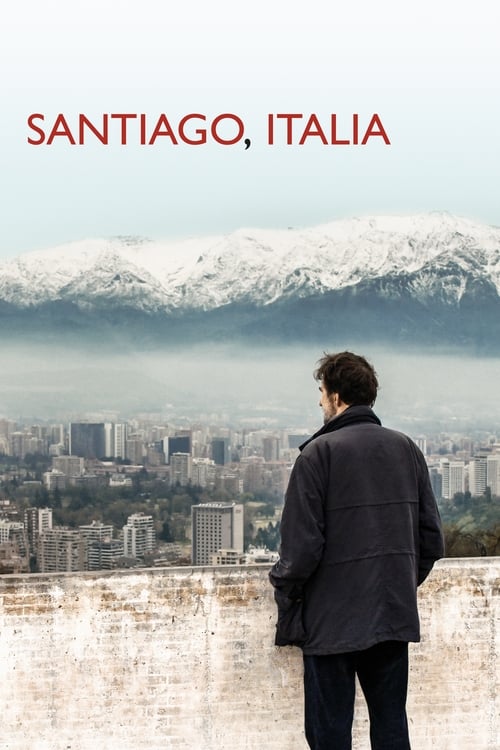
After the coup d'État of the Democratic government of Allende, the embassy of Italy in Santiago played a major role in helping the opposers of the regime, and extradited many of them to Italy.
Santiago, Italia
4 of the world biggest astronomical observatories have been built in the Atacama desert (Chile). A new observatory, the ALMA, is going to be constructed close to an Indian village established in the same Cordillera for centuries. The film questions the co-existence on the same territory of two visions of the sky: scientists’ "rational" view and the Indians’ "magical" one.
El astrónomo y el indio
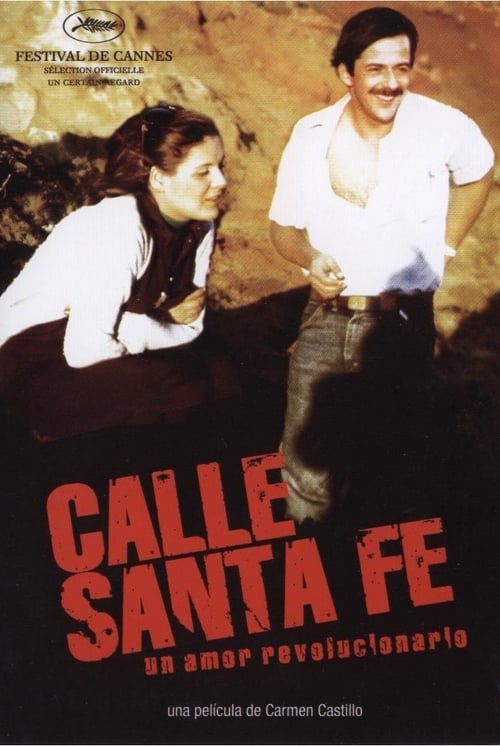
October 5, 1974: In the suburbs of Santiago, pregnant Carmen is badly injured and her partner Miguel, head of the resistance against Pinochet's dictatorship, is killed in combat. So begins a journey into the memories of the defeated...
Calle Santa Fe
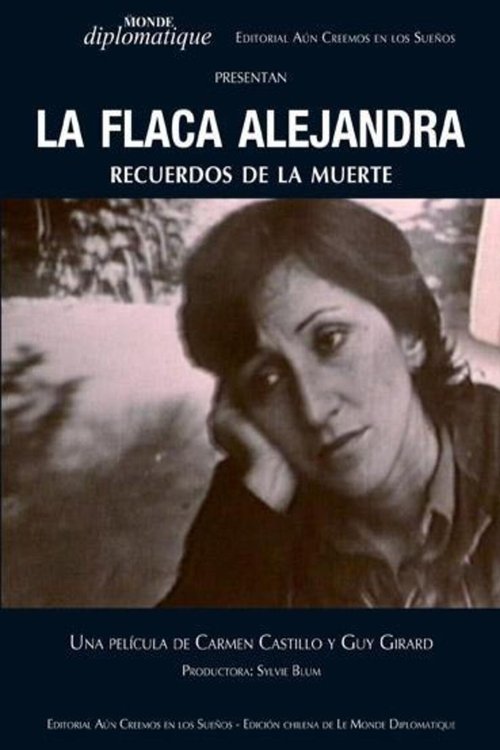
A conversation between the director of this film, Carmen Castillo and Marcia Merino, AKA La Flaca Alejandra who was one of the collaborators of Pinochet's secret police (the DINA) after being tortured by them. It was Merino who betrayed Castillo, who lost her new born child after being tortured. Almost twenty years later, Carmen Castillo returns to Chile after her exile to film this documentary, during a time in which Marcia Merino, on the court of justice, decided to give the names of her old bosses who worked with her on the DINA.
The Skinny Alejandra

The 23,000km long route of the Incas laces its way through the Cordillera range of the Andes. This road network served as the major means of transport, of communication and of government administration in the history of pre-colonialist America. The film covers three periods that deeply marked this region and its Indian tribes. Three phases, three eras for a road, and a history of violence and injustice that constantly repeats itself. Crystallizing the spirit of the conquests that took place in the Atacama Desert, a Peruvian prince once said in regard to the Indians: “We must spare our enemies or we will hurt ourselves, because they will soon be ours with all that is theirs”. In visualizing this statement, it is easy for us to imagine what hell the men of these lands endured during centuries of invasion and submission.
El camino del inca
From the plains of the Huasco Valley to the Atacama Desert and the mines of northern Chile, the narrator gathers the testimonies of farmers, neighbors, small landowners and political leaders. In the surrounding area and in the Pascua Lama gold mine itself, called The Treasure of America because of the enormous gold reserves it holds, the action is centred. The investigation is possible thanks to the access to the Canadian multinational Barrick Gold whose reports on the environment will be questioned.
Pour tout l'or des Andes
No description available.
José Saramago : le temps d’une mémoire
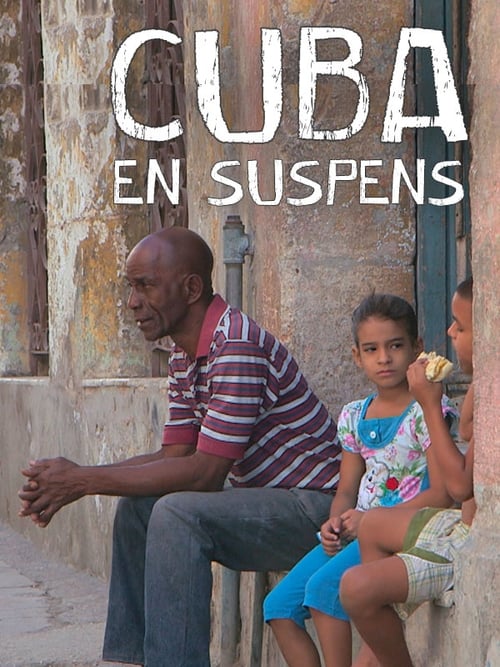
Today, as in the spring of 2016, when this film was shot, the debate about the future of the island encourages Cuba and its inhabitants. A journey into the thoughts and stories of the Cubans of the interior reveals the complexity of the Cuban reality and its uncertainties in the face of a future that is far from being mapped out beforehand. This documentary analyzes the situation in Cuba after the reestablishment of relations with the United States, which began in 2014 and was initiated by the president of the United States, Barack Obama, and the Cuban head of state, Raúl Castro
Cuba en suspens
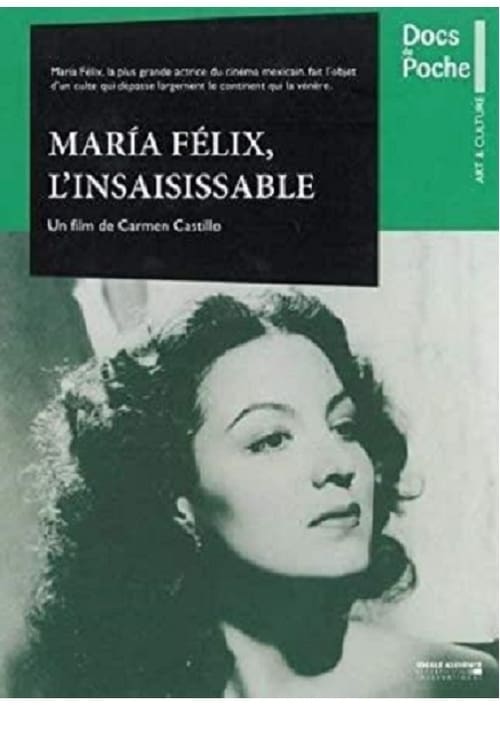
Untouchable, inaccessible, ungraspable... Maria Felix is one of the great myths of Latin American cinema. Fatal passions, multiple marriages, sudden deaths and fabulous diamonds, these are the components of the legendary life of this artist. Through the excerpts of her films and the archive material we can understand her characters and how this life of splendor also led her to the high solitude of her mansions, temples of her cultures.
Inasible María Félix
1980s. The Counter-Revolution from three media points of view: that of the United States, that of foreign countries and that of Nicaragua . Comparison of the "reality" of Nicaragua in a "state of war" and how it is portrayed by the American media, which is heavily influenced by the role of the United States in this conflict. Various documents illustrate this approach: NBC and ABC television reports on recent events; the American NB Archives on the history of Nicaragua; a film shot by the Sandinista army; and Super 8 reports shot by the two journalists in December 1985 and January 1986.
État de guerre, Nicaragua
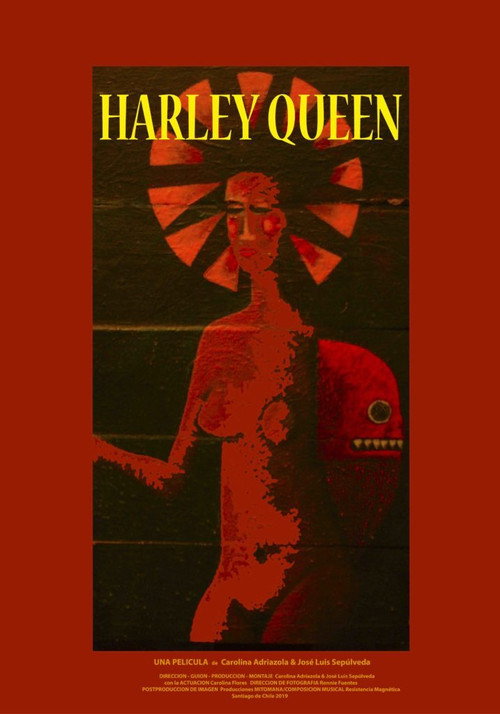
A woman yearns to find her identity through her character:a supervillain, dancer and mother, in the Mena sector, or what they call "the largest ghetto in Chile", in Puente Alto, Santiago.
Harley Queen
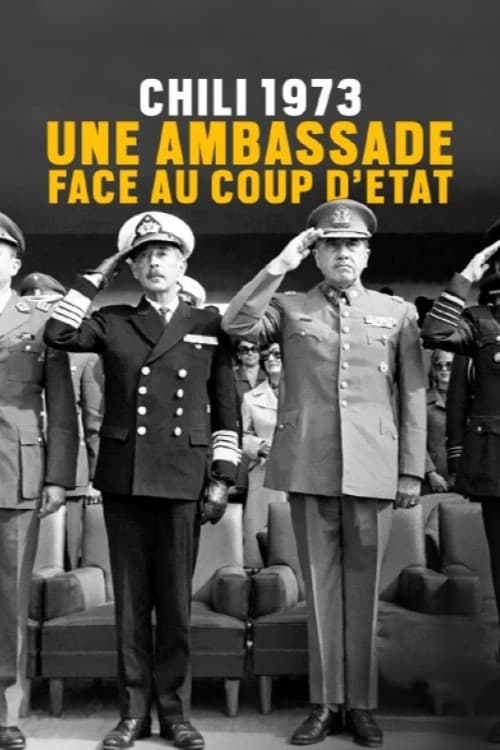
Carmen Castillo reconstructs what life was like at the French Embassy in Chile from September 1973 to July 1974, through the writings of Françoise de Menthon, wife of the ambassador, and the testimonies of both embassy officials from that time andr some of its hundreds of refugees. A story about how humanistic values and ethics can be imposed at critical moments to bureaucracy, formalisms and, especially, fear.
La embajada

No description available.
Le boléro, une éducation amoureuse
Alba lives in Paris. She is the daughter of a Chilean who was murdered under Pinochet. On TV, she discovers the face and name of the executioner of her mother. She decides to go to Chile for revenge.
Inca de Oro
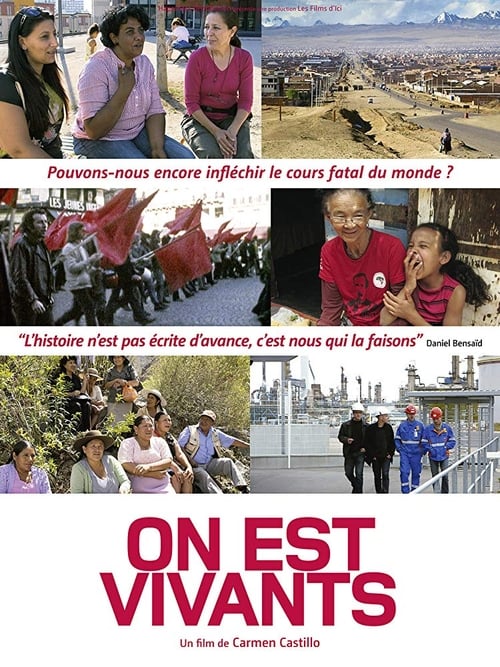
What does mean to be politically active in 2015? Documentarian Carmen Castillo hops the globe and engages with her recently passed friend, the philosopher and agitator Daniel Bensaid, to answer such questions.