Directing
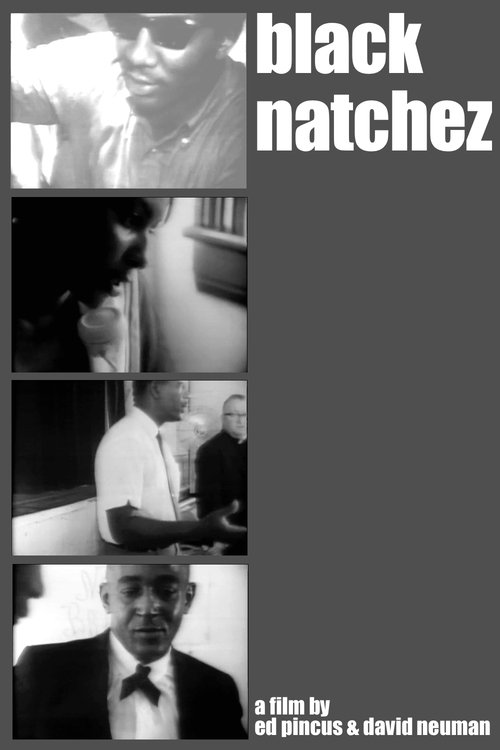
A cinema verite account of the attempt to organize a black community in the Deep South in 1965 during the heyday of the Civil Rights Movement. A black leader has been car-bombed and a struggle ensues in the black community for control. A group of black men organize a chapter of the Deacons for Defense--a secret armed self-defense group. The community splits between more conservative and activist elements.
Film produced and directed by Ricky Leacock, Edward Pincus, and MIT Center for Advanced Visual Studies documenting the Centerbeam kinetic sculpture project and its first installation at documenta 6 in Kassel, Germany in 1977
During the 1970s I shot, helped to make, or commissioned about ten document films, mainly about film-makers. This film is one of them. It was made with Dan Ochiva, who acted as cameraman on about half of the footage. I shot the rest, and then edited the film. It is a record of a conference held at the State University of New York at Buffalo on March 22-25, 1973. Among the participants filmed were Gerald O'Grady (who organized the conference), Will Hindle, Stan Brakhage, Jonas Mekas, Robert Creeley, Bruce Baillie, Scott Bartlett, Hollis Frampton, Ken Jacobs, Ed Pincus, Stan Vanderbeek, Ed Emshwiller, Sally Dixon, James Cox. This footage will eventually become part of my film PEOPLE, PLACES, THE 1970S. –R. H.
A documentary on the life of Ed Pincus and his immediate family from 1971 to 1976.
Panola’s life was a performance. He was always “on the set.” Wino, tree pruner, possible police informant, philosopher, “the most dangerous X that ever was,” “father of eight with one more on the way,” Panola challenged our filmmaking convictions. In no way could we film him independently of the presence of the camera. The conflict between our aesthetic convictions and the reality and authenticity Panola expressed led to few years of confusion, unsuccessful attempts at edits, and ultimately the need to find an outside editor (primarily Michal Goldman).
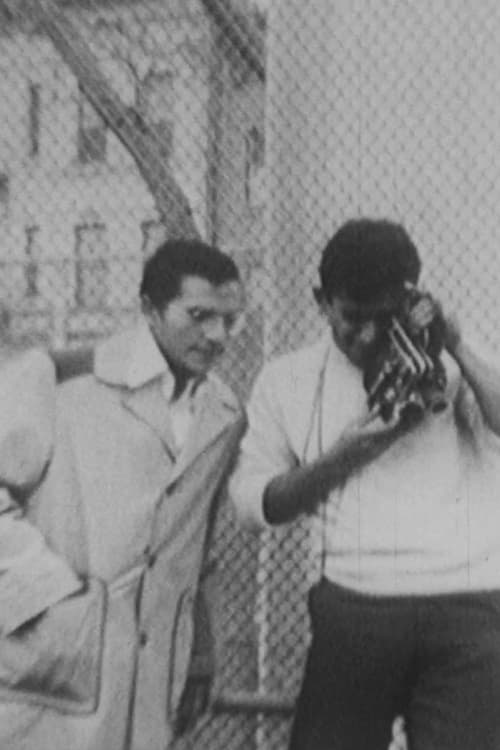
Ed Pincus and David Neuman were commissioned by Public Television to do a film on a Hispanic film project on the Lower East Side of New York City where disadvantaged kids were given the opportunity to make their own films.
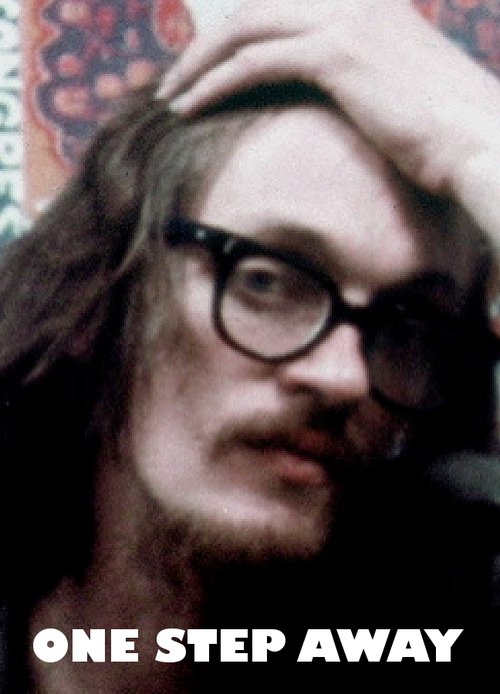
Look at a crumbling hippie commune in California. In the words of Ed Pincus: "It was the Summer of Love, 1967. The Haight-Ashbury section of San Francisco was to be the center of a vast cultural experiment. Ideologically it was an attempt at a post-industrial society, where people no longer needed to work and communities of choice allowed people to “do their own thing.” David Neuman and I set off to film what happened that summer. We decided to do what we thought would be a film about a rural commune, because that seemed to be the apotheosis of hippie ideals. What we found was a bizarre replication of bourgeois society—the sun rose on the nothing new. We decided to use an anecdotal editing style with an attempt to enforce a narrative line."
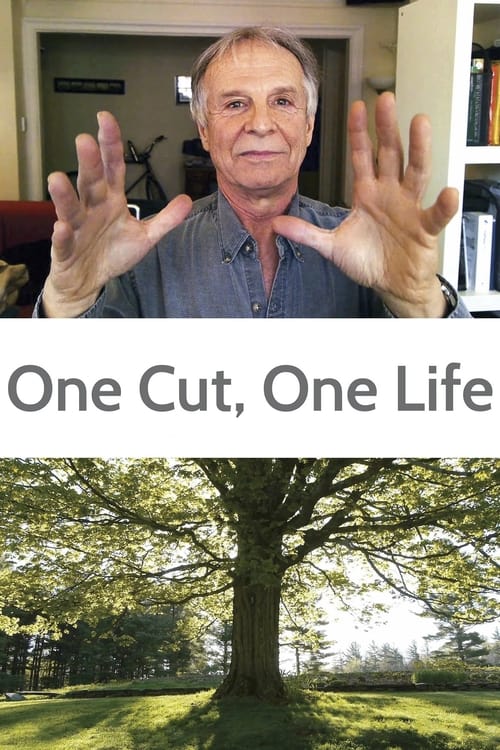
When seminal documentarian Ed Pincus is diagnosed with a terminal illness, he and collaborator Lucia Small team up to make one last film, much to the chagrin of Jane, Ed’s wife of 50 years. Told from two points of view with vulnerability, intimacy and humor, ONE CUT, ONE LIFE challenges the form of first person documentary while offering a complex story of love, loss, legacy, and the delicacy of capturing the preciousness of life while time is fleeting.
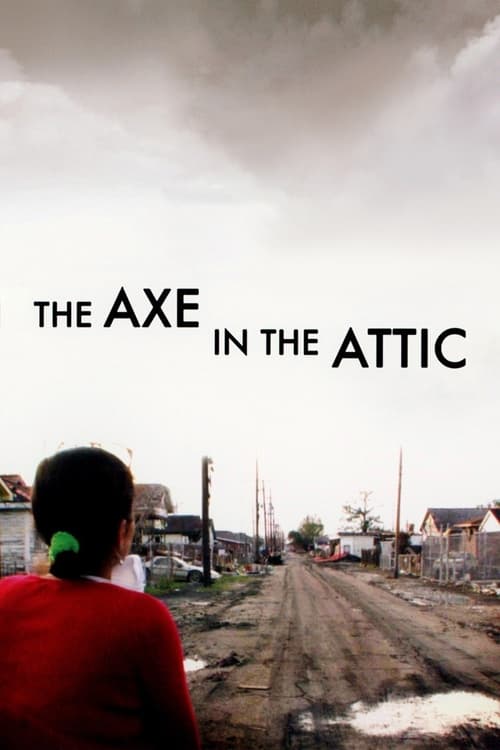
Shortly after Hurricane Katrina, filmmakers Lucia Small and Ed Pincus embark upon a sixty-day road trip traveling from their native New England to Louisiana. On their journey they encounter those displaced by the disaster. The film elegantly tackles the difficult issues of race, class and civic responsibility in the United States today.
In 1975, I was invited to “make any film I wanted as long as it was shot in Minneapolis." David Hancock, a filmmaker friend in Vermont, who coincidentally grew up in Minneapolis, had just asked me to film him. He had been recently diagnosed with terminal cancer in his early thirties and wanted me to document the craziness of his dying days, as he was buffeted from chemotherapy to New Age cures recommended by friends. I didn’t have the stomach to follow much of David’s last days. Meanwhile, Steve Ascher and I teamed up to go to Minneapolis. We wanted to ask strangers what in their lives they would like to have filmed. For me, it was almost like an act of expiation. -Ed Pincus via Harvard Film Archive