Akira Fushimi
Writing
Known For
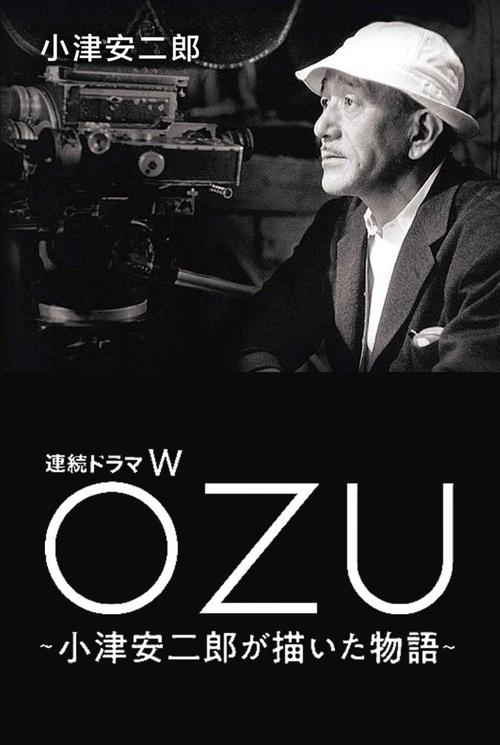
Commemorating the 120th anniversary of Ozu Yasujiro's birth, six up-and-coming filmmakers remade six of his early silent films as a contemporary mini-series.
Ozu
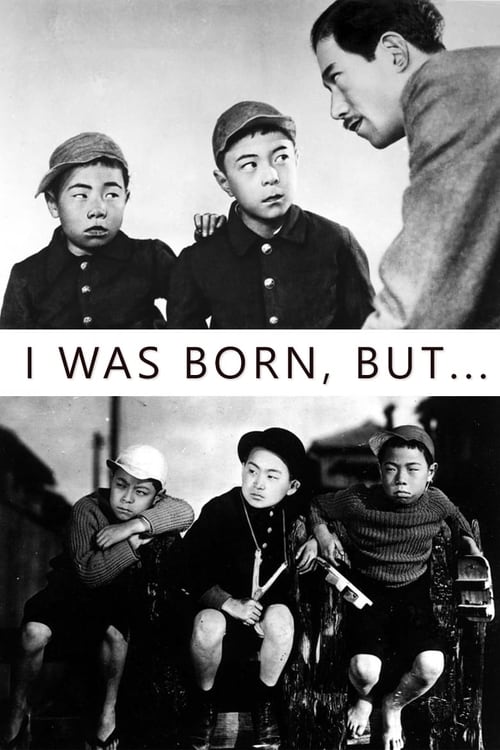
Brothers Keiji and Ryoichi move to a new neighborhood in the Tokyo suburbs after their father, an office clerk, is promoted. The boys join the local gang as lowly new kids and emerge as natural leaders after defeating a bully. While visiting the home of their father's boss, the brothers witness the ridicule their father endures to please his superior. Angry and embarrassed, the boys find their naive ideas about power being challenged.
I Was Born, But...

A professor, Komiya, and his bossy wife, Tokiko, are to look after Setsuko, their high-spirited niece from Osaka. Despite being a minor, Setsuko is a liberated woman who does whatever she wants, including smoking. She even convinces Koyima to take her to a geisha house. When she gets rather tipsy, the professor calls Okada, one of his students, to take her home. The wife becomes suspicious of Setsuko when she sees Okada bringing her home.
What Did the Lady Forget?
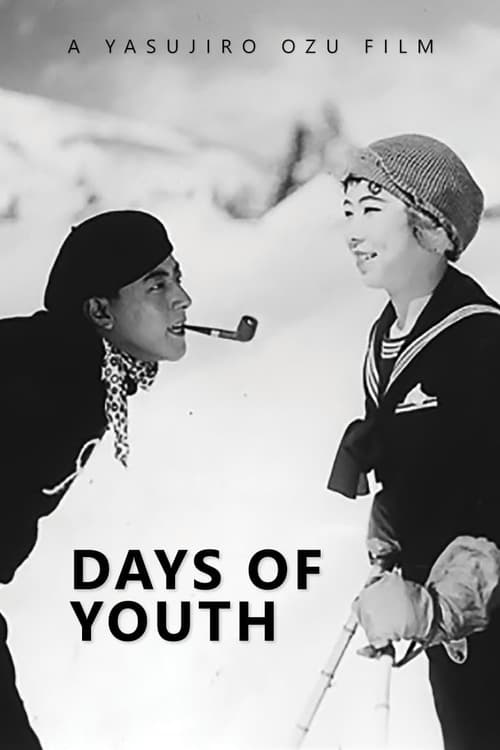
University friends Ben and Shūichi unknowingly vie for the attention of the beautiful Chieko while on a skiing trip.
Days of Youth
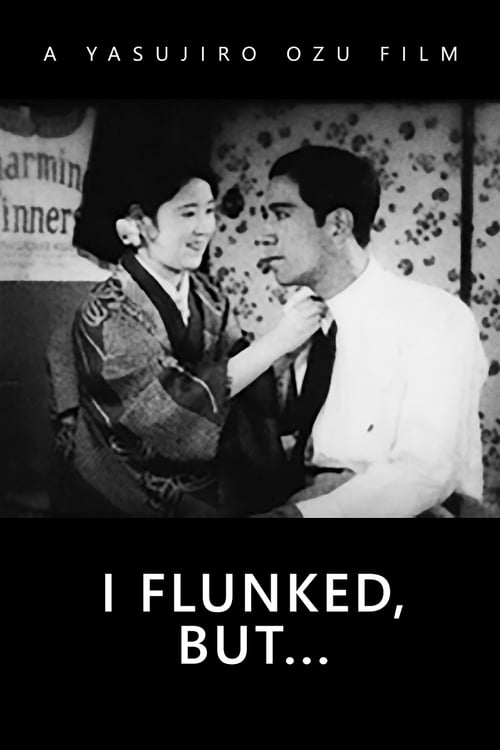
After the plans of a group of college students to cheat on their final exams goes awry, they're left to reassess their lives and educations and get back on track.
I Flunked, But...
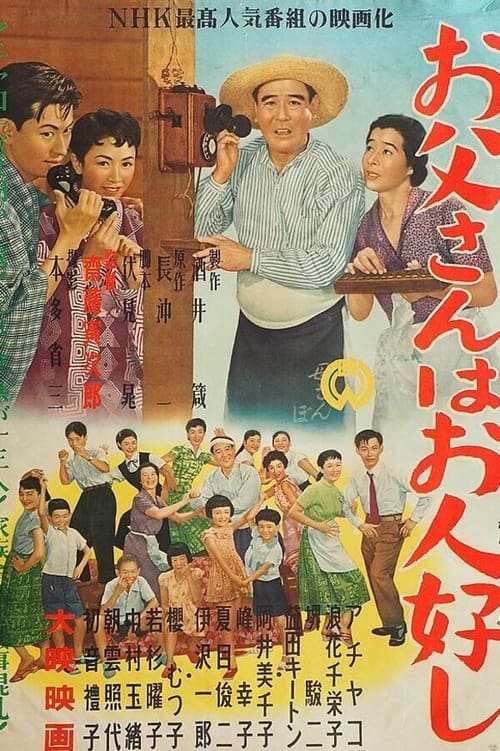
A frenzy of goodwill, tears, laughter, and a lot of fun, caused by thirteen children under the guise of a good-natured fruit vendor and his wife.
Otōsan wa Ohitoyoshi
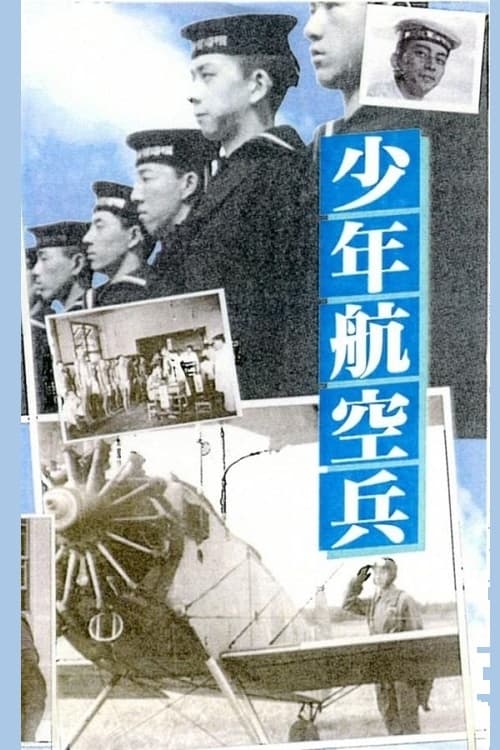
Story of two close friends who long to become pilots in the air corps. Only one succeeds in entering the service, while the other finds a job in civilian aviation through his instructor's good offices.
Boy Aviation Pilots

A playwright moves to a rural neighborhood to avoid the distractions of the city, but he discovers there are plenty of ways to get sidetracked in his new home, too.
The Neighbour's Wife and Mine

A dancer girl in a touring company met a high school boy in a port town. The story is about their first love that is very touching and sorrowful. An adaptation of the Kawabata Yasunari short story.
Dancing Girls of Izu

A middle-aged father has just married off his third daughter, but still has his nine year old son to raise whom he resents as he was unwanted.
Burden of Life
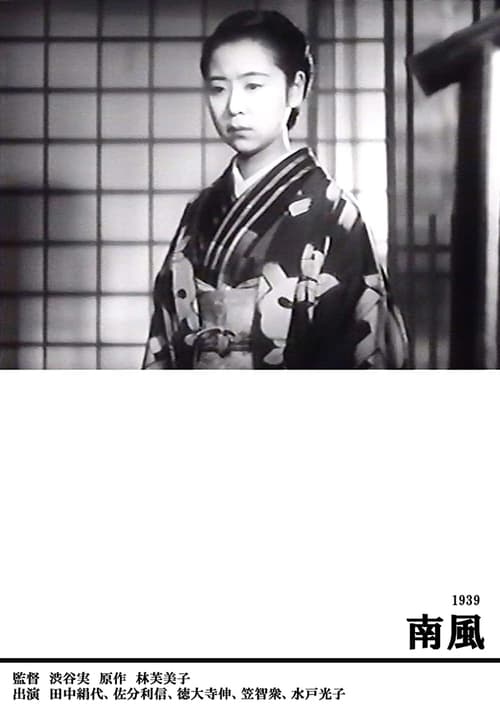
Based on the original work by Fumiko Hayashi, this is a story about a woman and two men. The lust is restrained and indifferent. The story even has an elegance to it, which is the charm of the 30 year old Kinuyo Tanaka. There was a time when Tanaka was adorable... Shin Saburi was young and Chishu Ryu was young too. It is a promise of melodrama that the rival or friend is prettier than the heroine Kinyo.
Southern Wind
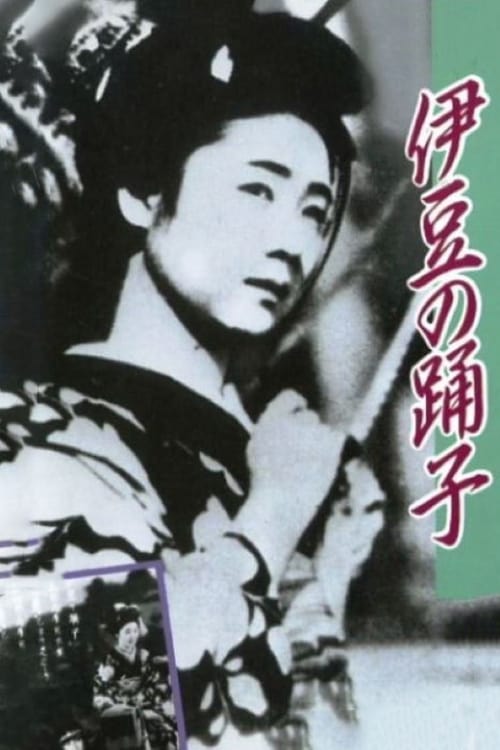
"The Dancing Girl of Izu" tells of the story between a young male student who is touring the Izu Peninsula and a family of traveling dancers he meets there, including their youngest girl. The student finds the naïve girl attractive even though he eventually has to part with the family after spending memorable time together.
The Dancing Girl of Izu
Episode in the life of a composer of a popular Japanese song.
Moon Over the Ruins
Based on the Sakatayama double suicide
Tengoku ni musubu koi
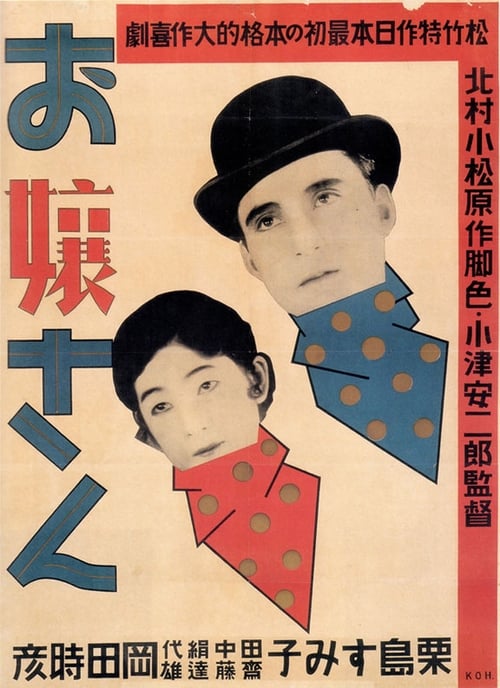
Lost film. Two reporters find that they are repeatedly beaten to the scoop by a new female journalist, 'young miss'. They decide to team up with her to investigate a secret club for wealthy voyeurs. Considered to be a lost film.
Young Lady
A newlywed couple faces tension when the wife, after her husband leaves for work, becomes completely unmotivated to handle household chores and goes back to sleep. Her neglect of daily duties starts to strain their marriage, and the couple is on the brink of divorce. However, a close friend of the husband, determined to save their relationship, introduces a hypnotist to uncover something.
The Groom Talks in His Sleep
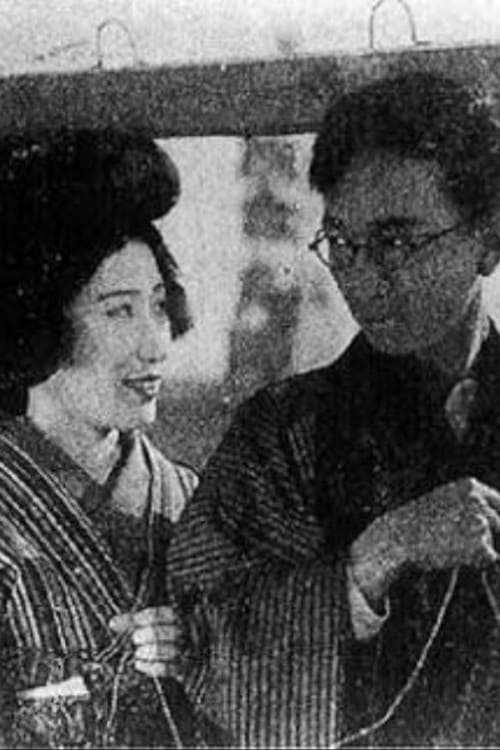
A young man falls for one of the geisha working in the house where he lives. However, the romance doesn't find favour with his father or current girlfriend. Considered to be a lost film.
Treasure Mountain
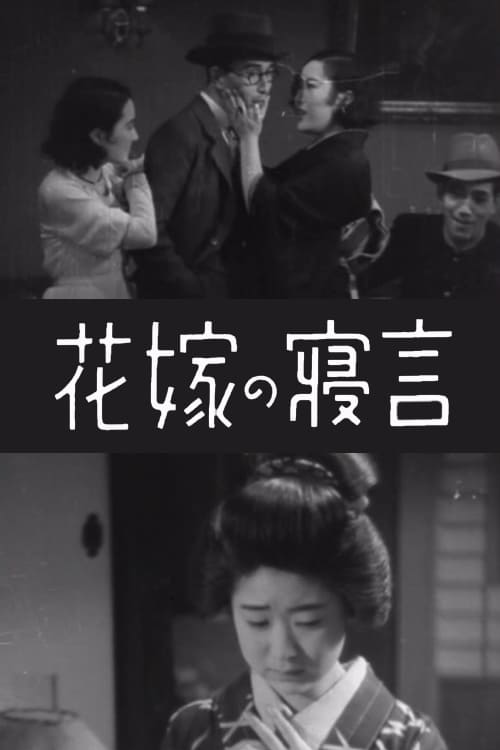
This pair of gentle yet witty and inventive comedies from the director of The Neighbour's Wife and Mine typify both the formal experimentation of early Japanese sound cinema and the social milieux that Shochiku tended to depict. 'Virtually plotless, and feeling more like comic sketches than fully developed stories,' writes Arthur Nolletti, Jr, 'these light comedies, or farces, take a wholly trivial matter (often a socially embarrassing situation) and use it as a springboard for a succession of gags.' Much of the films' distinction comes from the wit of Gosho's direction, the imaginative use of the new sound technology and the charm of the acting, particularly of the heroines (Kinuyo Tanaka in Bride; Hiroko Kawasaki in Groom). Yet in both films, Gosho finds room for some shrewd observation of character and environment, subtly exploring the values and assumptions of the suburban petit bourgeoisie.
The Bride Talks in Her Sleep
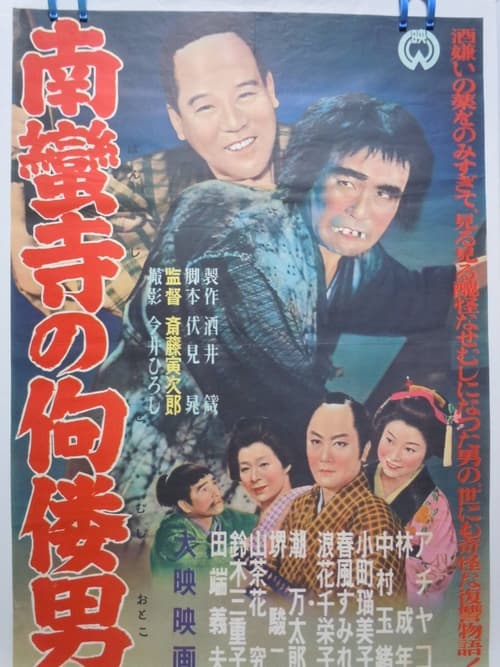
A revenge comedy directed by Torajiro Saito (Oedo's most Popular Man) from a script by Chao Fushimi (The Millionaire of a Night) and shot by Hiro Imai (Akado Suzunosuke (1957)). Starring Achako Hanabishi (Segedei Momoshiki Goten), Tamao Nakamura (Akado Suzunosuke (1957)), Seinen Hayashi (Nijunin no Kenka-jou) and Sumire Harukaze (Harukaze Sumire). Also Rumiko Komachi, Shunji Sakai, Yoshio Tabata and Mieko Suzuki.
The Tower of Nanzenji aka Return to Manhood
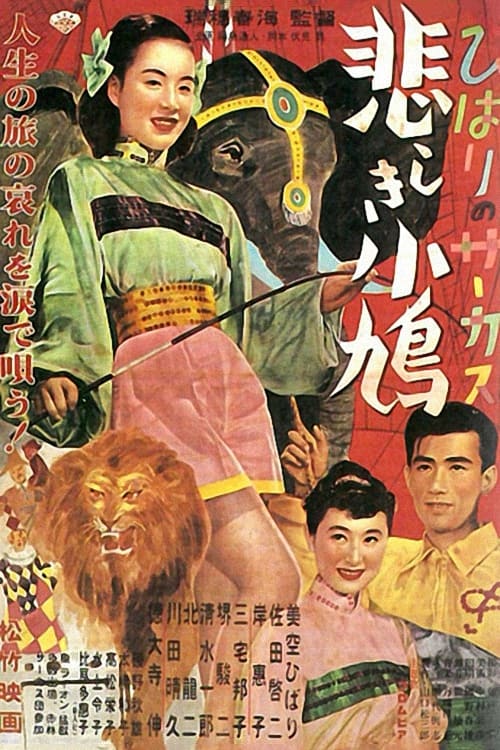
Mariko studies at a missionary school in Shinshu. She drops out of school and joins her father on a circus tour when she discovers that her father, Ryutaro, whom she always thought was an agricultural and forestry engineer, was a circus clown. Over time, Mariko's singing attracted the attention of the public.