Camera
A mysterious and spiritual portrayal of one of the most intense and controversial stories in the Holy Bible: the end of the world.
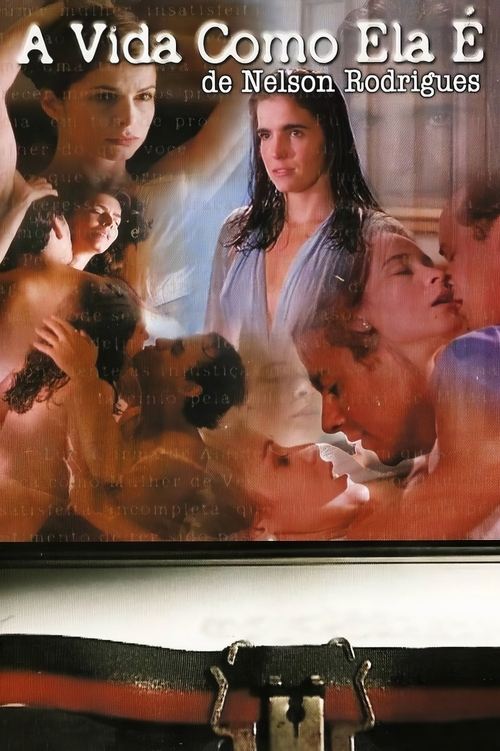
Adaptations of 40 short stories of brazilian playwright Nelson Rodrigues, written between 1951 and 1961. The stories were considered scandalous at the time as Rodrigues used immoral characters and black humor to satirize the hypocrisy and repression in people's daily lives.
Kick-box champion David Sloan arrives in Rio de Janeiro for an exhibition fight. He and mentor Xian take pity on Brazilian rascal Marcos Coasta, an urchin who offers guide services but routinely steals from tourists for himself and his older sister Isabella. David is shocked when he sees how his Argentinian opponent Marcelo needlessly abuses a courteous local sparing partner. That's the doing of his evil US manager, Lane. He has nasty plans to force David to cheat and runs a white slavery racket.
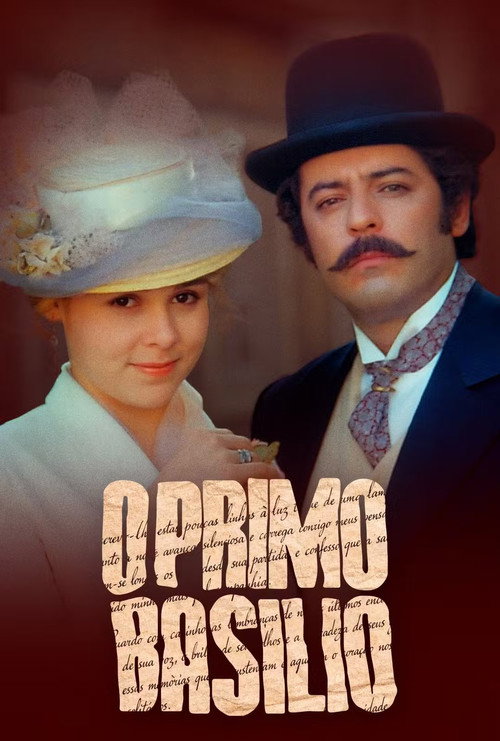
Arriving in Lisbon from London, Basílio falls in love with his cousin Luísa, but he must go to Brazil, promising he will eventually marry her. As time goes by, he sends her a letter ending the relationship and she marries Jorge, an engineer. One of Jorge's rich aunts dies, leaving him a small fortune and her former maid Juliana. Juliana gets hold of love letters between Luísa and Basílio and starts to blackmail her employer.
No description available.
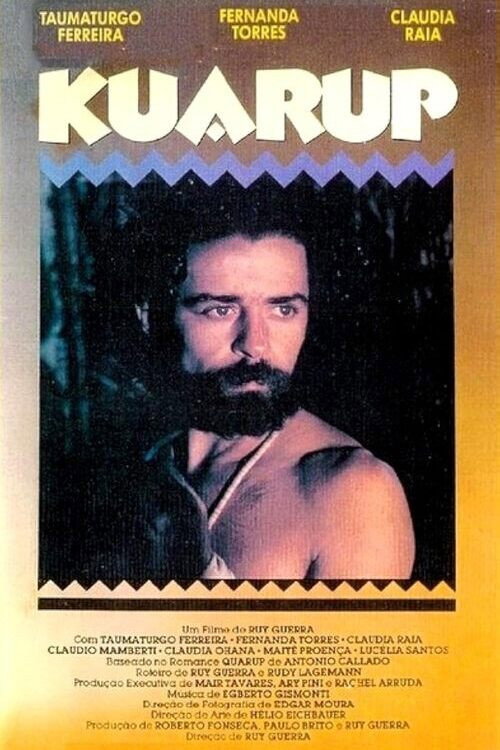
This epic Brazilian film was based on the equally epic novel by Antonio Callado. Set between 1954 and 1964, the film's focus is the saga of Jesuit priest Nando. Fed up with civilization, he ventures deep into Amazon country to live with and work among the Xingu Indians.
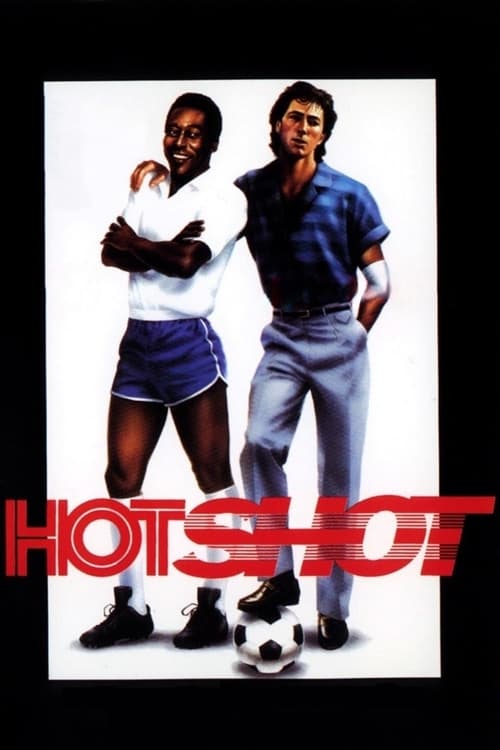
The story of an American soccer player trying to make it big who turns to Pele, the greatest soccer player of all time, for guidance.
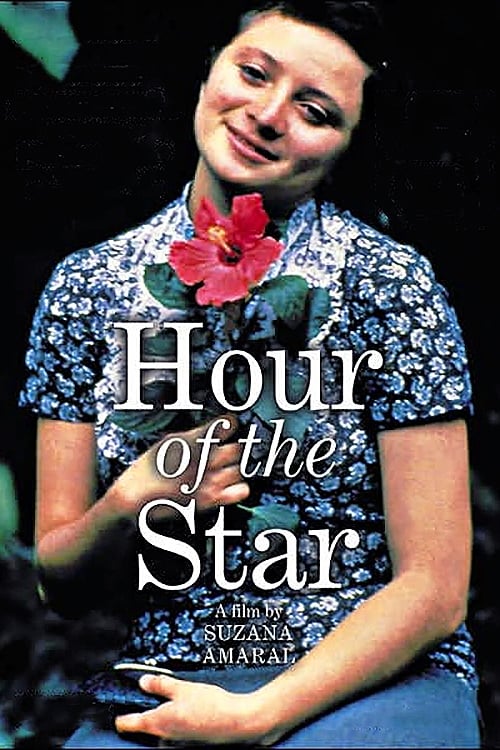
Macabéa has just moved to the big city after her aunt, who raised her, died. She gets a job as a typist and moves into a boarding house with three other women. In her spare time, she listens to a radio station called Time; on Sundays, she likes to ride the metro. Then she meets Olímpico, a northeasterner like herself, who has dreams of becoming a congressman.
Vera, who fought in the armed left-wing movements against the Brazilian military dictatorship, has lived in multiple South American countries. Her daughter Tânica has been married to another woman for fifteen years, and they're about to have their first child.
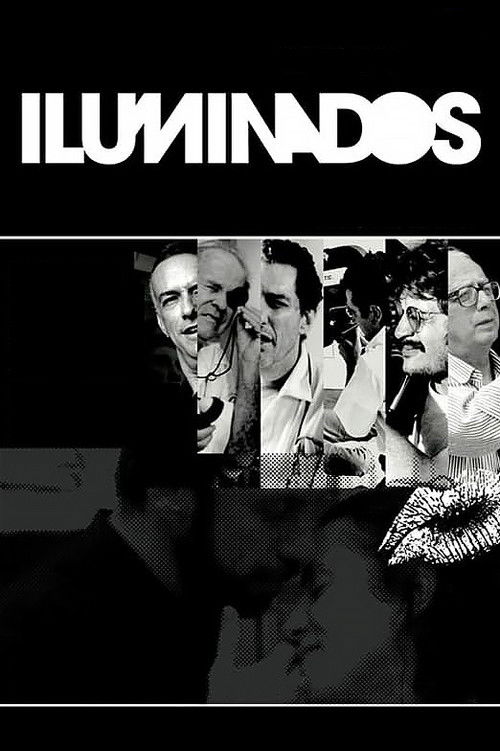
Documentary about the great Brazilian photographers who helped develop Brazilian cinema and their opinions on their work, making movies in Brazil and in general, and other subjects. As a bonus, they all agreed to shoot the same scene following their individual concepts, and the result is shown for comparison.
After being exiled for 26 years, Tieta returns to her native village in Bahia, bringing chaos and upheaving the local order.
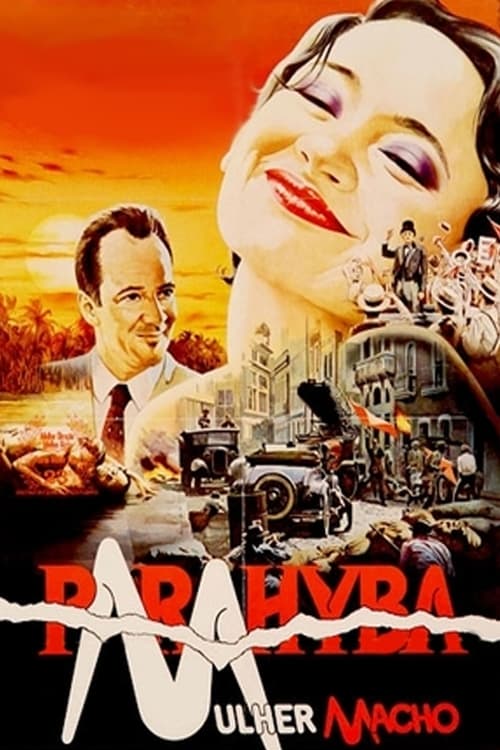
Account an important part of the history of Brazil, through its main character, Anayde Beiriz a poet, journalist and revolutionary and libertarian teacher of the early twentieth century, known for its sexual liberalism, which shocked the pre-Revolution in the state of Paraíba during 1930. His love for João Dantas eventually forge João Pessoa's death, at that time, governor of of Paraíba. These events served as a trigger for the a revolution.
Eduardo Coutinho was filming a movie with the same name in the Northeast of Brazil, in 1964, when there came the military coup. He had to interrupt the project, and came back to it in 1981, looking for the same places and people, showing what had ocurred since then, and trying to gather a family whose patriarch, a political leader fighting for rights of country people, had been murdered.
Through conversations held with fifty four of the most distinguished cinematographers working in Brazil and abroad over the last forty years, the documentary explores the working environment, the new tools and the different styles of the professional who controls the light and the shades behind the camera.
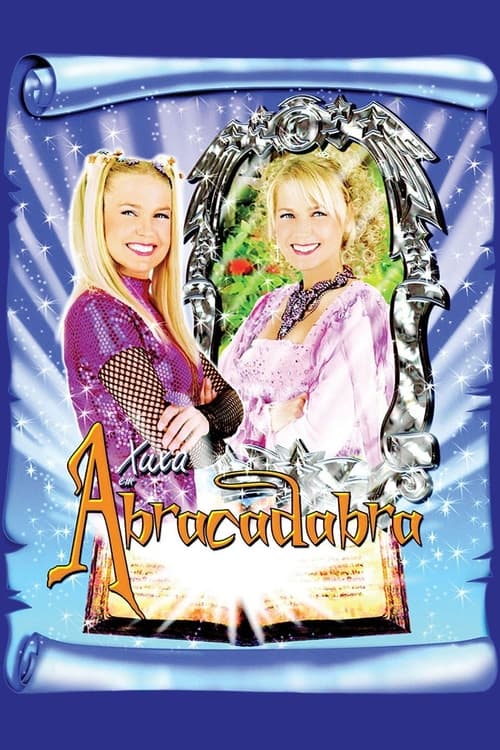
Sofia goes to her cousin Matheus's house to take care of his two children, Júlia and Lucas, while he goes to a party. She finds a magical book, which transports them to the Magic Forest, where they meet fairytale characters such as Pinocchio and Little Red Riding Hood. But their presence starts interfering with the original stories, and so Matheus tries to bring them back to the real world.
A group of eccentric people gather at a popular bar in Ipanema, Rio de Janeiro.
Grieved over the loss of their daughter, an elderly couple has decided do spend their vacation travelling around Europe. The cab driver who takes them to the airport, Leo, overhears their conversation and decides to profit from their situation: Leo convinces the couple's staff he's their nephew, and invites his friends and girlfriend over for a special summer. Things go awry when his friend Marcelo arrives with a bus full of teenagers, who believe the mansion is actually a summer camp.
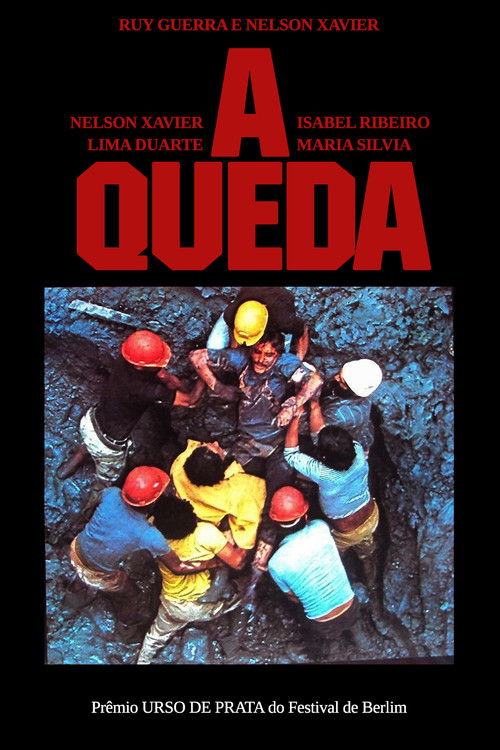
An accident at a construction site, resulting in one death, sets one worker off on a struggle for justice that exposes the mechanisms of exploitation and the class relations of a country that had undergone one decade of fast-paced ‘conservative modernisation’ at the hands of the military. As a sort of sequel to the classic The Guns (1964), following the fate of those characters as they move from enforcers of exploitation to exploited, it offers more than a snapshot of the period: the correspondent time lapses in fiction and reality capture the passage of a chunk of Brazilian history between the two films, and, therefore, also the transformations in cinematographic approaches to the social and political between the two moments. Equally daring in content and form, and in the originality of the adequacy of one to the other, it won the Silver Bear at Berlin.