FEEL IT.STREAM
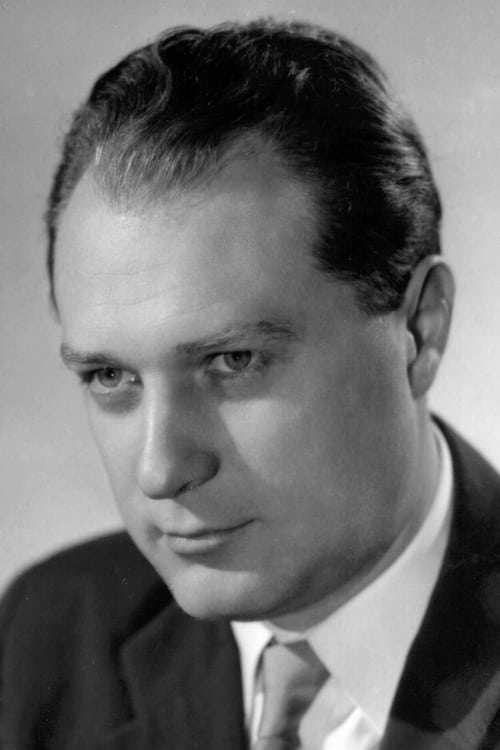
Jiří Krejčík

Jiří Krejčík

Directing

Biography

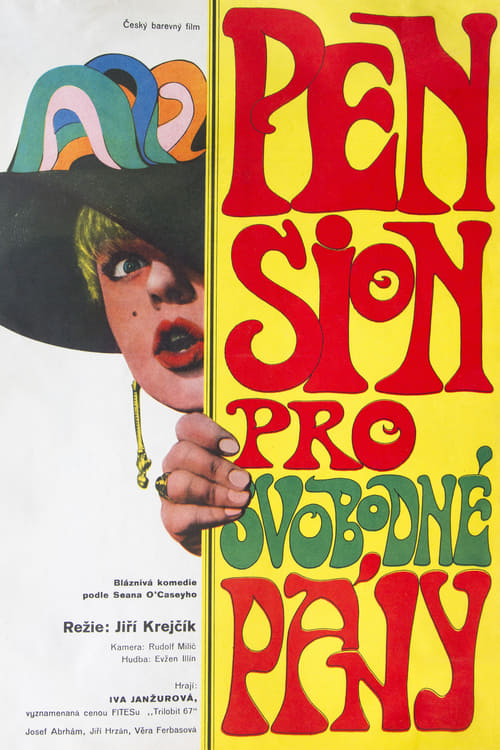
Nepochybně jedním z nejvýznamnějších režisérů a scénáristů české kinematografie je pražský rodák Jiří Krejčík. Po maturitě se věnoval studiu techniky a během druhé světové války pracoval v barrandovských ateliérech jako statista. Čímž pronikl do světa filmu a brzy zatoužil po vlastní režijní práci. Začínal tvorbou krátkometrážních a reklamních snímků. Spolupracoval také například s výtvarníkem Jiřím Trnkou na hrané části kresleného filmu DÁREK. První hraný celovečerní snímek natočil v r.1947 a byl jím TÝDEN V TICHÉM DOMĚ, na motivy Povídek malostranských od Jana Nerudy. Následoval film o osídlování českého pohraničí po druhé světové válce s názvem VES V POHRANIČÍ. V 50. letech byla jeho práce bohužel poznamenaná dobovou ideologií. Jedná se především o díla NAD NÁMI SVÍTÁ a FRONA. V r.1958 se podílel režií krátkého snímku Glorie na povídkovém filmu O VĚCECH NADPŘIROZENÝCH, kde se pokoušel adaptovat krátké prózy Karla Čapka. Za tento počin byl oceněn na Mezinárodním filmovém festivalu v Locarnu 1959. S příchodem let šedesátých, přichází podle mnohých vrchol Krejčíkovy tvorby, který odstartoval film VYŠŠÍ PRINCIP popisující smutné období heydrichiády, jenž získal také řadu různých ocenění a objevil pozdější velkou hvězdu českého filmu - herečku Janu Brejchovou. K dalším významným dílům patří povídkový snímek ČINTAMANI A PODVODNÍK či satirická komedie SVATBA JAKO ŘEMEN. V r.1967 Krejčík adaptoval hru známého irského dramatika Seana O´Caseyho Bedtime Story pod názvem PENSION PRO SVOBODNÉ PÁNY. Další velký úspěch zaznamenal v r.1979 životopisným filmem BOŽSKÁ EMA o slavné operní pěvkyni Emě Destinnové. Posledním filmem Jiřího Krejčíka se stal v r.1984 PRODAVAČ HUMORU - satiristický pohled do zákulisí socialistického estrádního průmyslu. Od té doby se jeden z nejuznávanějších domácích filmařů věnuje výhradně práci pro televizi. Režisér Jiří Krejčík už se několikrát také objevil na filmovém plátně. Z jeho maličkých, ovšem nezapomenutelných rolí vyniká především nenasytný pan Karel z Menzelových SLAVNOSTÍ SNĚŽENEK a dále profesor Stárek v retrokomedii Jana Hřebejka PELÍŠKY.
Known For

Bakaláři
7.0

No description available.

Bakaláři

1972
No image
N/A

Television series Golden Sixties examines new insights into Czech and Slovak cinema of the 1960s and the role of the Czechoslovak New Wave. Each episode focuses on a different filmmaker.

Golden Sixties

2009
No image
7.0

A comedy film taking an ironic view of the bourgeois period prior to the First World War.

Štvorylka

1956
No image
8.0

No description available.

Bylo nás šest

1986
Frona
7.5

Frona Filípková, out of a desire for a better life, married Floriš Zobač on the land. However, the ownership of the land has affected both her husband and her father-in-law, who, out of hatred, intrigue against the emerging agricultural cooperative and against each other, so Frona looks for a way to free herself.

Frona

1954
Cosy Dens
7.9

Two families, Sebkovi and Krausovi, are celebrating Christmas, but not everyone is in a good mood. The teenage kids think that their fathers are totally stupid, and the fathers are sure that their children are nothing more than rebels, hating anything they say.

Cosy Dens

1999
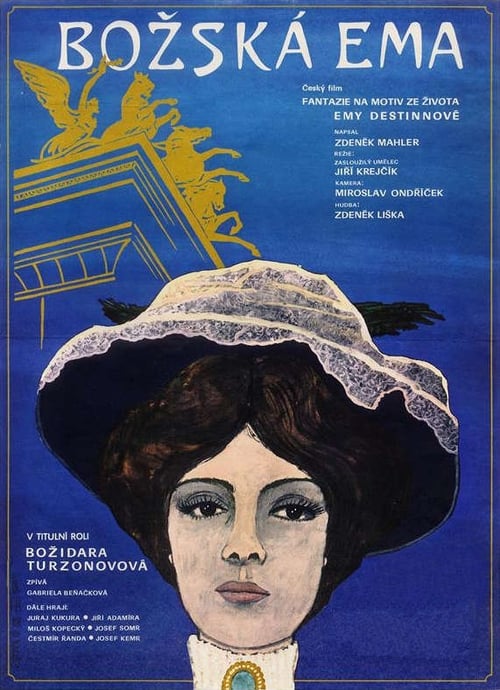
The Divine Emma
6.2

The opera lady singer Ema Destinnová is in all her splendor at the American stages. But in Europe there rages war and she decides to return home to Bohemia.

The Divine Emma

1979
No image
8.0

The 50th anniversary of the Barrandov studios was celebrated with a spectacular show: many directors and other important people gathered in the expensive decorations of the Variety Theatre auditorium (built for the Circus Humberto series). They smiled and showed well-deserved relaxation after a job well done in managing socialist cinema. Vladimir Sís interspersed this with excerpts from films, mainly his own and also a little of others who had worked on the "Hill of Dreams".

Barrandovské nokturno aneb Jak film tančil a zpíval

1985
The Emperor and the Golem
7.0

The Emperor's mismanagement of his country is provoking some in his court to plot to overthrow him. He feels successful, at least, when he discovers the legendary Golem, which he believes can protect him and even cure his imaginary illnesses but, when he disappears while on a bender, his kindly baker, who looks just like him, is mistaken for him, and begins to put things in order. However, the conspirators, not to be outdone, determine to bring the Golem back to life to do their bidding.

The Emperor and the Golem

1952
Searching for Ester
8.0

Ester Krumbachová - a costume designer, screenwriter, director; one of the boldest personalities of the Czech New Wave. She worked in theatre, she was a writer and an illustrator. She co-created films such as O slavnosti a hostech (1966), Sedmikrásky (1966), Vsichni dobrí rodáci (1969), Pension pro svobodné pány (1968), Valerie a týden divu (1970), Slamený klobouk (1972) and many others. In the 1960s, she was a 'pivot' of the art scene in Prague, attracting artists who were on the threshold of their career, just setting out to find their own form of self-realization. Those who underwent her tutelage remember her forever. Director Vera Chytilová talks to those who knew Ester Krumbachová, who worked with her, befriended her, loved her. She sets off on a search that is to end by answering the question: Who was Ester?

Searching for Ester

2005
Of Things Supernatural
5.5

An anthology of three absurd, ironic tales inspired by Čapek’s “Tales from One Pocket” and “Fables and Side Stories,” each showing uncanny forces disrupting ordinary lives: in Krejčík’s “Glorie,” a gentle clerk is haunted by a sudden halo; the other two segments by Mach and Makovec similarly blend everyday routines with ironic, supernatural twists.

Of Things Supernatural

1959
No image
10.0

A documentary about the 11th All-Sokol Rally in Prague in 1948, focusing in the first part on performances by schoolchildren, youth days, and their parade.

Píseň o sletu – I. část – Mládí

1949
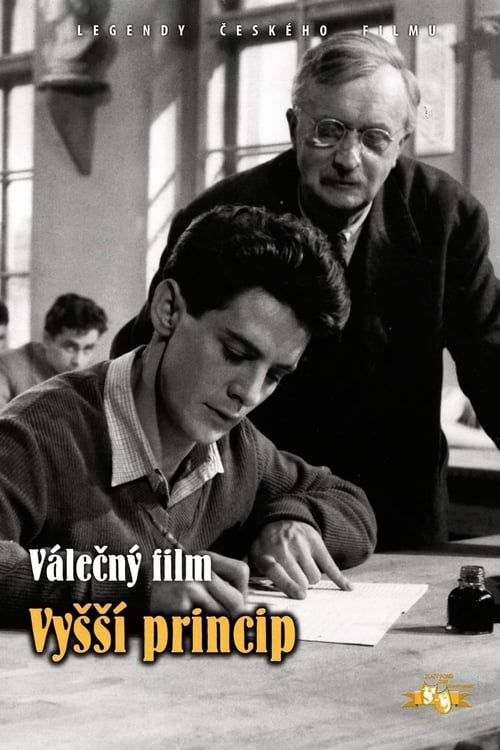
Higher Principle
8.1

During the Nazi occupation of a Czech city civilians are being rounded up on the slightest of pretexts and shot. One day three high school boys who crack jokes about a recently deceased "hero of the Reich" are pulled out of school by the Gestapo.

Higher Principle

1960
Čintamani & podvodník
8.0

Two short stories by Karel Čintamani a ptáci An avid collector of carpets, MUDr. Vitásek discovers a unique piece in Mrs. Severýnová's junk shop - a Persian carpet with a pattern of birds. As a connoisseur, he knows that there are only three of these carpets in existence and they are all owned by different monarchs. Severyn has no idea how rare it is, but the carpet is not for sale. It was saved by the wealthy widow Zanelli, who travels all over the world and rarely visits Prague. Vitásek confides in his lawyer friend Bimbal and with his help tries to retrieve the rare piece. Tales of a marriage fraudster The police headquarters is on high alert as marriage frauds proliferate. The hallmark of the culprit is violin playing and gold teeth. Inspector Pigeon of the train service eventually apprehends the fraudster, Vincent Plichta. The serious criminal doesn't resist arrest, he just bills the costs and goes to serve his sentence. After a while, marriage fraud is reported again.

Čintamani & podvodník

1965
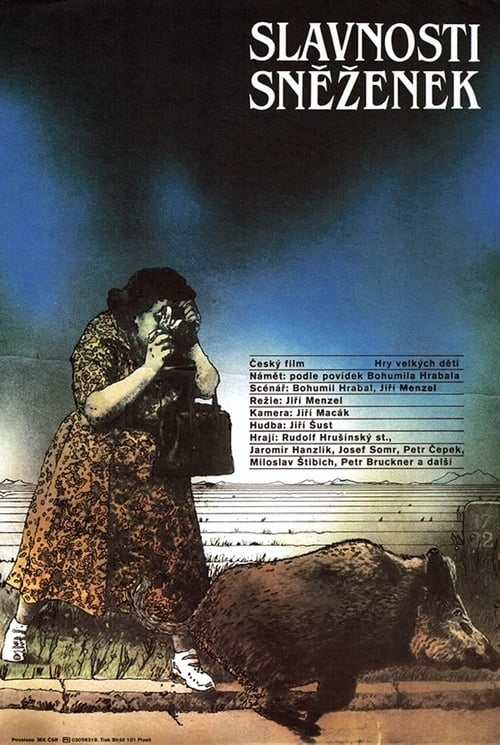
The Snowdrop Festival
6.6

An episodic film about the inhabitants of Kersko, their hardships and their joys, most prominently hunting. A lyrical and humorous adaptation of writings by Bohumil Hrabal.

The Snowdrop Festival

1984
Labyrinth
10.0

Film makes the creative process visible by letting its narrative flow in the mind of a foreign director who is researching a film about Franz Kafka in Prague. Based on the principle of dreams and free association, segments unfold that deal with the various points of view that Kafka's work, personality and fate offer. In the labyrinth of his mind, the fictional director projects himself into situations from the author's life, with Kafka himself as his guide. At the same time, he delves into the history of the persecution of the Jews and glimpses the monstrosity of the bureaucratic apparatus that Kafka anticipated but could not have foreseen the monstrous size and function it would grow to a few years after his death in the institutionalized genocide and overall machinery of Nazism.

Labyrinth

1991
No image
7.7

On Christmas Eve, 1944, in Nazi-occupied Slovakia, the Kubiš family grapples with survival amidst brutal reprisals. Marián collaborates as a fascist guard leader, while his sister Angela has an affair with their Nazi lodger, Major Brecker. The situation escalates when their younger son, Juraj, a former partisan fighter, returns home wounded. As Germans search homes for escapees, Juraj hides in the attic, while an unsettling Christmas dinner unfolds below with Major Brecker present.

Midnight Mass

1962
Labyrint srdce
10.0

It is 1955 and the government in Czechoslovakia has declared an amnesty for post-war emigrants. Many of them returned to their families, only young Pavel Kocián's single mother waits in vain for him. Despite her protests, Tomáš Stach, an assembler, is accommodated in her flat as a lodger. Until recently, his fiancée Jana was also waiting for Pavel's return, but she has given up hope and visits Mrs Kocián only out of pity. One evening, an unknown man who introduces himself as Jonáš and claims to know Pavel visits her.

Labyrint srdce

1961
No image
8.0

A labyrinthine portrait of Czech culture on the brink of a new millennium. Egon Bondy prophesies a capitalist inferno, Jim Čert admits to collaborating with the secret police, Jaroslav Foglar can’t find a bottle-opener, and Ivan Diviš makes observations about his own funeral. This is the Czech Republic in the late 90s, as detailed in Karel Vachek’s documentary.

Bohemia Docta or the Labyrinth of the World and the Lust-House of the Heart (A Divine Comedy)

2000
No image
N/A

No description available.

Píseň o sletu – II. část – Bratři a sestry

1949