
Helke Misselwitz
Directing
Known For
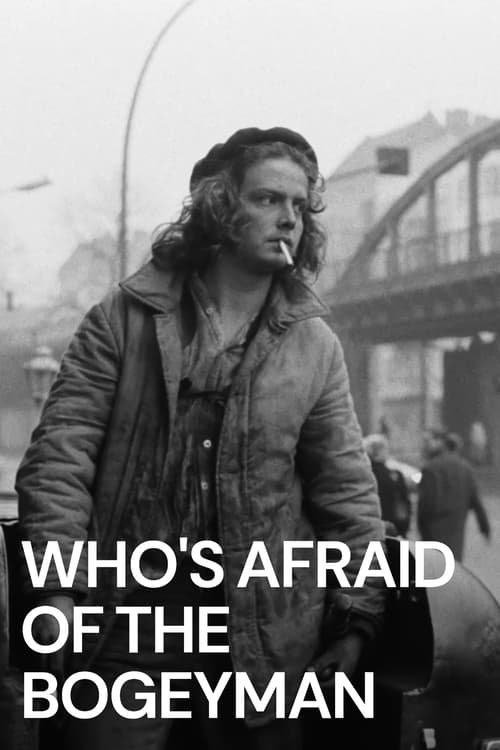
Portrait of a private coal company in East Berlin's Prenzlauer Berg district in 1988/89. The feisty woman boss runs the business with humour and understanding. Her seven male employees respect her. To the outside world, they are all tough guys, but as they describe their jobs and personal situations, above and beyond the hard manual labour, their vulnerability starts to come to light.
Who's Afraid of the Bogeyman
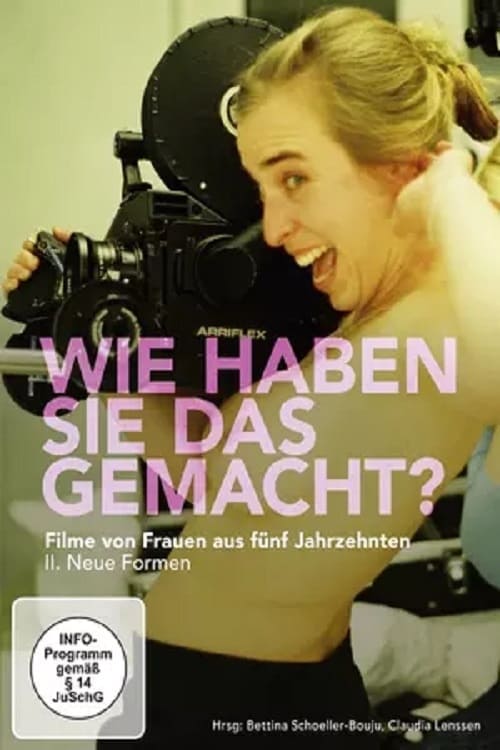
Paul Celan’s poem echoes. A drive reveals a long-abandoned Gründerzeit villa in ruin. Inside, a woman in elegant WWI attire dances, then slumps in mourning. After the war she cleans, reappears in 1930s riding clothes amid radio discontent as a maid and housekeeper move through the halls. Mourning returns with WWII’s end. Post-war, she dances to American rhythms, breastfeeds under Soviet-occupation broadcasts. Beatles and Pink Floyd play as a woman in overalls emerges, memories of the century flooding her mind. She climbs into a Trabant Kübel, helmet beside her, determined to give the villa a new life.
Haus. Frauen. – Eine Collage

In the little town of Herzsprung - whose name harks back to an ancient legend of broken hearts - almost nothing has changed since German unification, except a rise in unemployment. Johanna, a young mother and widow, becomes one of the unemployed and lives on welfare. To make matters worse, she falls in love with a dark-skinned, roving adventurer and the whole village starts talking about it.
Herzsprung
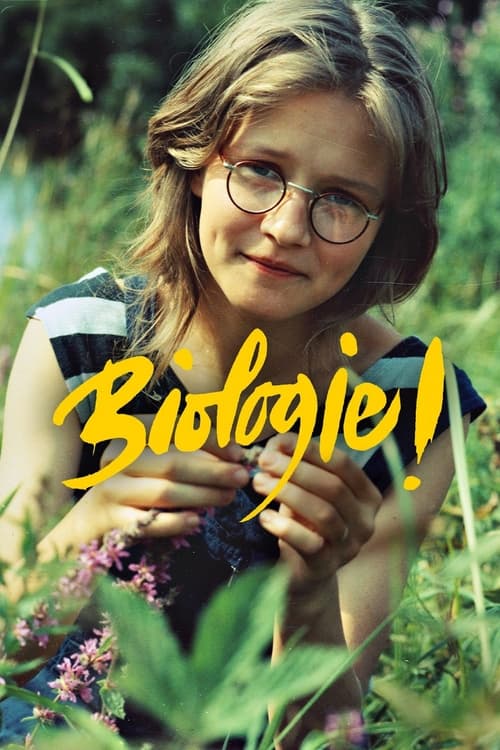
A small town shortly before the end of the GDR: 15-year-old Ulla lives with her mother in a dilapidated old building where not even the electricity works properly. Economy of scarcity and national bankruptcy are visible everywhere. Only higher party comrades live in the lap of luxury. When Ulla meets Winfried after a summer bathing trip, the two fall in love. Winfried is the son of an influential general director and owns things from West Germany that others only dream of: a computer, a games console, a walkman. On an excursion with her biology class, the high school student discovers that a dacha is being built in the middle of the nature reserve and the creek has been dammed. Winfried's father turns out to be the culprit, but the mayor is on his side. Ulla rebels against this environmental destruction connected to political corruption and organizes a protest. Her activism not only endangers her own future, but also her first great love.
Biology!
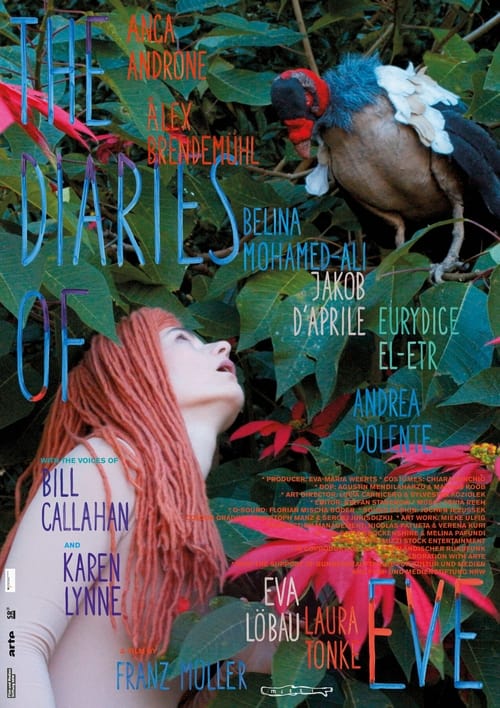
Eve and Adam meet in Eden. It soon becomes apparent that they don’t find each other particularly attractive. But do they have a choice? Writing helps. They each start keeping a diary about this first encounter between two human beings — from very different perspectives, as one might imagine. And as they get on each other’s nerves and recount terrible things about each other, they discover an unexpected new emotion: love.
The Diaries of Adam and Eve
Founded in 1954 as the “Deutsche Hochschule für Filmkunst”, today's “Hochschule für Film und Fernsehen” is celebrating its 50th anniversary. The documentary traces the history of the university. Graduates of the school have their say and excerpts of student films from five decades are presented.
Ein bisschen Luft unter die Flügel

Ramona lives her lonely life in Berlin working in a lipstick factory. One day she accidentally runs into Andrzei, a Polish mechanic illegally selling cigarettes in Germany during the weekend. One thing leads to another, and soon she finds herself pregnant. Then her life starts falling apart, when Andrzei tells her he already has a wife back in Poland and her baby dies shortly after its premature birth.
Little Angel

In early summer 1989, Helke Misselwitz portrays young musicians in a band who produce their music on other people’s waste items. The four boys call themselves "Bulk Rubbish" and they drum out their resentment, having grown up on the new housing estates of East Berlin. A straight-up picture of the GDR youth is presented here, which in no way conforms to the official image. The film crew concentrates on the observation of the boy Enrico and his mother Erika: when the mother marries in the West, her son decides to stay in East Berlin, bidding her farewell at the border-crossing. Only shortly after, the tables are turned again: as the events in Berlin leading up to the fall of the Wall are practically captured live from the film crew, Enrico insists on maintaining his cultural identity, even after the fall of the Wall. The "Bulk Rubbish" musicians want to remain citizens of their own state and perceive the looming reunification with scepticism.
Bulky Trash
No description available.
Das 7. Jahr – Ansichten zur Lage der Nation
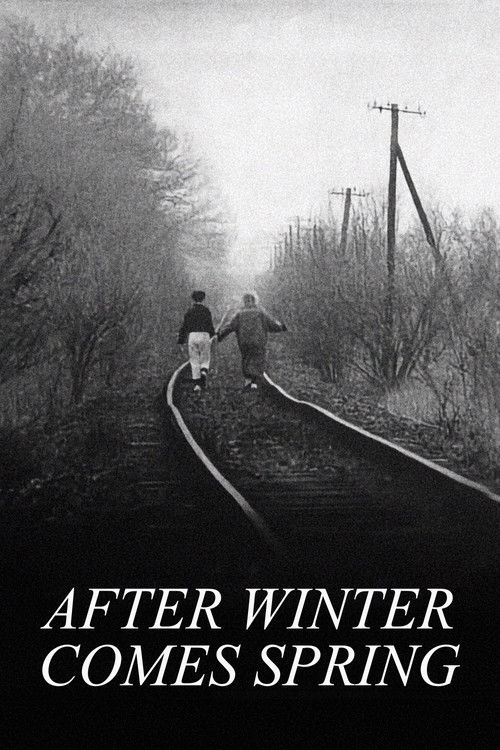
A locomotive journey traversing the North to the South of the German Democratic Republic on the eve of its dissolution. Labourers, punks, mothers, intellectuals, young and old are implored to reflect on their life choices, the sacrifices they've made, and their place in the world. Despite everything, hope persists.
After Winter Comes Spring
Photographer Gundula Schulze wrote her graduate thesis on "nude photography of women in East Germany". It's a subject she continues to pursue in her photography. She considers the stereotype of superficial nude photography anachronistic, and talks vividly about being at pains to develop a relationship of trust with the women she photographs. Schulze wants to show what makes up the "whole woman", living up to her position in East Germany. Scenes of women in the professional world have been edited into the film.
Nude Portraits – Gundula Schulze
A brief history of the emergence and artistic innovations of tango in 19th-century Argentina and Europe. The film offers a mosaic of tango melodies, art works, dance performances, historical footage, photographs of Buenos Aires at the turn of the 20th century, and texts by Celedonio Flores and Enrique Santos Discépolo.
Tango
Film about still life paintings.
Stilleben - Eine Reise zu den Dingen

The paintings of the artist Güler Yücel tell about weddings and funerals, of almond blossom and olive harvest, of her husband, the poet, and of herself, her love of life and wisdom. “I can’t paint anything that I have not seen”, says Güler Yücel. She is a chronicler and a prophetess, because her pictures describe the cycle of life, which we find again and again in everyday life: on the Turkish peninsula of Datça, over which the wind of two seas blows.
The Poet’s Wife
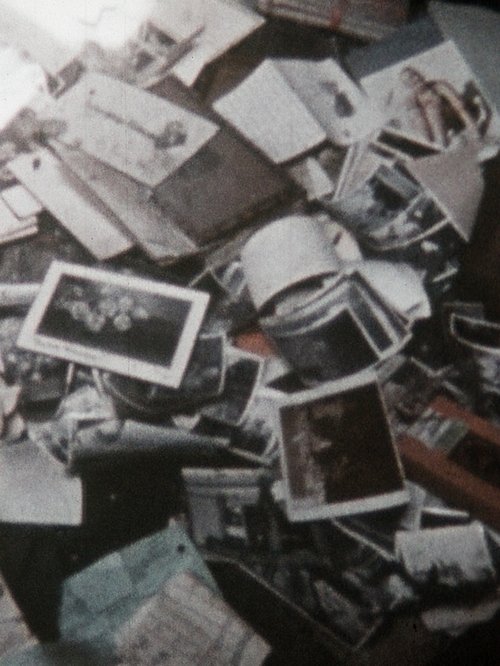
Using photos and letters that the director found in a landfill, she reconstructs in her documentary film the life of Maria Bartel, a Berlin baker born in 1902 who, as the director comments in voice-over, "was in the prime of her life during fascism." In 1920, she moved from the East Prussian province to Berlin with her first husband. After his suicide, she opened a bakery, which she ran until the end of the war in 1945, raised her son, and now has various relationships and love affairs.
Ein Leben
Documentary observations along the course of the Oder River, which—much like the Rhine—has become a river of destiny in Central Europe.
Fremde Oder
Documentary film by Helke Misselwitz.
Meine Liebe, deine Liebe
No description available.
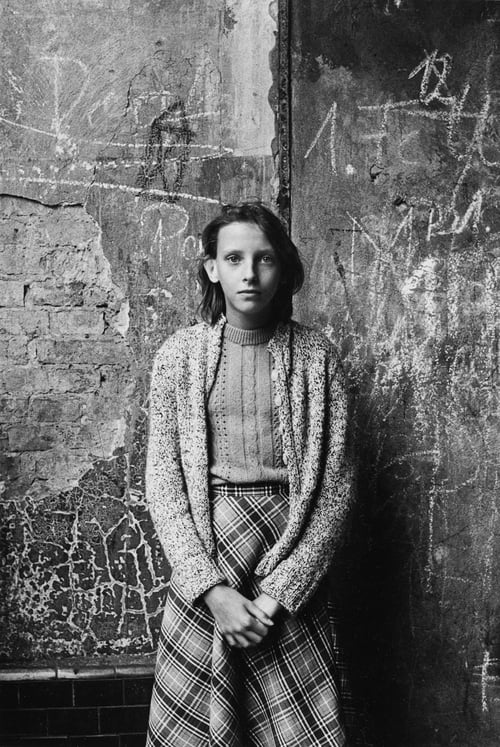
Helga Paris, Fotografin
Sitting at her typewriter, listening to tango music, she dreams. Buenos Aires and Montevideo are far away, a different world where, long ago, the tango came into being. A dream about dance and music, as well as about unfulfilled desire and wanderlust behind the Berlin Wall.
Tango Dream
Student film about hiding Jews during the Second World War.