FEEL IT.STREAM
Hiroshi Inagaki

Hiroshi Inagaki

Directing

Biography

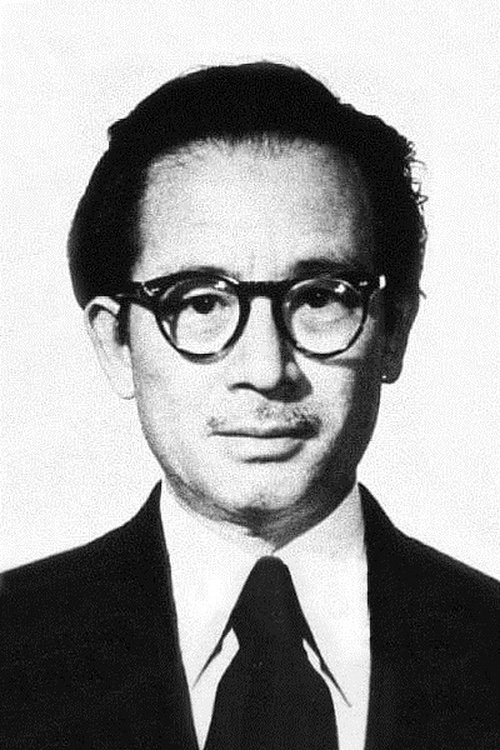
Hiroshi Inagaki (稲垣 浩 Inagaki Hiroshi, 30 December 1905 – 21 May 1980) was a Japanese filmmaker most known for the Academy Award-winning Samurai I: Musashi Miyamoto, which he directed in 1954. Born in Tokyo as the son of a shinpa actor, Inagaki appeared on stage in his childhood before joining the Nikkatsu studio as an actor in 1922. Wishing to become a director, he joined Chiezō Kataoka's Chiezō Productions and made his directorial debut in 1928 with Tenka taiheiki. Returning to Nikkatsu, he continued making jidaigeki and participated in the Naritaki Group of young filmmakers such as Sadao Yamanaka and Fuji Yahiro who collaboratively wrote screenplays under the made up name "Kinpachi Kajiwara". Like others in the group, Inagaki was known for his cheerful and intelligent samurai films. Inagaki later moved to Daiei and then Toho, where he made big budget color spectacles as well as delicate works depicting the feelings of children. He also produced many films and wrote the scripts for dozens of others.
Known For

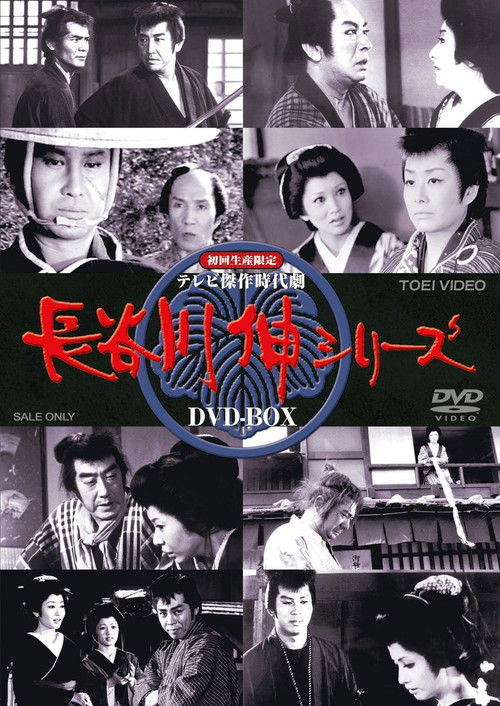
The Shin Hasegawa Series
N/A

From the Taisho era to the Showa 30s, known as the father of popular literature who left many masterpieces and was also a teacher of Shotaro Ikebana and Yumie Hiraiwa, this omnibus work was produced based on the works of Shin Hasegawa and broadcasted from 1972 to 1973 with a total of 30 episodes.

The Shin Hasegawa Series

1972
Samurai III: Duel at Ganryu Island
7.2

A humble and simple Takezo abandons his life as a knight errant. He's sought as a teacher and vassal by Shogun, Japan's most powerful clan leader. He's also challenged to fight by the supremely confident and skillful Sasaki Kojiro. Takezo agrees to fight Kojiro in a year's time but rejects Shogun's patronage, choosing instead to live on the edge of a village, raising vegetables. He's followed there by Otsu and later by Akemi, both in love with him. The year ends as Takezo assists the villagers against a band of brigands. He seeks Otsu's forgiveness and accepts her love, then sets off across the water to Ganryu Island for his final contest.

Samurai III: Duel at Ganryu Island

1956
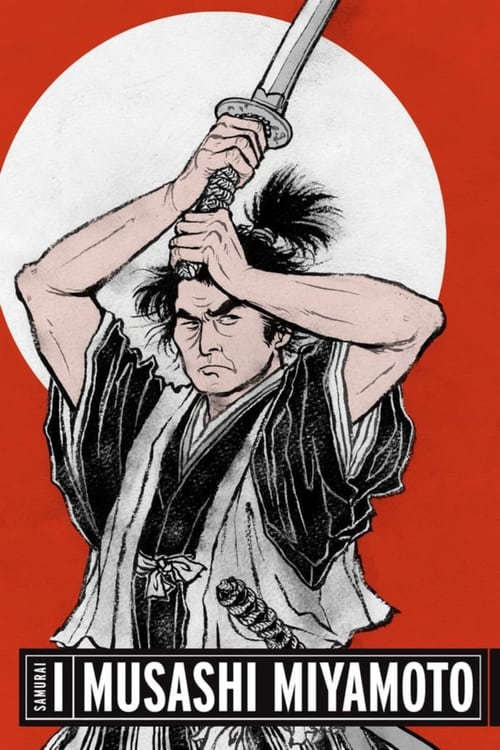
Samurai I: Musashi Miyamoto
7.2

Struggling to elevate himself from his low caste in 17th century Japan, Miyamoto trains to become a mighty samurai warrior.

Samurai I: Musashi Miyamoto

1954
No image
N/A

The straightforward samurai of the hatamoto class, Saotome Mondonosuke, who has a crescent-shaped scar on his forehead, is known as the "Boring Samurai" because of his idleness. Whenever any incident occurs, he appears in his flashy attire and punishes the evildoers with his fighting skills....

The Bored Samurai

1973
The Three Treasures
5.5

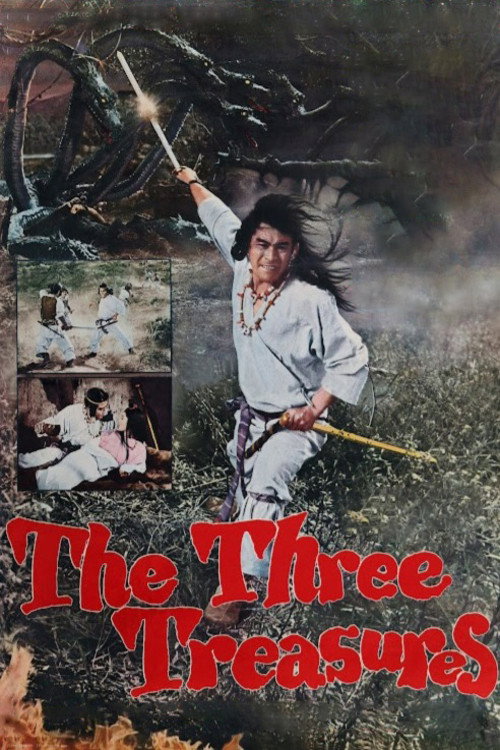
The legend of the birth of Shintoism. In Fourth Century Japan, the Emperor's son Ouso expects to succeed his father on the throne, but Otomo, the Emperor's vassal, prefers Ouso's stepbrother, and conspires to have Ouso die on a dangerous mission he has contrived. But Ouso prevails in the mission and returns to his father's castle under a new name, Prince Yamato Takeru. Otomo plots to have the Prince sent into even greater danger, but Otomo is unaware that the gods have favored the Prince and the outcome is far from what any of them expected.

The Three Treasures

1959
Daredevil in the Castle
7.3

During the raging war between the Toyotomi and Tokugawa clans, the swordsman Mohei (whose family has been completely decimated) is recruited by Toyotomi to overcome the seat of power, Osaka Castle. Mohei's daredevil skills will be put to severe tests.

Daredevil in the Castle

1961
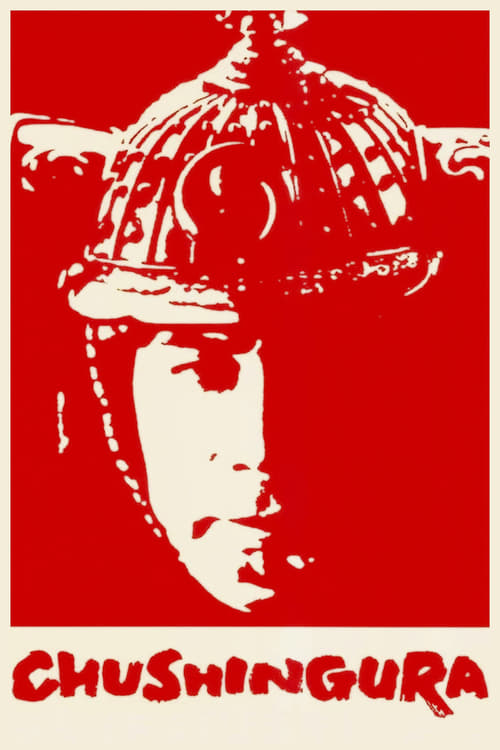
Chûshingura
7.1

After their lord is tricked into committing ritual suicide, forty-seven samurai warriors await the chance to avenge their master and reclaim their honor.

Chûshingura

1962
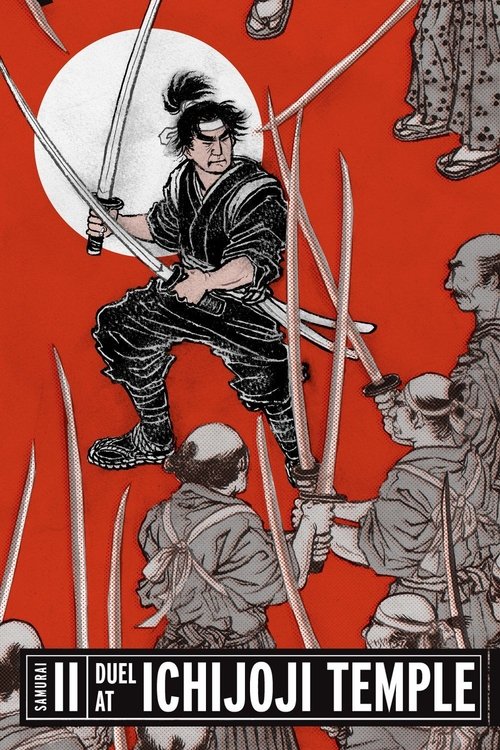
Samurai II: Duel at Ichijoji Temple
7.2

After years on the road establishing his reputation as Japan's greatest fencer, Takezo returns to Kyoto. Otsu waits for him, yet he has come not for her but to challenge the leader of the region's finest school of fencing. To prove his valor and skill, he walks deliberately into ambushes set up by the school's followers.

Samurai II: Duel at Ichijoji Temple

1955
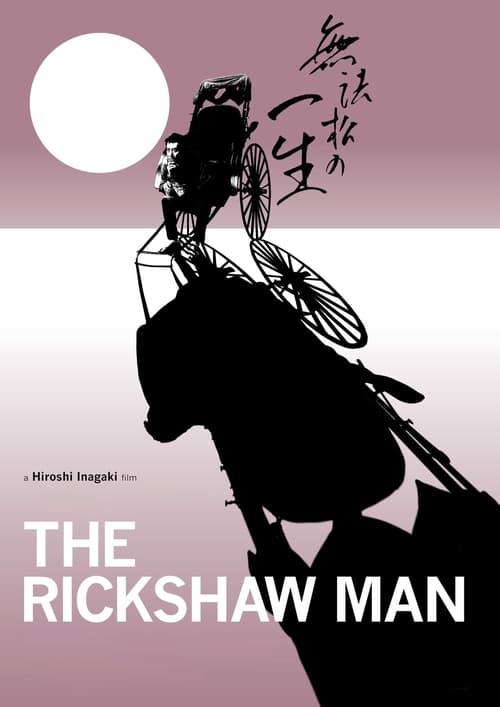
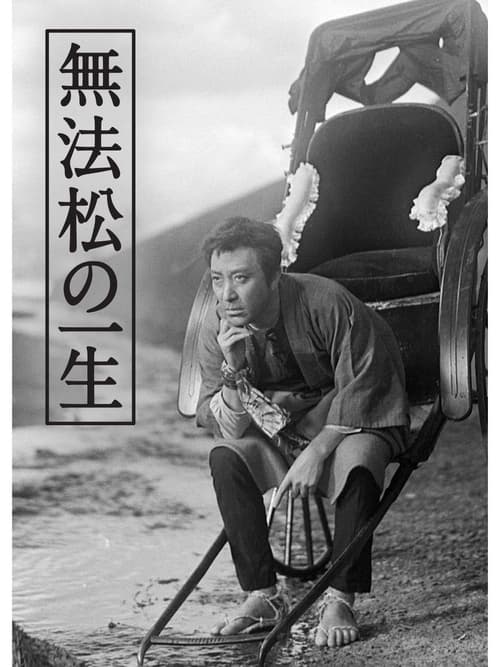
The Rickshaw Man
7.2

A poor rickshaw driver finds himself helping a young woman and her son after the woman's husband dies suddenly.

The Rickshaw Man

1958
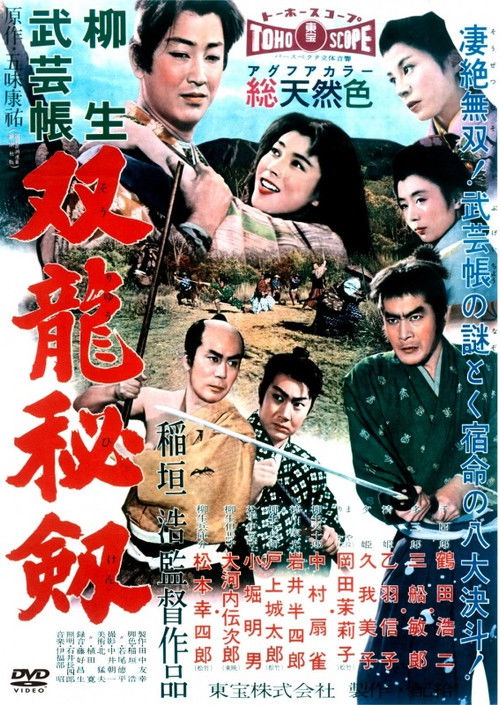
Yagyu Secret Scrolls
6.5

In the Tokugawa Era, the clan of Lord Yagyu has hidden away three scrolls containing clan secrets which, if revealed, would cause revolution and disaster for the clan. The information is divided among the three scrolls, all of which must be possessed for the secrets to be understood. When Princess Yuhime steals the scrolls, Tasaburo, a samurai with magical powers, and his brother Senshiro are sent to retrieve them.

Yagyu Secret Scrolls

1957
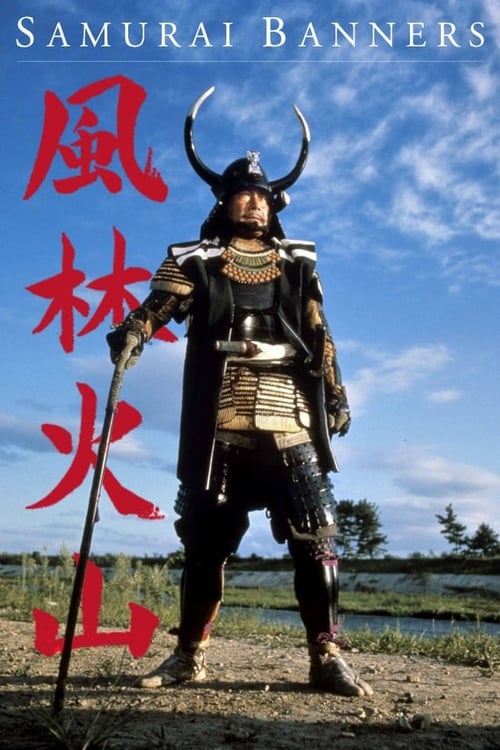
Samurai Banners
7.4

Kansuke Yamamoto is a samurai who dreams of a country united, peaceful from sea to sea. He enters the service of Takeda, the lord of Kai domain. He convinces Takeda to kill the lord of neighboring Suwa and take his wife as a concubine. He then convinces the widow, Princess Yu, to accept this arrangement and to bear Takeda a son. He pledges them his life. He then spends years using treachery, poetic sensibility, military and political strategy to expand Takeda's realm, advance the claim of Yu's son as the heir, and prepare for an ultimate battle with the forces of Echigo. Has Kansuke overreached? Are his dreams, blinded by love, too big?

Samurai Banners

1969
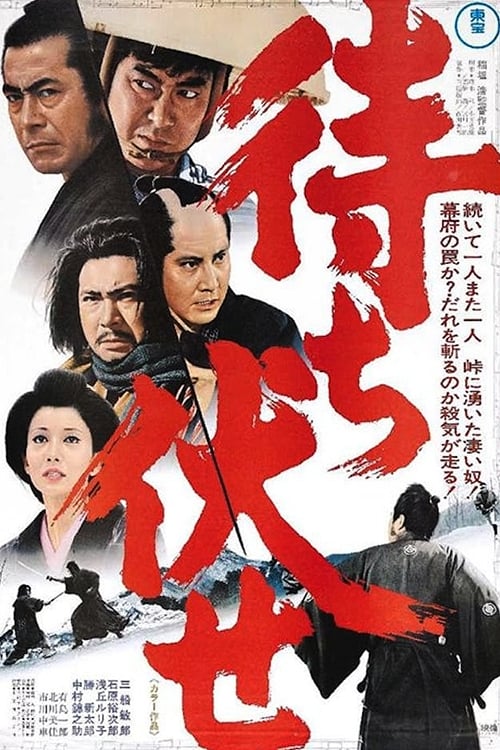
Incident at Blood Pass
6.9

In the Edo period, a nameless ronin accepts an assignment to go to a mountain pass and wait. Near the pass he stops at an inn where a collection of characters gather, including a gang set on stealing shogunate gold that's soon to come over the pass. When the Ronin's assignment becomes clear, to help the gang, he's ordered to kill the inn's residents, including a woman he's rescued from an abusive husband. He's reluctant to murder innocent people; then he learns that the gold shipment is a trap and he's part of a double cross. How he sorts through these divided loyalties tests of his samurai honor, and perhaps of his love for a woman.

Incident at Blood Pass

1970
Tatsu
7.0

1962 Japanese movie

Tatsu

1962
Rebels on the High Sea
9.0

A film by Hiroshi Inagaki.

Rebels on the High Sea

1956
Date Masamune the One-Eyed Dragon
6.3

The life, adventures and exploits of warlord Date Masamune the One-eyed Dragon: his early youth as an aggressive warrior, the battles he won until subduing almost all his enemies, the lonely comprehension of knowing that he actually can not take over the whole country because he was born too late.

Date Masamune the One-Eyed Dragon

1942
Kojiro
8.0

Sasaki Kojiro tells the story of the genius who staked his love, glory, and life on a duel with the supreme master of the sword, Miyamoto Musashi (Tatsuya Nakadai). Oscar winning Hiroshi Inagaki directs this epic motion picture based on Genzo Murakami’s fascinating story. Despite his humble birth, the orphan Sasaki Kojiro (Onoe Kikunosuke) is determined to become the foremost swordsman in all Japan, a title that traditionally belongs to a nobleman. At fencing school, young Kojiro receives the contempt of his classmates because of his superior swordsmanship. When rumors of the upcoming civil war between Toyotomi and Tokugawa clans spread, Kojiro leaves the school and sets out, seizing every opportunity to realize his dream.

Kojiro

1967
Yagyu Secret Scrolls: Ninjitsu - Part II
5.4

In the Tokugawa Era, the clan of Lord Yagyu has hidden away three scrolls containing clan secrets which, if revealed, would cause revolution and disaster for the clan. The information is divided among the three scrolls, all of which must be possessed for the secrets to be understood. When Princess Yuhime steals the scrolls, Tasaburo, a samurai with magical powers, and his brother Senshiro are sent to retrieve them. In Part II, the search for the scrolls continues.

Yagyu Secret Scrolls: Ninjitsu - Part II

1958
The Rabble
10.0

1964 Japanese movie

The Rabble

1964
Rise Against the Sword
6.3

Farmer Abare Goemon is confronted by brigand-like samurai. He raises an army of farmers to fight them and does so brilliantly. When Lord Asakura sees the success Goemon has achieved, he attempts to recruit him to fight in a conflict between Asakura and another clan. Goemon refuses, and Lord Asakura sets out to destroy him.

Rise Against the Sword

1966
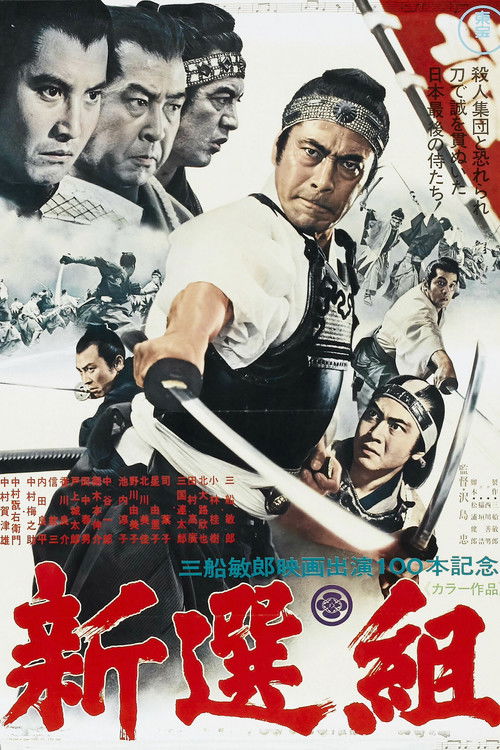
Shinsengumi: Assassins of Honor
6.9

Near the end of the nineteenth century, as the balance of power shifts from Shogunate towards the Emperor, Japan restlessly awaits the dawning of a new age. But not all are content...The Shinsengumi, a small army of samurai, farmers and peasants, band together to do battle against the tide of history. Their leader, Isami Kondo is a man who rises from farmer to fighter to head the fierce Shinsengumi brigade. Using a stern hand and a heart of gold, he rallies his men in defense of the tottering Shogunate. But bloodshed and treachery lurk around every corner.

Shinsengumi: Assassins of Honor

1969