Directing
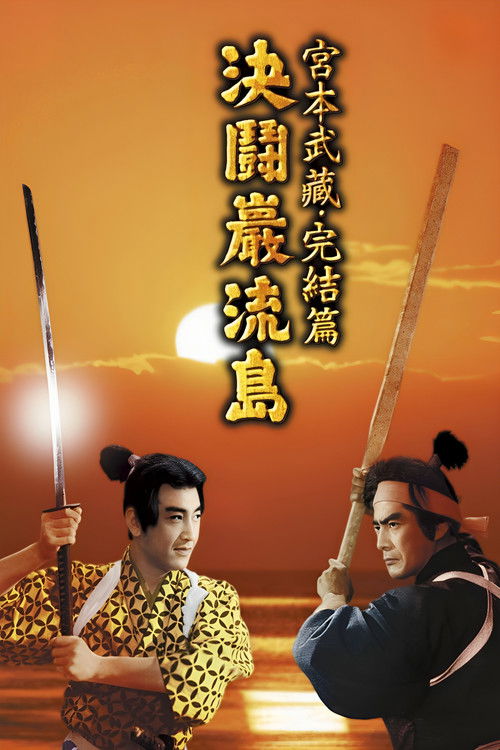
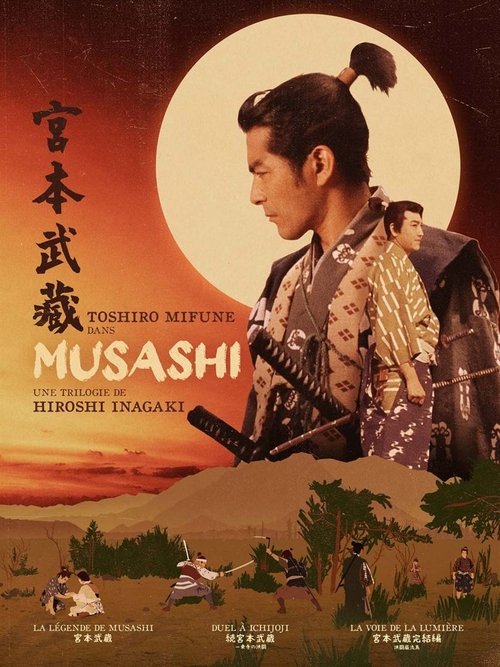
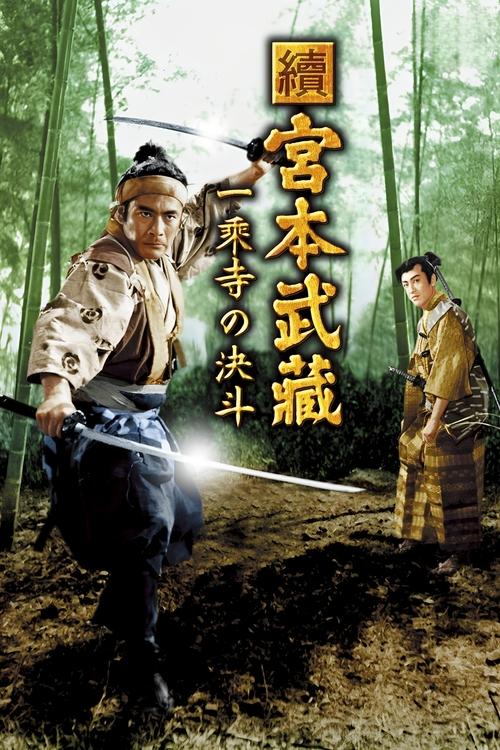
Takezo renonce à son statut de samouraï errant pour mener une vie paisible et modeste auprès de sa bien-aimée Otsu, refusant ainsi de devenir maître d'armes pour le chef du clan le plus puissant du Japon. Il accepte toutefois d'affronter le jeune et talentueux guerrier Sasaki Kojiro. Le combat final aura lieu sur l'île de Ganryu.
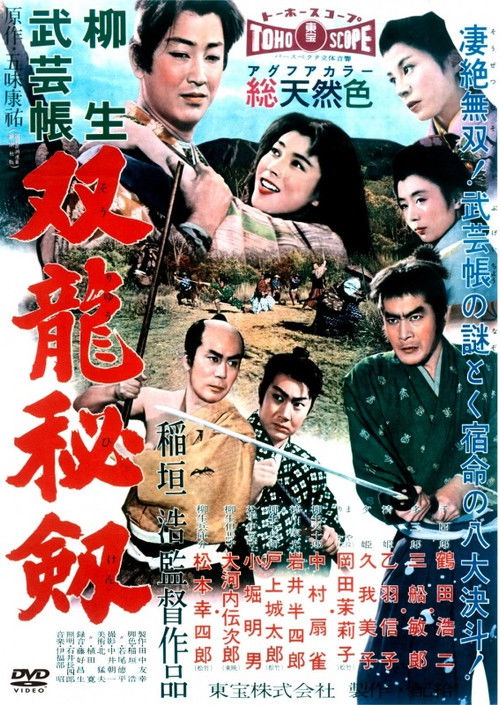
La mission de récupération des parchemins secrets des deux ninjas Senshiro et Tasaburo continue. Ce dernier, tombé amoureux de la princesse, s'enfuie avec sa bien-aimée toujours en possession de l'un des rouleaux et Senshiro se lance à sa poursuite.
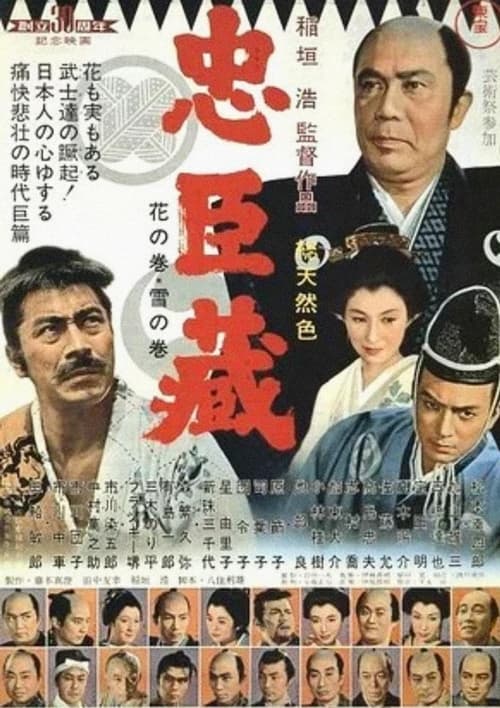
L'histoire raconte l'histoire d'un groupe de samouraïs qui se sont retrouvés sans chef (devenus ronin) après que leur daimyo (seigneur féodal) ait été forcé de commettre un seppuku (suicide rituel) pour avoir agressé un fonctionnaire de la cour nommé Kira Yoshinaka, dont le titre était Kōzuke no suke. Les ronin ont vengé l'honneur de leur maître après avoir patiemment attendu et planifié pendant plus d'un an pour tuer Kira. À leur tour, les ronin ont eux-mêmes été contraints de commettre un seppuku pour avoir commis le crime de meurtre.
Aucune description disponible.
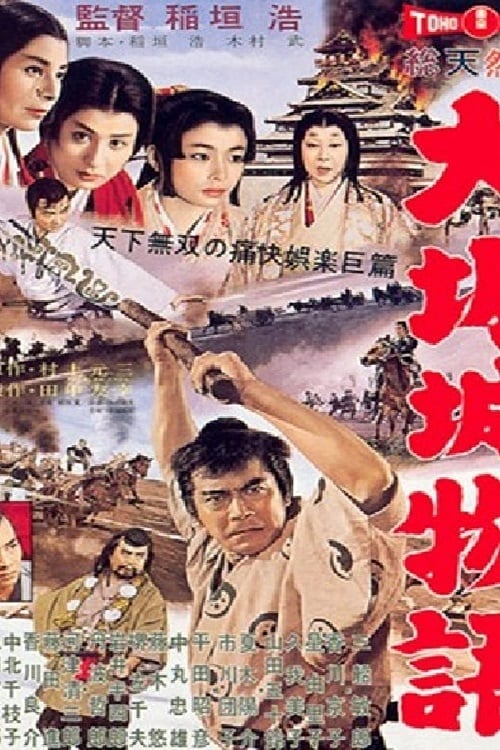
La guerre entre les clans Toyotomi et Tokugawa fait rage. Le sabreur Mohei, dont la famille a été entièrement décimée, est recruté par les Toyotomi pour venir à bout du siège du château d'Osaka. Les talents de casse-cou de Mohei seront mis à rudes épreuves.
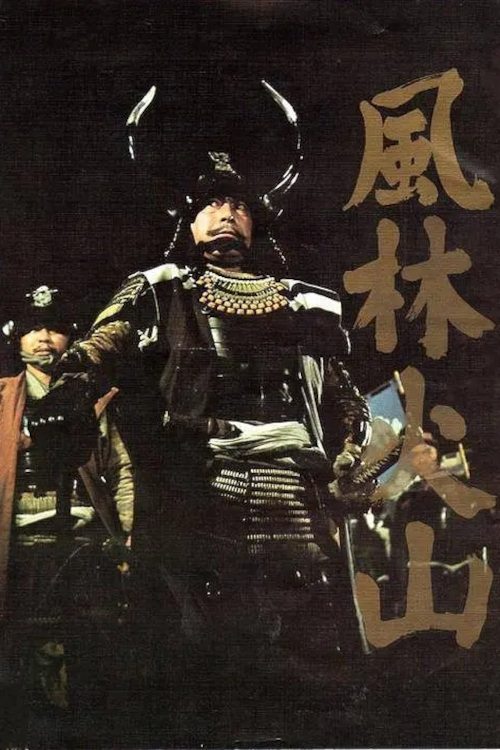
Le Japon entre 1543 et 1562. Kansuke Yamamoto rêve d'un pays unifié et apaisé. Il entre au service du chef de clan Shingen Takeda et devint son général et conseiller, prêt à parvenir à son but par tous les moyens.
Japon, 1600. Jeune homme fruste rejeté par les siens, Takezo rêve de devenir samouraï pour recueillir gloire et honneurs. Avec son ami Matahachi, il part au combat mais se retrouve rapidement du côté des vaincus. Contraints de fuir, les deux hommes trouvent refuge chez la veuve Oko et sa fille Akemi. Alors que Matahachi décide de rester auprès d’elles, abandonnant par là sa promise Otsu, Takezo retourne seul au village où il sera très mal accueilli…
Takezo, rebaptisé Musashi Miyamoto, est devenu un samouraï hors pair. Depuis des années, il parcourt le pays au gré de ses affrontements dont il sort toujours vainqueur. Le voici désormais à Kyoto pour combattre maître Yoshioka. Dans la grande ville, il retrouve ses deux soupirantes : la vertueuse Otsu, ancienne fiancée de Matahachi, et la jeune Akemi, également courtisée par Yoshioka. Alors que l’affrontement entre les deux hommes est sans cesse repoussé, la violence autour de Musashi ne fait que croître...
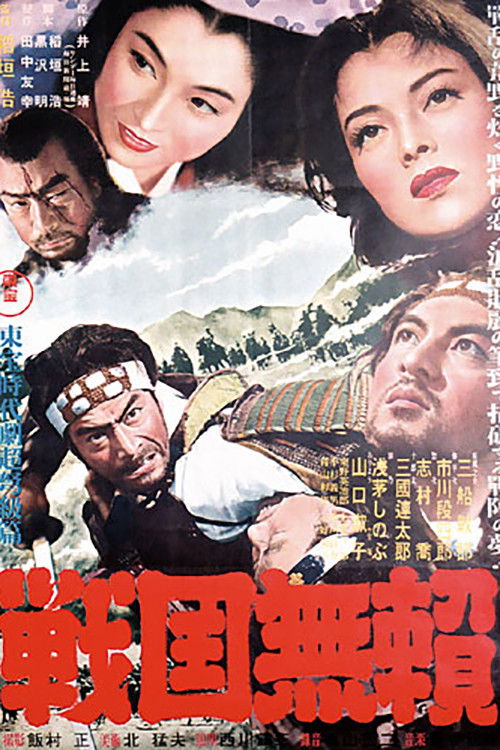
Japon, automne 1573. Le Château d'Odani du clan Azai est assiégé par l'armée d'Oda Nobunaga. Trois soldats du camp assiégé connaissent des fortunes diverses. Sasa Hayatenosuke ne peut se résoudre à faillir à son devoir malgré les suppliques de Kano, la femme qu'il aime. Hayatenosuke promet de tout faire pour survivre à l'affrontement à venir et confie Kano à Tachibana Jurota un soldat un peu couard qui ne veut pas mourir au combat et tous deux s’enfuient du château la nuit précédent la bataille décisive. Le lendemain l'armée du clan Azai est défaite, Kagami Yakeiji est fait prisonnier mais parvient à tuer son geôlier et à s'enfuir. Sasa Hayatenosuke est quant à lui blessé au combat. Il est recueilli et soigné par Oryo, qui avec son père est à la tête d'une bande de pillards qui dépouille les soldats tués au combat.
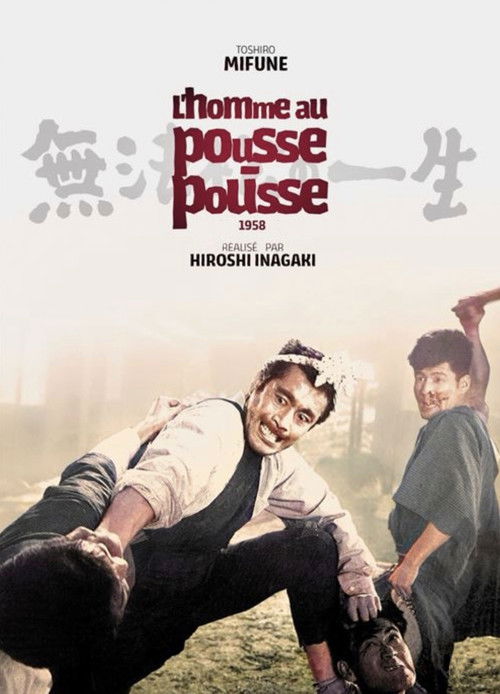
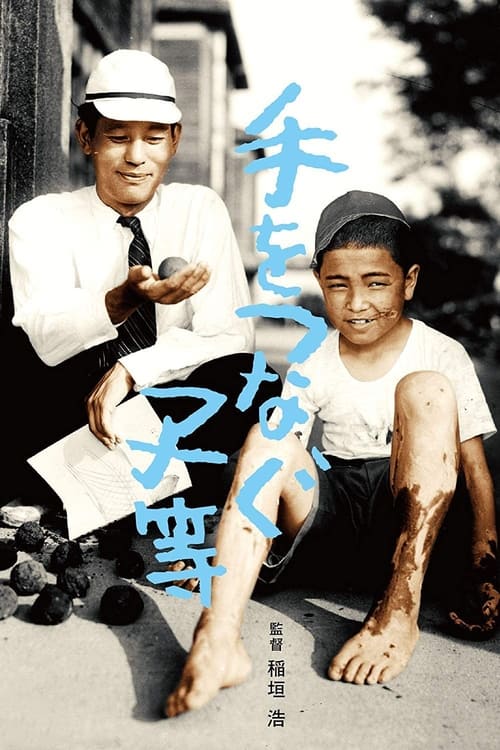
Matsugoro est un pauvre conducteur de pousse-pousse. Sa vivacité d'esprit et son tempérament optimiste en font une personne appréciée des habitants de sa ville. Un jour, Matsu se porte au secours d'un garçon blessé, Toshio. Les parents, Kotaro et Yoshioko, louent ses services pour transporter le garçon chez le médecin et le ramener. Matsu se prend d'affection pour cette famille. Quand le père de Toshio meurt, Matsu devient comme un père de remplacement pour le garçon, qu'il contribue à élever. Il tombe secrètement amoureux de Yoshioko, mais est conscient qu'il y a un fossé de classe entre eux. Matsu pense qu'il ne sera jamais qu'un conducteur de pousse-pousse pour elle et son fils.
Le vagabondage de Ryunosuke Tsukue se poursuit à travers le Japon, alors qu'il est traqué par Hyoma, le jeune frère du samouraï qu'il a froidement assassiné, et qu'il commence à sombrer dans une démence meurtrière.
Abare Goemon est un paysan qui est à la tête d'un petit clan. Fermement opposé à une voie diplomatique avec les samourais, il refuse de former une alliance dans la paix. Les choses vont alors se compliquer à la suite de son inacceptation ...