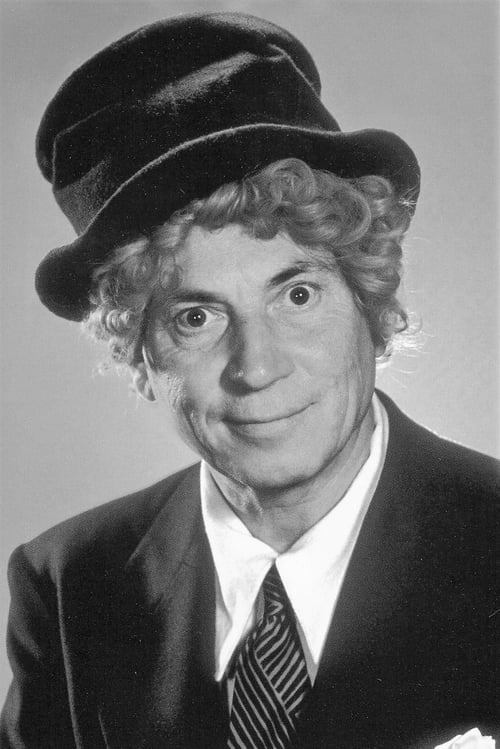
Harpo Marx
Acting
Biography
Arthur Adolph "Harpo" Marx (November 23, 1888 – September 28, 1964) was an American comedian and film star. He was the second oldest of the Marx Brothers. His comic style was influenced by clown and pantomime traditions. He wore a curly reddish wig, and never spoke during performances (he blew a horn or whistled to communicate). Marx frequently used props such as a walking stick with a built-in bulb horn, and he played the harp in most of his films. Description above from the Wikipedia article Harpo Marx, licensed under CC-BY-SA, full list of contributors on Wikipedia.
Known For

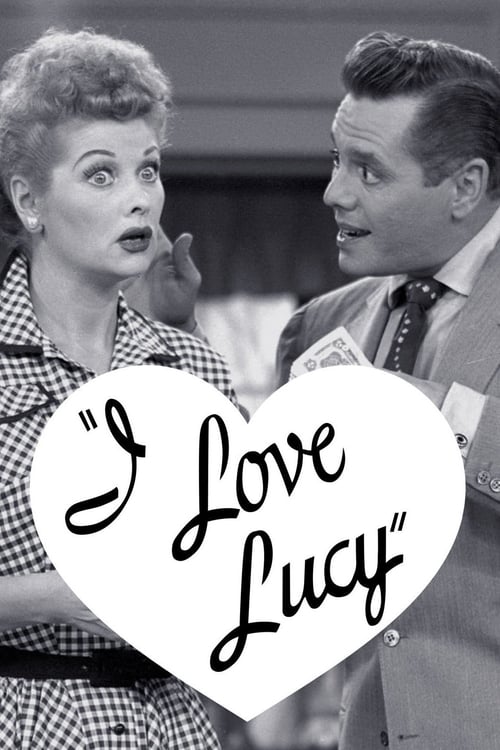
Cuban Bandleader Ricky Ricardo would be happy if his wife Lucy would just be a housewife. Instead she tries constantly to perform at the Tropicana where he works, and make life comically frantic in the apartment building they share with landlords Fred and Ethel Mertz, who also happen to be their best friends.
I Love Lucy

The Ed Sullivan Show is an American TV variety show that originally ran on CBS from Sunday June 20, 1948 to Sunday June 6, 1971, and was hosted by New York entertainment columnist Ed Sullivan. It was replaced in September 1971 by the CBS Sunday Night Movie, which ran only one season and was eventually replaced by other shows. In 2002, The Ed Sullivan Show was ranked #15 on TV Guide's 50 Greatest TV Shows of All Time.
The Ed Sullivan Show

The Colgate Comedy Hour is an American comedy-musical variety series that aired live on the NBC network from 1950 to 1955. The show starred many notable comedians and entertainers of the era, including Eddie Cantor, Dean Martin and Jerry Lewis, Fred Allen, Donald O'Connor, Bud Abbott and Lou Costello, Bob Hope, Jimmy Durante, Ray Bolger, Gordon MacRae, Ben Blue, Robert Paige, Tony Curtis, Burt Lancaster, Broadway dancer Wayne Lamb and Spike Jones and His City Slickers.
The Colgate Comedy Hour

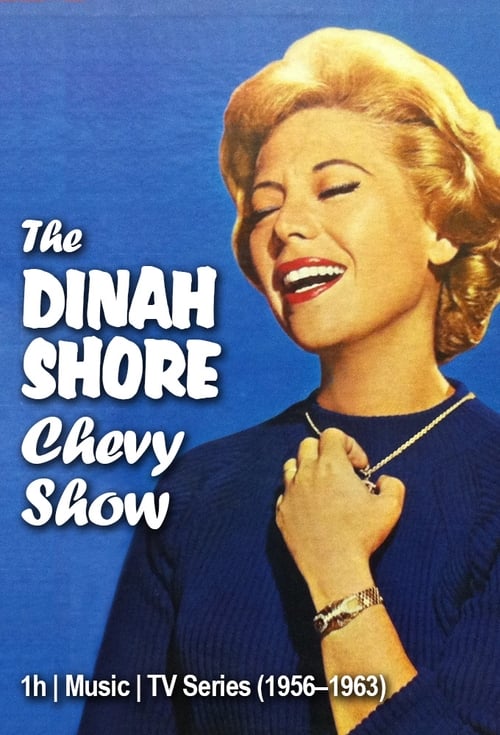
The Dinah Shore Chevy Show is an American variety series hosted by Dinah Shore, and broadcast on NBC from October 1956 to June 1963. The series was sponsored by the Chevrolet Motor Division of General Motors and its theme song, sung by Shore, was "See the U.S.A. in Your Chevrolet", which continued to be used in Chevrolet advertising for several more years after the cancellation of the show.
The Dinah Shore Chevy Show

The DuPont Show with June Allyson is an American anthology drama series which aired on CBS from September 21, 1959 to April 3, 1961 with rebroadcasts continuing until June 12, 1961. The series was hosted by actress June Allyson.
The DuPont Show with June Allyson

DuPont Show of the Month is an acclaimed 90-minute television anthology series that aired monthly on CBS from 1957 to 1961. The DuPont Company also sponsored a weekly half-hour anthology drama series hosted by June Allyson, The DuPont Show with June Allyson. During the Golden Age of Television, DuPont Show of the Month was one of numerous anthology series telecast between 1949 and 1962. Superficially, it resembled Playhouse 90 and other anthologies, but DuPont Show of the Month focused less on contemporary dramas and more on adaptations of literary classics, including Oliver Twist, The Prince and the Pauper, Billy Budd, The Prisoner of Zenda, A Tale of Two Cities and The Count of Monte Cristo.
DuPont Show of the Month

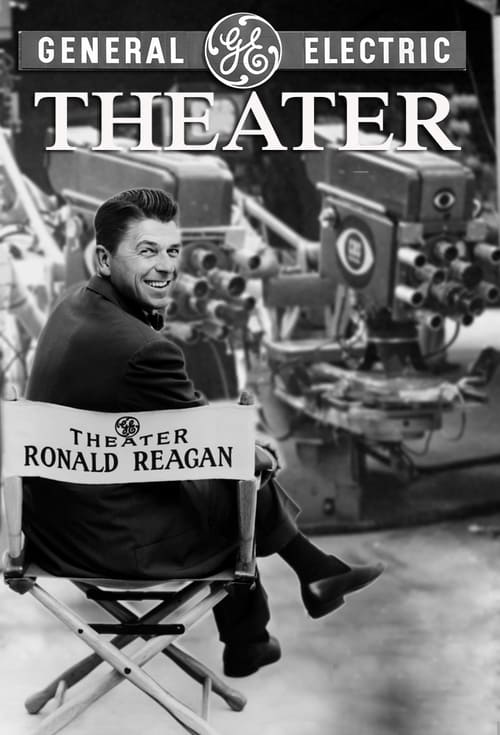
General Electric Theater is an American anthology series hosted by Ronald Reagan that was broadcast on CBS radio and television. The series was sponsored by General Electric's Department of Public Relations.
General Electric Theater

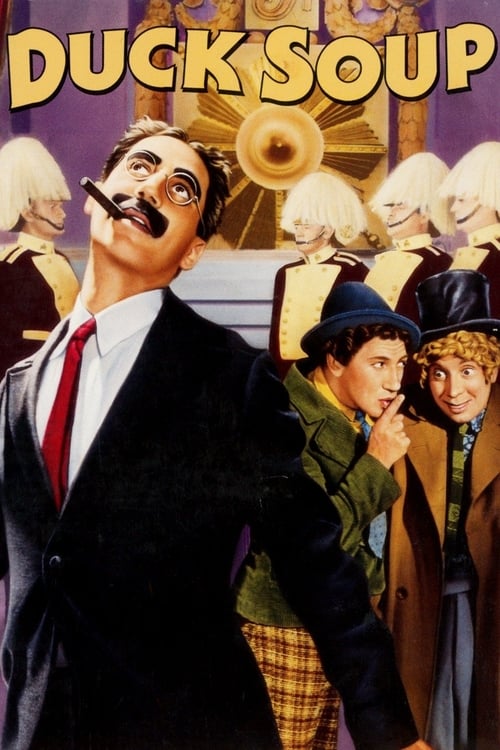
Rufus T. Firefly is named president/dictator of bankrupt Freedonia and declares war on neighboring Sylvania over the love of wealthy Mrs. Teasdale.
Duck Soup

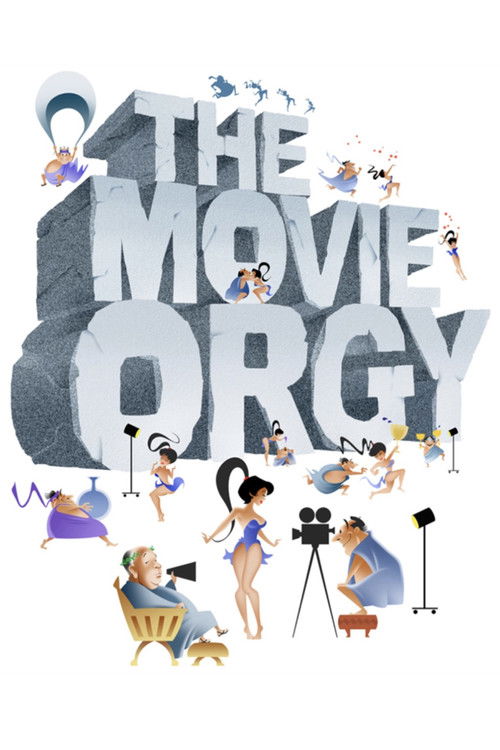
Clips from assorted television programs, B-movies, commercials, music performances, newsreels, bloopers, satirical short films and promotional and government films of the 1950s and 1960s are intercut together to tell a single story of various creatures and societal ills attacking American cities.
The Movie Orgy

Period music, film clips and newsreel footage combined into a visual exploration of the American entertainment industry during the Great Depression.
Brother, Can You Spare a Dime?

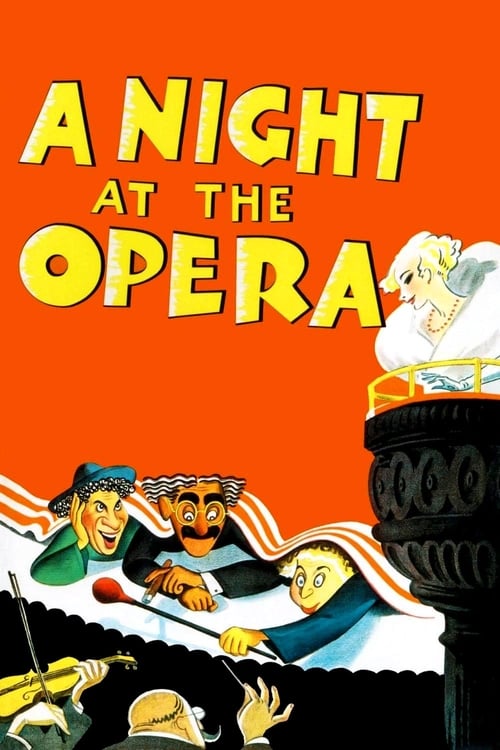
The Marx Brothers take on high society and the opera world to bring two lovers together. A sly business manager and two wacky friends of two opera singers help them achieve success while humiliating their stuffy and snobbish enemies.
A Night at the Opera

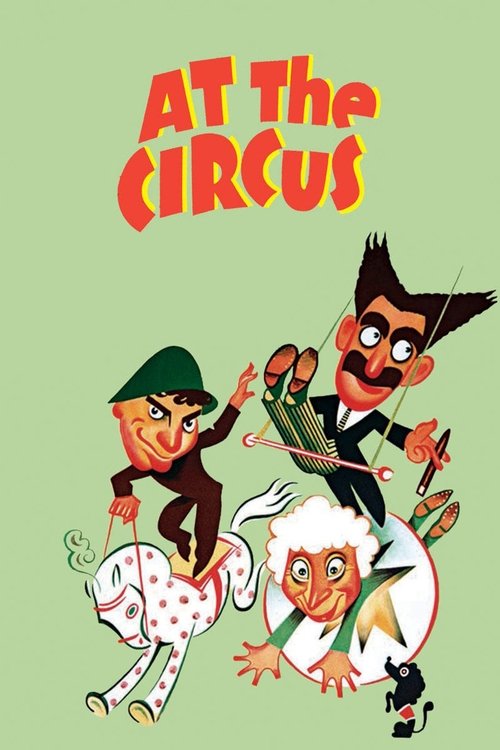
Jeff Wilson, the owner of a small circus, owes his partner Carter $10,000. Before Jeff can pay, Carter's accomplices steal the money so he can take over the circus. Antonio Pirelli and Punchy, who work at the circus, together with lawyer Loophole try to find the thief and get the money back.
At the Circus

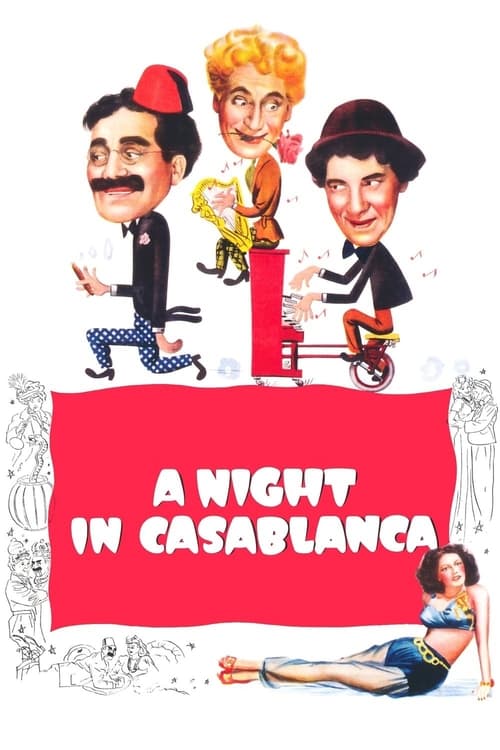
The Marx Brothers are employed at a hotel in postwar Casablanca, where a ring of Nazis is trying to recover a cache of stolen treasure.
A Night in Casablanca

La Fiesta de Santa Barbara is a 1935 American comedy short film directed by Louis Lewyn. It was nominated for an Academy Award at the 9th Academy Awards in 1936 for Best Short Subject (Color). It features a young, pre-stardom 13-year-old Judy Garland singing "La Cucaracha" with her two sisters (billed as "The Garland Sisters"). In the film, Hollywood stars participate in a Mexican-themed revue and festival in Santa Barbara. Andy Devine, the "World's Greatest Matador," engages in a bullfight with a dubious bovine supplied by Buster Keaton, and musical numbers are provided by Joe Morrison and The Garland Sisters. Comedy bits and dance numbers are also featured.
La Fiesta de Santa Barbara

Robert Preston hosts this documentary that shows what people of the 1930s were watching as they were battling the Depression as well as eventually getting ready for another World War.
Going Hollywood: The '30s

An MGM short showing how materials are shipped by boat 'From the Ends of the Earth' to Hollywood. Featuring footage from the MGM films being made at the time. Such as The Women, Thunder Afloat, Siren of the Tropics, Ninotchka, Northwest Passage, and At the Circus.
From the Ends of the Earth

Gene Kelly and Fred Astaire present more golden moments from the MGM film library, this time including comedy and drama as well as classic musical numbers.
That's Entertainment, Part II

Out-takes (mostly from Warner Bros.), promotional shorts, movie premieres, public service pleas, wardrobe tests, documentary material, and archival footage make up this star-studded voyeuristic look at the Golden age of Hollywood during the 30s, 40, and 50.
Hollywood Out-takes and Rare Footage

A collection of bloopers and outtakes from an enormous selection of Hollywood classic productions spanning from the 1930s through the 1980s.
Oops, Those Hollywood Bloopers!

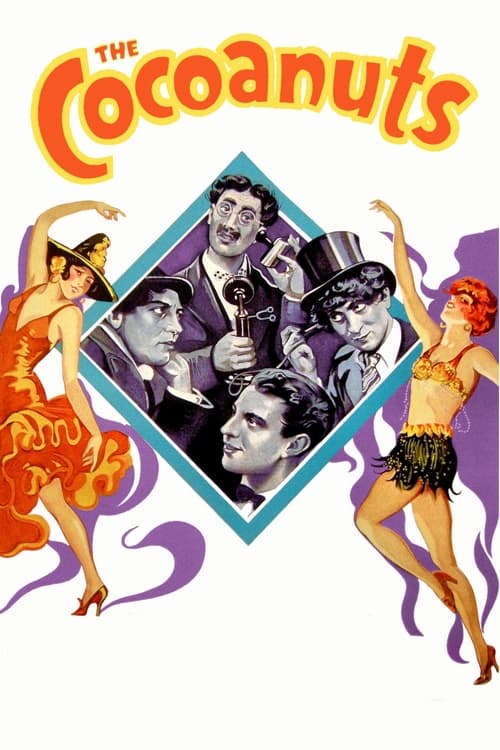
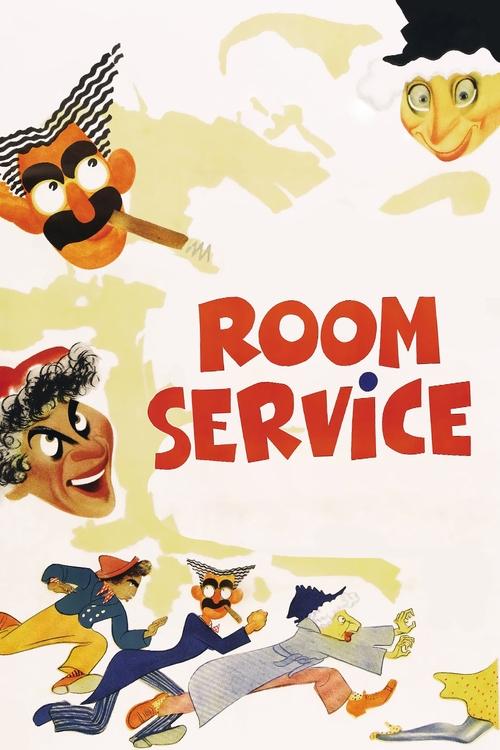
Broke Gordon Miller tries to land a backer for his new play while he has to deal with with the hotel manager trying to evict him and his cast.