Acting
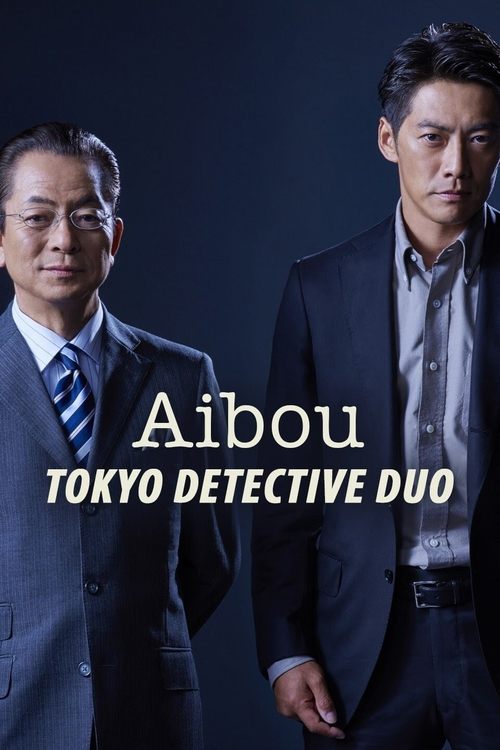
Detective Ukyo Sugishita confronts crime on the basis of his own convictions. He has a partner that works for him in the Special Task Unit. For the first 7 seasons, Ukyo’s first partner is Kaoru Kameyama. He is a good-natured, hot-tempered, straightforward and somewhat scattered detective. Beginning in Season 8, Takeru Kanbe replaces Kameyama. Contrary to his predecessor, Takeru is a lanky, cool, conceited and confident detective. From Season 11 to Season 13, Ukyo’s partner is a young detective Toru Kai. Toru is a son of Deputy Director-General of The National Police Agency. But he became a detective by his own effort. And starting with Season 14, Ukyo’s current partner is Wataru Kaburagi, an elite bureaucrat who came to the Metropolitan Police Department on temporary assignment. As the first partner without any career of a police officer, he will face challenging cases together with Ukyo.
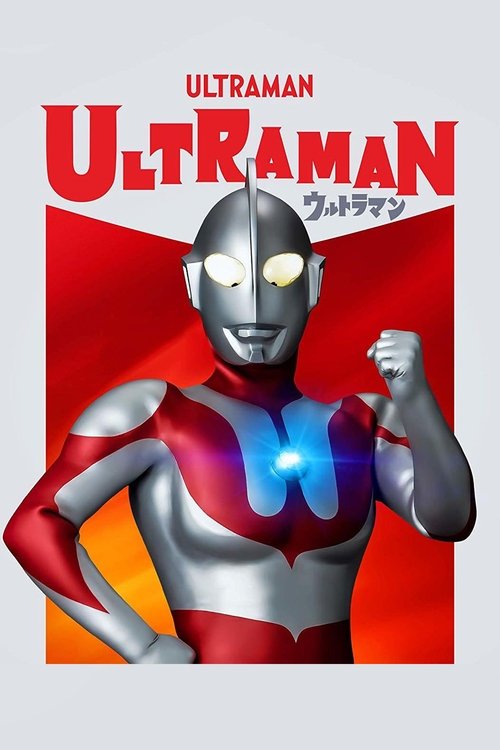
Hayata is a member of the Science Patrol, an organization tasked with investigating bizarre anomalies. He is mortally wounded when accidently encountering an alien being from Land of Light, who grants Hayata new life as the two are merged into one. Now, whenever a threat arises that is too great for the Science Patrol to handle, Hayata activates the beta capsule and becomes the hero known as Ultraman.
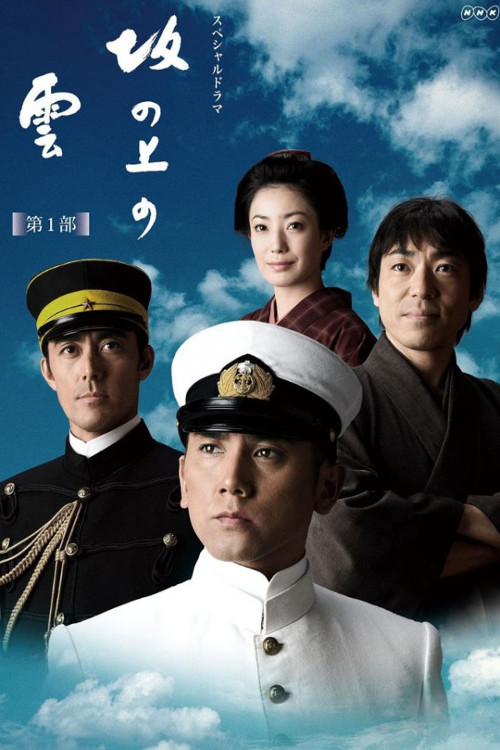
Saka no Ue no Kumo is an NHK 21st Century special drama which was aired over three years starting from November 29, 2009. The series runs 13 episodes at 90 minutes each. The first series, with 5 episodes, was broadcast in 2009, while series two and three, each with 4 episodes, were broadcast in late 2010 and 2011. While most episodes were shot in Japan, one of the episodes in series two was shot in Latvia. The TV series is based on the novel Saka no ue no kumo by Ryōtarō Shiba and adopted by Hisashi Nozawa. The theme song of the drama series is titled "Stand Alone". It was composed by Joe Hisaishi, written by Kundo Koyama and performed by British soprano singer Sarah Brightman.
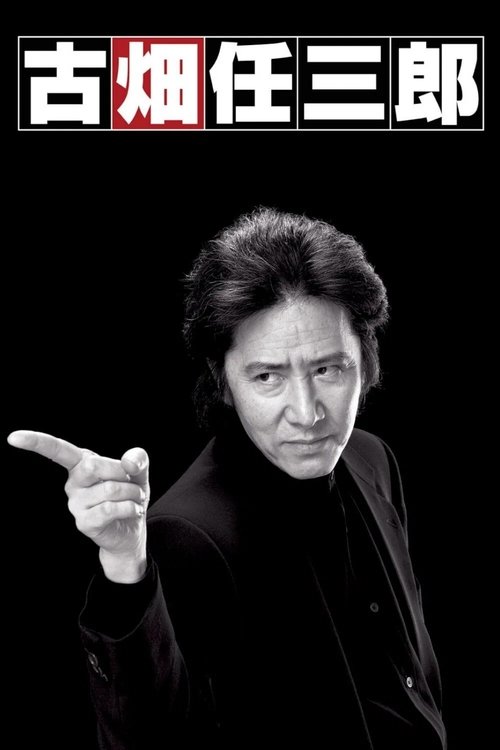
Furuhata Ninzaburō is a Japanese television series that ran periodically on Fuji Television from 1994 until its final episodes in 2006. It was written by Japanese playwright Kōki Mitani and is often referred to as the Japanese version of Columbo. The series is a police detective drama starring actor Masakazu Tamura as Furuhata Ninzaburo and Masahiko Nishimura as his stereotypically bumbling sidekick, Shintaro Imaizumi. The program aired weekly and featured a guest villain each time, usually a famous talent in Japan. Pop-stars like SMAP, television hosts like Sanma Akashiya and even sports figures like Ichiro Suzuki have been featured on this program. It was one of the most popular television dramas in the history of Japanese television, having spawned several seasons and TV specials.
No description available.
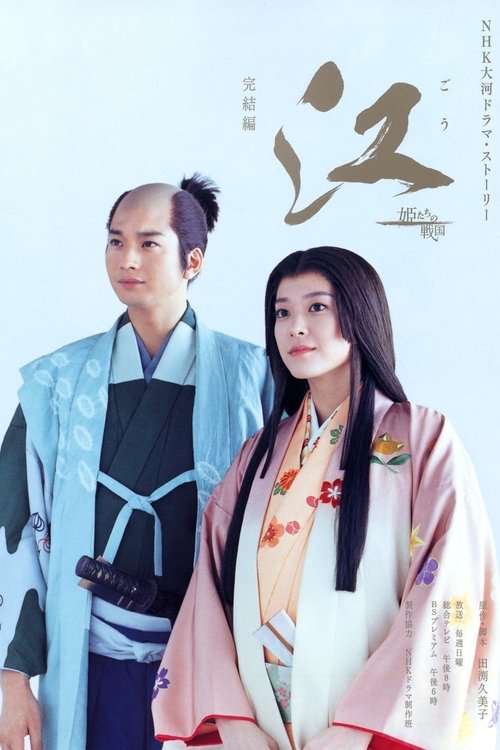
Princess Go was the youngest of the most famous three sisters in Japanese history, who each led a remarkable life in an age of turmoil and civil war. Go loses her parents in the war, marries three times, and feuds with her own sister in competing for power. Go's husband becomes the second Tokugawa Shogun and she ensures her prominence as she gives birth to a son who later becomes the third Shogun and a daughter, a wife of the Emperor. The drama describes the age of the civil war through the eyes of Princess Go, who plays a significant part in establishing the age of peace that lasts over 200 years in Japan.
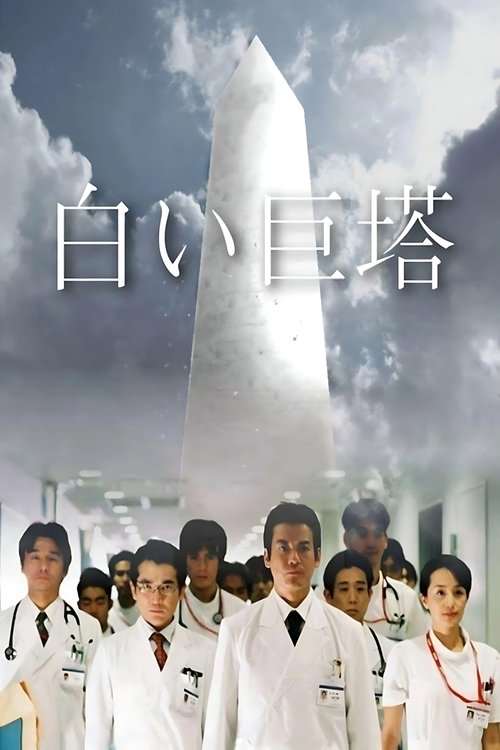
Two surgeons with contrasting objectives are asked to work together in a city hospital. While one of them strives to achieve fame and power through his work, the other wants to save human lives.
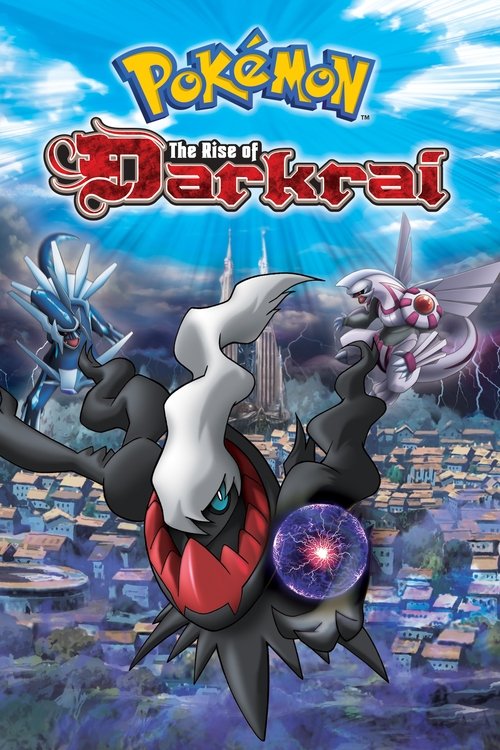
Ash and friends (this time accompanied by newcomer Dawn) arrive at an idyllic village on their way to their next Pokemon contest, where chaos will soon erupt with the prophecy of two Pokemon Gods (Dialga and Palkia) and the arrival of a mysterious, seemingly deadly Pokemon named Darkrai, which has the power to distort space and time.
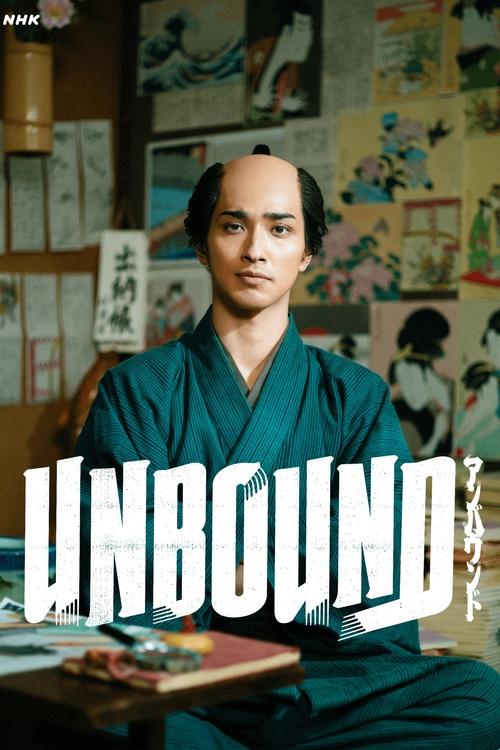
In 18th-century Edo, Tsutaya Juzaburo rises from a poor background to become a leading publisher. Despite political changes threatening his career, he works to shape Edo’s cultural scene through innovative books and collaborations with artists.
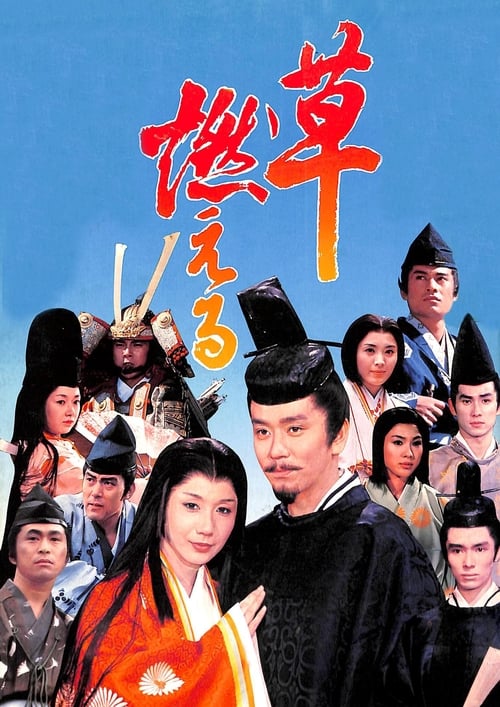
The story chronicles the life of Hōjō Masako during the Kamakura Period.
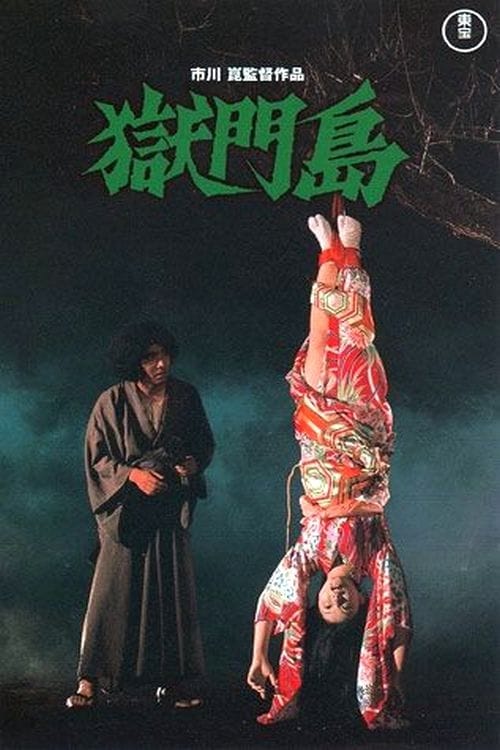
A scruffy detective investigates the murders of three sisters on a small Japanese island in 1946.
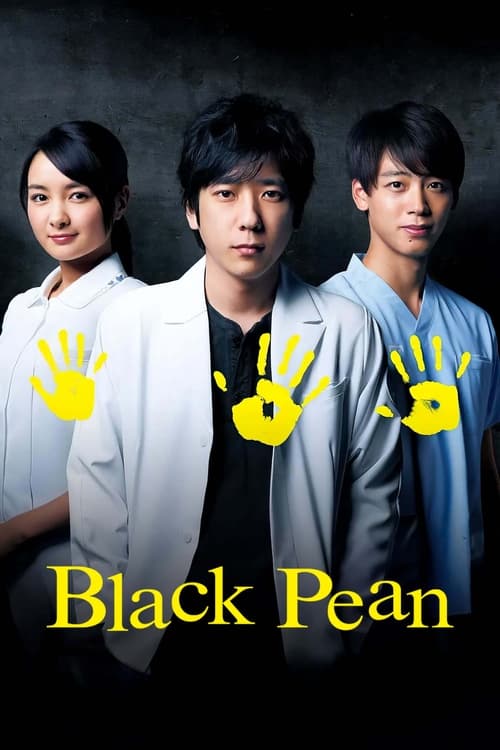
Seishiro Tokai (Kazunari Ninomiya) works as a surgeon at a university hospital. He possesses excellent technique with suture and carries a surgery success rate of 100%. Due to his arrogant attitude and personality, he comes into conflict with those around him. A new doctor tries to introduce the latest medical device for surgery, which doesn't need a surgeon's hand. Seishiro Tokai is skeptical of the device. He faces the university hospital administration and reveals corruption and hidden past behind the medical device.
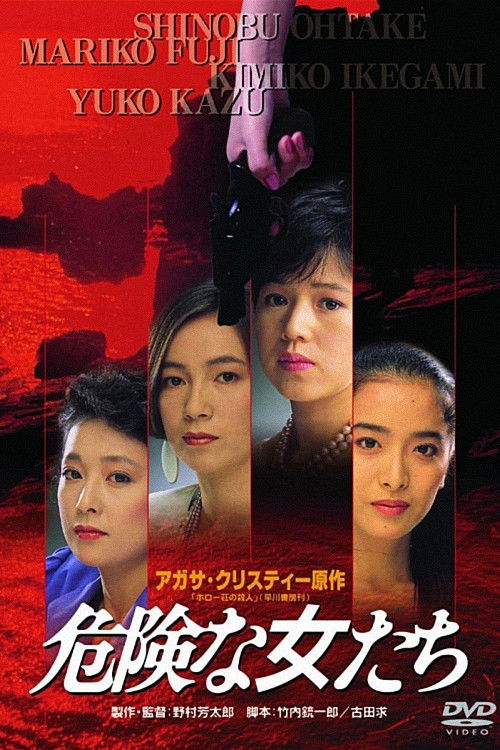
Shuhei, a mystery writer, is invited to a dinner party at a country house. The guests include Tanase and his wife Noriko. Next day, Tanase is shot and Noriko with a gun stands near him. Tanase calls one of the guest's name and dies.
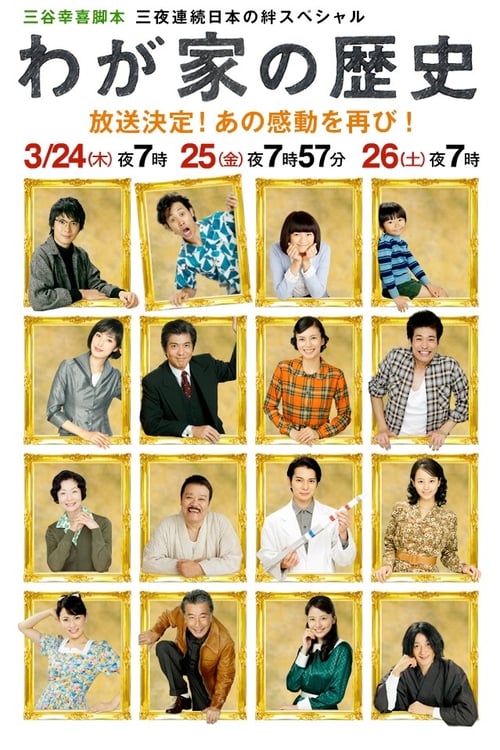
Wagaya no Rekishi is a Japanese three-part television mini-series, shown on Fuji TV from April 9, 2010 to April 11, 2010 to celebrate its 50th Anniversary. The show was known for its star-studded cast.
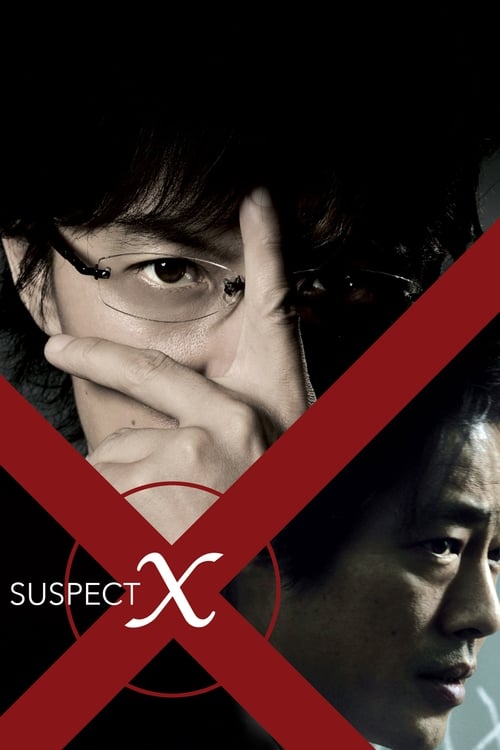
A male corpse is discovered with a smashed face and burned hands. Strangely, the cause of death is determined to be strangulation. When Detective Kaoru Utsumi attempts to corroborate the victim’s ex-wife’s alibi she discovers the mysterious neighbor and only a few small clues to help her disprove a seemingly "airtight" alibi...
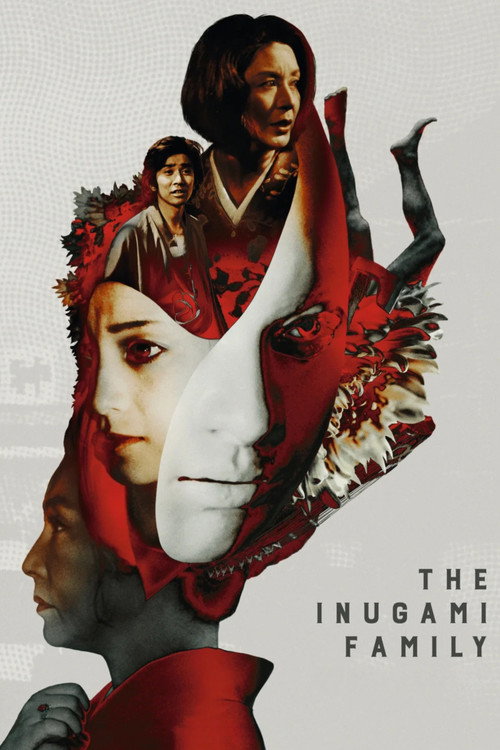
When a tycoon passes away, he unexpectedly leaves the family fortune to outsider Tamayo on the condition that she marries one of the grandsons, pitting blood against blood.
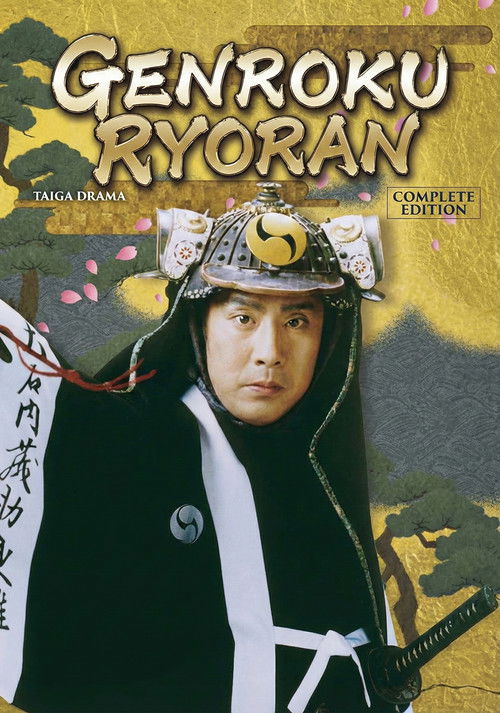
The 38th NHK Taiga Drama is Genroku Ryoran. The "Forty-seven Loyal Samurai" is one of the most enduring and best loved stories of Japan's history. Generations have grown up hearing the stirring tale of Oishi Kuranosuke, chief councillor of the Ako clan who leads his men through suffering and hardship to ultimately avenge their lord after he is unjustly forced to commit harakiri. NHK's 38th Taiga Drama "Genroku Ryoran" is the ambitious remake of this classic epic and boasts a cast that reads like a Who's Who in Japanese entertainment.
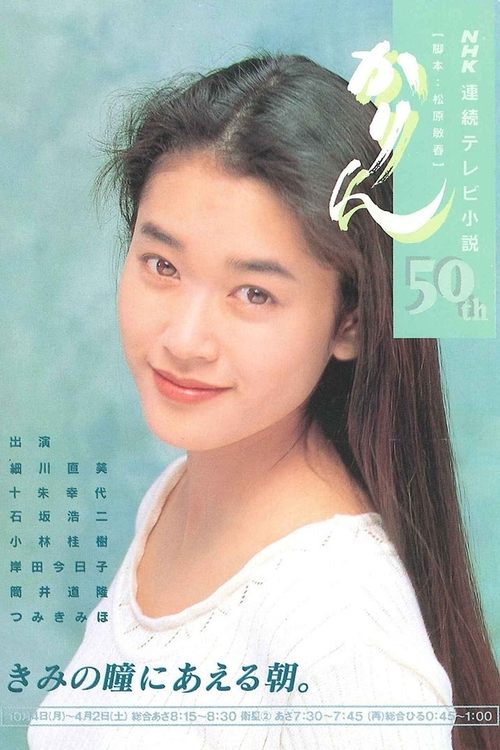
A young woman Chiaki whose family runs an old miso company in Nagano Prefecture, the only daughter of old traditional family. For generations, they were making soybean paste for living. Now she needs to take over this business and rebuild it. She lives through the hardships of postwar Japan.
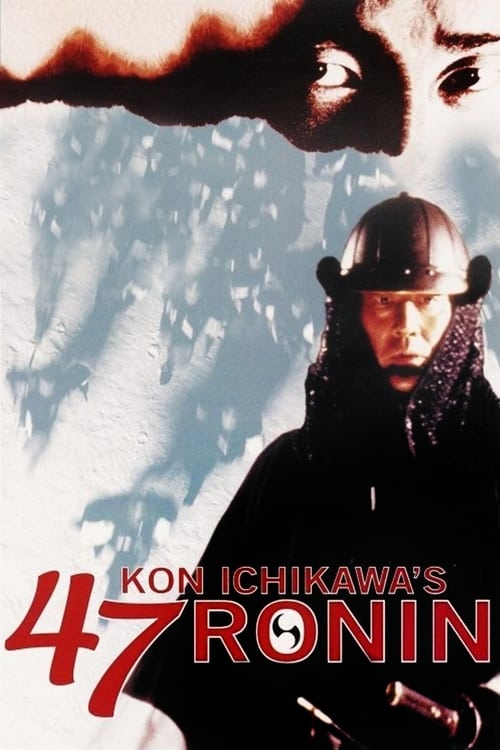
Kon Ichikawa's retelling of the classic true story of Samurai honor. When a young clan lord is forced to commit seppuku (ritual suicide), his loyal followers (now Ronin, masterless Samurai) dedicate their lives to avenging his death.
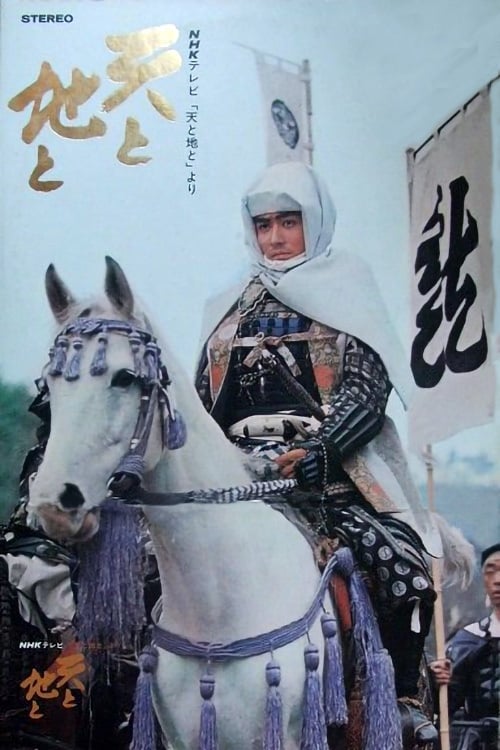
The story chronicles the life of Nagao Kagetora.