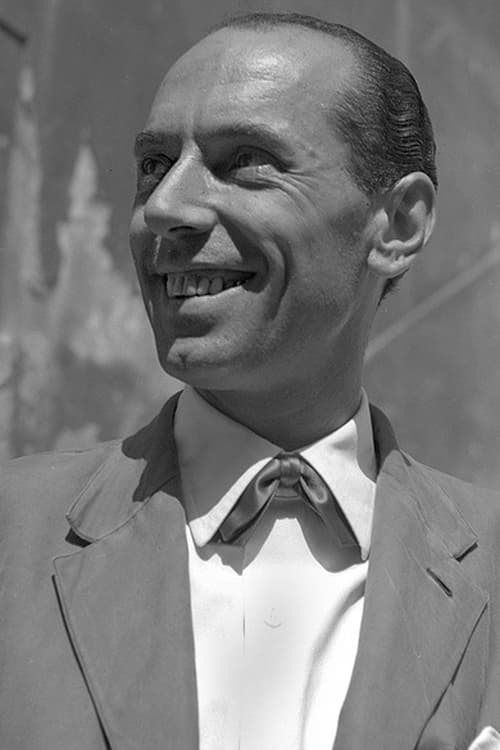
Antonio Battistella
Acting
Known For
No description available.
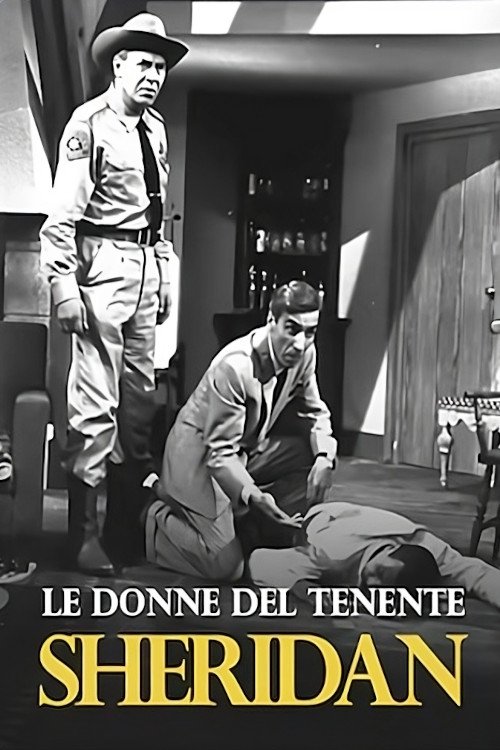
Le donne del Tenente Sheridan
No description available.
Signorinette
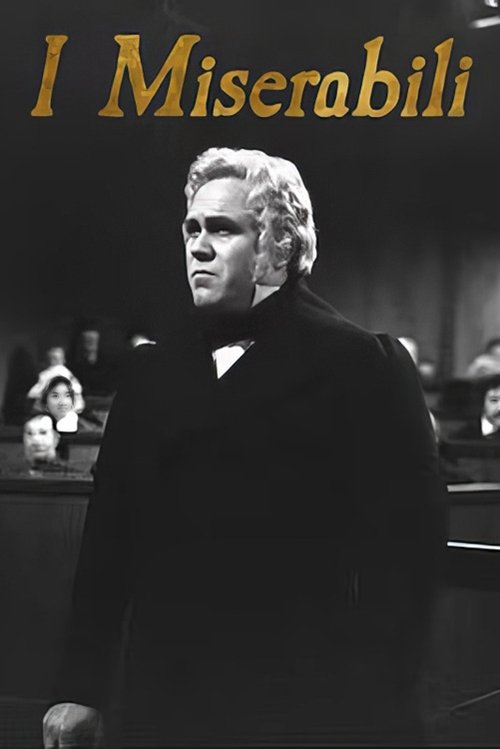
The television series, based on Victor Hugo's 1862 novel of the same name, is one of the most impressive television adaptations of a literary work. Filmed in 1963 over a period of four months at the RAI headquarters in Via Teulada, it is set in France between 1815 and 1833.
I miserabili
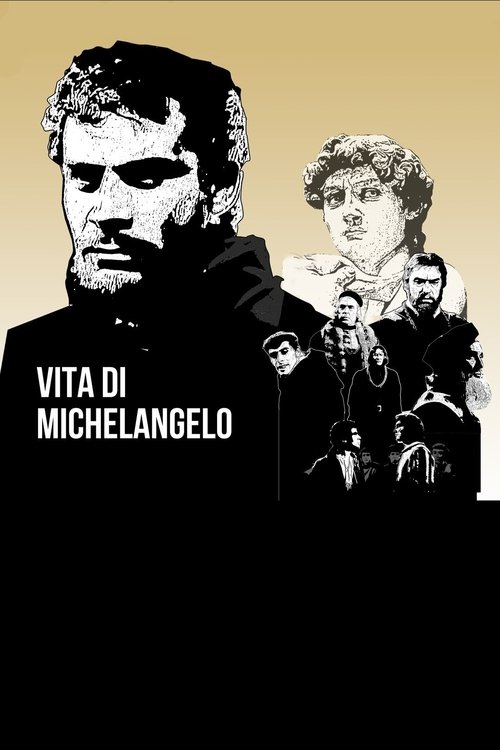
A mini series about the great artist's life.
Vita di Michelangelo

No description available.
Joe Petrosino
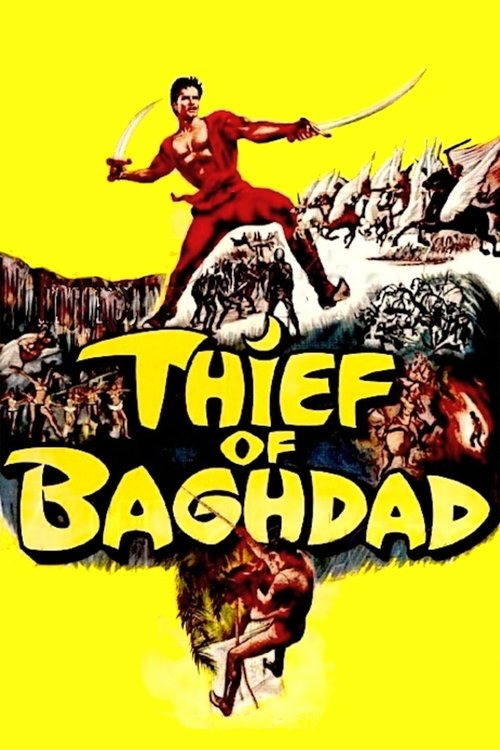
When Karim impersonates a prince Osman, he steals the heart of Amina the Sultans daughter. The real prince intends to get Amina back by giving her a love potion. But his plan backfires and Amina becomes deathly ill. Karim must make it through 7 doors to retrieve the only thing that can save his love-a mystical blue rose. A timeless, enchanting story!
The Thief of Baghdad
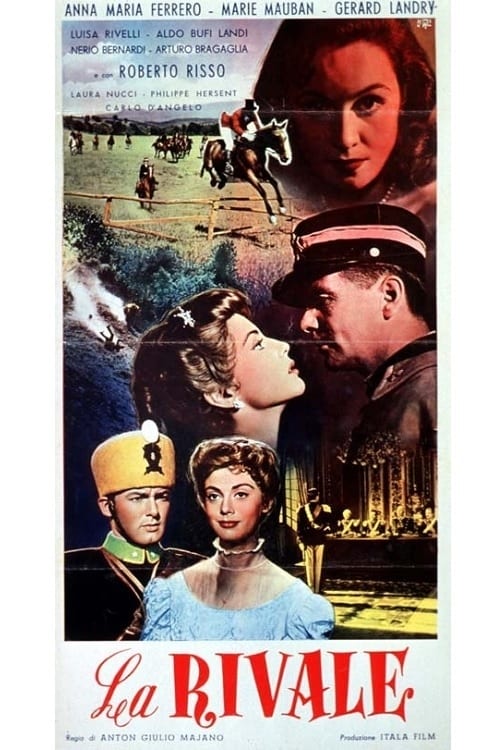
The love triangle between a Countess, a soldier and a younger woman.
The Rival
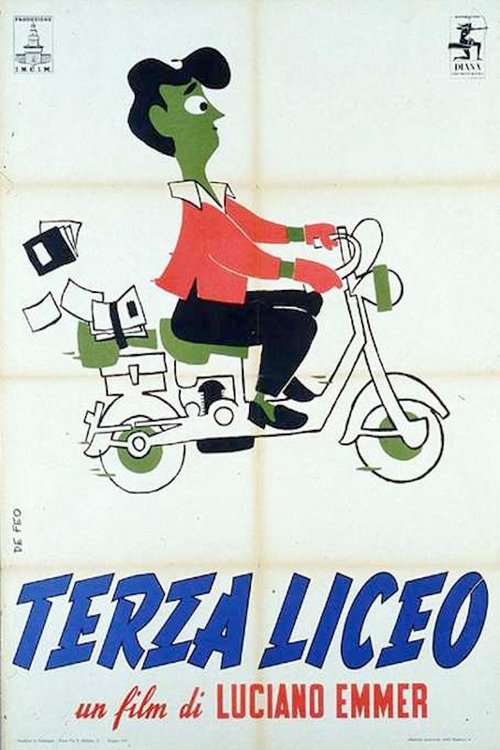
It's the last year of highschool of a group of teenagers, and now they have to face their final exam, and the loves, happy or not, that sprung during those years of school.
High School
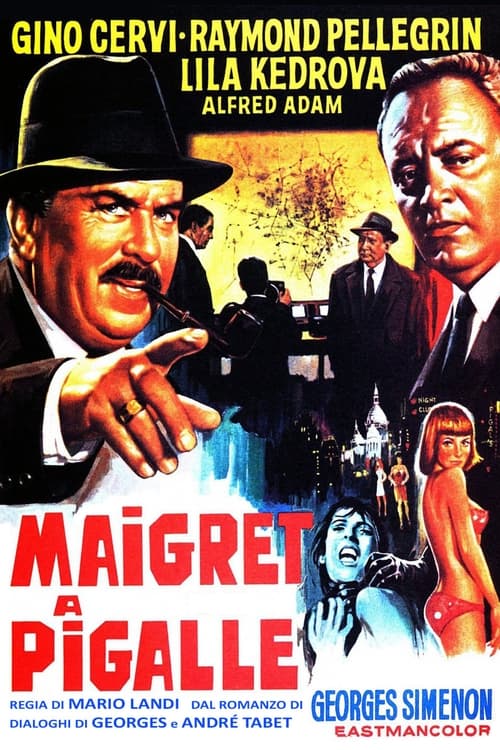
Maigret is about to leave for the holidays but a colleague asks him for help in investigating the mysterious murder of a stripper and a noblewoman, both of which took place in Pigalle.
Maigret at the Pigalle
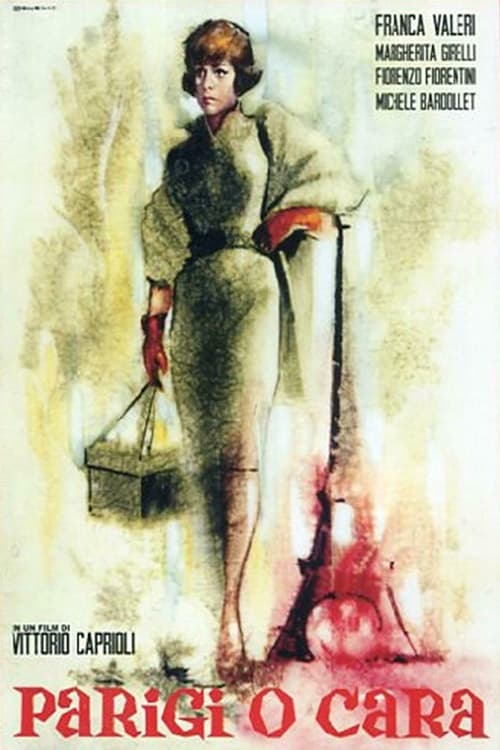
Parigi O Cara is probably the most camp in the history of Italian cinema, certainly a favourite with the queer community who quote its lines by heart. Unique as it's the only film where Franca Valeri (now 90) is the unquestioned star, in the role of Delia, a snobbish, stingy prostitute who is moving to Paris looking for greener and more lucrative pastures. An anti-neorealist, amoral, almost abstract comedy, which anticipates Almodóvar, a ferocious, though gentle, non-moralistic portrayal of the 60's boom and its broken dreams. The dialogue between Delia and her brother (played by Fiorenzo Fiorentini), when he does (or does not) tell her he is a homosexual, is memorable, a primordial coming-out, a masterpiece of allusions. But what makes it one of the first examples of a film with a "gay point of view" is the approach: perceptive, non-conformist, caustically witty. A film ahead of its times, still unbeaten.
Paris, My Love
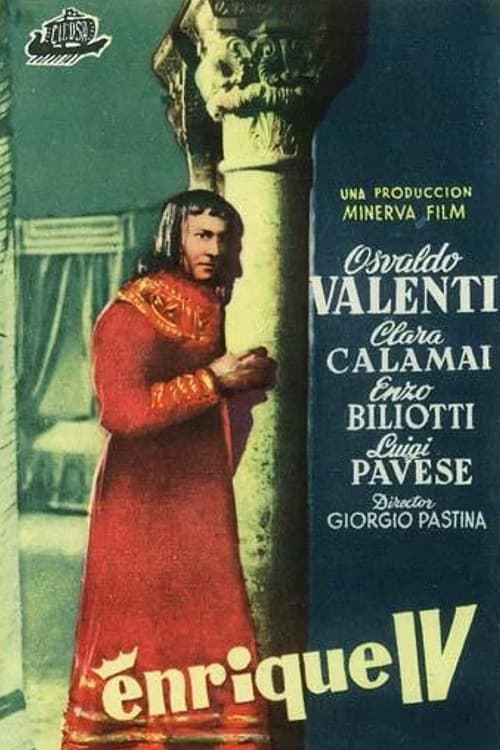
No description available.
Enrico IV
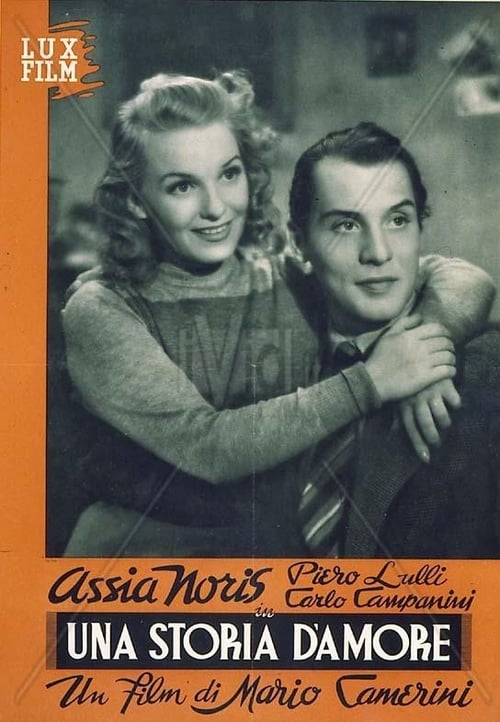
Anna, a woman with a troubled past, marries an honest worker at the SIMA mechanical workshop, who provides her with a decent life despite financial difficulties. Blackmailed by a man who knows about her past, Anna loses her mind and kills him. Sentenced to ten years in prison, she dies in childbirth while giving birth to a baby girl.
Love Story
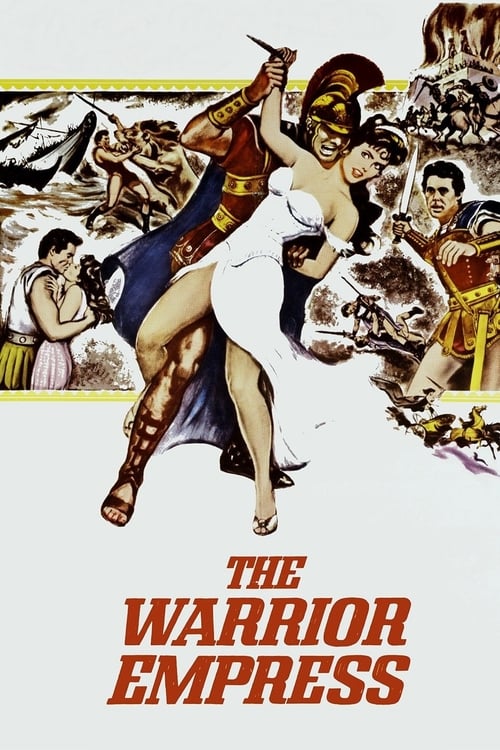
The poetess Sappho led an uprising against the corrupt government of the island of Lesbos.
The Warrior Empress
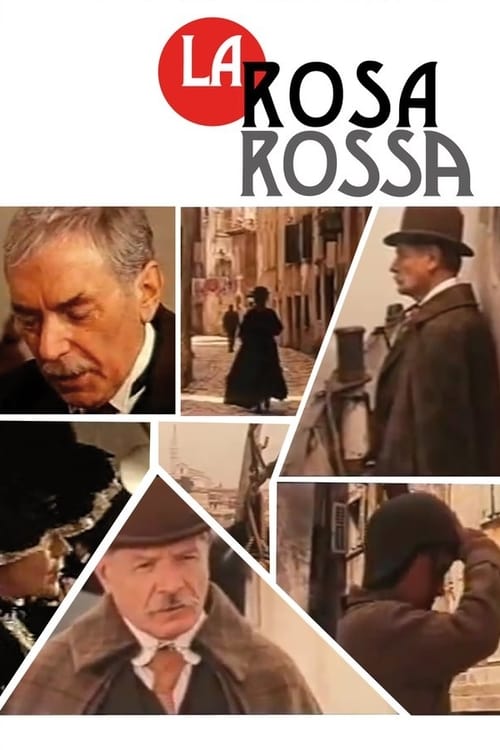
A former General comes back to Trieste to live with his cousins.
La rosa rossa
No description available.
Rebecca (La prima moglie)
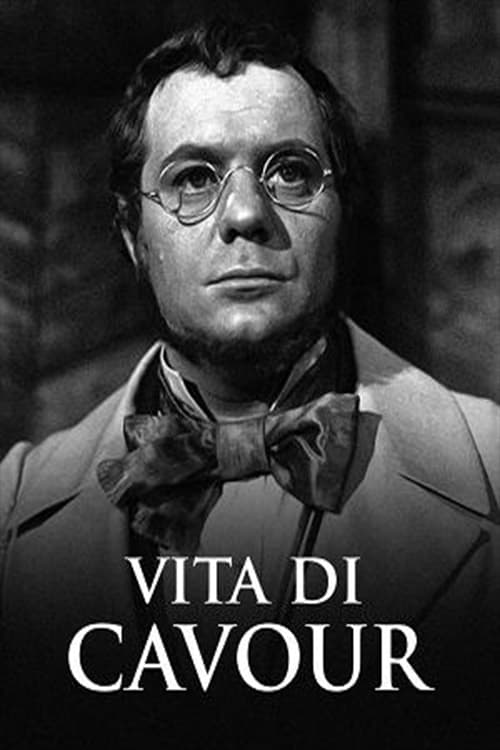
No description available.
Vita di Cavour
The story tells of Mr. Rowe, who was involved in Nazi espionage plots in the 1940s. In an attempt to shed light on his story and the role he is supposed to play, the man ends up at the center of a complicated story that, starting with a premonition announced to him by a gypsy, ends up seeing him as the protagonist of a poignant love story, a loss of memory, and a consequent hospitalization in a psychiatric hospital. Only at the end of the story does the protagonist arrive at a partial clarification of his position.