Lucien Castaing-Taylor
Directing
Biography
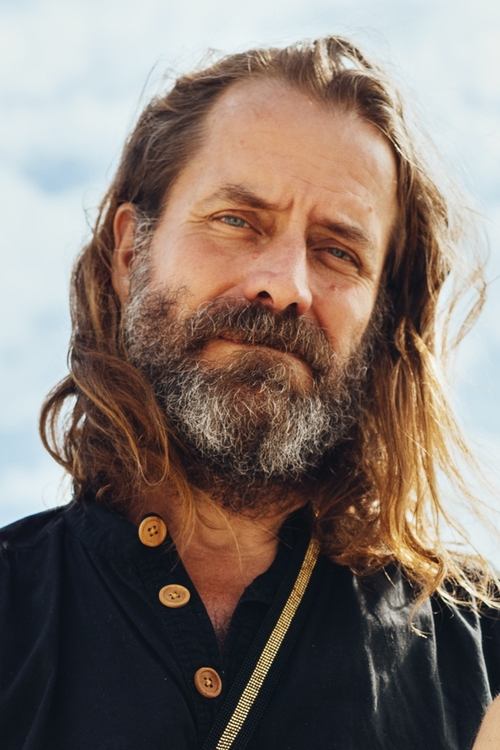
Lucien Giles Castaing-Taylor (born 10 January 1966, Liverpool, United Kingdom) is a British anthropologist and artist who works in film, video, and photography. Castaing-Taylor received his B.A. at The University of Southern California and his Ph.D. at The University of California, Berkeley. Since 2002 Castaing-Taylor has taught at Harvard University, where he is Director of the Sensory Ethnography Lab. His works include In and Out of Africa, which he made with Ilisa Barbash in 1992. It is an ethnographic video about issues of authenticity, taste, and racial politics in the African art market that won eight international awards. He also recorded the film Sweetgrass (2009), which is described as "an unsentimental elegy at once to the American West and to the 10,000 years of uneasy accommodation between post-Paleolithic humans and animals." He is the founding editor of the American Anthropological Association’s journal Visual Anthropology Review (1991–94).
Known For

Maya is a photographer. She takes photos related to the eyeball. Kunio is a neurosurgeon and an independent documentary film director. He is interested on making a documentary about Maya. A mysterious eyeball collector watches for Maya's own eyeballs.
The Eye's Dream

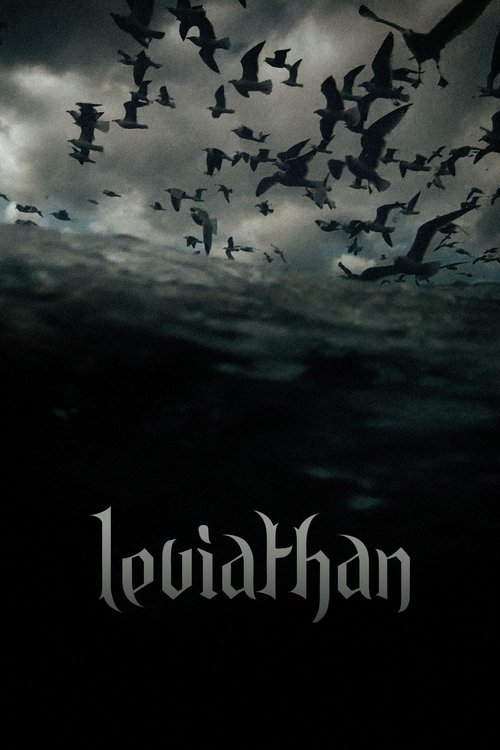
An experimental portrait of the North American commercial fishing industry through the lens of GoPro cameras placed on a fishing vessel off the coast of New England.
Leviathan

Caniba is a fresco about flesh and desire. It reflects on the discomfiting significance of cannibalism in human existence through the prism of one Japanese man, Issei Sagawa, and his mysterious relationship with his brother, Jun Sagawa.
Caniba

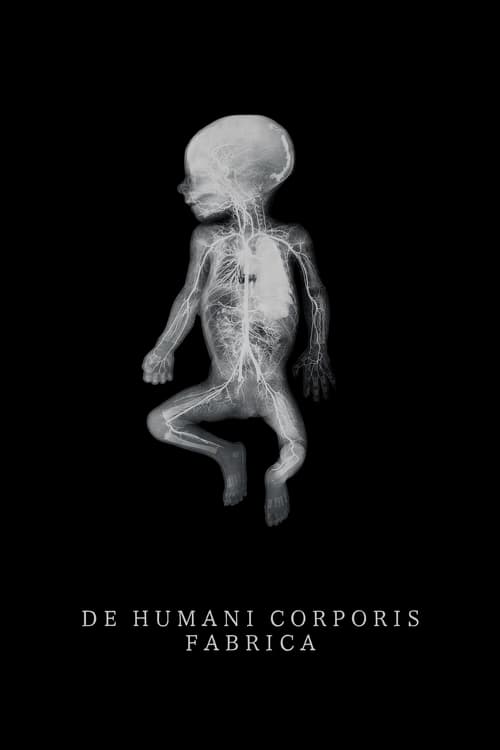
An extraordinary adventure through the interior of the human body; or the discovery of an alien landscape of unprecedented beauty.
De Humani Corporis Fabrica

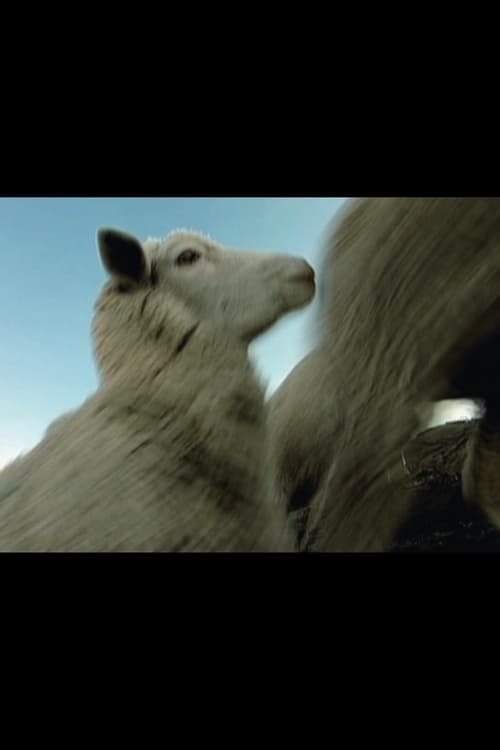
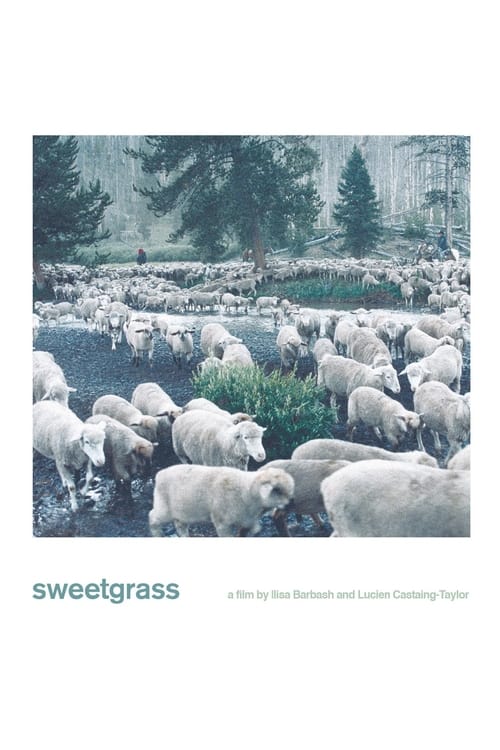
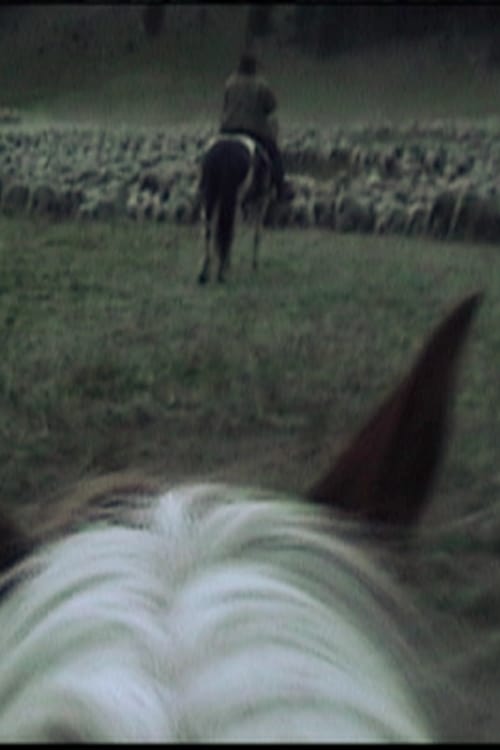
An unsentimental elegy to the American West, Sweetgrass follows the last modern-day cowboys to lead their flocks of sheep up into Montana's breathtaking and often dangerous Absaroka-Beartooth mountains for summer pasture, revealing a world in which nature and culture, animals and humans, vulnerability and violence are all intimately meshed.
Sweetgrass
Combining high definition and Super 8 footage, Lampedusa is composed of interwoven narratives based on a series of real events. In 1831, a volcanic island suddenly erupted from the sea a few kilometers off the southern coast of Sicily. An international dispute ensued, as a number of European powers laid claim to this newfound “land”. The island receded below sea level six months later, leaving only a rocky ledge under the sea…
Lampedusa

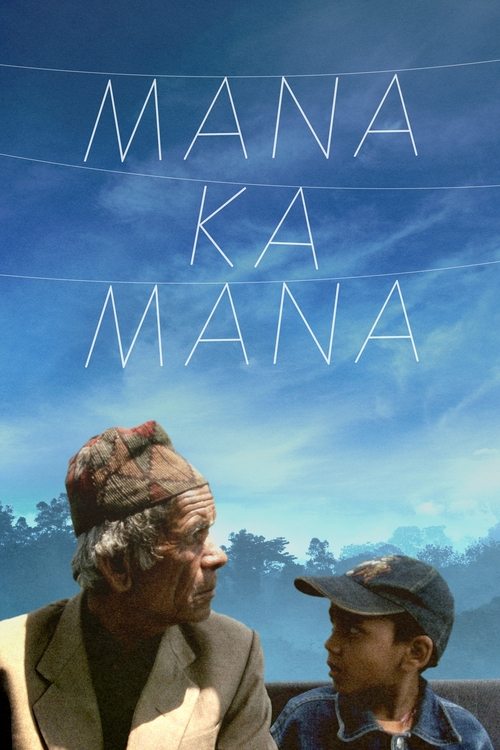
A documentary about a group of pilgrims who travel to Nepal to worship at the legendary Manakamana temple.
Manakamana

Works with sound recordings of Dion McGregor, who became famous for talking in his sleep.
Somniloquies

Constructed from the audio archive of the 1961 Harvard Peabody Expedition to Netherlands New Guinea: In the encounter with the Hubula people, this work reflects a parallaxing image of the histories of field recording, ethnographic film, and colonialism.
Expedition Content
No description available.
8mm, archives des Sagawa, montées

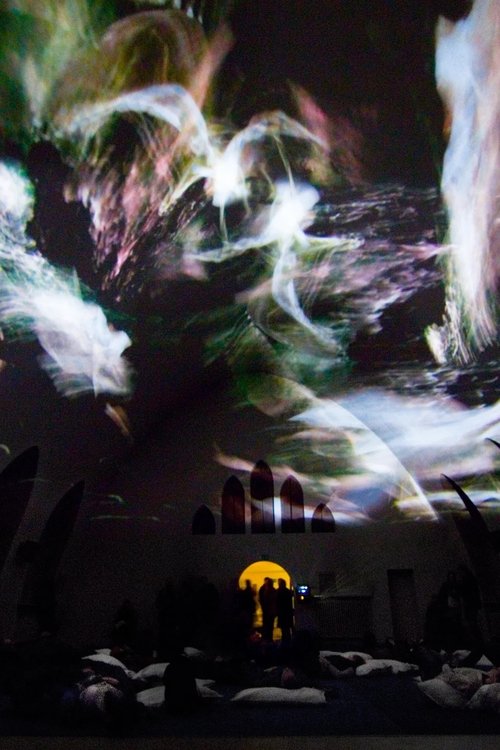
An archaeology of both the ocean and the image, this piece reworks the sequences of Leviathan that were shot in and from the sea. Projected at 1/50 of the speed at which they were recorded, it simultaneously slows movement and animates the still, revealing a liminal universe at the threshold of human vision. In this flux, one beholds a netherworld of aqueous forms that appear in one frame and disappear or transmogrify into something else in the next.
He Maketh a Path to Shine After Him; One Would Think the Deep to Be Hoary

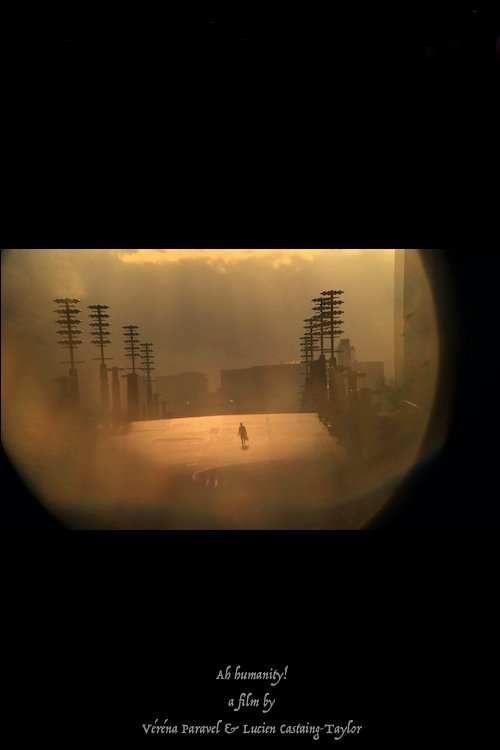
“Ah humanity! reflects on the fragility and folly of humanity in the age of the Anthropocene. Taking the 3/11/11 disaster of Fukushima as its point of departure, it evokes an apocalyptic vision of modernity, and our predilection for historical amnesia and futuristic flights of fancy. Shot on a telephone through a handheld telescope, at once close to and far from its subject, the audio composition combines excerpts from Japanese genbaku film soundtracks, audio recordings from scientific seismic laboratories, and location sound.”—Ernst Karel, Verena Paravel & Lucien Castaing-Taylor
Ah Humanity!

A two-channel installation utilizing both digital video and 16mm film, Commensal focuses on the controversial figure of Issei Sagawa, who gained notoriety in 1981 when, as a graduate student in Paris, he murdered a fellow student and engaged in acts of cannibalism. After his release from a mental institution, Sagawa returned to Japan, and later appeared in innumerable documentaries and sexploitation films. In contrast to earlier journalistic documentaries on Sagawa, the film suspends moral judgment and explores a realm that eludes classification as either “documentary” or “pure fiction,” to instead chart the ambiguous territory between crime, fantasy, and social realities, between an individual and the economy of his public persona.
Commensal

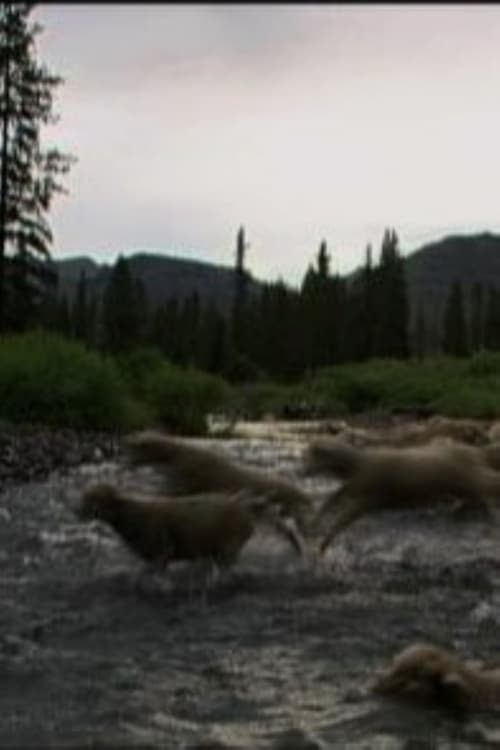
A static camera records the coming of day as a flock of sheep cross the titular stream in a painterly pastoral to restore the senses through a tradition of old.
Hell Roaring Creek

Submarine spirits of monsters and demons, soldiers and sailors, pirates andwarriors, slaves and serpents, skulls and skeletons.
Spirit Stills

Interweaving stories of Western collectors, Muslim traders, African artists and intellectuals, and the filmmakers themselves, the film focuses on a remarkable art dealer from Niger named Gabai Barre. It follows him all the way from the rural Ivory Coast to East Hampton, Long Island, where he bargains for a sale. The film shows how (through occasionally hilarious and frequently fantastic tales about the art objects) he adds economic value and changes the "meaning" of what he sells by interpreting and mediating between the cultural values of African producers and Western consumers.
In and Out of Africa
A film about sweatshops and child labor in the Los Angeles garment industry
Made in USA

A throng of believers all crowd together in front of a stage. The speeches have ended. They are enraptured. The 'new' Indonesia.
The Flaneurs #3

For her medium-length project Into the Hinterlands filmmaker Julia Yezbick collaborated with the Detroit-based performance group The Hinterlands, with her camera engaging in their kinetic actions. Produced during Yezbick’s time with the Harvard’s Sensory Ethnography Lab, her immersive and unadorned footage pushes bodies and the documentary form to abstraction, aided by sound artist Ernst Karel’s dynamic sound mix.
Into the Hinterlands

Exploring the intersection between experimental documentary and ethnographic anthropology, this short film silently follows a herd of sheep and a faceless cowboy through magic hour in Montana. A Western without guns or dames, just the open country, man and the animal world are left behind.