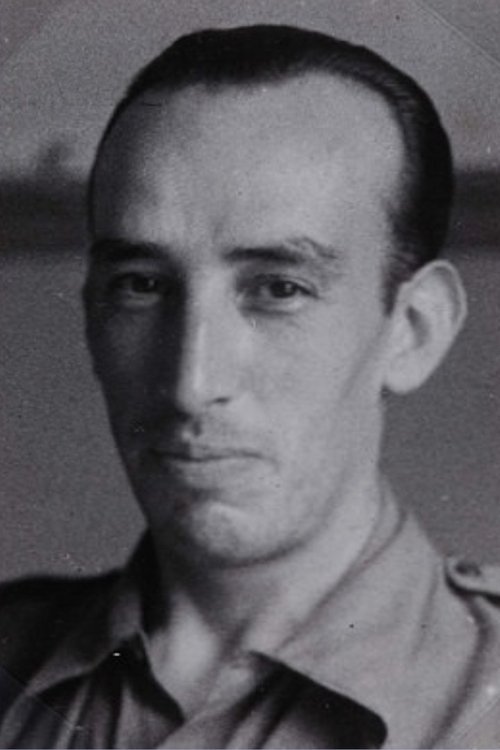
José Val del Omar
Directing
Biography
José Val del Omar (October 27, 1904 in Granada – August 4, 1982 in Madrid) was a Spanish photographer, film director and inventor.
Known For
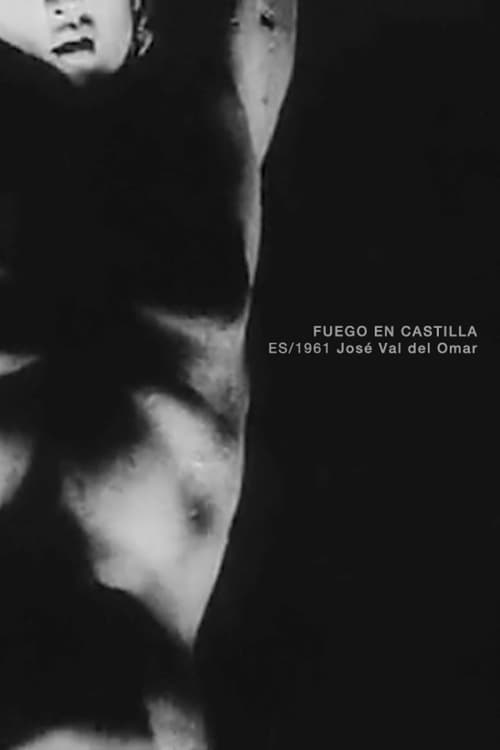
A short, experimental documentary featuring sculptures by Alonso de Berruguete and Juan de Juni. Shot within the Valladolid National Museum, the film is an excercise in what Val de Omar called "Tactile vision".
Fire in Castilla (Tactilvision from the Moor of Fright)
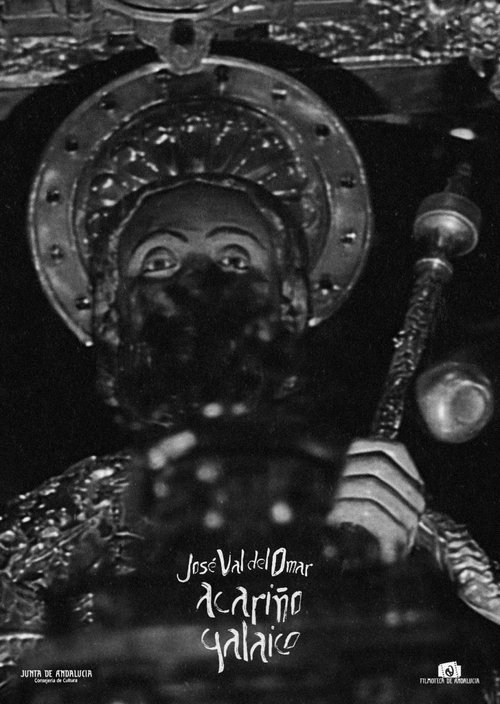
This film was reconstructed and completed in 1995 by Javier Codesal for the Filmoteca de Andalucia, from the montage and the sound that Val del Omar had outlined before his death, after having returned to a project abandoned twenty years before with the incorporation of significant additions (above all in the soundtrack). Val del Omar's notes show that, as he typically did, he had other alternative titles in mind, such as "Acariño de la Terra Meiga" (Caress of the Magic Land), "Acariño a nosa terra" (Caress of Our Land), or "Barro de ánimas" (Clay of Souls), and that in the final phase of the unfinished project he wanted to add a second sound channel – following the diaphonic principle, and using electro-acoustic techniques – consisting of ambient material that he intended to record at the first screenings of the film in the very places and to the very people that were its origin: its "clay".
Galician Caress (of Clay)
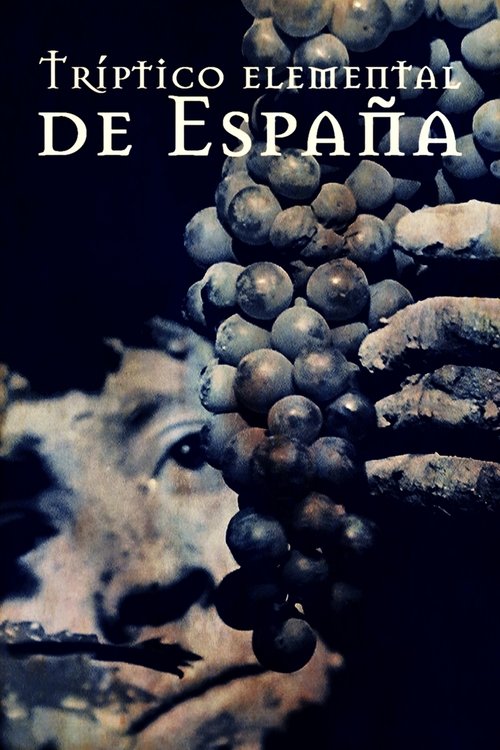
The Spanish experimental filmmaker José Val de Omar turns three of his short films into a unitary work, full of meaning: Acariño Galaico; Fuego en Castilla; and Aguaespejo Granadino; creating a total journey through the world of the senses.
Tríptico elemental de España
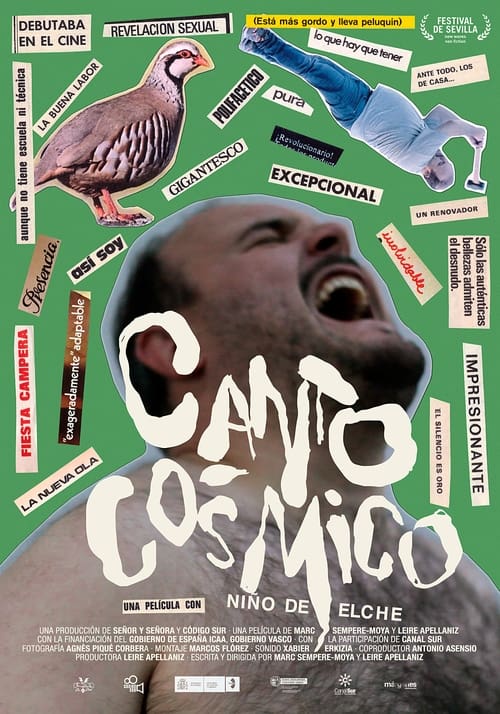
The film aims to answer two questions: What is flamenco? Who is the singer Niño de Elche? This child prodigy, who inspired artists such as C. Tangana, started challenging the rules of flamenco in his adolescence, which led to a violent confrontation with his family and flamenco fans that continues today.
Cosmic Chant. Niño de Elche
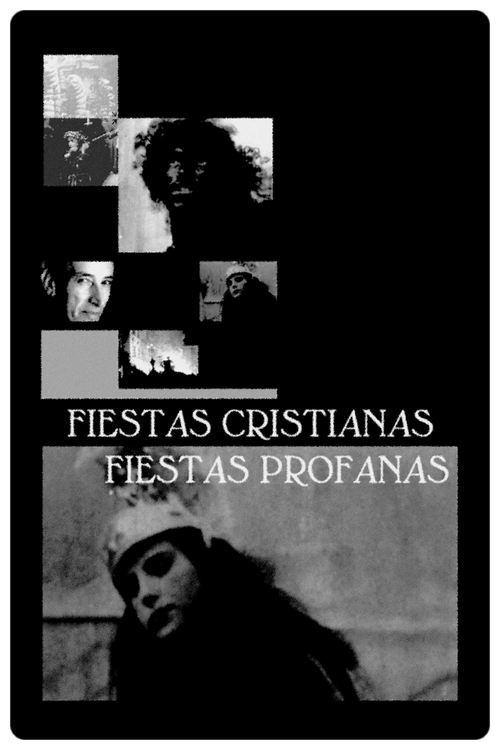
In 1934, the Spanish filmmaker José Val del Omar traveled to the region of Murcia, where he documented the celebration of several popular festivals, both religious and secular, as part of his contribution to the itinerant educational program promoted by the Government of the Second Republic.
Christian Feasts, Secular Feasts
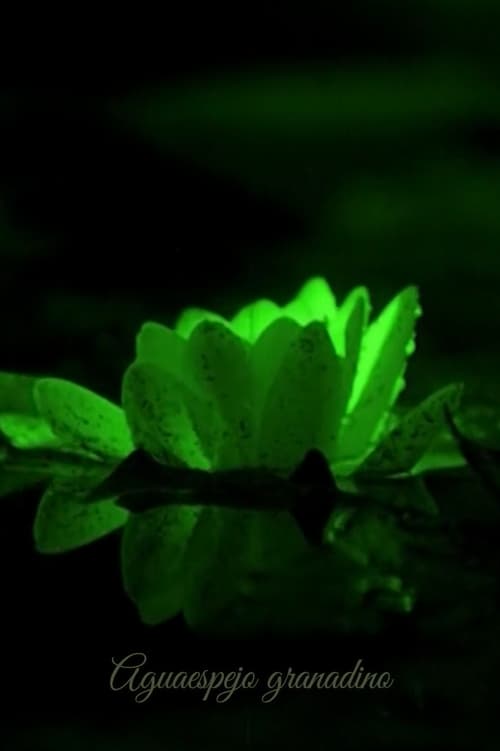
Experimental, cinematic symphony of Granada, José Val del Omar's birthplace.
Water-Mirror of Granada
A short documentary depicting the director's family.
Family Movie
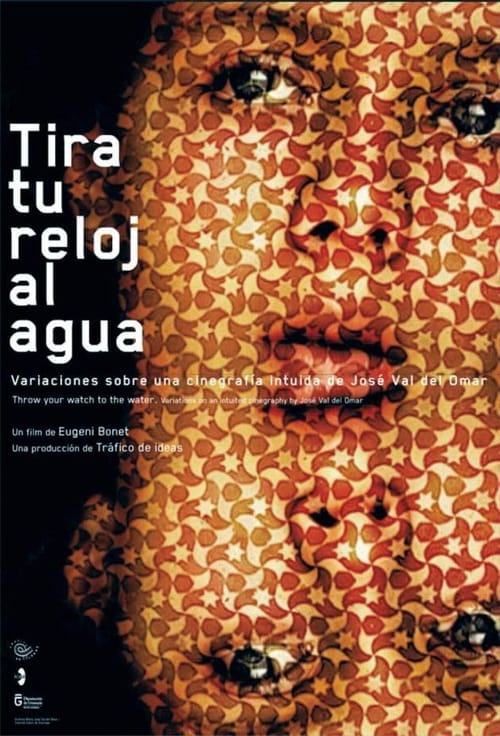
The film uses, almost exclusively, unfinished materials by the Granada-born filmmaker José Val del Omar (1904-1982). This is a free approach to the missing link with which Val del Omar intended to culminate his work, made up of what he described as abstract documentaries, cinematographies or elementals. The elemental is a resoundingly poetic declension of the documentary. After the elementals of water (Granada), fire (Castile) and earth (Galicia) that make up his Elemental Triptych of Spain, Val del Omar intended to add a fourth film as the vertex and vortex of his entire oeuvre. New images of Granada - the counterpoint of the Arabic-Andalusian culture that Val del Omar felt in his veins with the hurried gaze of the tourist hordes (wandering between the closed paradise of the Alhambra and the open gardens of the Generalife) - give way to the dynamic ecstasy, progressively abstract and full of images, of a time without a clock, without space, without feet or ground?
Throw Your Watch to the Water
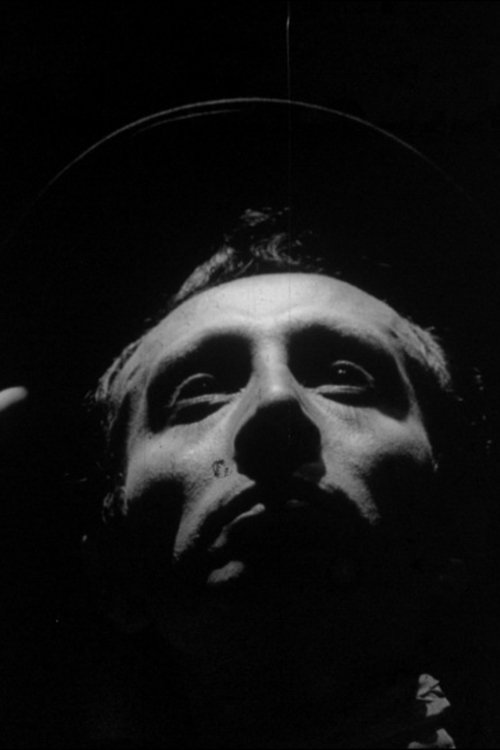
In 1963, the Ministry of Information and Tourism commissioned filmmaker José Val del Omar to make a series of ten shorts on the campaign Festivales de España for the New York World's Fair in 1964. With the excuse of documenting the shows of this cultural initiative in different Spanish cities, Val del Omar unfolds a dreamlike universe somewhere between the lyrical and the anthropological. This film corresponds to the two final episodes Luna de Sangre and Festival en las entrañas.
Festival en las entrañas
Documentary about the life, concepts, philosophy, and filmic techniques of master experimentalist José Val del Omar.
Val del Omar Laboratory
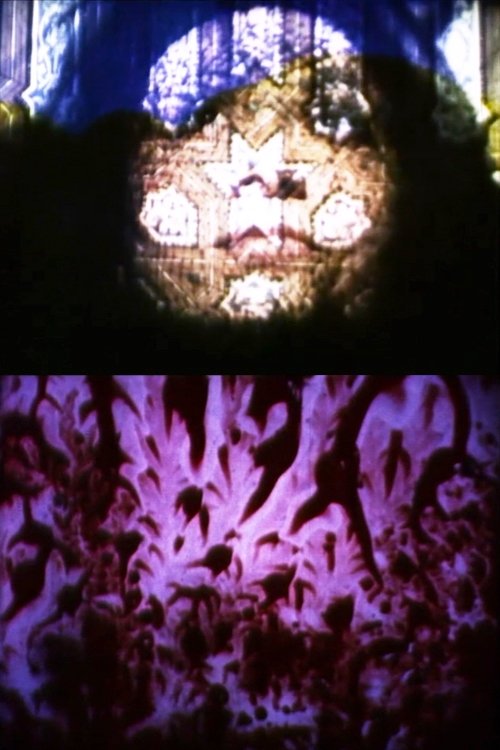
In the 1970s, Val del Omar started to film frequently in Super 8. These reels, in the form of essays and notebooks, include the fabulous experiences with image and light that he investigated in his PLAT laboratory, and a series of private recordings (trips, holidays, portraits), that also include variations and experiments on his main themes (water, flowers, the Alhambra…). Transfiguring his most everyday reality, Val del Omar continued the revelations of its mecamystics: “The extraordinary is in the bowels of the everyday […] I feel as though I am submerged in a palpitating being. Logical chains enchain and imprison us.”
Experiencias PLAT en Super 8
The film documents the actions taken by the Misiones Pedagógicas, active in the 1930s, to bring culture and development to rural areas of Spain.
Estampas 1932
This short reel is a kind of cinematographic still-life: on the basis of an arrangement of pomegranates, the fruit emblematic of Granada, it combines animation (single-frame or stop-motion cinematography) and picto-luminic techniques which in turn draw on a whole battery of resources.
Variations on a Pomegranate
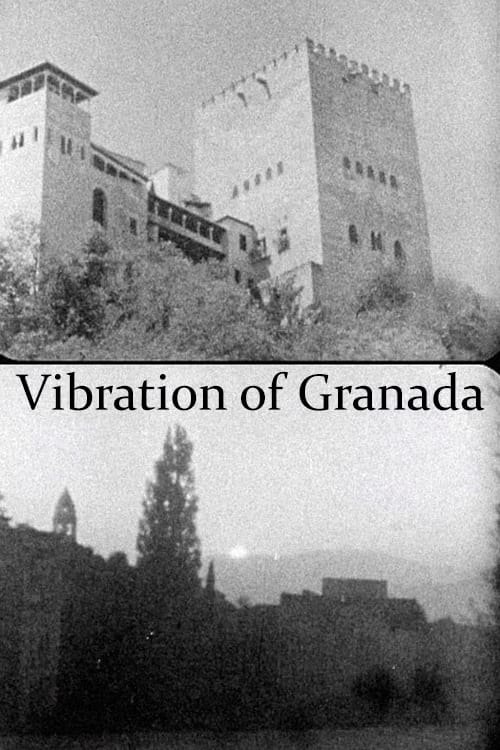
This is a short film that, although a documentary in appearance, has very little to do with the generic conventions of that form. It would seem, then, that what we have here is the embryo of what he was subsequently to call the "elementary": an abstract or lyrical modality in the perception and exposition of the real.