Directing
Michal's father and his friends are stigmatized by their war experience and the post-war social deformations in which they took part either directly, or watched them cowardly and in silence. They are trying to repress their feelings of guilt and justify their behavior to the young generation with memories of their heroic war feats. Michal, however, does not want to have anything to do with their problems. He subconsciously perceives the unpleasant atmosphere in the family as well as his father's hypocrisy. After one of many quarrels with his father, he runs away from home, determined to go his own way.
Middle-aged Antonin and his friends, the major, now retired, and the canon, are in the river, swimming and philosophizing. Then it starts to rain. It just seems to be that sort of summer. Antonin runs the swimming bath with his portly wife Katherine... A man appears with his horse-drawn caravan. He lays a striped pole across the river and walks over. With a handstand and a magic trick, Ernie the Conjuror invites everyone to that evening's performance... Ernie is a tightrope walker of only modest skill, but with a slim and beautiful assistant, Anna. Antonin speaks to her. The two spend the night in the change room by the river, Antonin massaging her feet all night long. Katherine decides to move into the caravan with Ernie. But now the major and even the canon sense Anna's attractiveness...
Jealous of her vapidly "good" sister's popularity, poisonous Viktoria doses pretty Klara's tea with a slow-acting fatal substance. As the latter grows hysterically weak, the former finds success increasingly compromised by guilt, blackmail, and the pesky need to kill others lest she be exposed.
No description available.
Stage mime Antoine Moreau is compelled by the Gestapo to put on a performance for the children of Terezin, a "model" concentration camp, to convince the Red Cross observers that the camp is truly what it seems. Reluctant at first, Moreau slowly learns the true nature of the camp, including the meaning of the "transports" on which people leave. With a world-class orchestra (made up of people interned in the camp) and a cast of children, Moreau stages a show to end all shows.
The trenches of World War I provide for a captivating backdrop to the drama of Corporal Hoferik. In his devotion to the Habsburg Monarchy, he fanatically carries out his military orders, but he ultimately suffers the Empire's disfavor.
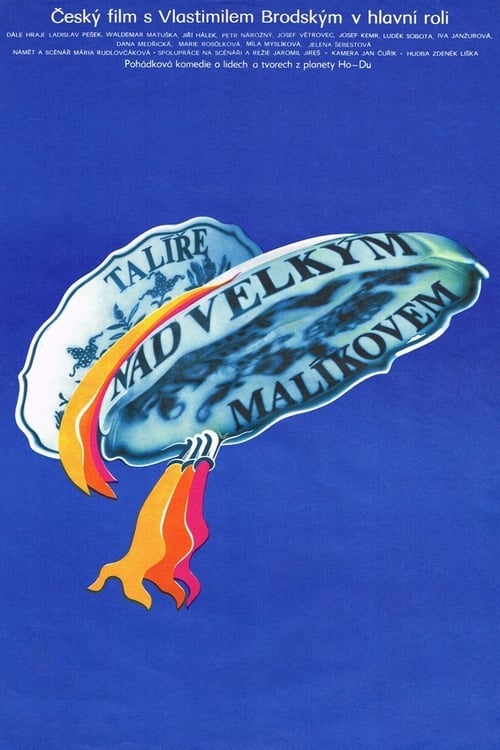
A model Communist village is visited by a flying saucer.
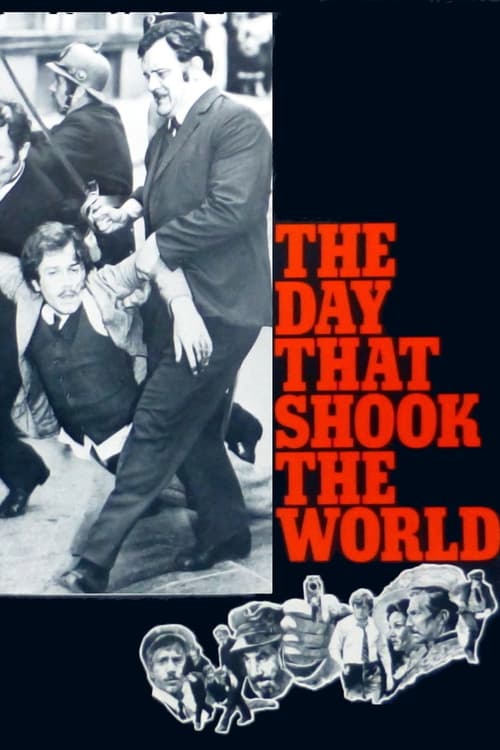
An historical depiction of the events preceding the political murder of Archduke Franz Ferdinand, would-be emperor of the Austro-Hungarian throne, in Sarajevo on June 28th, 1914.
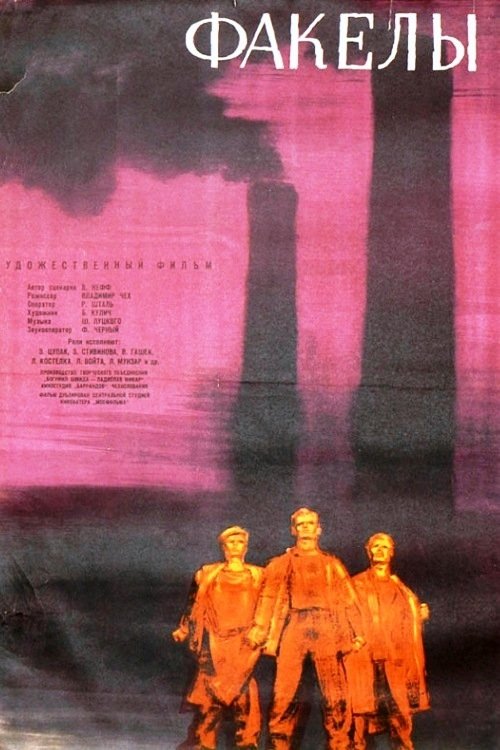
Prague in the 1870s. Work in Smolík's sulphur factory is hard and dangerous to health. The poorly paid workers resemble torches because their clothes are soaked with poisonous phosphorus. Young Josef Rezler also works in the sulphur factory and uses his earnings to feed his mother and little sisters. He throws his perpetually drunken father out of the house. The older worker Brož forces Josef to learn to read and write. A cholera epidemic breaks out in Prague and Josef is the only one of his family to survive the disease...
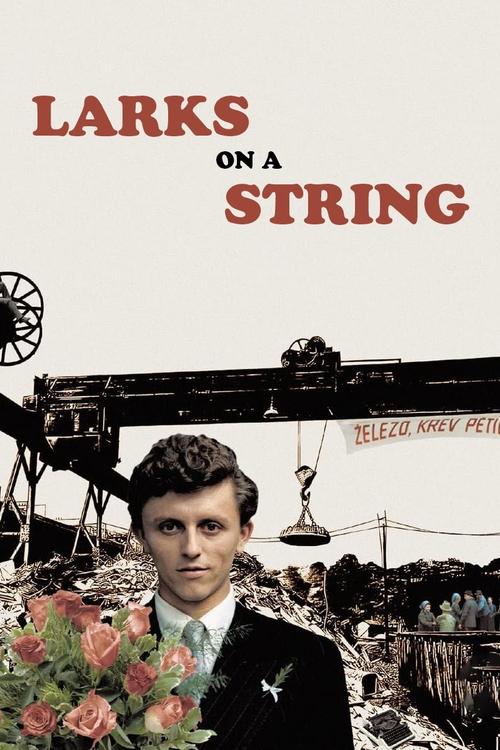
In post-WWII Communist Czechoslovakia, several characters considered bourgeois are sentenced to work in a junkyard for rehabilitation. Among them is a young man who pines for a female convict.
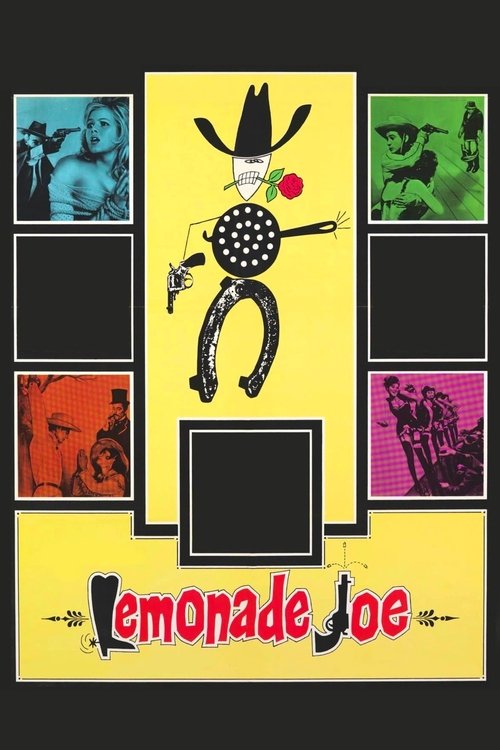
A satire of the Great American Way, with Lemonade Joe a "clean living" gunfighter who drinks only Kola-Loca Lemonade and convinces everyone else in town (with his gun skills) that all "real men" drink ONLY lemonade!
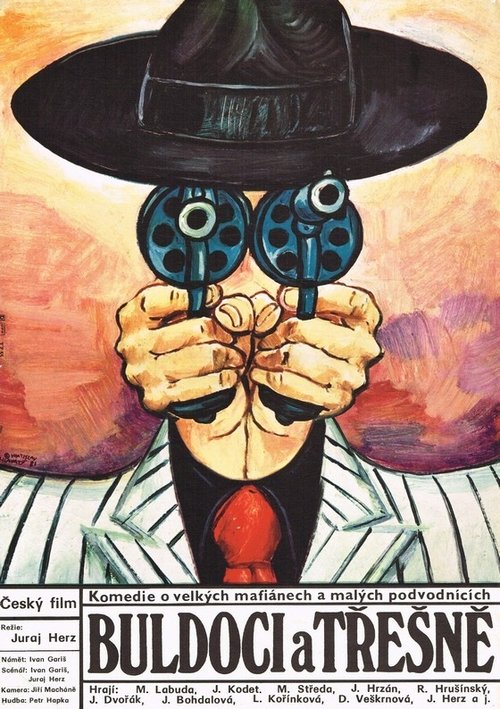
The dreaded Italian mafioso, Marian Labuda, will also be convinced. Mafioso Carmello was guilty of the principles of his organization when he tried to fool the boss and earned a death sentence. The convict runs away from the killer through Vienna to Prague, which his Austrian colleague in crime recommended as a safe hiding place. None of them knows that the Czechs learned so much tricks under real socialism that a seasoned Italian professional is not enough to watch.
Wandering through the forest, a woodcutter finds a golden fern whose seed turns into a beautiful woman - they fall in love. After getting drunk in a village feast, he gets to sign up to the army. The fairy gives him a shirt to wear and asks him to swear he will never abandon it. At the war front, he falls in love with the the colonel's daughter and will have to perform various feats to get her attention.
In this movie, TV sets are full of life. If a person is in TV (e.g. because it was filmed on the street) it has a double that's right in the TV set. This double needs energy from the true character to survive. Each time, the real human watches TV, his Double will pull life energy from him. So there's a mysterious Death-serial. Many persons die in front of their TV set and nobody knows why. Olda, the main character, is one of the persons, that get more and more weak. He is near death, till Fisarek, the natural healer appears. He teaches Olda how he can resist this magic force and how he can fight it.
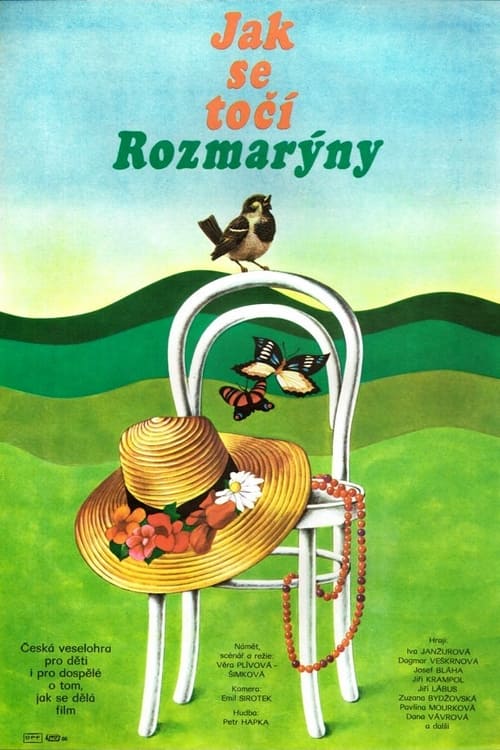
The director of films for kids called Bonzurka together with her loyal assistants Drahuska and Honza are looking for the actors for a new movie "The Knee". Children for this movie should not be afraid and shy and they must have talent for acting. Thus the scouting is quite difficult. The most difficult is to find an actress for a main character who lost her hair after a serious illness and now has to spent the whole holiday in the countryside with a bald head resembling a knee. Although the makeup artist does his best an artificial baldness does not solve anything. From the selected little girls only the self-assertive Rosemary has the guts to let her long hair to be cut and shave off her head.
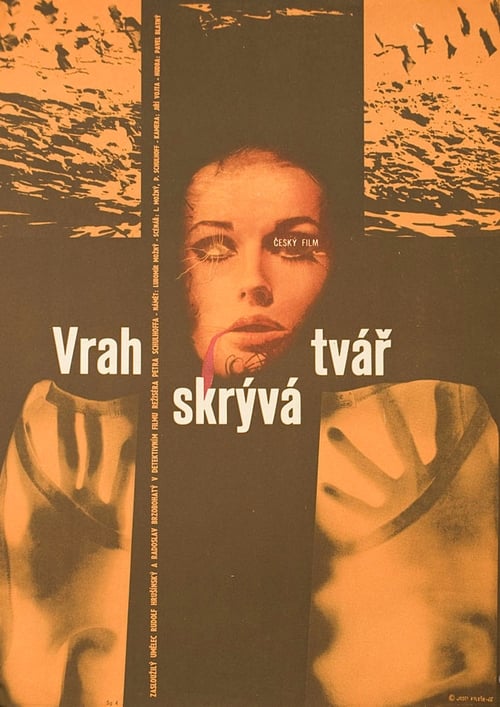
In the forest near the village of Drahovice, a nurse from the local health center is found murdered. Three months ago, another young woman died nearby and a sexual motive was proved in the case of her murder. In the case of the nurse, the motives are not so clear. Two criminologists from Prague - Major Kalas (Rudolf Hrusínský) and Lieutenant Varga (Radoslav Brzobohatý) - patiently collect all available leads and question the villagers.
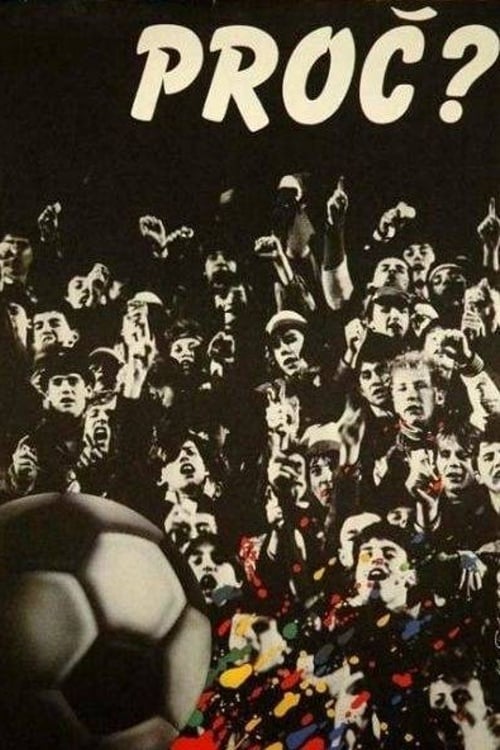
Why? (Czech: Proč?) is a 1987 Czechoslovak drama film directed by Karel Smyczek. It was screened in the Un Certain Regard section at the 1988 Cannes Film Festival. The film deals with the hooliganism in Czechoslovakia, particularly with the fans of football club Sparta from Prague, whose supporters were the pioneers of the football fan riots in Czechoslovakia, starting with hooligan actions already in the 1960s, like breaking the trains in which they travelled when they went on Sparta's away games. The film deals with one of such episodes
In a Prague shop, an assistant has been carrying on an affair with the dishonest, married manager. An emotionally repressed auditor with domestic problems of his own uncovers serious stock discrepancies. A test of loyalties and a questioning of values concludes in tragedy.
A musical comedy about two indistinguishably similar siblings who love music, but each of them is completely different. Pavel Fořt is a professor of classical music at a pedagogical institute, his brother is a jazz musician and plays music in America. When the twin brother suddenly appears in Prague, they switch roles.
When he returns to Prague from a stint in the Army, Lada does not seem to fit in anywhere, and he cannot get the hang of the system of deliberately underperforming on the job. His girlfriend tries to keep him in the city with a variety of stratagems, but he eventually takes a job as a truck driver on a dam-building project. He uses the truck to visit his girl on weekends. Ingenuous, he is unaware that the truck is being used for black-market smuggling, and that his girlfriend two-times on him when he cannot arrange to leave on time for his weekend.