Acting
The best in the performing arts from across America and around the world including a diverse programming portfolio of classical music, opera, popular song, musical theater, dance, drama, and performance documentaries.
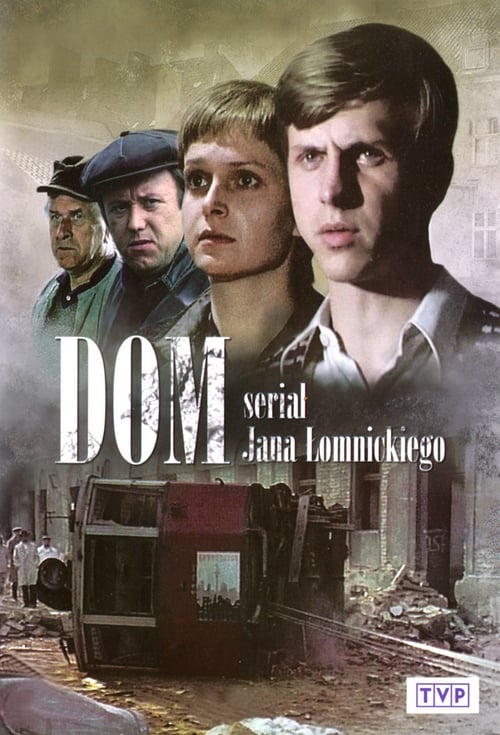
The story of the residents of a tenement house on Złota Street in Warsaw from 1945 to 1980.
In the second part of the tetralogy, Schwarz delves in particular into the relationship between Wotan, the father of the gods, and his “favorite daughter” Brünnhilde, showing it as especially unhappy and traumatic. Lise Davidsen and Klaus Florian Vogt prove themselves audience favourites for their portrayal of the siblings and lovers Sieglinde and Siegmund.
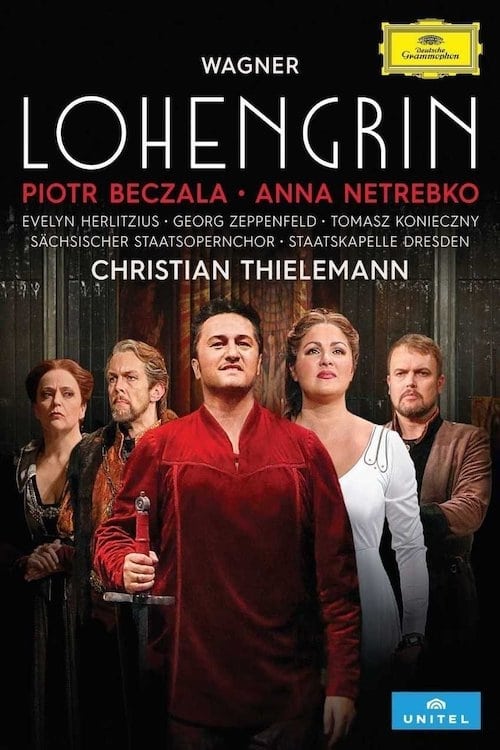
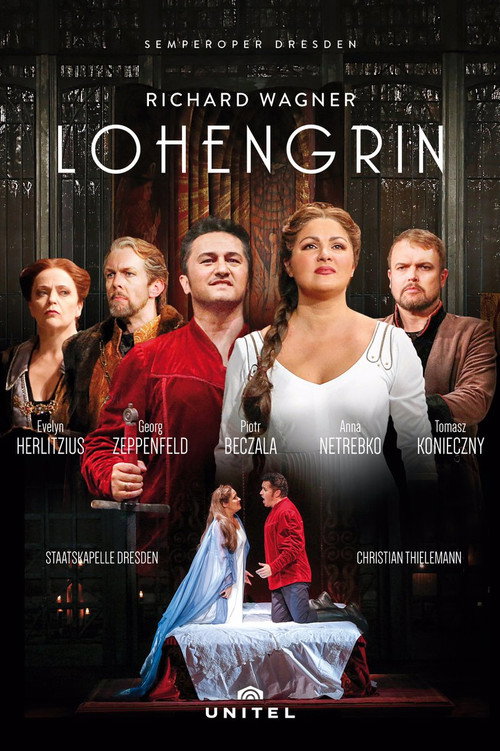
A dream came true at Dresden's Semperoper in May 2016 when opera superstars Piotr Beczala and Anna Netrebko made their Wagner debuts as Lohengrin and Elsa, inspired to take on their new roles by Christian Thielmann, the Dresden Staatskapelle's principal conductor and one of the leading Wagner conductors of our day. Die Welt described the performance captured here as "musically one of the finest Lohengrins of all time". Contributing to the triumph are Evelyn Herlitzius's Ortrud. Tomasz Konieczny's Telramund, Georg Zeppenfeld's King Henry and the Dresden State Opera Chorus.
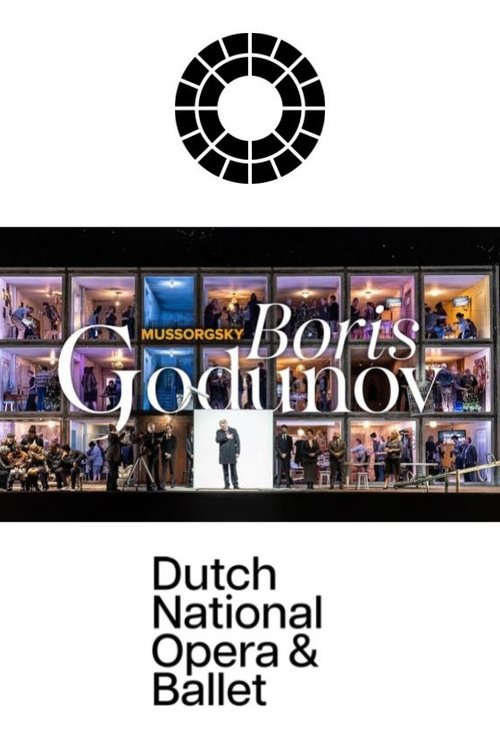
Nobleman Boris Godunov accumulates power in Russia, first as regent, then as tsar. But the ghosts of the past catch up with him and he ends up losing not only his power but his sanity. Russia sinks ever deeper into a mire of corruption, intrigue and coups. In his grand choral opera, Modest Mussorgsky deals with a theme that offers poignant parallels to today’s world: the extremes to which one man’s thirst for power can lead. The director Kirill Serebrennikov incorporates his own experiences in Russia to present his take on an opera about political turmoil and its consequences. Serebrennikov’s production focuses on the effect on the people of high-stakes political scheming. Conductor Vasily Petrenko makes his Amsterdam debut leading the Royal Concertgebouw Orchestra. A top-flight cast is led bass-baritone Tomasz Konieczny, celebrated for his ability to get into the skin of his characters both vocally and dramatically, singing the title role for the first time.
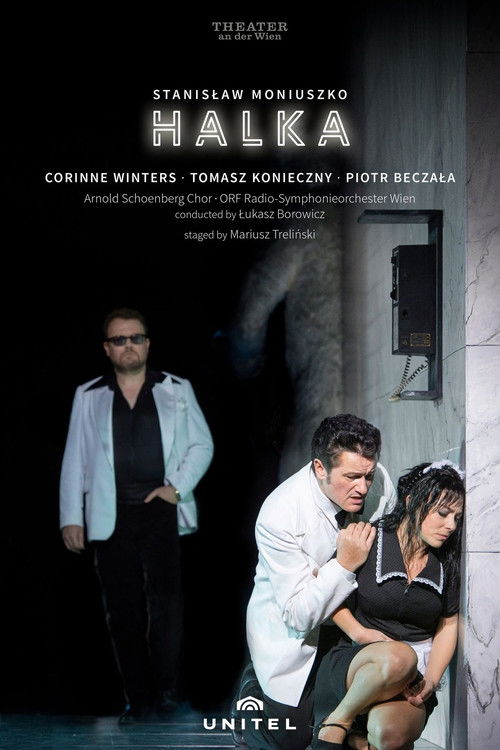
At Theater an der Wien Stanisław Moniuszko’s Polish national opera Halka is performed by a superb cast including Corinne Winters ('devotedly') , Piotr Beczała ('vocally outstanding') and Tomasz Konieczny ('his acting is piercing') (Der Standard). The Polish leading team, above all director Mariusz Treliński, puts the plot into a supercooled crime aesthetic. The ORF Radio Symphonie-Orchester Wien under the baton of Łukasz Borowicz plays with perceptible delight.
No description available.
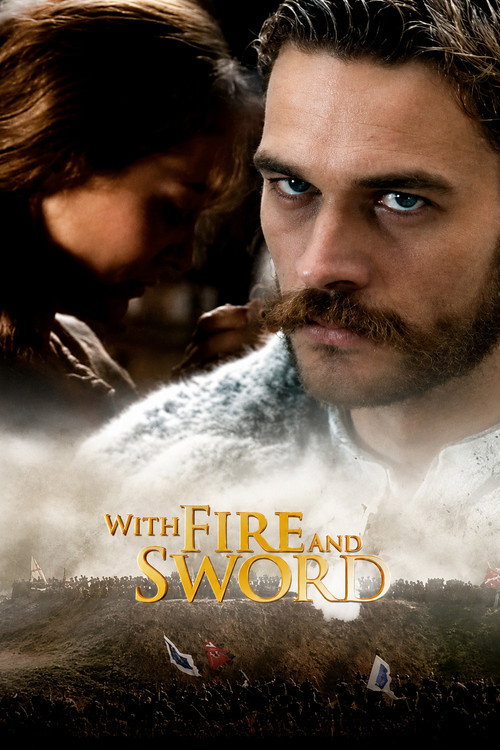
In the mid-17th century, Poland was the largest, most democratic, and most tolerant country in Europe. However, a tragic civil war brought about the gradual decline of the once glorious republic... An epic story about the Cossack rebellion against the Polish-Lithuanian Commonwealth.
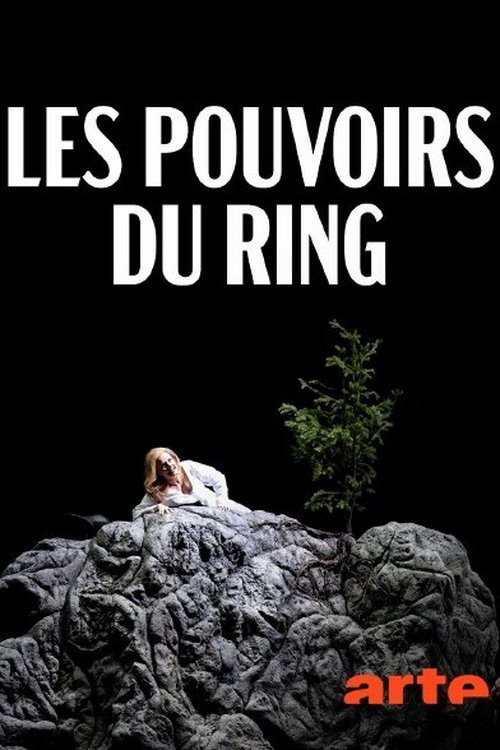
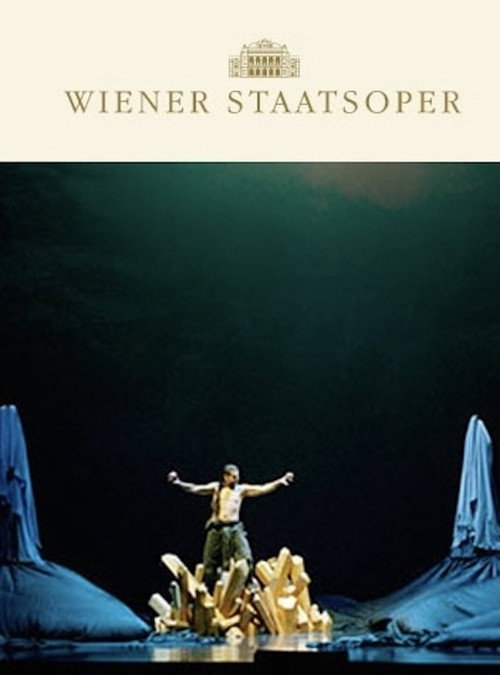
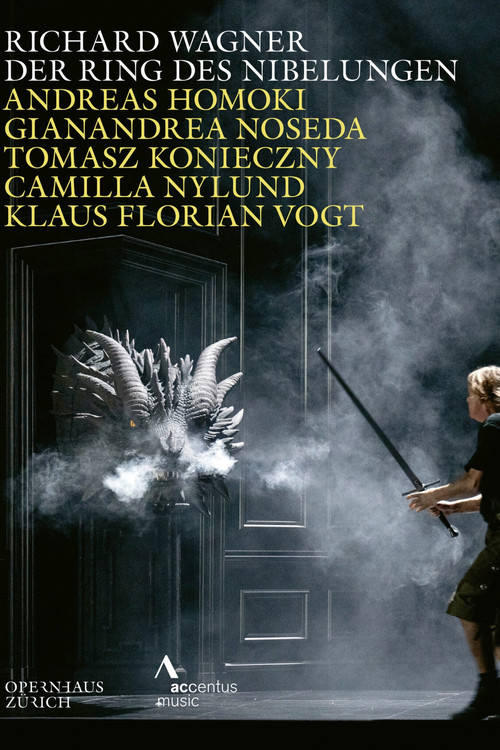
Wagner's Ring of the Nibelungen is regarded as one of the most important milestones in the history of music. In the first part, the Rheingold, it begins with the chain of fateful entanglements that ultimately attracts the downfall of the race of the gods.
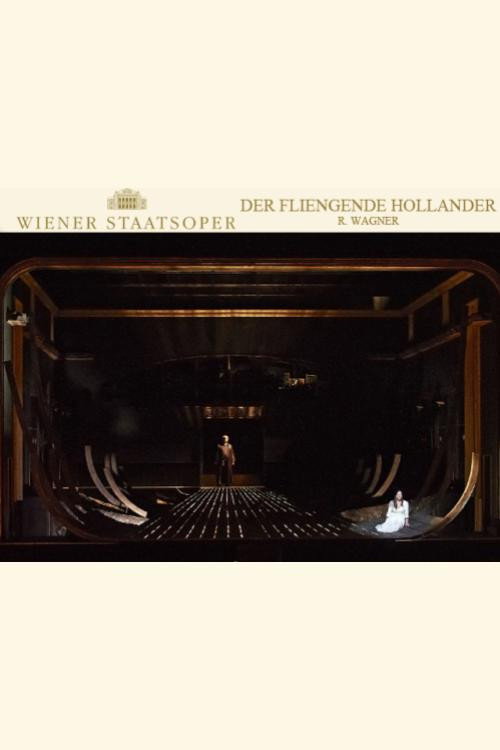
The sailor's daughter Senta takes pity on the centuries-old legendary figure of the Flying Dutchman. He was condemned by Satan to sail the world's oceans until a woman frees him from this curse through her loyalty. One day, when Senta's father returns home from a long voyage with a mysterious man, Senta is the only one who recognizes the Flying Dutchman in the sinister foreign captain. At the cost of self-destruction, she decides to redeem him. Director Christine Mielitz and her set designer Stefan Mayer see Daland's and the Dutchman's ships as an image of the entire world, of life itself, in which we all have to find our way around.
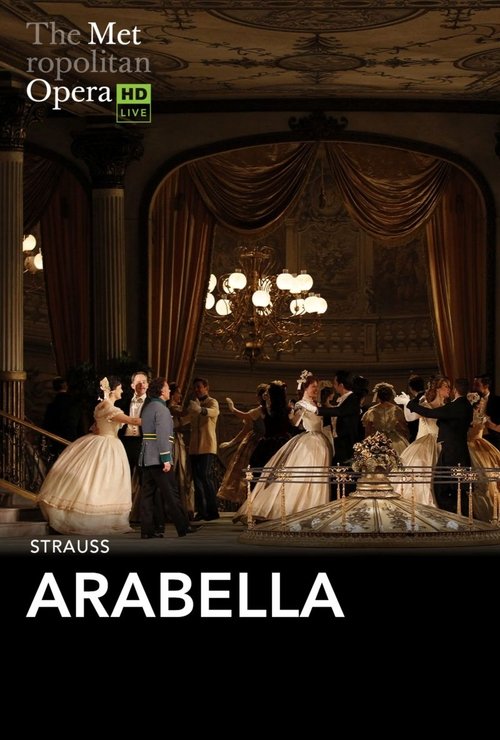
Strauss’s elegant romance brings the glamour and enchantment of 19th-century Vienna to cinemas worldwide in a sumptuous production by legendary director Otto Schenk that “is as beautiful as one could hope” (The New York Times). Soprano Rachel Willis-Sørensen stars as the title heroine, a young noblewoman in search of love on her own terms. Radiant soprano Louise Alder is her sister, Zdenka, and bass-baritone Tomasz Konieczny is the dashing count who sweeps Arabella off her feet.
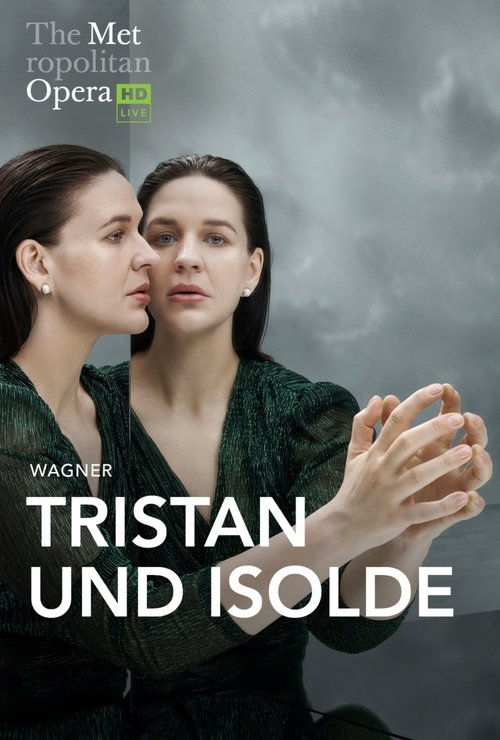
The electrifying Lise Davidsen tackles one of the ultimate roles for dramatic soprano: the Irish princess Isolde in Wagner’s transcendent meditation on love and death. Heroic tenor Michael Spyres stars opposite Davidsen as the love-drunk Tristan. Mezzo-soprano Ekaterina Gubanova reprises her signature portrayal of Brangäne, alongside bass-baritone Tomasz Konieczny, who sings Kurwenal after celebrated Met appearances in Wagner’s Der Fliegende Holländer and Ring cycle. Bass-baritone Ryan Speedo Green makes an important role debut as King Marke.
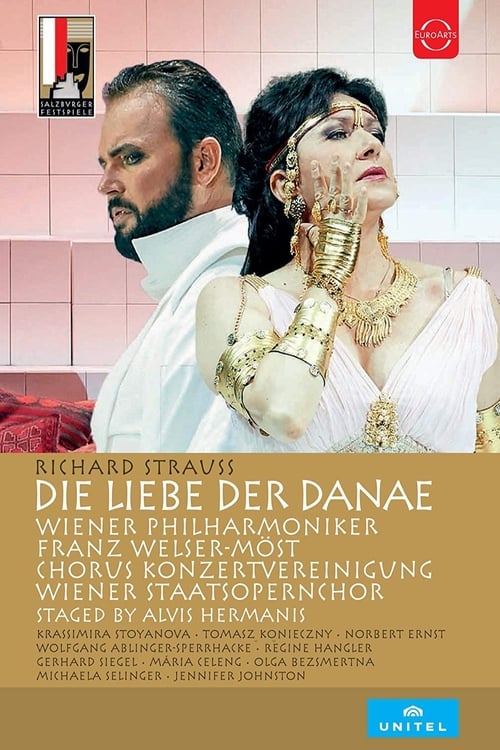
Ludwig van Beethoven, Johannes Brahms, Béla Bartók: Three masters of modernity, three masters of orchestral composition brought to life by Internationally-acclaimed Russian conductor Tugan Sokhiev, Music Director and Chief Conductor of the Bolshoi Theatre in Moscow and Music Director of Orchestre National du Capitole de Toulouse (ONCT) since 2008. Richard Strauss’ penultimate, satirically mythological opera Die Liebe der Danae (The Love of Danae, after a draft by Hugo von Hoffmansthal. The Wiener Philharmoniker play under the baton of Franz Welser-Möst, under whom they “conveyed the glittering colors and lyrical intricacies of Strauss’s late score” (NY Times).
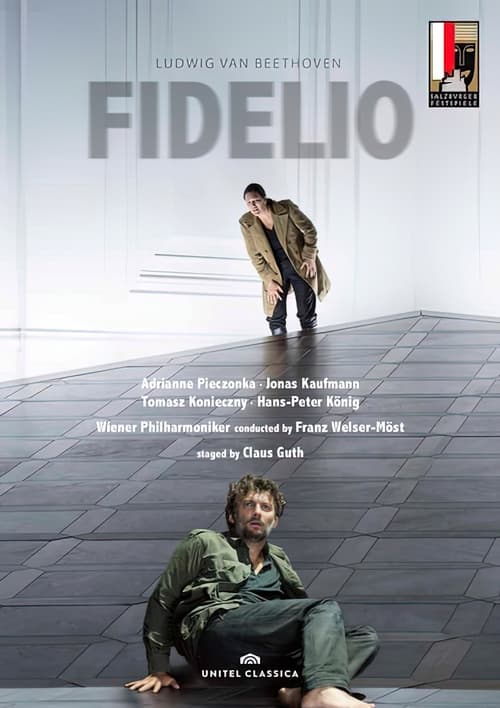
Following a string of awe-inspiring Met performances, soprano Lise Davidsen stars as Leonore, who risks everything to save her husband from the clutches of tyranny.