Acting
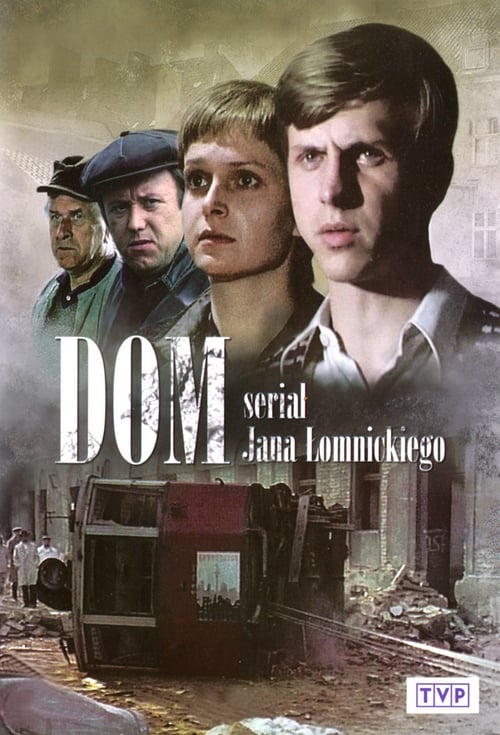
The story of the residents of a tenement house on Złota Street in Warsaw from 1945 to 1980.
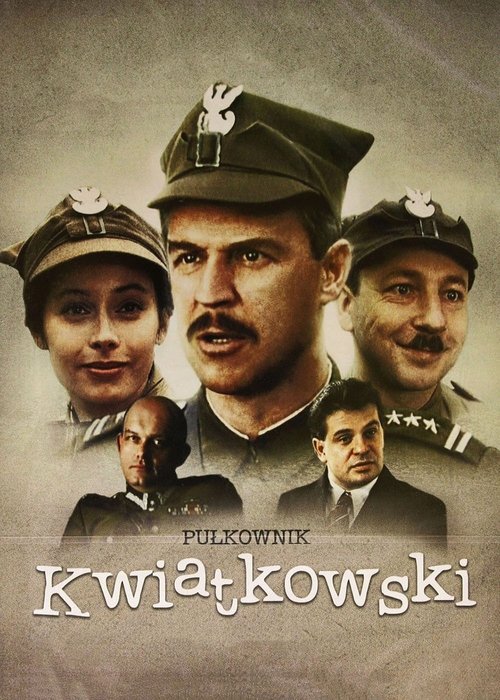
Military doctor Kwiatkowski, serving in a barracks hospital on the Western Territories, is rewarded with a week’s leave after successfully operating on Colonel Kiziora of the UB. He and his friend steal a truck bound for Warsaw, where among the ruins of his former home he meets his prewar neighbor Krysia, instantly falls in love, and, after a brawl with a Russian officer at a dance in the surviving “Polonia” hotel, pretends to be a high-ranking UB colonel to save face.
No description available.
A story about the professional and personal struggles of the lawyers at a law firm in a town near Warsaw. In their work, they encounter a wide range of human problems, while often dealing with complicated family lives of their own.
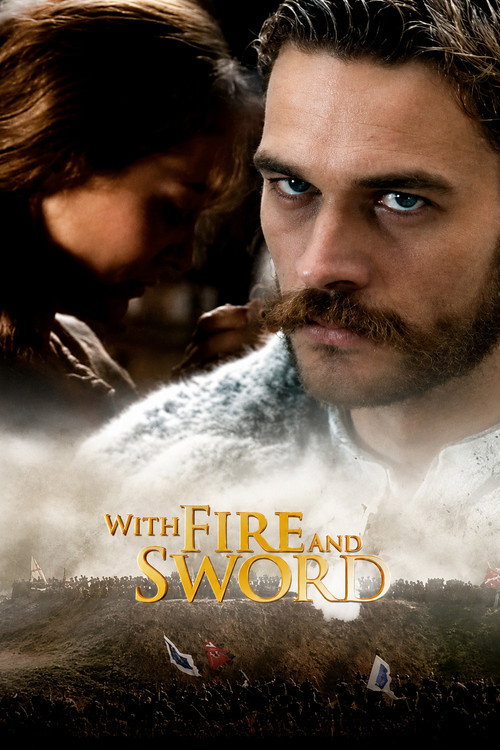
In the mid-17th century, Poland was the largest, most democratic, and most tolerant country in Europe. However, a tragic civil war brought about the gradual decline of the once glorious republic... An epic story about the Cossack rebellion against the Polish-Lithuanian Commonwealth.
Story of a tragic love triangle that develops between a mother daugther and a farmhand. A good-looking widow lives alone on a farm with her teenage daughter. Their neighbor occasionally helps them in the farmwork. He would have eventually married the mother, but the daughter tries to seduce him at all costs. He becomes the lover of both women, but eventually runs away leaving the mother shattered and the daughter pregnant.
In Stalinist Poland, cabaret singer Tonia decides to spend the evening drinking with a group of friends. The next morning, she awakes to find that, for reasons unknown to her, she has been jailed as a political prisoner. As prison officials interrogate, torture and humiliate her, she fights for survival and to maintain her innocence by refusing to sign a false confession. As her years of imprisonment pass, her relationship with her captors grows more complicated.
Juliusz Słowacki’s drama “Balladyna” is one of the author’s most recognizable works. The television production was directed by Wojciech Adamczyk. The play, written in 1834, arose from a fascination with Slavic culture, and its plot was inspired by Shakespeare’s “A Midsummer Night’s Dream” and “Macbeth.” In his interpretation, Wojciech Adamczyk eschews the ludic elements, giving the story a darker character. The conflict centers on the relationship between two strong female characters: Balladyna and Goplana. Filled with lust, crime, and blood, it’s a story that rivals the emotional depth and richness of Game of Thrones or The Witcher. The world Słowacki describes is dark and dense with passion. The exotic landscape of European pagan mythologies is combined with early Christian aesthetics. Viewers accustomed to “school-style” interpretations of the play will be surprised by the poignantly contemporary vision of human fate in an original approach.
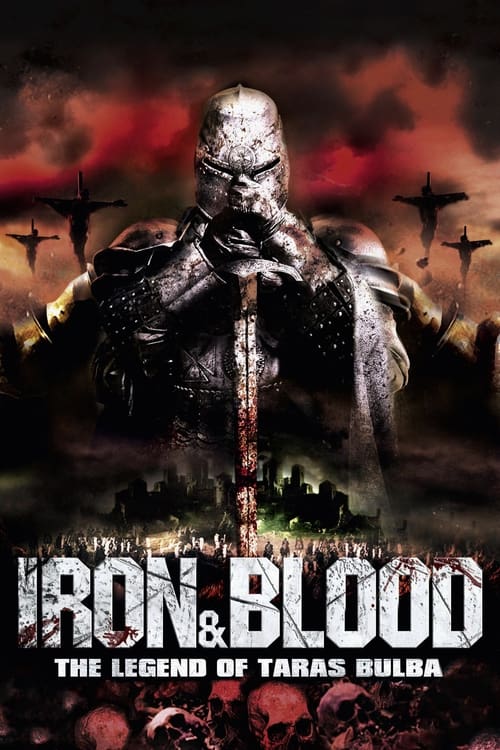
Set in the 16th century, this is a story about Ukraine's Cossack warriors and their campaign to defend their lands from the advancing Polish armies.
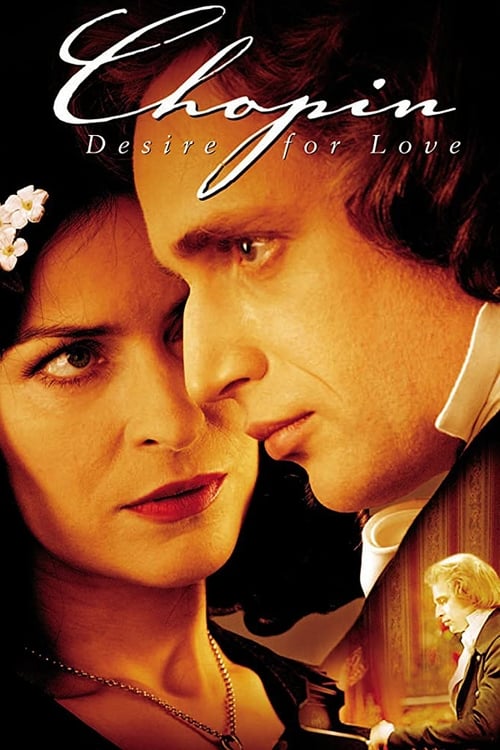
The biography of world famous Polish composer Fryderyk Chopin.
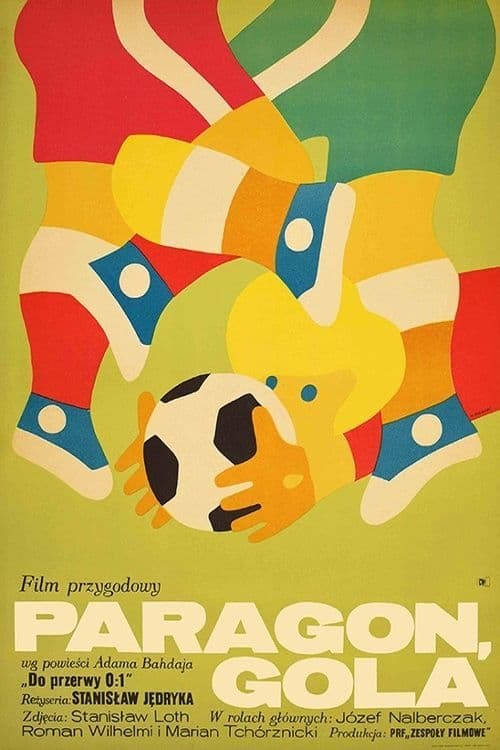
A funny story about a young soccer player nicknamed Paragon.
Mikolaj and Ada, a middle-aged, middle-aged couple, happy slightly above the Polish average, with one daughter, Mela. Their stabilized life is complicated by the appearance of a second child, the fruit of a slip-up. How will the characters cope in the face of the new challenge?
As Christmas approaches, ambitious Mel struggles to host a grand Eve dinner for his “Santa” business and, seeing his younger self in hapless employee Grzesiek, vows to save him from repeating old mistakes. Meanwhile, Karina and Szczepan’s quiet holiday is disrupted by a burst pipe that introduces repairman Lucek and stranded traveler Józek into their home. And Wojciech, fresh from London, plans a serene reunion, until he meets mysterious Ewa, who’s flown in to see an internet love.
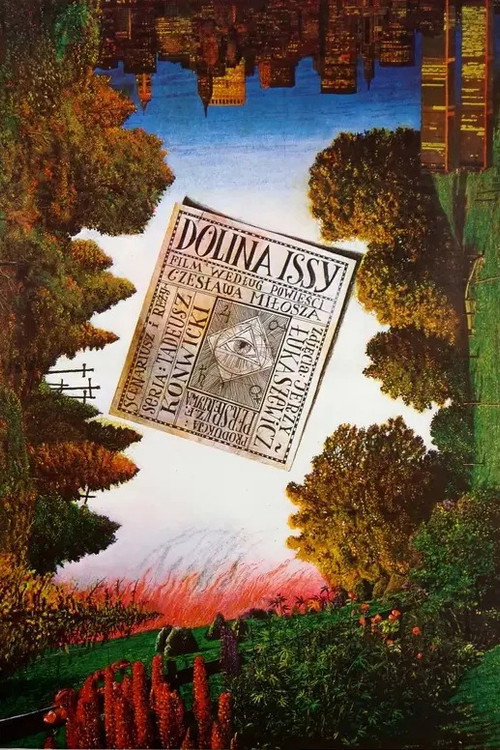
The film evokes a childhood in rural Lithuania between the wars. A country boy, Tomaszek, lives on a rich estate, situated on the Polish border. He realizes that the Issa Valley he lives in is to be torn apart by internal political conflicts and unrests among the mixed population of Poles, Lithuanians, Jews and Russians. He, however, is captivated by a paradise surrounding him, the forest, and his fantasies.
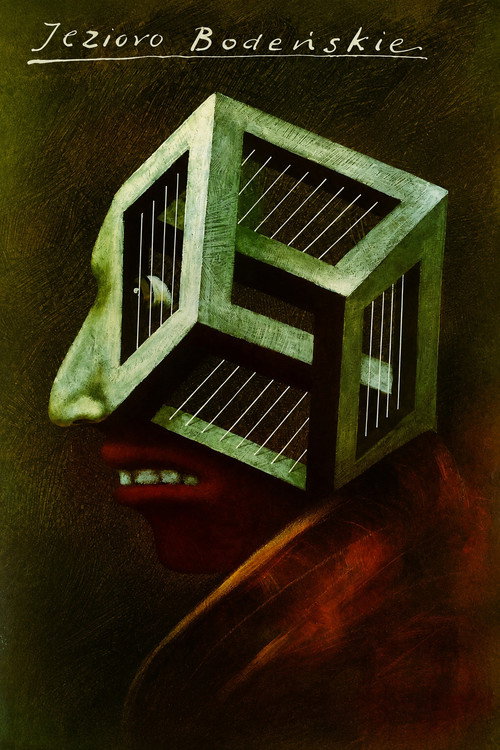
A Pole who spent time in an internment camp during the war on the Swiss-German border, visits the site many years later and recalls these days. He meets with other Poles confined in the same camp, including several women, in whose he had romantic interests.
1982, martial law is in force. Krzysztof works as a teacher. Since his wife Gosia left for a scholarship in Baltimore, he has been living alone. He misses her and often writes letters to her. He hopes that she will leave Poland and join him, but at the moment this is impossible. One night, he has a strange dream. In it, he is running through a mist-covered meadow full of purple flowers. Nearby, on a railway embankment, he hears a woman's delirious cries. In the darkness, the lights of a passing train slowly begin to grow brighter. Before he can save her, the dream ends. When Krzysztof has the same dream a month later, he wonders about its meaning. After receiving a letter from his wife saying that she intends to remarry, Krzysztof feels lost. While browsing through an atlas of reproductions of paintings, he comes across the works of a young painter. As he looks through them, he discovers that the paintings correspond to his visions. Krzysztof decides to find the artist.
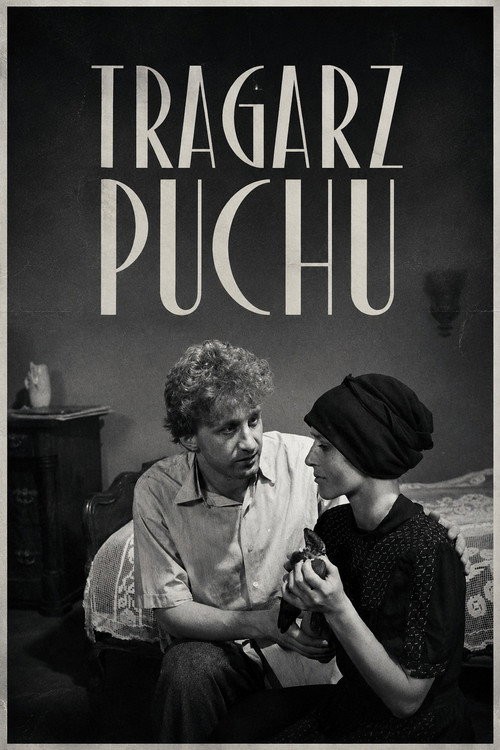
It's a film about solidarity and human help: in this case, from a less persecuted Pole to a more persecuted Jew. The film's protagonists are a young woman, Jadwiga, who makes a living feeding lice at the Institute, and a ghetto escapee, Dalek, and later his supposed sister, or rather his wife, Fryda, whom Jadwiga shelters in her apartment. The three characters fight for their lives, for survival, and not only for their own but also Fryda's unborn child. However, they fail, as a series of tragic events unfolds. Knowing that her husband, Dalek, will not reveal the truth about them to Jadwiga, who is in love with him, Fryda does so alone and, without saying goodbye, departs for the embattled ghetto. Her husband follows her.