Yvonne Rainer
Directing
Biography
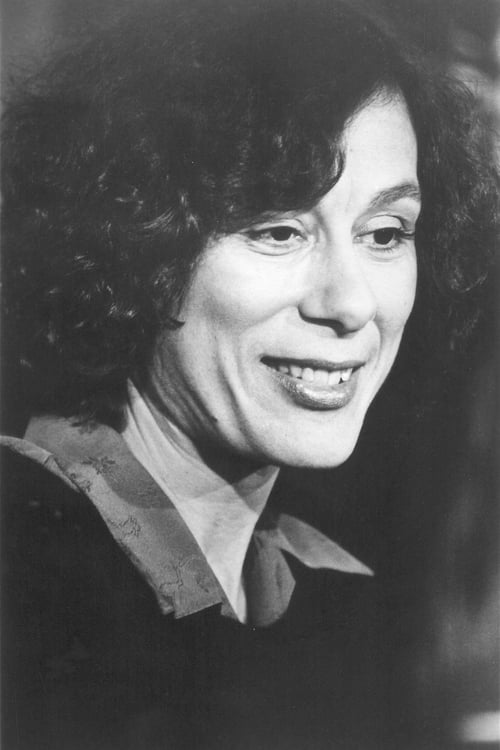
Yvonne Rainer was born in San Francisco in 1934. She trained as a modern dancer in New York and began to choreograph her own work in 1960. She was one of the founders of the Judson Dance Theater in 1962, a movement that proved to be a vital force in modern dance in the following decades. Between 1962 and 1975 Rainer presented her choreography throughout the U.S. and Europe. In 2000 and 2001 Rainer returned to dance via commissions from the Baryshnikov Dance Foundation to choreograph work for the White Oak Dance Project, including a 35-minute piece called After Many a Summer Dies the Swan. Since 1972, Rainer has completed seven feature-length films, beginning with Lives of Performers (1972) and more recently The Man Who Envied Women (1985), Privilege (1990), and MURDER and murder (1996). Rainer has received numerous awards and fellowships for her work, including two Guggenheim Fellowships (1969, 1988), three Rockefeller Fellowships (1988, 1990, 1996), a MacArthur Fellowship (1990-95), and a Wexner Prize (1995), as well as four Honorary Doctor of Fine Arts Degrees. Yvonne Rainer: Work 1961-73 was published by Nova Scotia College of Art and Design and New York University Press in 1974; The Films of Yvonne Rainer, a collection of her film scripts, was published by Indiana University Press in 1989; and A Woman Who...: Essays, Interviews, Scripts was published by Johns Hopkins University Press in 1999. Rainer's latest choreographic work, based on Balanchine's AGON, was presented at Dance Theater Workshop, April 2006, subsequently traveling to the Getty Museum. A memoir, Feelings are Facts: A Life, was published by MIT Press in 2006.
Known For

Cinématon is a 156-hour long experimental film by French director Gérard Courant. It was the longest film ever released until 2011. Composed over 36 years from 1978 until 2006, it consists of a series of over 2,821 silent vignettes (cinématons), each 3 minutes and 25 seconds long, of various celebrities, artists, journalists and friends of the director, each doing whatever they want for the allotted time. Subjects of the film include directors Barbet Schroeder, Nagisa Oshima, Volker Schlöndorff, Ken Loach, Benjamin Cuq, Youssef Chahine, Wim Wenders, Joseph Losey, Jean-Luc Godard, Samuel Fuller and Terry Gilliam, chess grandmaster Joël Lautier, and actors Roberto Benigni, Stéphane Audran, Julie Delpy and Lesley Chatterley. Gilliam is featured eating a 100-franc note, while Fuller smokes a cigar. Courant's favourite subject was a 7-month-old baby. The film was screened in its then-entirety in Avignon in November 2009 and was screened in Redondo Beach, CA on April 9, 2010.
Cinématon

Mildred and Doris are two middle-aged white women, from very different backgrounds, who become lovers and set up house together. Film explores the pleasures and uncertainties of later-life emotional attachment and lesbian identity in a culture that glorifies youth and heterosexual romance.
MURDER and murder

Using the words and ideas of great filmmakers, from archival interviews with Alfred Hitchcock and Robert Bresson to new interviews with Mike Leigh, David Lynch, and Jonas Mekas, Oscar-winning filmmaker Chuck Workman shows what these filmmakers and others do that can't be expressed in words - but only in cinema.
What Is Cinema?
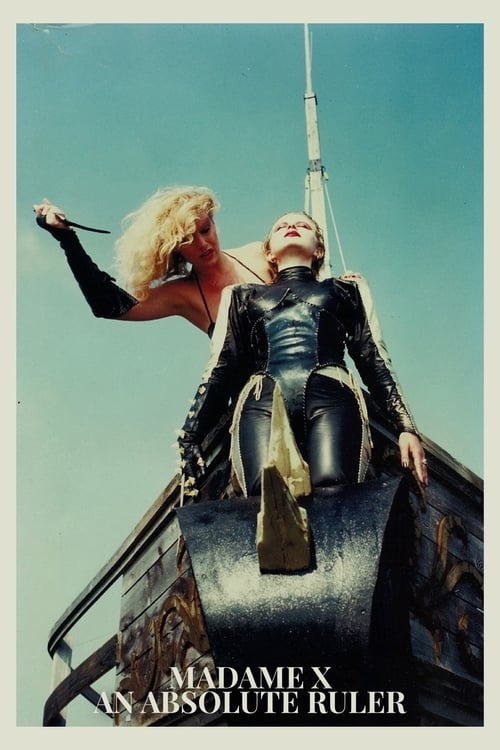
The notorious pirate ruler Madame X places a print ad, calling on women to escape their boring lives and promising "gold, love and adventure" to all who come aboard her ship, the Orlando. A motley crew including a housewife, diva and artist (played by Yvonne Rainer) embark on a quest for self-transformation, which quickly heads towards destruction as they are subjected to Madame X's sadistic, erotic escapades.
Madame X – An Absolute Ruler

Privilege is an intelligently conceived, boldly anarchic, and wickedly insightful exposition on the culturally ingrained and socially divisive malaise of isms that artificially define and characterize empowerment in contemporary society: ageism, sexism, economic elitism, and racism. Yvonne Rainer conveys texture through the intercutting of archival footage, video, and film - as well as compositional layering through the film-within-a-film structure, elliptical (and self-referential) fusion of past and present, and the filmmaker's idiosyncratic penchant for superimposed typed text.
Privilege
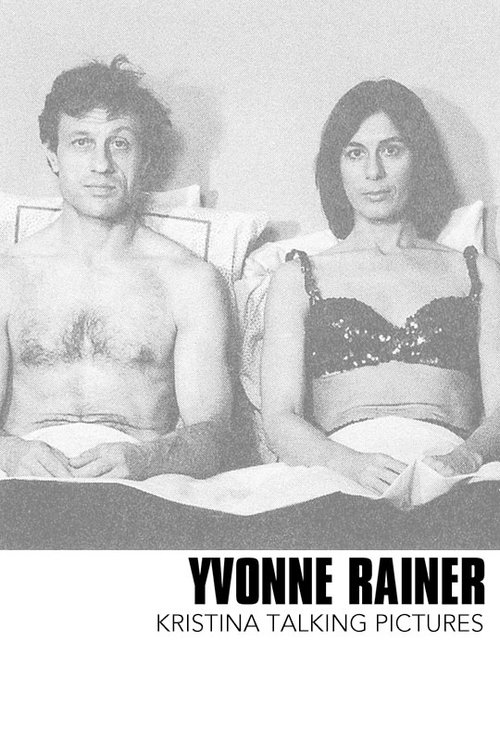
Kristina, a self-named Hungarian female lion tamer, arrives in New York to become a dance choreographer. Kristina, now a middle-class NYC artist concerned about the environment, has a sailor lover named Raoul. The film, a collage work, an essay film, a fictional narrative and a documentary all rolled into one, is one of the most important independent American feminists films made during the 1970's.
Kristina Talking Pictures
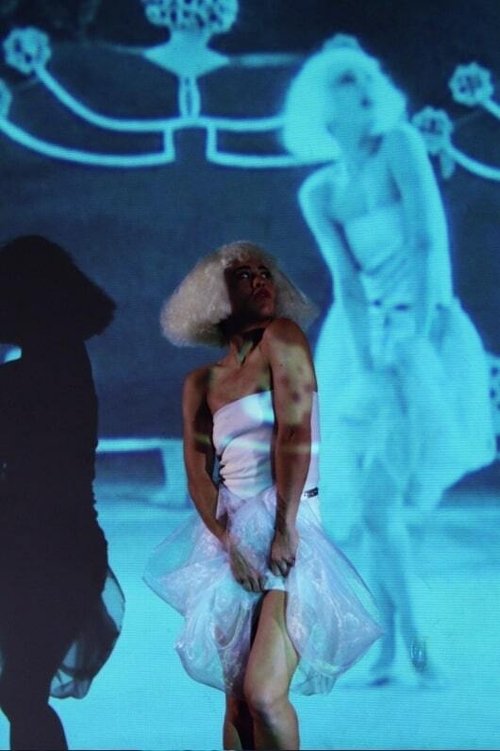
Salomania reconstructs a dance: the ‘dance of the seven veils’ from Alla Nazimova’s 1923 silent film Salomé. Also shown and rehearsed are sections from ‘Valda’s Solo,’ which the choreographer and filmmaker Yvonne Rainer created after having seen Nazimova’s film.
Salomania

Grand Opera marks a stock-taking of Benning's work and his life, presenting a personal and artistic autobiography woven together with a series of events dealing with the historical development of the number pi, Benning's travels, and homages to Michael Snow, Hollis Frampton, George Landow (Owen Land), and Yvonne Rainer.
Grand Opera: An Historical Romance
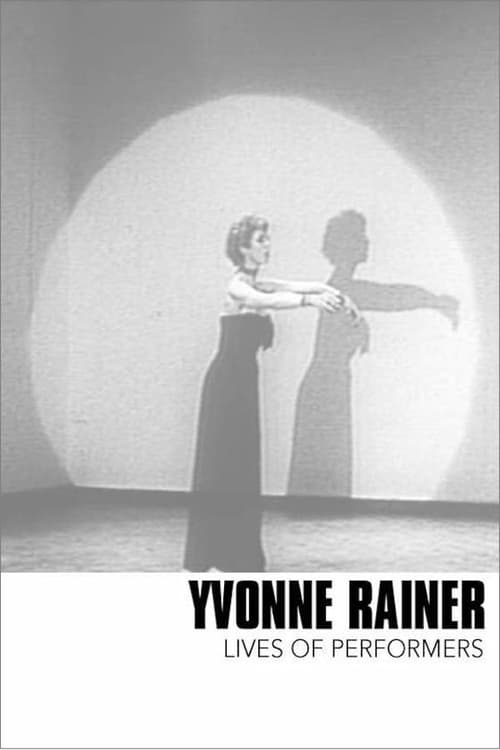
Embodying Rainer’s aesthetic rigor and wit, the film combines fiction and documentary, script readings, dance snippets, still photos, and tableaux vivants to explore issues of power and gender that influence the emotional lives of her performers.
Lives of Performers
Home movies shot on Super 8mm by W+B Hein over 10 years.
Home Movies 1971-81

An epic meditation on psychoanalysis, the Baader-Meinhof, feminism, and pre-revolutionary Russia.
Journeys from Berlin/1971
A volleyball is rolled into the frame and comes to rest. Two legs in sneakers, seen from the knees down, enter the frame and stand beside it. Cut to new angle, same characters and actions.
Volleyball (Foot Film)
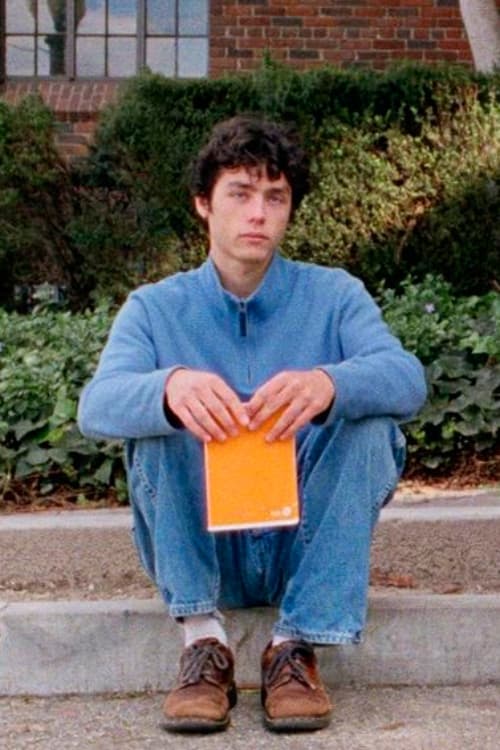
In I Cannot Now Recall, a collection of Yvonne Rainer's dreams are presented, selected by the filmmaker from Rainer's journals. Through choice and abstraction, the film produces a shared psychic landscape that is as expansive as it is anxious.
I Cannot Now Recall
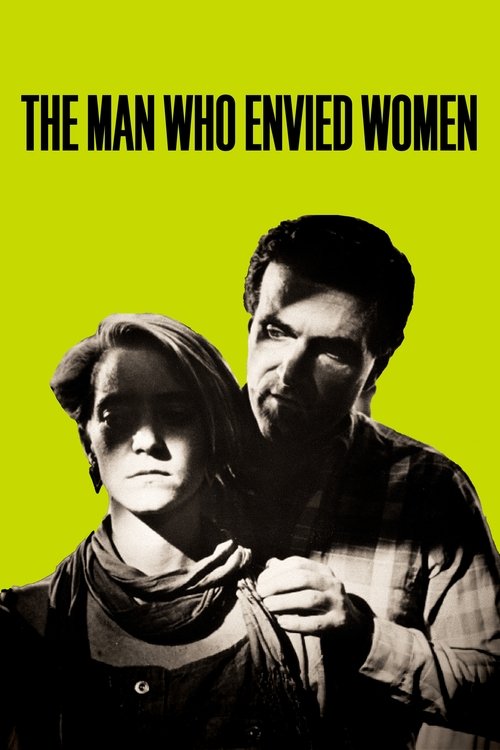
A Manhattan professor's (William Raymond, Larry Loonin) unseen artist wife mocks his pitiful existence.
The Man Who Envied Women
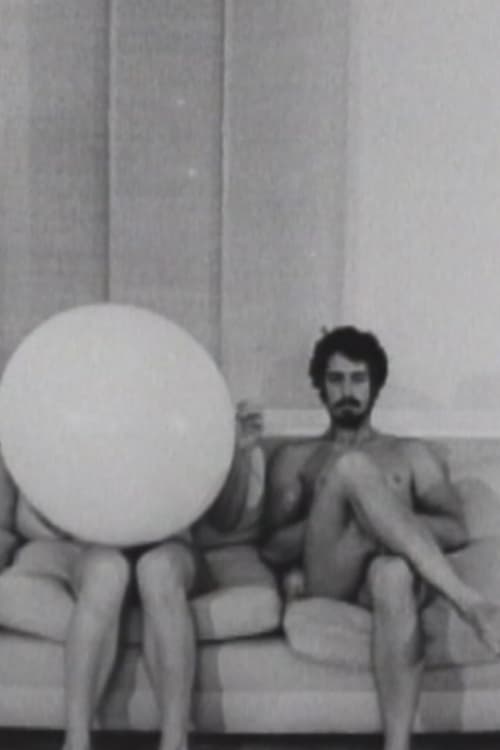
Two nudes, a man and a woman, interact with each other and a large balloon in a white living room. Performed by Steve Paxton and Becky Arnold. Camerawork by Phill Niblock.
Trio Film
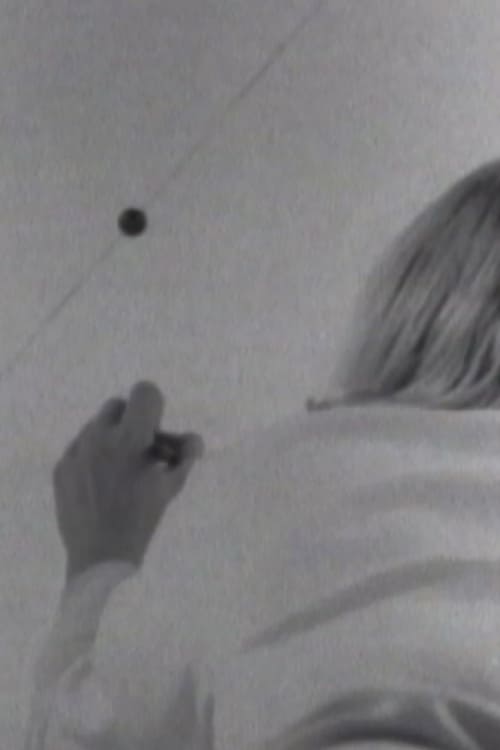
A blond woman (Susan Marshall) in white pants and shirt interacts with a moving round object and the camera. Camerawork by Phill Niblock.
Line
Reel 10 of Gérard Courant's on-going Cinematon series.
Cinématon X
Rainer's first film, Hand Film, was shot by fellow dancer William Davis when Rainer was confined to a hospital bed, recovering from major surgery and unable to dance. The resulting five minutes of footage is a sustained close-up shot of Rainer's hand against a grey background as it stretches and contracts, bends and points, performing the kinds of everyday, quotidian movements that characterize her pioneering minimalist choreography.
Hand Film
Adam Pendleton’s Just Back From Los Angeles: A Portrait of Yvonne Rainer is the third in a series of video portraits, following My Education: A Portrait of David Hilliard, the former chief of staff for the Black Panthers, and Lorraine O'Grady: A Portrait.
Just Back from Los Angeles: A Portrait of Yvonne Rainer
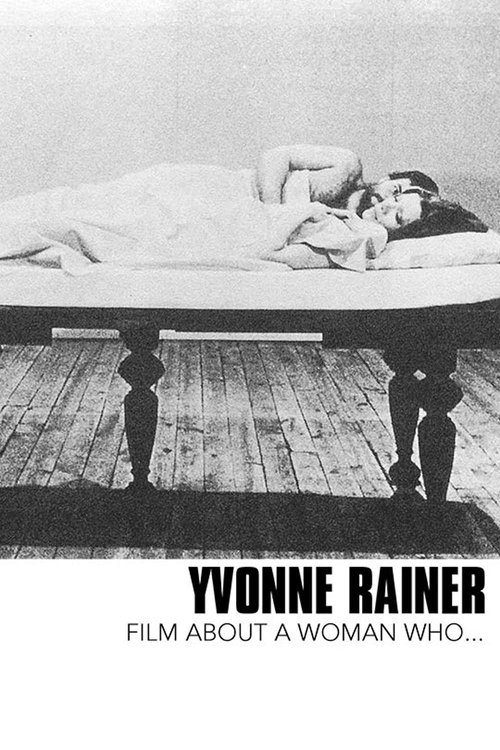
Rainer’s landmark film is a meditation on ambivalence that plays with cliché and the conventions of soap opera while telling the story of a woman whose sexual dissatisfaction masks an enormous anger.