
Ági Szirtes
Acting
Known For
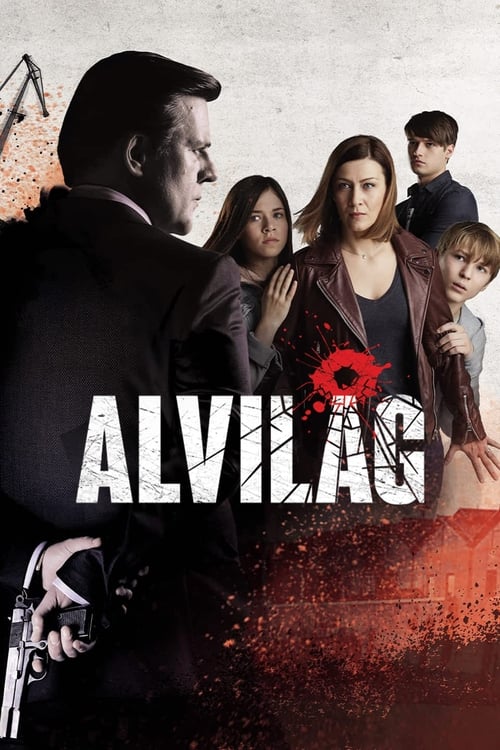
After her husband is assassinated, housewife Nóra reluctantly has to take charge of the criminal business of her family.
Underworld
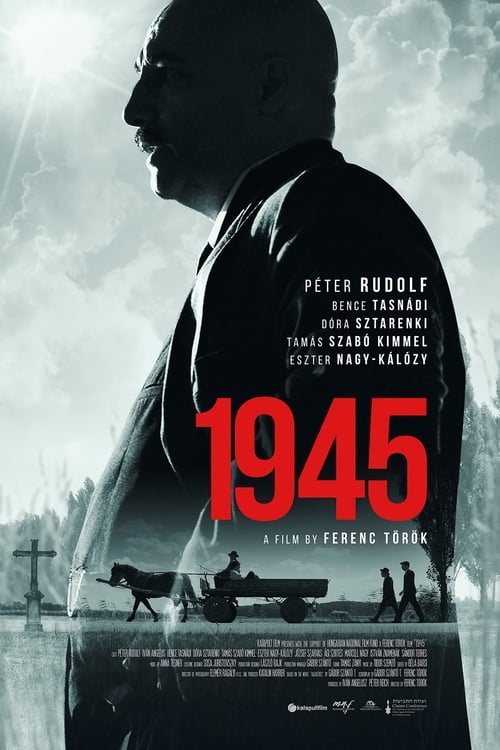
An unsettling feeling overwhelms a small Hungarian town when two orthodox Jews arrive with a mysterious trunk. As residents begin to speculate on the purpose of the visit of these two strangers, order starts to crumble in town with some pursuing devious plans and others finding remorse in their hearts.
1945
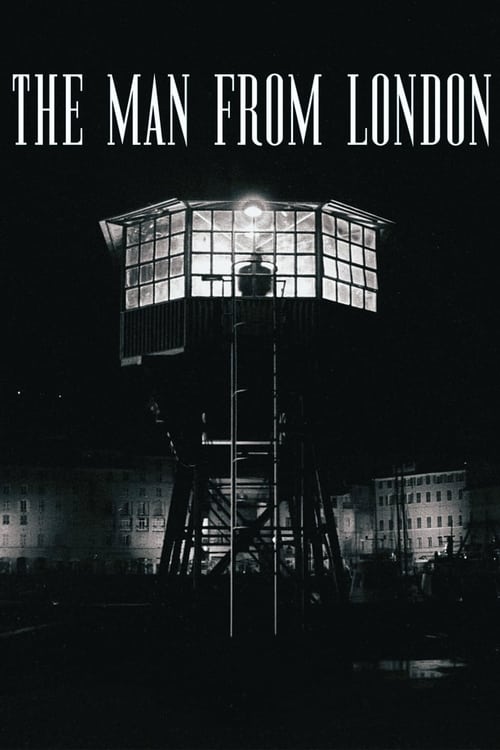
A switchman at a seaside railway witnesses a murder but does not report it after he finds a suitcase full of money at the scene of the crime.
The Man from London
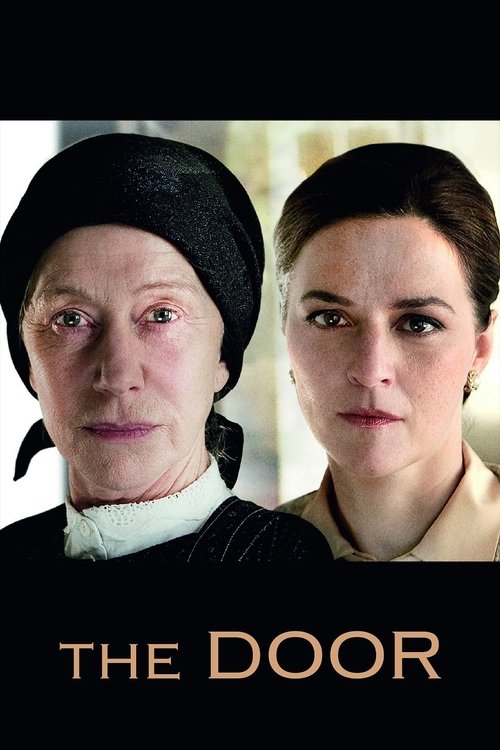
Emerenc, an elderly and private woman, is hired to be the housekeeper of a struggling writer, Magda. An event in the writer's life prompts Emerenc to disclose details of her traumatizing past, which will bond the two women forever. Based on the novel by Magda Szabó.
The Door
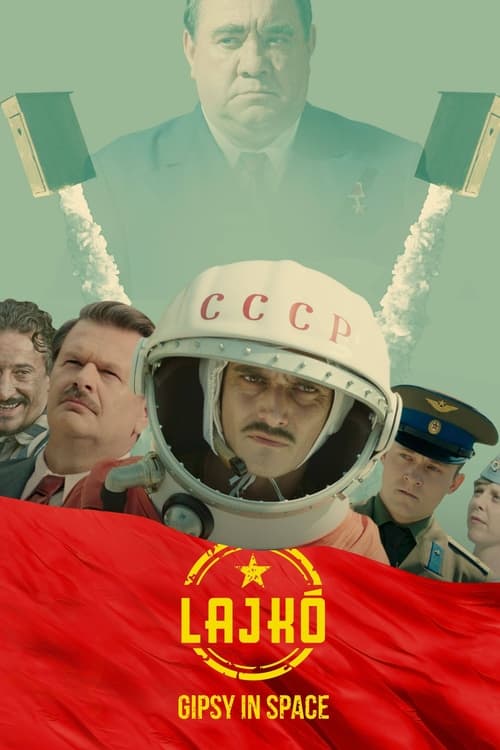
In 1957 the Soviet Union decides to give Hungary the chance to choose the world's first cosmonaut, who can be the very first person in space. It seems like the best candidate is Lajkó, the gypsy spraying pilot.
Lajko: Gypsy in Space
No description available.
A Szórád-ház
The main character, Béla Hackspacher, is a forklift driver. He lives in a small rented flat with his wife Irén, his two children, his mother-in-law and Rózsika, a subtenant who is about to become a dance singer. Béla learns at a community cultural programme that he has a 12 on the toto. The show stops, to great joy. The day arrives, 23 October 1956, when Béla can collect his prize.
Telitalálat
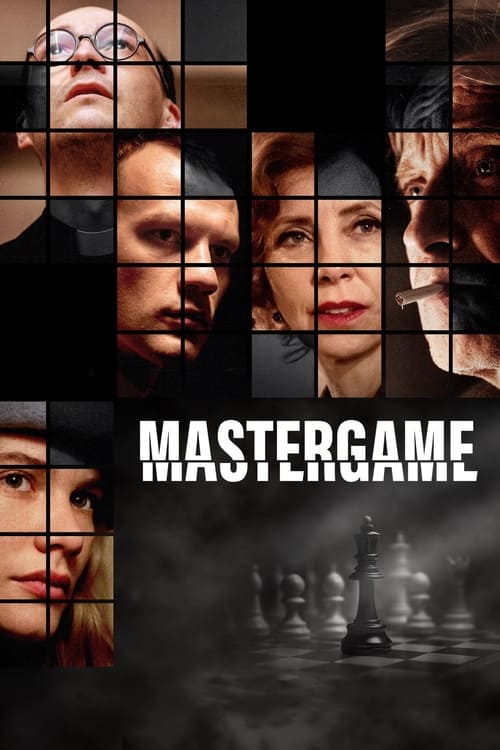
A young, revolutionary couple aboard the last train leaving Budapest after the Russian invasion of 1956. Based on a novel by the Austrian writer Stefan Zweig.
Mastergame
No description available.
Bödörék
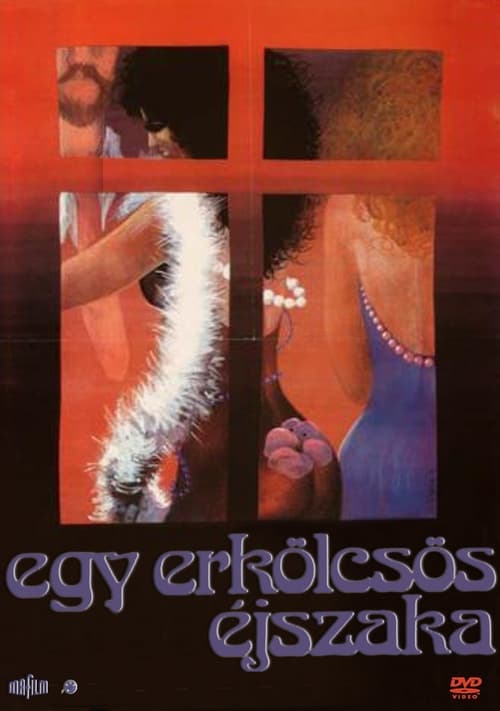
A brothel in a small Hungarian town becomes the home of a medical student after his favorite working girls find out he's out of rent money. Trouble brews as they learn his mother is coming for a visit and they must transform the house.
A Very Moral Night
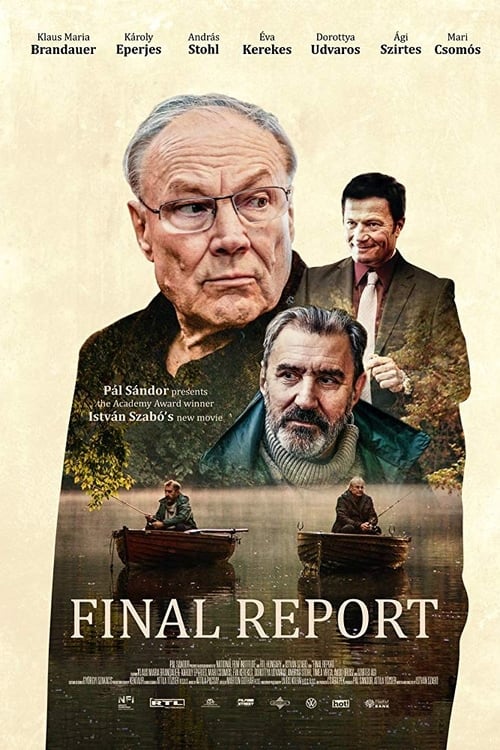
A cardiologist is sent into retirement, but he feels at loss without his work. He returns to his home village to work as a general practitioner. This is the start of his ordeal: he's confronted with raw reality, which finally brings him to his knees. But music has the last word.
Final Report
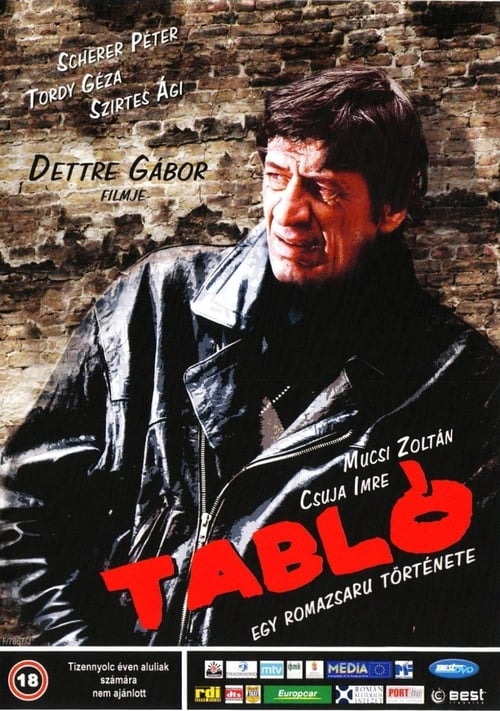
Karcsi, a Roma policeman, lives with Eva, a Swede. One day he is called to the scene of the murder of a wealthy trafficker named Schulter. He begins to investigate the crime, interrogate neighbours and suspects, and untangle a complex situation - one that he, himself, complicates even further. For he is a gypsy, who despite being adopted and raised by "regular" Hungarians, has his nose rubbed in his minority status every day. The film, which is based on the novel by Ákos Kertész, is a shrewd genre work full of dusky humour and surreal situations. Tabló follows a vivid succession of strange images that eventually lead to the emergence of the central story about a charismatic police officer on a tireless quest for the truth, though he must fight against virtually everyone and is just as fallible as the next person. Tabló makes a statement on the issue of race and racism - or, indeed, relations between any minority and majority.
Tabló
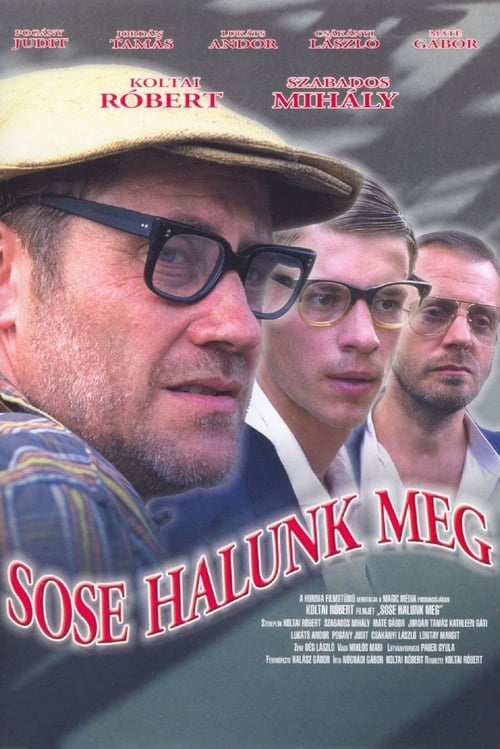
In 1960s Hungary, an introverted teenager’s life is turned upside down by a few days in the company of his coat hanger salesman uncle: a roguish charmer with a zest for life and a weakness for horse racing and women.
We Never Die!
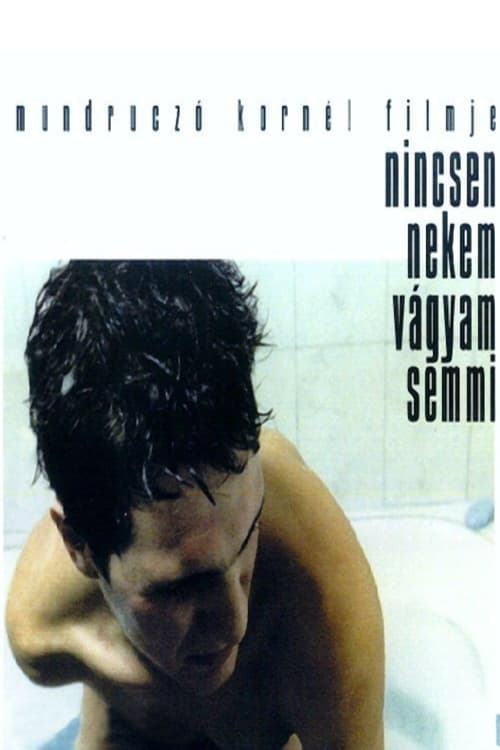
Bruno, a bisexual but closeted young man lives in rural Hungary with his girlfriend Mari. Also on the scene is her homosexual brother Ringo. Mari doesn't know that when the boys go off to work together in the city they raise cash by turning tricks and burglarizing houses.
This I Wish and Nothing More
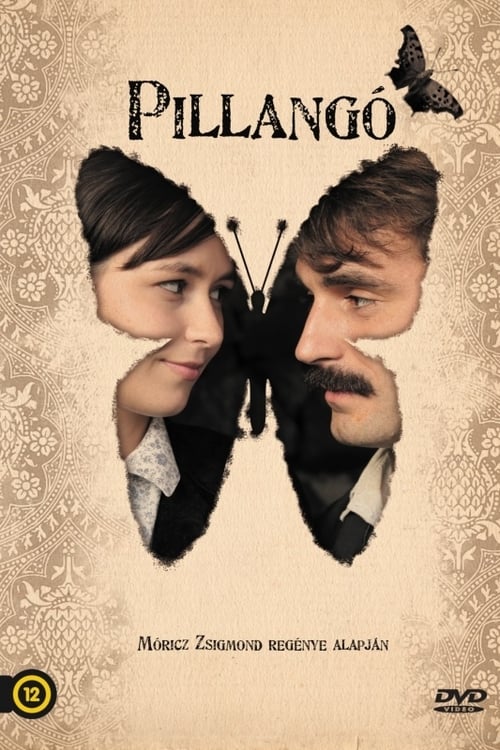
Zsigmond Móricz wrote his novel Butterfly in just a few days in 1924. Móricz tells the story of a mighty love that triumphs over adversity and is all-powerful in the language of ordinary people. The love of Zsuzsika and Jóska is presented through the "lightning and veil-soft" emotions of the director, László Vitézy's television adaptation. After The Legend of Hortobágy (Komorló) and The Sky Bird, this is the third film made by László Vitézy based on the writings of Zsigmond Móricz.
Pillangó
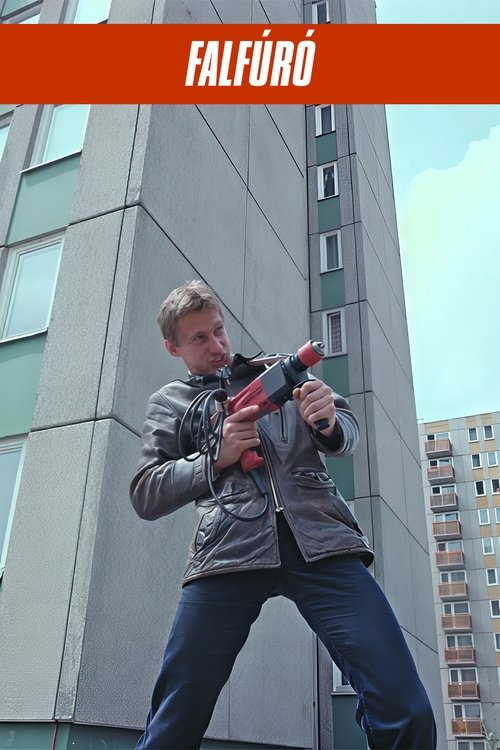
The sad tale of a proletarian malcontent ensconced in a monstrously depressing housing project who—even less effectually than the heroes of Bald-Dog Rock—attempts to change his life. Purchasing a power drill and slinging it across his shoulder like the anti-hero of a spaghetti western, he turns entrepreneur, boring holes in his neighbors’ walls so that they can hang mirrors or pictures.
Wall Driller
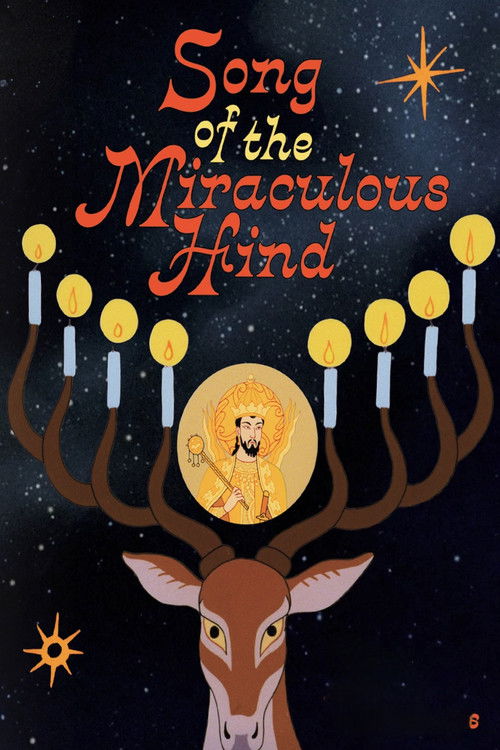
Divided into four sections, "Song" is inspired by the Siberian and Finno-Ugric legends about Creation, in which the world begins with characters who are only half-human, one being half-bird, the other half-bear. The narrator delves into the origins of Hungarian culture, the Iranian and Turkish influences that impacted the society, and finally the story of Stephen, the emperor who brought Christianity to the country and shifted the capital west in an attempt to link with Europe.
Song of the Miraculous Hind
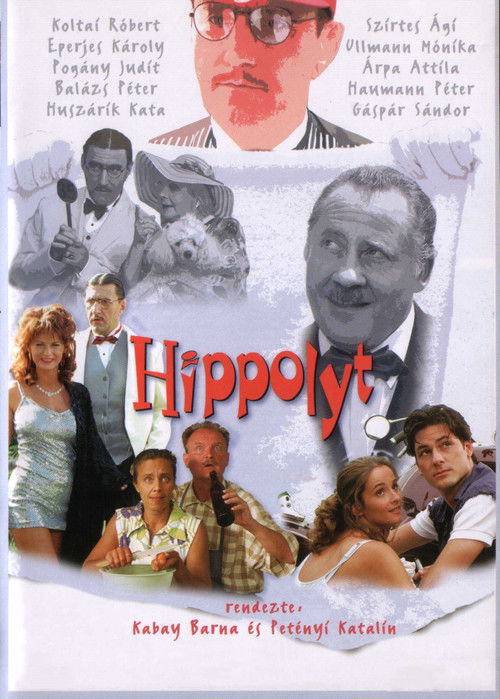
Mr. Schneider became wealthy after the end of the communism, but still remained a simple man. Her wife although wants a lackey.
Hippolyt
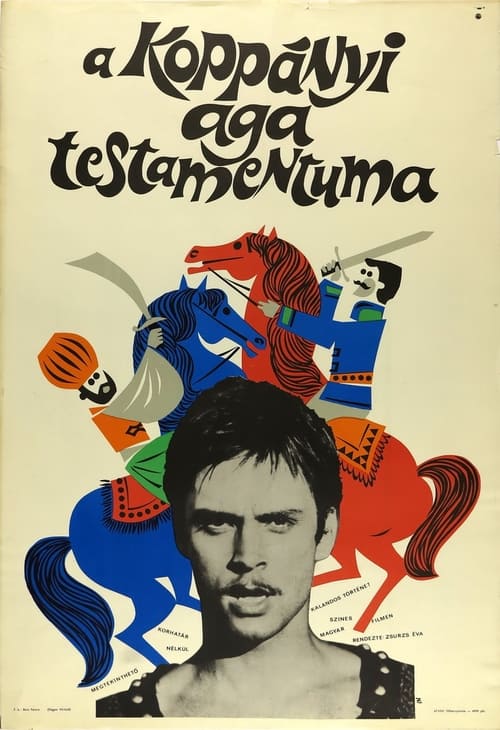
In 1585 the Turks and Vallons are looting the Látrány region.
The Aga's Testament
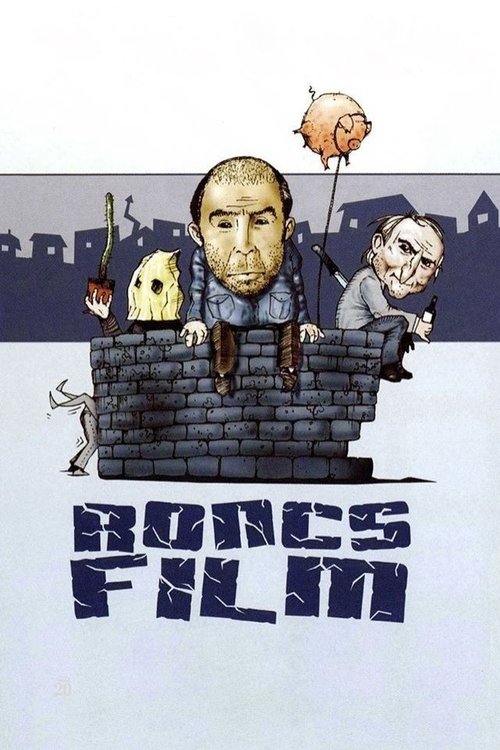
It is 1989, the year of the demise of socialism in eastern Europe. Nevertheless, the one theme of Junk Movie does not refer to this historical moment of high ideals, quite the contrary, the wild, burlesque of a motif-mozaic seems merely to stick it’s tongue out at the arrogant players of politics who have their heads stuck in the clouds. The film rudely points out the mystery and unapproachability surrounding the every-day existence of politics. The scene is a greasy, falling-down block of a pub called the Gólya and its immediate surroundings.